
This article was updated in December 7, 2025 with new products and information by Mark S. Taylor
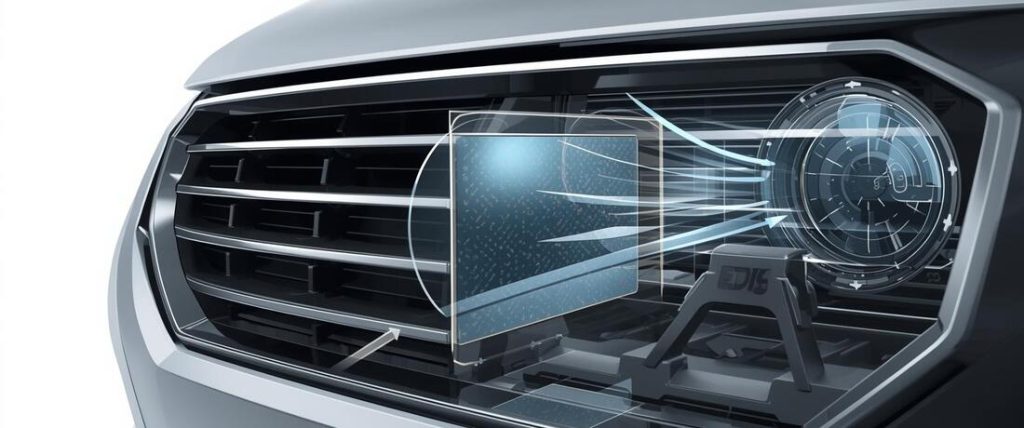
An active grill shutter is a smart vent behind your grille that opens and closes to control airflow and save fuel.
When you see “active grill shutter” in a menu, fault code, or warning, it sounds like race-car tech.
In reality, it’s just a small system that moves plastic slats in front of your radiator. Car makers use it to cut wind drag, warm the engine faster, and trim emissions.
I’ve worked with many cars that use this feature, from compact crossovers to full-size trucks.
In this guide, we’ll break down what an active grill shutter does, how it works, the problems it has, and what it costs to fix.
By the end, you’ll know when you can relax, when you should book a shop visit, and what to ask your mechanic.
Contents
- 1 What Is an Active Grill Shutter?
- 2 How an Active Grill Shutter Works
- 3 Common Active Grill Shutter Problems
- 4 Is It Safe to Drive With an Active Grille Shutter Fault?
- 5 How Mechanics Diagnose an Active Grille Shutter
- 6 Fixing an Active Grill Shutter Issue
- 7 Active Grill Shutter vs Regular Grille
- 8 FAQ: About What is Active Grill Shutter
- 8.1 Should the active grille shutter be open or closed?
- 8.2 How much does it cost to repair an active grille shutter?
- 8.3 What are the symptoms of active grill shutters going bad?
- 8.4 Can I drive with an active grille shutter malfunction?
- 8.5 Is it safe to drive with active grill shutter “on”?
- 8.6 Bottom Line — Do You Need to Worry About Your Active Grill Shutter?
- 8.7 Quick Summary
What Is an Active Grill Shutter?
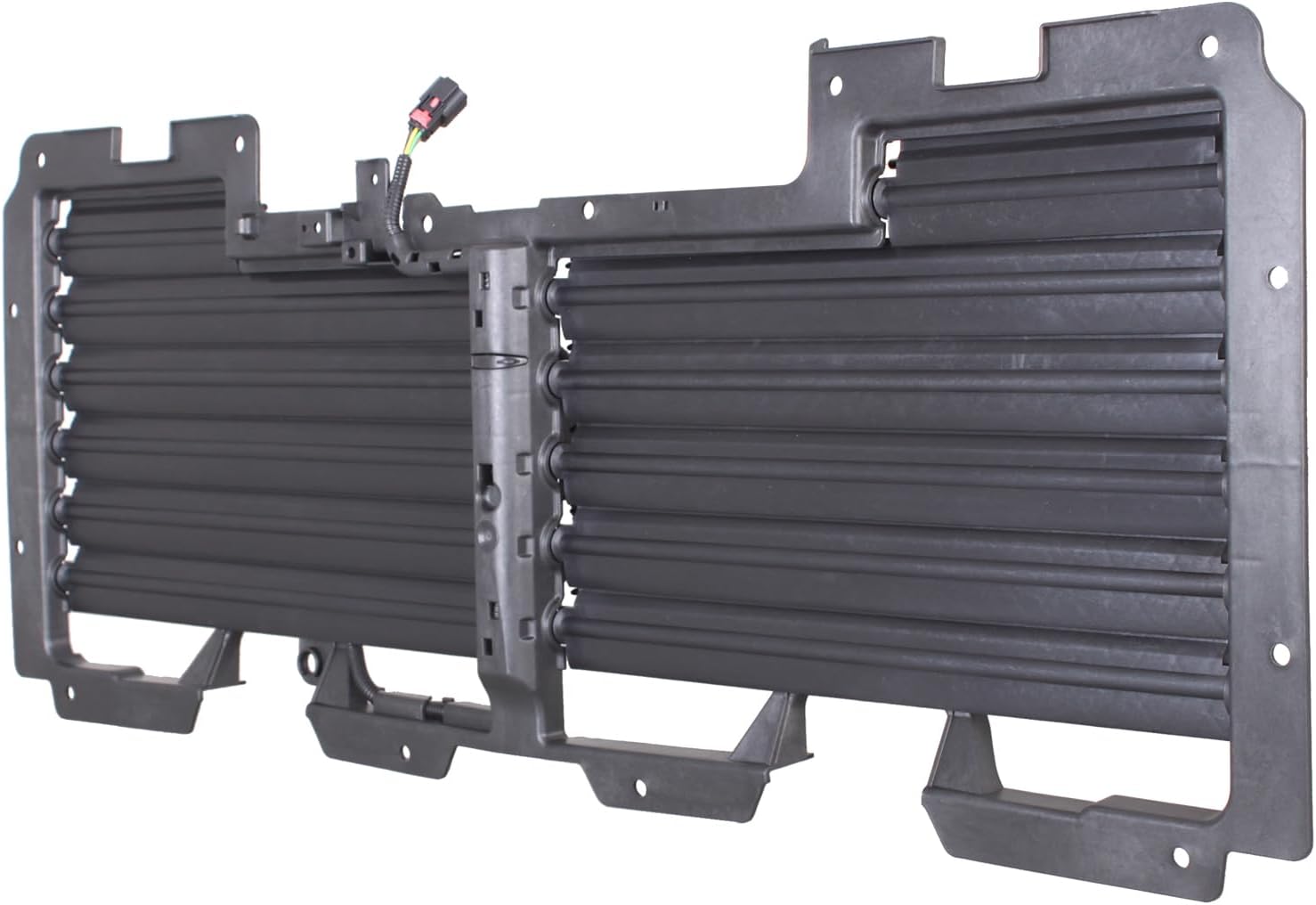
An active grill shutter is a motor-driven set of slats behind the front grille that controls how much air flows through the radiator.
Think of it like a tiny garage door for your engine bay.
When the engine, transmission, or hybrid battery needs cooling, the slats open to let air in.
When extra cooling is not needed, the slats close or partly close so more air flows around the car instead of through it.
That simple move helps:
- Reduce aerodynamic drag
- Improve fuel economy and cut CO₂ a little
- Warm the engine faster in cold weather
You may see it called active grille shutter, radiator shutter assembly, or AGS in manuals and parts catalogs.
How an Active Grill Shutter Works
An active grill shutter works by using a small motor and sensors to move plastic louvers based on speed and temperature.
The car’s computer is the “brain,” and the shutter is just the “door” it moves.
Where It Sits and Main Parts
An active grill shutter usually sits right behind the main grille opening in the front bumper.
If you shine a flashlight through the grille, you may see flat blades stacked across the opening.
The system is simple:
- Frame and louvers – plastic housing and the blades that open and close
- Actuator motor – a small electric motor that turns the blades
- Position sensor – tells the computer if the shutter is open, closed, or stuck
- Wiring and control – power, ground, and a control signal from the engine computer
Real-world example: You might hit a small animal or chunk of ice and crack the frame.
Later, you see a code for the shutter because those broken blades can’t move right.
When the Shutter Opens and Closes
An active grill shutter opens and closes based on speed, engine load, and temperature.
You never push a button for it; it’s automatic.
Common patterns:
Low speed / hot engine
- Shutter opens.
- Air flows through the radiator and coolers to dump heat.
Highway speed / engine at normal temp
- Shutter partly or fully closes.
- Air moves around the car, not into the engine bay, so drag drops and MPG can improve.
Cold start on a winter morning
- Shutter stays closed at first.
- Heat builds under the hood, so the engine warms up faster and blows warm air to the cabin sooner.
Quick scenario: You start the car on a cold day and drive gently.
The shutter may stay shut until the engine hits its target temp, then open and close in small steps as you drive.
How the Computer Controls It
The engine control module (ECM) controls the active grill shutter like any other actuator.
It decides “open or close” based on sensor data.
Key inputs include:
- Coolant temperature
- Intake air temperature
- Vehicle speed
- A/C and heater use
The ECM sends a command like “40% open,” and the actuator moves the blades to that position.
A position sensor reports back, “Yes, I am at 40%,” or “No, I’m stuck at 0%.”
If the feedback does not match the command, the ECM sets a fault code and may turn on the check engine light. You can see these commands and positions with a good OBD2 scan tool, just like when you check other parts with a scanner.
Why Automakers Use Active Grille Shutters
Automakers use active grille shutters because they give an easy aero and efficiency gain without redesigning the whole car.
A few percent less drag can save fuel and help hit strict emissions rules.
Better Aerodynamics and Fuel Economy
Closing the grille makes the front of the car “slipperier” in the air.
Air does not crash into the radiator and engine parts as much.
Suppliers like Valeo and Standard explain that closing shutters when cooling isn’t needed reduces drag and helps fuel economy and CO₂.
Some market studies report around 9% drag reduction in certain test cases when shutters are fully closed.
Simple way to picture it:
Driving with an open grille is like riding a bike with your jacket unzipped and flapping.
Close the jacket (close the grille), and you push through the air with less effort.
Emissions, Warm-Up Time, and Engine Life
Active grille shutters also help reduce emissions and wear.
A faster warm-up means less time spent running cold and dirty.
Benefits include:
- Quicker warm-up in cold weather
- More stable engine and transmission temps
- Less stress on cooling fans
- Smoother A/C performance in some setups
Stable temperatures help many systems last longer, just like stable brake boost or ESC performance does in systems we cover in other guides (for example, ESC and brake boosters).
Active Grille Shutters on Hybrids and EVs
Many hybrids and EVs now use active grille shutters to stretch range.
They manage airflow not only for engines but for batteries and power electronics.
On an EV, shutters stay closed most of the time for best aero.
They open when high loads or fast charging create extra heat in the battery or inverter.
You might see the shutters move more in hot climates, on long highway trips, or during fast charging.
But to the driver, it all feels invisible unless a fault pops up.
Common Active Grill Shutter Problems
The most common active grill shutter problems are stuck blades, motor faults, and wiring issues.
In most cases, the car tells you something is wrong before damage happens.
Warning Lights and Trouble Codes (P059F, P058B, etc.)
A warning light or message is often your first sign of a bad shutter.
You may see a check engine light or a message about airflow or cooling.
Common codes include:
| Code | Simple meaning* |
|---|---|
| P059F | Active grille shutter performance / stuck |
| P058B | Another performance code on some models |
*Exact wording varies by brand.
These codes mean the computer asked the shutter to move, but it did not move as it should.
You might also see codes tied to airflow, cooling, or even reduced power.
Any time you have a warning light, treat it like when your airbag light or other safety light comes on: it’s safe to drive for a short time, but it deserves a quick check, like we explain in our airbag light guide.
Stuck Louvers, Debris, and Physical Damage
Stuck blades are a very common issue.
The shutter sits low and front, so it lives in a harsh spot.
Real-world causes:
- Snow and ice packed into the grille
- Leaves, plastic bags, or mud jammed between blades
- Broken plastic after a small front-end bump
When debris jams the blades, the motor can’t move them, or it strains and fails.
A tech will often find a cracked frame or broken vanes after even light parking-lot hits.
Wiring, Corrosion, and Actuator Failure
Electrical problems are the other big bucket.
Most shutters use a small motor and a harness that lives right in road spray.
Common issues:
- Corroded connectors from salt and water
- Chafed wires near the bumper or splash shield
- Worn motor gears that slip or grind
These show up more in older cars or in “rust belt” climates.
They can look a lot like sensor or control issues you see with parts such as the MAP sensor or EVAP vent valves.
Is It Safe to Drive With an Active Grille Shutter Fault?
It is usually safe to drive for a short time with an active grille shutter fault, but you should not ignore it.
How safe it is depends on whether the shutter is stuck open or closed.
Stuck open:
- Engine gets plenty of air.
- You may lose a bit of fuel economy and aero, but overheating is less likely in normal use.
Stuck closed or partly closed:
- Cooling airflow can be cut off.
- Overheating is more likely in hot weather, heavy traffic, or towing.
If your temp gauge climbs, the A/C blows warm under load, or you see a “reduced power” message, park and let it cool.
Then plan a diagnosis, just like you would with any other serious warning.
How Mechanics Diagnose an Active Grille Shutter
Mechanics diagnose active grille shutters with a mix of visual checks and scan-tool tests.
You can do the first part at home, but deeper tests need a good scanner.
Visual Checks You Can Do at Home
A basic visual check can tell you a lot.
You do not need special tools for this step.
Simple steps:
- Turn the engine off and let it cool.
- Look through the front grille with a flashlight.
- Check if blades look broken, bent, or blocked by trash, leaves, or ice.
- Gently press on a blade (engine off). It should not feel locked solid by debris.
If you see obvious damage or packed debris, that may be the whole problem.
If not, the next step is to scan for codes at a shop or parts store.
Scan Tools, Live Data, and Calibration
Deeper diagnosis is done with a scan tool that talks to the body and engine modules.
Many basic code readers cannot see AGS data.
In a shop, a tech will:
- Read fault codes and freeze-frame data
- Command the shutter open and closed while watching it move
- Check shutter position feedback
- Check power, ground, and signal lines with a meter
- Run a “learn” or calibration after replacing parts
On some cars, the shutter must be calibrated after replacement or bumper work, or the fault will not clear.
Good scan tools make this a menu option, just like other calibrations your mechanic performs.
Fixing an Active Grill Shutter Issue
Fixing an active grill shutter can be as simple as clearing debris or as big as replacing the full assembly.
The right fix depends on what the root cause is.
Simple DIY Checks (When It’s Easy)
You can safely try a few low-risk DIY steps first.
These do not replace a full diagnosis but often help.
DIY ideas:
- Clear snow, ice, and leaves from the grille and under-tray.
- Check for loose plastic splash shields rubbing the blades.
- Inspect for obvious cracks or missing pieces.
- After cleaning, restart the car and see if the warning comes back after a short drive.
If the light comes back quickly, the problem is deeper.
At that point, treat it like other engine and emissions issues and plan a real scan, just as we suggest for MAP or EVAP faults.
When You Need a Shop — Typical Repair Costs
Most active grille shutter repairs will need a shop, especially if the part lives behind the bumper.
Costs vary a lot by brand and model.
Typical U.S. price ranges (parts + labor):
| Repair type | Rough cost range* |
|---|---|
| Scan and basic diagnosis | $80–$150 |
| Actuator or wiring repair only | $150–$350 |
| Complete shutter assembly replacement | $400–$900+ |
*Luxury or rare models may cost more.
Costs rise if the bumper must come off, there’s collision damage, or the shop has to repair wiring.
Parts from brands like Standard or Valeo are built as direct-fit replacements and are often sold as full assemblies.
Active Grill Shutter vs Regular Grille
A regular grille is just a fixed opening that lets air and stones hit the radiator.
An active grille shutter is that same opening with a smart, moving door added.
Key differences:
Regular grille:
- Always open
- Purely cosmetic plus some basic airflow
Active grille shutter:
- Opens and closes based on need
- Cuts drag and saves a bit of fuel
- Helps control temps and emissions
For you as a driver, the only time you usually notice the difference is when something breaks and a warning pops up.
But in the background, it works with other systems—like ESC, brakes, and engine controls—to keep the car efficient and safe.
FAQ: About What is Active Grill Shutter
Should the active grille shutter be open or closed?
The active grille shutter should be open when the engine or battery needs cooling and closed or partly closed when cooling demand is low.
The car’s computer decides this on its own based on speed and temperature, so you don’t need to control it.
How much does it cost to repair an active grille shutter?
Most drivers pay between $400 and $900 to replace a full active grille shutter assembly, plus $80–$150 for diagnosis.
Small wiring or actuator repairs can be cheaper, but luxury or rare vehicles can be more expensive than these ranges.
What are the symptoms of active grill shutters going bad?
Common symptoms are a check engine light, airflow or cooling codes, and sometimes overheating in tough conditions.
On a visual check you may find broken blades, debris jammed in the shutter, or damaged wiring near the front bumper.
Can I drive with an active grille shutter malfunction?
You can usually drive a short distance with an active grille shutter fault, especially if it’s stuck open, but it’s not wise to ignore it.
If it’s stuck closed, overheating is possible, so plan a scan and repair soon and avoid heavy loads or long highway trips.
Is it safe to drive with active grill shutter “on”?
If by “on” you mean a warning light or code, it is only safe as a short-term move while you plan a repair.
Use it like you would any other warning light: drive gently, watch temperatures, and schedule a check with a trusted shop.
Bottom Line — Do You Need to Worry About Your Active Grill Shutter?
You should pay attention to your active grill shutter, but you don’t need to be scared of it.
It’s a helper that quietly improves aerodynamics, warms the engine faster, and trims emissions.
Most issues come down to debris, cracked plastic, or wiring; they are annoying but fixable.
If a warning or code appears, treat it like any other engine or safety light: check basics, read the code, and decide if you can do a simple fix or need a shop.
If you like simple, clear car guides, you’ll also find our articles on warning lights, sensors, and DIY fixes helpful on The Car Buzz.
Use them to stay ahead of issues and keep your car safe, efficient, and ready for the road.
Quick Summary
- An active grill shutter is a motor-driven set of slats behind your grille that controls airflow to cut drag and manage cooling.
- It opens when the engine or battery needs cooling and closes when it doesn’t to save fuel and reduce emissions.
- Common problems are stuck blades, debris, broken frames, and wiring or motor faults that trigger warning lights and codes.
- Short-term driving is often safe, especially if the shutter is stuck open, but a stuck-closed shutter can lead to overheating.
- Simple DIY checks include clearing debris and inspecting blades; deeper work needs a scan tool and sometimes calibration.
- Typical repair costs range from $400–$900 for a full assembly plus diagnosis, with higher costs on some models.
- Pay attention to warnings, fix issues early, and use good guides and tools to avoid bigger cooling and engine problems.