
This article was updated in January 14, 2026 with new products and information by Mark S. Taylor
Seeing the EPC light can be scary, especially when your car loses power on the road. I know that sinking feeling because I have seen it happen to so many drivers. This light means the Electronic Power Control system has an issue. It monitors your throttle and brakes to keep you safe. In this guide, I will break down the causes of an EPC light on your VW or Audi. We will look at fixes ranging from a ten-dollar switch to a major repair. Let’s figure out exactly what is wrong with your car.
Contents
What Does the EPC Light Mean?
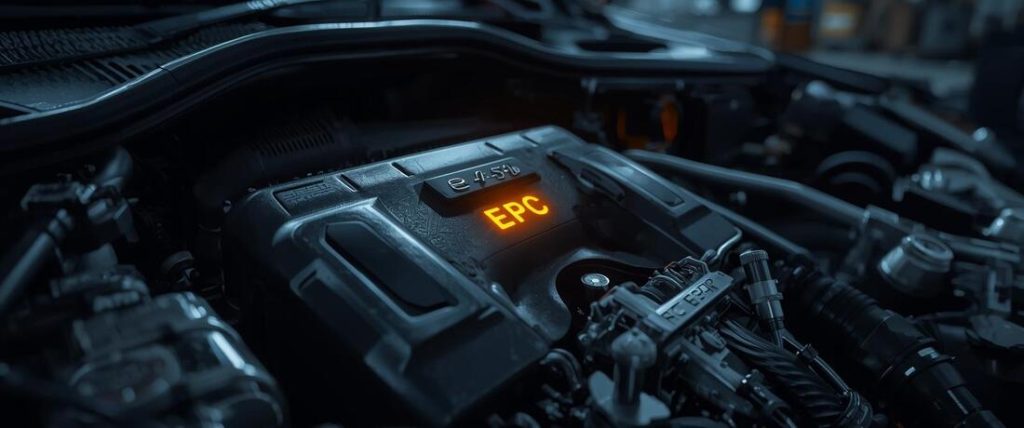
The EPC light stands for Electronic Power Control. It is a warning system used by VW and Audi. It monitors the throttle and the brakes. If the computer sees a problem, it turns on the light.
It also triggers “Limp Mode.” This is a safety feature. It limits the power of your engine. The car will not drive fast. This forces you to get it fixed. It prevents damage to the engine or transmission. VW and Audi use a “drive-by-wire” system. There is no cable from the pedal to the engine. The computer controls the throttle. If the computer gets bad data, it turns on the EPC light.
Top 5 Causes of an EPC Light
1. Faulty Brake Light Switch (Most Common)
A broken brake light switch is the number one cause. This is a very common issue in VWs. It happens a lot on the Jetta, Golf, and Passat. The switch is located near the brake pedal.
- The Problem: The switch tells the computer if you are pressing the brake. If it sticks, the computer gets confused. It might think you are braking and accelerating at the same time.
- The Fix: This is a cheap and easy DIY fix. The part usually costs less than $20. It just plugs in. You can fix it in a few minutes.
2. Throttle Body Issues
Dirt or carbon buildup often blocks the throttle body. The throttle body lets air into the engine. It has a butterfly valve that opens and closes. Over time, carbon builds up around the valve. It gets sticky and dirty.
- The Problem: The valve can get stuck. The electronic motor might also fail. If the valve does not move right, the engine cannot breathe. This triggers the EPC light.
- The Fix: Sometimes you can clean it. You can use throttle body cleaner and a rag. If the motor is broken, you need a new one. This can cost between $200 and $600.
If your car runs rough, read our guide on cleaning a throttle body for more help.
3. Bad Ignition Coils or Spark Plugs
Engine misfires will turn on the EPC light. The EPC system monitors the whole engine. If an ignition coil fails, the engine misfires. The car might shake. It might feel like it is stumbling.
- The Problem: A bad coil creates a weak spark. The fuel does not burn right. The computer sees this as a major problem. It shuts down power to protect the engine.
- The Fix: This is very common in turbocharged engines like the GTI. You should replace the bad coil. It is smart to replace all the coils at once. Spark plugs should be replaced too.
4. ABS or Wheel Speed Sensor Failure
A bad ABS sensor often triggers the EPC light too. The brakes and traction control work together. The EPC system controls traction control. If a wheel speed sensor fails, the ABS light comes on. Often, the EPC light follows it.
- The Problem: The car needs to know wheel speed to manage traction. If a sensor breaks, the system gets bad data. It disables traction control. It might also limit engine power.
- The Fix: A mechanic can scan the car to find which sensor is bad. The sensor is usually located in the wheel hub. It is a moderate repair cost.
For more help with warning lights, check out our article on ABS light problems.
5. Gas Pedal Sensor Failure
The sensor on your gas pedal might be faulty. This is called the Accelerator Pedal Position Sensor. It is located above your gas pedal. It tells the computer how hard you are pressing.
- The Problem: If the wiring breaks, the signal gets lost. The computer does not know you are pressing the gas. The car goes into limp mode. Sometimes the sensor just wears out. Other times, a wire comes loose.
- The Fix: The mechanic must check the wiring first. If the wiring is good, the sensor needs replacing. The part is usually not too expensive.
How to Diagnose the EPC Light
You must use an OBD2 scanner to read the error codes. Do not just guess what is wrong. A scanner tells you exactly what is wrong. It plugs in under the steering wheel.
You can buy a scanner at an auto parts store. You can also go to a store like AutoZone. They often scan codes for free. Look for codes that start with “P.”
- P0300: This is a random misfire.
- P0221: This is a throttle position sensor issue.
- P0571: This is a brake switch circuit issue.
Knowing the code saves you money. You will not buy parts you do not need.
You can learn more about these tools in our review of the best OBD2 scanners.
Is it Safe to Drive with the EPC Light On?
It is usually safe to drive slowly, but the car has limited power. The car activates “Limp Mode.” This prevents the engine from revving high. The car will not go faster than 30 or 40 mph.
You can usually drive home or to a shop. However, be careful. The car might not accelerate quickly. This is dangerous in traffic. If the car stalls or shakes a lot, stop driving. Pull over safely. Call a tow truck. Driving in limp mode for a long time can damage the catalytic converter.
FAQ About Causes of an EPC Light On
What is the most common cause of the EPC light in the VW?
The brake light switch is the most common cause. It is a small switch near the pedal. It fails often on VWs. It is cheap and easy to fix yourself.
What triggers the EPC light?
Any problem with the throttle or brakes triggers it. This includes bad sensors, dirty throttle bodies, or misfires. The computer sees a fault in the Electronic Power Control system.
How do you fix an EPC problem?
First, use a scanner to read the error code. If the code is for the brake switch, replace that switch. If the code is for a misfire, check the coils. Clean the throttle body if it is dirty. Replace any broken parts.
How much is it to fix an EPC light?
It depends on the cause. A brake switch costs about $20. A new throttle body can cost $500. Ignition coils cost about $50 each. Labor adds to the cost if you go to a shop.
Why did my EPC light go off by itself?
Sometimes the issue is temporary. A loose wire might reconnect. A glitch in the computer might clear. However, you should still scan the car. The problem will likely come back.
Verdict / Bottom Line
Start with the cheapest fix. The brake light switch is the most likely culprit. It is easy to test and replace. Always scan the car for codes before you buy parts. Do not guess. Throttle body issues are the most serious and expensive. If you are not sure how to fix it, see a professional. Ignoring the light can lead to more damage.
Quick Summary
- Check the codes: Use an OBD2 scanner first.
- Brake switch: This is the #1 cause on VWs.
- Throttle body: Clean it if it is dirty.
- Ignition coils: Replace them if the engine misfires.
- Limp mode: Drive slowly if this light is on.
- Safety: Fix the problem to avoid further damage.
- Cost: Repairs can range from $20 to $600.