
This article was updated in January 14, 2026 with new products and information by Mark S. Taylor
Seeing a red puddle under your car is a scary feeling. I know that panic all too well from my own experiences. It usually means trouble with your transmission. Ignoring it can cost you thousands of dollars. In this guide, I will walk you through the symptoms of automatic transmission fluid leaks. Let’s spot them early and save your wallet.
Contents
- 1 How to Identify Transmission Fluid Leaks
- 2 8 Common Causes of Automatic Transmission Fluid Leaks
- 3 Transmission Fluid Leak Severity Guide
- 4 DIY vs Professional Repair: When to Call a Mechanic
- 5 Preventing Transmission Fluid Leaks
- 6 Repair Cost Breakdown by Cause
- 7 FAQ About Symptoms of Automatic Transmission Fluid Leaks
- 8 Bottom Line: Don’t Ignore Transmission Fluid Leaks
How to Identify Transmission Fluid Leaks
What Does Transmission Fluid Look Like?
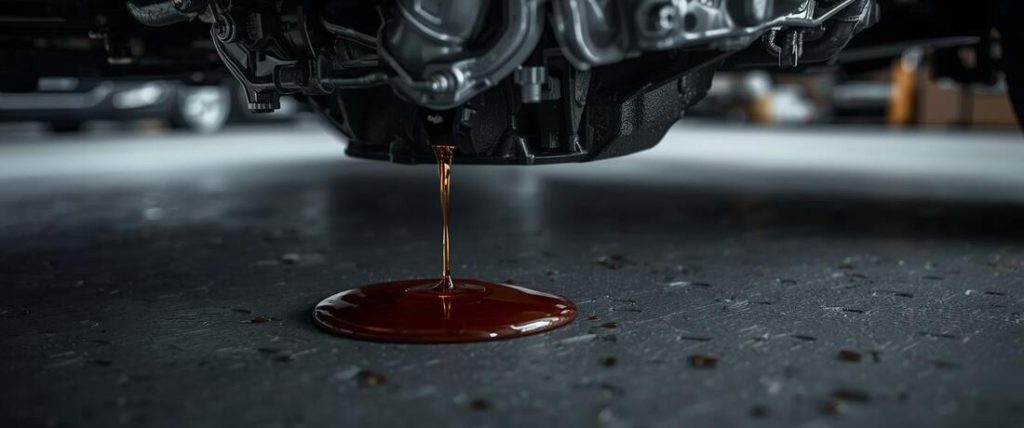
Transmission fluid is usually bright red or dark brown. It looks different from engine oil. It is thinner than oil but thicker than water. Fresh fluid is bright red like cherry Kool-Aid. Old fluid turns dark brown or black. It might smell sweet or burnt.
- Color: Bright red to dark brown.
- Consistency: Slippery and oily.
- Location: Usually the center of the car (RWD) or driver side (FWD).
Early Warning Signs
Look for red spots under your car after you park. This is the first clear sign. You might also notice the car acting strange. The gears might slip when you drive. The car might hesitate before moving. A burning smell is another clue. If the fluid gets low, the transmission gets hot. This creates a burning toast smell. You might also hear grinding noises. These signs mean you should check your fluid dipstick right away.
8 Common Causes of Automatic Transmission Fluid Leaks
1. Worn Transmission Pan Gasket
The gasket between the pan and transmission can wear out. This is the most common cause. The pan holds the fluid. A gasket seals the pan to the transmission body. Over time, this gasket gets brittle. Heat makes it crack. Old age dries it out. Fluid starts to seep out slowly. Eventually, it drips constantly. A loose pan can also cause this. If someone didn’t tighten the bolts right, it leaks.
- Repair cost: $150 – $400.
2. Damaged or Loose Drain Plug
The plug at the bottom of the pan might be leaking. Just like your oil pan, the transmission has a drain plug. Mechanics change the fluid here. Sometimes, they don’t tighten the plug enough. It can vibrate loose. Other times, they strip the threads. This makes the plug unable to seal. The O-ring inside the plug can also fail. This is a small rubber ring. If it gets hard or breaks, fluid leaks out.
- Repair cost: $50 – $150.
3. Cracked or Punctured Transmission Pan
Road debris can hit and crack the transmission pan. The pan hangs low under the car. You might hit a rock or a big piece of debris. If you jack up the car wrong, you can crush the pan. Metal pans bend. Plastic pans crack. This causes a sudden, large leak. You must inspect the pan closely. Look for dents or wet spots.
- Repair cost: $200 – $500.
4. Failed Torque Converter Seals
The seal around the torque converter can wear down. The torque converter connects the engine to the transmission. It sits at the front of the transmission. Fluid flows into it through a seal. This seal is made of rubber. It faces high heat and constant movement. Eventually, it wears out. Fluid leaks out the front of the transmission. This often drips onto the ground between the engine and transmission.
- Repair cost: $500 – $1,500.
5. Worn Input or Output Shaft Seals
Seals at the axles or driveshaft can start leaking. The transmission connects to the wheels or driveshaft. These points use seals to keep fluid in. On front-wheel cars, look at the axles. On rear-wheel cars, look at the driveshaft. These seals dry out and crack with age. High mileage makes this worse. You will see fluid dripping near where the axle enters the transmission.
- Repair cost: $200 – $600.
6. Damaged Transmission Cooler Lines
The metal or rubber lines that cool the fluid can fail. Transmission fluid gets hot. It needs to be cooled. Lines carry fluid to the radiator in the front of the car. These lines are made of steel or aluminum. They can rust. The rubber hoses can crack. Road debris can puncture them. A line leak often sprays fluid all over the place. This is very dangerous.
- Repair cost: $150 – $400.
7. Cracked Transmission Housing
The main metal case of the transmission can crack. This is the worst-case scenario. The housing is the main body of the transmission. It is very thick metal. But extreme impacts can break it. A bad accident can do it. Sometimes, rare casting defects cause cracks. If the case is cracked, fluid pours out. You usually cannot drive the car. This often requires a new transmission or a major rebuild.
- Repair cost: $1,800 – $3,500.
8. Overfilled Transmission
Putting too much fluid in can cause it to leak. Some people think more fluid is better. It is not. The fluid expands when it gets hot. If it is overfilled, the pressure builds up. The fluid has to go somewhere. It forces its way out of seals, vents, or the dipstick tube. Always check the fluid level properly. Follow the instructions in your manual.
- Repair cost: Free (Just drain to the correct level).
If you are unsure about checking your fluids, read our guide on basic car maintenance.
Transmission Fluid Leak Severity Guide
Some leaks are small, but others are emergencies. Use this table to know how fast to act.
| Cause | Severity | Can You Drive? | Urgency |
|---|---|---|---|
| Pan gasket | Moderate | Short distances | 1-2 weeks |
| Drain plug | Low | Yes (monitor) | 2-4 weeks |
| Cracked pan | High | No | Immediate |
| Torque converter seal | Moderate | Short distances | 1-2 weeks |
| Input/Output seal | Low/Moderate | Yes (monitor) | 1-2 weeks |
| Cooler lines | High | No | Immediate |
| Cracked housing | Severe | No | Immediate |
| Overfilled | Low | Yes | 1 week |
DIY vs Professional Repair: When to Call a Mechanic
You can fix simple leaks at home. But some jobs need a pro. You must know your limits. Transmission work is heavy and messy.
Repairs You Can Handle
Tightening a loose drain plug is easy. If you see a wet plug, try tightening it gently. Do not over-tighten. You can also change the fluid yourself. This fixes a leaking gasket. You just need a new gasket and a wrench. Checking the fluid level is also a DIY task.
Repairs That Need a Pro
Internal seals and torque converters are hard to reach. Replacing the input or output seals usually requires lifting the car out. You might need to pull the axle or driveshaft. Torque converter work is complex. It involves separating the transmission from the engine. A cracked housing needs a full rebuild. These jobs need a lift and special tools.
For complex repairs, it is best to find a trusted professional mechanic.
Preventing Transmission Fluid Leaks
Regular care stops leaks before they start. You should change your fluid on time. Check your owner’s manual. Some cars need changes every 30,000 miles. Others can go 100,000 miles.
- Change fluid: Old fluid breaks down gaskets.
- Check level: Check it once a month.
- Drive gently: Sudden stops and starts put pressure on seals.
- Fix leaks fast: A small leak turns into a big one.
Always use the correct fluid type. Using the wrong fluid can damage seals. Visit Castrol’s lubricant guide to find the right fluid for your car.
Repair Cost Breakdown by Cause
Repair costs vary a lot based on the part. This table shows what you might pay at a shop.
| Cause | Parts Cost | Labor Cost | Total Range | Time | Difficulty |
|---|---|---|---|---|---|
| Pan gasket | $20 – $50 | $130 – $350 | $150 – $400 | 1-2 hours | Medium |
| Drain plug | $5 – $15 | $45 – $135 | $50 – $150 | 0.5 hours | Low |
| Cracked pan | $100 – $250 | $100 – $250 | $200 – $500 | 2 hours | Medium |
| Torque converter | $150 – $400 | $350 – $1,100 | $500 – $1,500 | 4-6 hours | High |
| Input/Output seal | $10 – $30 | $190 – $570 | $200 – $600 | 3-4 hours | High |
| Cooler lines | $30 – $100 | $120 – $300 | $150 – $400 | 1-2 hours | Medium |
| Cracked housing | $1,000 – $2,000 | $800 – $1,500 | $1,800 – $3,500 | 10+ hours | Very High |
| Overfilled | $0 | $0 (DIY) | $0 | 0.5 hours | Low |
FAQ About Symptoms of Automatic Transmission Fluid Leaks
What is the most common cause of transmission fluid leak?
The pan gasket is the most common cause. It sits under the car and takes a lot of heat. The rubber or cork wears out over time.
Are transmission leaks expensive to fix?
It depends on the cause. A drain plug or gasket is cheap. A torque converter or cracked housing is very expensive.
Can you still drive with a transmission leak?
You can drive a short distance. However, the fluid level will drop. Low fluid burns up the transmission. Do not drive far.
Where is the most common place for a transmission to leak?
The most common spot is the transmission pan. It is the lowest point on the unit. Fluid tends to drip from there first.
Can a transmission leak cause a fire?
Yes, it can. If fluid leaks onto the hot exhaust pipe, it can catch fire. This is why you should fix leaks quickly.
Bottom Line: Don’t Ignore Transmission Fluid Leaks
Fixing a leak early saves you thousands of dollars. We have covered 8 causes, from simple to severe. If you see a puddle, check it right away. Check your fluid level. If it is low, top it up. Then, seek a diagnosis. A $150 gasket repair is much better than a $3,000 replacement. Address leaks within 1-2 weeks. Your car will thank you.
Quick Summary
- Identify fluid: Transmission fluid is red or brown.
- Check pan: The pan gasket is the most common leak.
- Act fast: Small leaks turn into big problems.
- Watch costs: Repairs range from $50 to over $3,000.
- DIY some: You can fix drain plugs and gaskets.
- Pro others: Seals and converters need a shop.
- Prevent: Change fluid regularly and check levels.