
This article was updated in June 8, 2026 with new products and information by Mark S. Taylor
Your cylinder head temperature gauge measures the heat at the most stressed part of your engine — right where combustion happens. When that number climbs too high, you’re getting a warning your coolant temperature gauge can’t give you.
Here’s what the gauge means, what normal looks like, and exactly what to do when the numbers get ugly.
Contents
- 1 What Is a Cylinder Head Temperature Gauge?
- 2 CHT Gauge vs. Coolant Temperature Gauge: Not the Same Thing
- 3 Which Vehicles Have a CHT Gauge?
- 4 Normal Cylinder Head Temperature Ranges
- 5 Why Is Your CHT Reading High? Common Causes
- 6 How to Diagnose a High CHT Reading
- 7 Can You Drive with a High CHT Reading?
- 8 Repair Cost Breakdown
- 9 DIY vs. Mechanic Decision Guide
- 10 FAQs About Cylinder Head Temperature Gauge
- 11 The Bottom Line
What Is a Cylinder Head Temperature Gauge?
The cylinder head sits on top of your engine block and forms the roof of each combustion chamber. Every time a fuel-air mixture ignites, that explosion sends a shockwave of heat directly into the head. The cylinder head temperature (CHT) gauge measures that heat, typically using a thermocouple or resistance-based sensor mounted near the spark plug or pressed against the head surface.
Unlike the coolant temperature gauge on most dashboards, the CHT gauge reads the metal temperature directly — not the temperature of the fluid surrounding it. That difference matters more than most drivers realize.
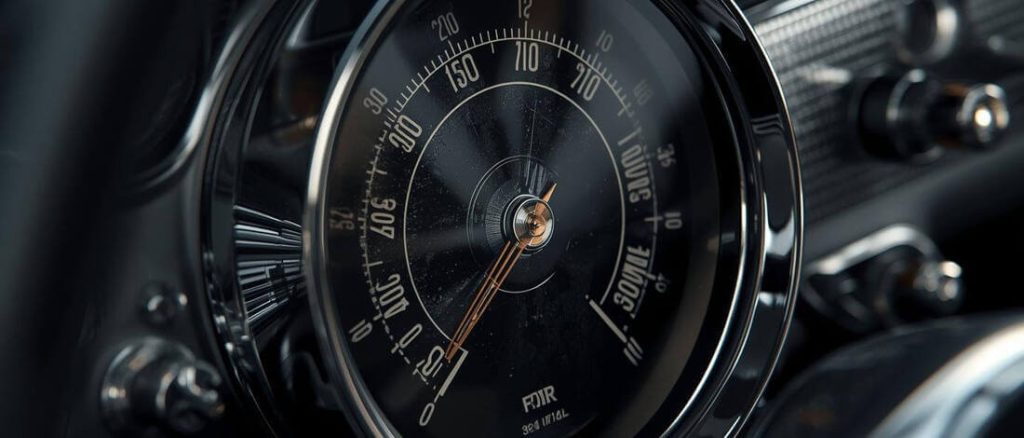
The gauge itself is a simple readout, usually in degrees Fahrenheit or Celsius, with a needle or digital display. On aircraft and older air-cooled vehicles, it’s been standard equipment for decades. On modern cars, it shows up in performance builds, aftermarket setups, and occasionally as OBD-II data accessible through a scan tool.

CHT Gauge vs. Coolant Temperature Gauge: Not the Same Thing
Most drivers assume their coolant temp gauge covers everything. It doesn’t.
| Feature | CHT Gauge | Coolant Temp Gauge |
|---|---|---|
| What it measures | Metal temp at the head | Temperature of engine coolant |
| Response speed | Fast — reacts almost instantly | Slow — fluid takes time to change |
| Vehicle type | Air-cooled, performance, aircraft | Nearly all water-cooled vehicles |
| What it can miss | Cooling system failure | Individual cylinder overheating |
| Early warning ability | High | Moderate |
The coolant temp gauge can read perfectly normal while one cylinder head is dangerously hot. A coolant blockage in a single passage, a lean fuel mixture in one cylinder, or a failing injector can cook one head while the overall coolant temperature stays unremarkable. The CHT gauge catches it. The coolant gauge doesn’t.
If you’re driving on the highway and you notice the coolant temp gauge is fine but your CHT gauge is creeping into the red — that’s not a false alarm. That’s the early warning system doing its job.
Which Vehicles Have a CHT Gauge?
CHT gauges are standard on some vehicles and completely absent on others. Here’s where you’ll find them:
- Air-cooled engines — Volkswagen Beetles, old Porsche 911s, and most air-cooled motorcycles rely on CHT gauges because there’s no coolant to monitor. The head temperature is the primary thermal indicator.
- Piston aircraft — Lycoming and Continental aircraft engines have always used CHT as a critical instrument. Aviation has treated it as non-negotiable since the 1940s.
- Performance and modified cars — Turbocharged builds, track cars, and engines running custom tunes commonly add CHT gauges as part of a broader data setup.
- Modern fuel-injected cars — Most have a CHT sensor feeding the ECU, but the data never reaches a gauge. A scan tool or OBD-II reader can pull it. The average driver never sees it.
If you drive a standard water-cooled car from the last 20 years, you probably don’t have a CHT gauge on your dashboard. If you own an older air-cooled vehicle, a motorcycle, or a modified performance car, you might.

Normal Cylinder Head Temperature Ranges
This is what the numbers mean, broken down by vehicle type.
| Vehicle Type | Normal Range | Watch Zone | Danger Zone |
|---|---|---|---|
| Air-cooled car (VW, Porsche) | 250–375°F | 375–435°F | Above 435°F |
| Air-cooled motorcycle | 200–350°F | 350–400°F | Above 400°F |
| Aircraft (Lycoming/Continental) | 300–400°F | 400–435°F | Above 435–460°F |
| Water-cooled car (aftermarket CHT) | 180–230°F | 230–260°F | Above 260°F |
These ranges are general guidelines. Your specific engine’s manual or manufacturer specs should always be the final word.
One thing most people get wrong: air-cooled engines are supposed to run hot. A reading of 350°F on a VW Beetle engine is completely normal. That same number on a water-cooled Honda engine would be a serious emergency. Context is everything.
Why Is Your CHT Reading High? Common Causes
The first thing I check when a customer brings in a vehicle with a high CHT complaint is the fuel mixture. Nine times out of ten on carbureted and older air-cooled engines, that’s where the answer is.
Here are the most common culprits:
- Lean fuel mixture — Too little fuel relative to air means the mixture burns hotter and longer. This is the most common cause of high CHT on carbureted engines, air-cooled bikes, and aircraft. A carburetor running lean will push CHT readings well above normal before any other symptom appears.
- Cooling fin obstruction (air-cooled engines) — If road debris, oil buildup, or aftermarket accessories are blocking cooling fins, heat can’t escape. Even moderate obstruction can raise head temps dramatically at highway speeds.
- Coolant system failure (water-cooled engines) — A failing water pump, clogged radiator, or low coolant level reduces heat transfer from the head. The CHT climbs while the coolant temp may lag behind.
- Detonation or pre-ignition — Abnormal combustion events generate significantly more heat than normal combustion. If your engine is pinging or knocking, that heat goes straight into the head.
- Faulty CHT sensor or gauge — The sensor itself can fail. An open circuit reads abnormally high; a short reads low. Before panicking, verify the reading with a second source. A scan tool can cross-reference ECU data.
- Timing too far advanced — Over-advanced ignition timing forces the combustion event to occur before the piston reaches the optimal position, generating more heat with less mechanical output.
- Low oil level — Oil does a significant portion of the cooling work in air-cooled engines. Low oil means the head runs hotter. On a Harley-Davidson or old Porsche, this matters more than most owners expect.

How to Diagnose a High CHT Reading
Don’t start throwing parts at it. Run through this diagnostic sequence first.
- Check for a faulty sensor. Pull any diagnostic trouble codes with an OBD-II reader. A P0197 (low) or P0198 (high) CHT sensor code points directly at the sensor, not the engine. Compare the CHT reading to coolant temp at startup — if they’re wildly different from the first cold crank, the sensor is suspect.
- Inspect cooling fins (air-cooled engines). Look for blockages, oil coating, or bent fins that reduce airflow. This takes two minutes and costs nothing.
- Check coolant level and condition (water-cooled engines). Low coolant is obvious. Milky or oily coolant points to a head gasket leak — combustion gases are mixing with coolant, reducing its heat-absorbing capacity.
- Read the spark plugs. Pull the plug from the affected cylinder. A white or light gray plug tip means a lean condition. Black and sooty means rich. Melted or blistered electrodes mean the head has been seriously overheated. This step tells you more about what’s happening inside than most scan tools will.
- Check fuel mixture. On carbureted engines, verify jet sizing and needle position. On fuel-injected engines, look at short-term and long-term fuel trims on a scan tool. A consistently positive trim means the engine is compensating for a lean condition.
- Test at operating temperature. Log CHT readings under load — not just at idle. Many issues only appear when the engine is working hard. If the gauge spikes only at full throttle or during extended highway driving, load-related causes (lean mixture, timing, cooling capacity) are more likely.
Can You Drive with a High CHT Reading?
Short answer: no, not if the gauge is in the danger zone.
A cylinder head running over its limit isn’t just an inconvenience. Aluminum cylinder heads — which covers most vehicles built after 1990 — warp at lower temperatures than cast iron heads. Once an aluminum head warps, the head gasket seal is compromised. You’re now looking at coolant mixing with oil, combustion gases entering the cooling system, and eventually a full head gasket failure.
The damage doesn’t announce itself clearly. You might drive another 50 miles before anything obvious happens — but the damage is already done.
If your CHT gauge hits the danger zone:
- Reduce engine load immediately (get off the throttle)
- Pull over when safe and let the engine cool before shutting it down (especially turbo engines)
- Don’t restart until you’ve identified a cause
- Have it inspected before the next drive
A brief spike during a hard pull on a hot day is different from a sustained high reading. A sustained reading means something is wrong.
Repair Cost Breakdown
| Repair | DIY Cost | Shop Cost |
|---|---|---|
| CHT sensor replacement | $15–$80 (part only) | $80–$200 (labor + part) |
| Thermocouple replacement (aircraft/vintage) | $20–$120 | $150–$400 |
| Carburetor rejetting (lean mixture fix) | $10–$40 | $100–$250 |
| Cooling fin cleaning/repair | $0–$30 | $60–$150 |
| Head gasket replacement | $200–$600 (parts) | $1,200–$2,500 |
| Cylinder head resurfacing | Not DIY | $200–$500 additional |
| Full cylinder head replacement | $300–$900 (part) | $1,500–$4,000+ |
The cost range is enormous because the sensor itself is cheap. The damage a high CHT reading causes — if ignored — is not. A $40 sensor replacement versus a $3,000 head job is the difference between catching a problem early and ignoring the gauge.

DIY vs. Mechanic Decision Guide
Replace it yourself if:
- The OBD-II code points directly to the CHT sensor
- You’re comfortable using a socket set and basic hand tools
- The sensor is accessible without removing major components
- No other symptoms are present (no rough idle, no coolant loss, no smoke)
Take it to a mechanic if:
- The reading is high and you can’t identify a cause after basic inspection
- You see milky oil, white exhaust smoke, or coolant loss
- The spark plug from the hot cylinder shows melted electrodes or blistering
- Multiple symptoms are present at once
Head work is not a beginner job. If the diagnosis goes beyond sensor replacement or carburetor adjustment, don’t try to save $200 on labor by doing it yourself and risk $2,000 in additional damage.
Prevention Tips
- Keep cooling fins clean on air-cooled engines. A compressed air blast every season takes five minutes.
- Check coolant level monthly. On water-cooled engines, low coolant is the fastest path to head damage.
- Change oil on schedule. On air-cooled engines especially, oil does thermal work that coolant does on water-cooled engines. Old, degraded oil can’t keep up.
- Don’t ignore detonation. Pinging or knocking under load means the combustion event is abnormal. Fix it before it damages the head.
- Verify fuel mixture after any carburetor work. A rejetting, altitude change, or airflow modification can push a mixture lean without obvious symptoms — except on the CHT gauge.
- Log CHT data on modified engines. If you’re running a tune, adding boost, or changing the air intake, install a CHT gauge or pull scan tool data regularly. You want to see trends before they become emergencies.
FAQs About Cylinder Head Temperature Gauge
What is a normal cylinder head temperature for a car?
On water-cooled cars with an aftermarket CHT gauge, normal operating temperature typically falls between 180–230°F (82–110°C). Readings above 260°F (127°C) are a warning sign. On air-cooled engines, normal ranges are much higher — 250–375°F is typical and expected.
How is a cylinder head temperature gauge different from a coolant temperature gauge?
A coolant temperature gauge measures the fluid flowing around your engine. A CHT gauge measures the actual metal temperature at the combustion chamber. The coolant gauge responds slowly and can miss localized overheating in a single cylinder. The CHT gauge responds faster and reads what the coolant gauge can’t see.
What causes a cylinder head temperature gauge to read high?
The most common causes are a lean fuel mixture, blocked cooling fins (air-cooled engines), coolant system failure (water-cooled engines), detonation, over-advanced ignition timing, or a faulty CHT sensor. A mechanic diagnosis should rule out a sensor fault before assuming the engine is actually overheating.
Can a bad CHT sensor damage your engine?
No — a bad sensor gives you a false reading but doesn’t cause damage on its own. The risk is that a falsely high reading might cause unnecessary alarm, or a falsely low reading might mask actual overheating. If you suspect the sensor is failing, cross-check the reading against coolant temperature and look for other symptoms before drawing conclusions.
How long does a CHT sensor last?
Most CHT sensors last 80,000–150,000 miles under normal conditions. Exposure to extreme heat cycles, oil contamination, or physical vibration can shorten that lifespan significantly on air-cooled and performance engines. If yours is original on a high-mileage vehicle, replacement is cheap insurance.
The Bottom Line
A cylinder head temperature gauge is one of the most direct windows into what your engine is actually experiencing. It catches what the coolant temperature gauge misses, responds faster, and gives you a warning before the damage is done.
If your reading is in the normal range, keep doing what you’re doing. If it’s climbing into the warning zone, start the diagnostic process — lean mixture, cooling obstruction, and a faulty sensor are the most likely explanations. If it’s in the danger zone, stop driving and find the cause before the next trip.
A $40 sensor. A $60 carburetor jet kit. A simple cooling fin cleaning. Those are the cheap versions of this story. The expensive version starts when you keep driving anyway.