
This article was updated in January 8, 2026 with new products and information by Mark S. Taylor
BANG! That loud noise wasn’t a firework; it was your car. Hearing a gunshot-like sound coming from your vehicle is scary, but it is also a clear cry for help from your engine. If you are searching for reasons your car is backfiring, you likely have unburned fuel igniting in the wrong place. In this guide, I will explain why this happens, how to find the specific cause, and exactly what repairs you need to stop the noise and save your engine.
Contents
What Is Engine Backfiring?
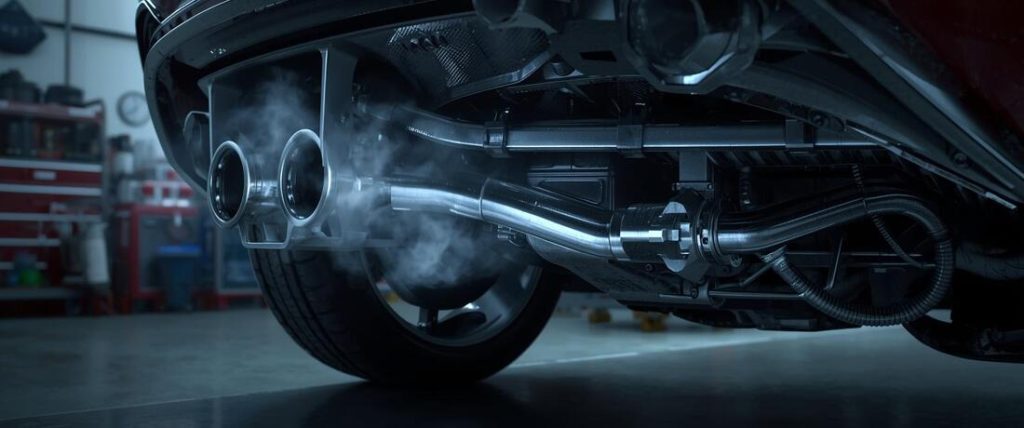
Backfiring happens when fuel ignites outside the engine cylinders, usually in the intake or exhaust system.
To run smoothly, your car needs a perfect mix of air and fuel burning at the exact right moment. When this process gets messy, unburned gas escapes the engine block. If it ignites in the hot exhaust pipe, you get a loud “bang” out the tailpipe (often called an “afterfire”). If it ignites early in the air intake, you might hear a “pop” from under the hood. While seeing flames shoot from a tailpipe looks cool in movies, in real life, it means something is broken.

Common Sounds and What They Mean
The specific sound of a backfire can tell you where the problem is located.
- Loud Pop or Bang: A sharp, gunshot-like noise usually comes from the tailpipe. This means raw fuel is exploding in the exhaust system.
- Crackling or Popping: A series of smaller pops often points to a lean fuel mixture (too much air).
- Whooshing Pop: A softer pop coming from the front of the car suggests an intake backfire.
- Associated Symptoms: You will rarely just hear a noise. You will likely feel the car lose power, shake, or struggle to accelerate.
Top Reasons Your Car Is Backfiring
The most common causes are a bad air-fuel mixture, timing issues, or faulty spark plugs.
1. Rich Fuel Mixture (Too Much Fuel)
A “rich” engine is injecting more gasoline than it can burn. Because there is no room for all that gas to burn inside the cylinder, the leftovers flow into the hot exhaust pipe. Once there, the heat ignites it—BANG. This is often caused by leaking fuel injectors or a clogged air filter. If you smell rotten eggs, check our guide on the causes of an engine running rich for a deep dive.
- Fix: Clean injectors or replace the air filter.
2. Lean Fuel Mixture (Too Little Fuel)
A “lean” mixture has too much air and not enough gas. This weak mixture burns very slowly. Sometimes, it is still burning when the exhaust valves open to let smoke out. This allows the flame to spread into the exhaust manifold.
- Fix: Replace a clogged fuel filter or fix vacuum leaks.
3. Incorrect Ignition Timing
Timing is everything in an engine. If the spark plug fires too early, it ignites the fuel while the intake valve is still open (causing a pop under the hood). If it fires too late, the fuel is still burning as it exits the engine. On modern cars, sensors control this. On older cars, the timing belt might have slipped.
- Fix: Professional timing adjustment or timing belt replacement.
4. Faulty Spark Plugs or Ignition System
Old or dirty spark plugs often fail to ignite the fuel. If a plug misses a beat (misfire), that unburned gas gets pushed into the exhaust system where it explodes later. This is a very common issue on high-mileage cars.
- Fix: Replace spark plugs ($50-$150) or ignition coils.
5. Bad Spark Plug Wires or Distributor Issues (Older Cars)
If your car was built before 1996, it likely uses a distributor and plug wires. If these wires get crossed or the distributor cap cracks, the spark gets sent to the wrong cylinder at the wrong time. This guarantees a backfire.
- Fix: Replace plug wires and distributor cap ($50-$100).
6. Exhaust System Leaks
A hole in your exhaust pipe can suck in fresh air. This fresh oxygen mixes with unburned fuel in the hot pipe and creates a mini-explosion. You will usually hear a ticking or hissing sound along with the backfire.
- Fix: Repair exhaust gaskets or weld the pipe ($150-$400).
7. Failed Oxygen (O2) Sensors
Your O2 sensors tell the computer how much fuel to add. If a sensor fails, it might tell the computer the engine is “lean,” causing the computer to dump extra fuel that causes backfiring.
- Fix: Replace the faulty O2 sensor ($150-$400).
8. Malfunctioning Mass Airflow (MAF) Sensor
The MAF sensor measures the air coming into the engine. If it is dirty, it sends bad data, leading to a rich or lean condition.
- Fix: Clean the MAF sensor ($10) or replace it ($150+).
9. Vacuum Leaks
A cracked hose can let “unmeasured” air into the engine. This confuses the computer and creates a lean condition that causes popping sounds.
- Fix: Replace old, brittle vacuum hoses ($20-$100).
10. Worn or Damaged Engine Valves
This is a serious mechanical failure. If an intake or exhaust valve is cracked or bent, it cannot seal the combustion chamber. The explosion inside the cylinder escapes immediately into the exhaust or intake.
- Fix: Engine valve job ($1,000+).
11. Carburetor Problems (Older Vehicles)
Classic cars rely on carburetors to mix fuel and air. If the carburetor is dirty or poorly adjusted, the mixture will be wrong, leading to constant backfiring.
- Fix: Carburetor rebuild or tuning ($300-$800).
12. Clogged or Dirty Air Filter
A dirty filter chokes the engine. It reduces air flow, which makes the fuel mixture too rich. It is a simple problem with a simple fix.
- Fix: Replace the air filter ($15-$50).
How to Diagnose What’s Causing Your Backfire
Start by checking for engine codes and listening to where the sound comes from.
Check for Check Engine Light
Plug in an OBD2 scanner. You are looking for codes like P0171 (Lean), P0172 (Rich), or misfire codes like P0300. If your scanner shows no codes yet, read about what 0 DTC means to find pending issues.
Listen to When and Where the Backfire Occurs
- Under the Hood: Usually an intake issue (timing or lean mixture).
- Tailpipe: Usually an exhaust issue (rich mixture or leak).
- On Deceleration: often an exhaust leak or rich mixture.
Visual Inspection Checklist
Pop the hood and look for the basics.
- Is the air filter black and clogged?
- Are there any loose or hissing hoses?
- Do you see soot marks on the exhaust pipes?
- Do you smell raw gas?
Basic DIY Tests
Listen for a hissing sound while the engine idles; this points to a vacuum leak. Also, have a friend rev the engine slightly while you stand safely to the side of the tailpipe to check for black smoke.
Professional Diagnostic Tools
Mechanics use fuel pressure gauges and oscilloscopes to see what is happening inside the engine in real-time. If DIY checks fail, these tools are necessary.
Is It Safe to Drive a Car That’s Backfiring?
No, you should only drive a backfiring car to the nearest mechanic.
When to Stop Driving Immediately
If you see flames, smell a strong gas odor, or feel severe shaking, stop. You risk catching the car on fire or destroying your engine completely.
When You Can Drive Carefully to a Mechanic
If the backfire is just a mild “pop” now and then, and the car drives mostly fine, you can drive short distances. Keep your speed low and be gentle on the gas pedal.
Potential Damage From Ignoring Backfiring
The biggest victim is the catalytic converter. The explosions in the exhaust melt the insides of this expensive part. A $100 spark plug repair can turn into a $2,000 converter replacement if you wait too long. For more on electrical safety that can prevent fires, check our guide on how to find a short circuit.
How to Fix a Backfiring Car
Many backfire causes can be fixed with simple tune-up parts like spark plugs.
DIY Fixes You Can Try
- Replace the Air Filter: The easiest $20 fix.
- Change Spark Plugs: A standard tune-up often solves the issue.
- Use Fuel Injector Cleaner: Pour a bottle into your gas tank to help clean minor clogs.
- Check Vacuum Lines: Reconnect any loose hoses.
Repairs Best Left to Professionals
If the problem is timing, internal valves, or a failed catalytic converter, see a pro. These require specialized tools and deep engine access.
Typical Repair Costs
- Spark Plugs: $50 – $150
- Ignition Coils: $100 – $300 each
- O2 Sensor: $150 – $400
- Timing Belt: $400 – $1,500
- Valve Job: $1,000 – $2,500
How to Prevent Your Car From Backfiring
Routine maintenance is the best way to stop backfiring before it starts.
Regular Maintenance Schedule
Follow your owner’s manual. Change spark plugs every 30,000 to 100,000 miles depending on the type (copper vs. iridium). Change air filters every 15,000 miles.
Watch for Early Warning Signs
Don’t ignore a rough idle or a drop in gas mileage. These are the precursors to backfiring. If your “Check Engine” light blinks, it means a severe misfire is happening right now.
Quality Parts Matter
Cheap spark plugs or generic sensors often fail quickly. Stick to OEM (Original Equipment Manufacturer) parts or high-quality brands like NGK, Denso, or Bosch.
Modern Cars vs Older Cars: Backfiring Differences
Modern cars backfire much less often than carbureted classics.
Cars built before 1990 relied on carburetors and mechanical distributors. These parts drifted out of tune easily, making backfiring common. Modern cars use computers and fuel injection to adjust the mixture thousands of times per second. If a modern car backfires, it usually means a sensor has failed completely or a part is physically broken.
FAQ About Reasons Your Car Is Backfiring
What is the most common cause of backfire?
A poor air-fuel mixture is the most common cause. This is usually due to a bad fuel pump, leaky injectors, or a vacuum leak.
Can a backfire damage an engine?
Yes. It puts extreme stress on engine seals and valves. It can also melt the catalytic converter and blow holes in the exhaust system.
What should I do if my car backfires?
Reduce your speed immediately. If the car is shaking or smelling of gas, pull over and call a tow truck to avoid fire risks.
Why does a car backfiring sound like gunshots?
The sound is literally a small explosion of fuel happening inside a metal pipe (your exhaust), which amplifies the noise like a gun barrel.
Is backfiring the same as misfiring?
They are related but different. A misfire is when the fuel fails to burn in the engine. A backfire is when that unburned fuel explodes somewhere else later.
The Bottom Line
Backfiring means unburned fuel is igniting at the wrong time or place.
It is loud, scary, and dangerous for your engine. The most common culprits are:
- Bad Spark Plugs (Ignition failure)
- Rich/Lean Mixture (Fuel system failure)
- Exhaust Leaks (Fresh air entering pipe)
Don’t turn up the radio to ignore the noise. Check your air filter, scan for codes, and inspect your spark plugs today. Catching it early saves you from a massive repair bill later.