
This article was updated in January 3, 2026 with new products and information by Mark S. Taylor
A bad lifter makes a fast, rhythmic ticking sound that matches engine speed. It can cause misfires, power loss, and eventually severe engine damage.
Do you hear a loud “tick-tick-tick” from your engine? That is a scary sound. I have been a mechanic for years, and I know that sound well. It is likely a bad valve lifter. This small part can cause big headaches. If you ignore it, a $500 repair can turn into a $5,000 engine rebuild. This guide will teach you the Symptoms of a Bad Lifter, how to test it yourself, and what it costs to fix. Let’s save your engine.
Contents
What Is a Valve Lifter?
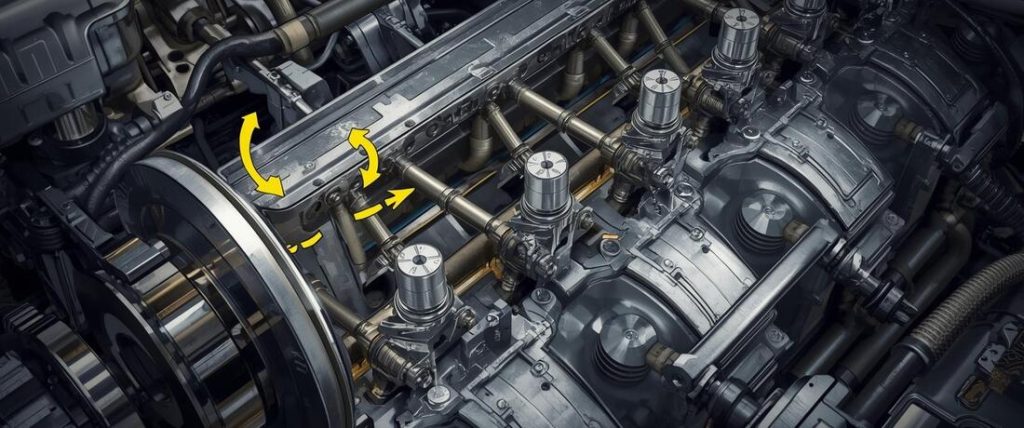
A valve lifter is a small part in your engine. It’s a small cylinder. It moves up and down. Its job is to open and close the engine’s valves. Think of it like a tiny helper. It makes sure air gets in and out. Most new cars have oil-filled lifters. These use oil to work right. They stay quiet this way. When one goes bad, it can’t do its job. Then you hear the noise.
7 Signs of a Bad Lifter
I can spot a bad lifter from across a shop. It has clear signs. Let’s look at them. Knowing these signs can save your engine.
1. A Ticking or Tapping Noise (The Big One)
The main sign is a tick or tap sound. It comes from the top of your motor. It goes faster when you press the gas. It goes slower when you let off. It sounds like a fast clock. Or a sewing machine. It’s often loud when you first start the car. It might get a bit quiet when the car warms up. This sound is not the same as a deep knock. A deep knock is a much worse problem.
2. The Engine Misses
A bad lifter can make your engine miss. This means a cylinder is not firing right. The lifter can’t open the valve. This messes up the air and fuel mix. You will feel your car stumble. It might jerk when you speed up. Your check engine light may blink. This is a clear sign something is wrong.
3. A Rough Idle
A bad lifter can make your car shake at a stop. The engine will feel rough. You might see the RPM needle jump. In bad cases, the car might stall. This happens because the engine is not running smooth. The shake gets worse as the lifter gets worse.
4. Less Power
Your car will feel slow. It won’t speed up like it used to. It might struggle to go up a hill. This is because the valves are not opening right. Less air means less power. It will feel like you’re towing something even when you’re not.
5. The Check Engine Light Is On
A bad lifter will often turn on your check engine light. It will show a miss fire code. The code will be P0300 or P0301, and so on. This code tells you which cylinder is bad. You need a tool to read the code. This tool is called an OBD-II scanner. It’s a sure way to confirm the problem.
6. You Use More Gas
A bad lifter can make you use more gas. You might lose 2 to 5 miles per gallon. This is because the fuel is not burning well. It’s being wasted. You will notice this most on the road. As the problem gets worse, you’ll spend more on gas.
7. Smoke From the Tailpipe
This is not a common sign. But it can happen in bad cases. You might see blue smoke. This means the engine is burning oil. You might see white smoke. This can mean coolant is getting in. If you see smoke, stop driving. Check your oil and coolant now.
What Makes Lifters Go Bad?
The top cause is old or low oil. Dirty oil is the worst. It can clog the tiny parts in the lifter. Lifters also just wear out after a long time. This is usually after 100,000 miles. Not changing your oil makes this happen fast. Using the wrong oil is bad too. The lifters need the right kind of oil to work. Some GM trucks had bad lifters from the start. Getting the engine too hot can also hurt them.
Good engine care is the best way to stop this.
How to Find a Bad Lifter
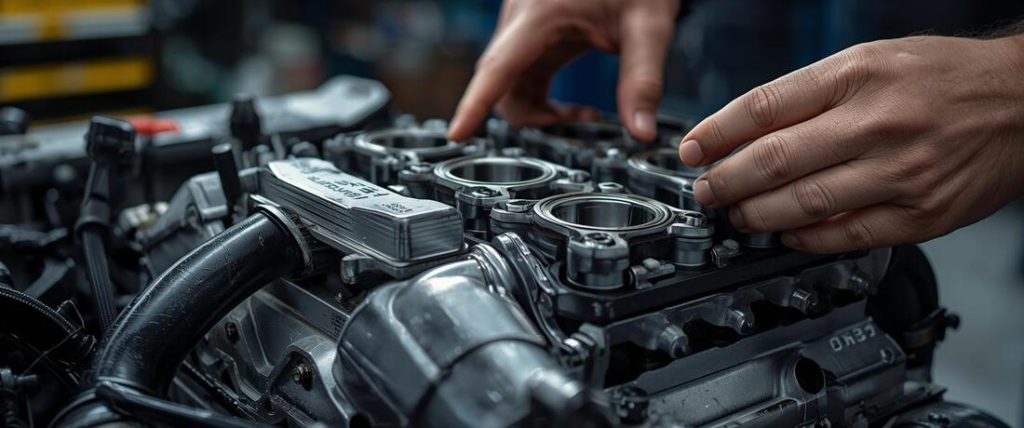
You can find a bad lifter with a few steps. This will help you know for sure what is wrong.
Step 1 – Just Listen
Start the car when it is cold. Listen near the top of the engine. A tick that follows the RPM is a lifter. A deep knock from down low is a rod bearing. That is much more bad. The sound is your first big clue.
Step 2 – Check Your Oil
Pull the oil dipstick. First, see if the oil level is low. Low oil is a common cause of lifter noise. Look at the oil color. It should be light brown. Not black and thick. Check for tiny metal bits. This means parts are wearing out.
Step 3 – Let It Get Warm
Let the car run until it’s warm. See if the noise gets more quiet. Lifter tick often gets better when warm. If the noise gets louder, it might be something else. This is a simple test that helps a lot.
Step 4 – Find the Spot
You can use a tool to hear better. It’s called a mechanic’s stethoscope. Put it on each valve cover. This will help you find the noisy lifter. You can also use a long screwdriver. Put one end on the engine and the other on your ear. Be careful of moving parts. Finding the spot tells you if one or many are bad.
Step 5 – Check for Miss Fires
Use an OBD-II scanner to check for codes. Look for codes P0300 to P0308. See if the code matches the noisy spot. This proves a lifter is the problem. It also shows if you have more than one bad lifter.
Step 6 – Test Oil Push
Low oil push can make lifters tick. You can test this with a gauge. Normal push is 20-30 PSI at idle. At 2000 RPM, it should be 50-60 PSI. Low push might mean your oil pump is bad. This test makes sure the lifter is the only problem.
Lifter Noise vs Other Noises
It’s key to know the difference in sounds. This table helps you know what you hear.
| Sound Type | Where It’s From | How It Acts | When It’s Loud |
|---|---|---|---|
| Lifter Tick | Top of motor | Follows RPM | Cold start |
| Rod Knock | Bottom of motor | Follows RPM | When you give gas |
| Piston Slap | Middle of motor | Goes away warm | Cold only |
| Exhaust Leak | Side of motor | Always the same | All the time |
Knowing these sounds helps you talk to your mechanic. It stops you from paying for the wrong fix. For more on car sounds, see our guide.
Can You Drive With a Bad Lifter?
Yes, you can drive a little bit. But I do not tell people to do it. Keep it to a short trip. Maybe 100 miles at most. Do not drive fast. Do not press the gas hard. You risk hurting other parts. This can make the fix cost much more. It could go from $500 to over $2000. Stop driving right away if you hear a metal grind. Or if the car has no power. Or if it gets too hot. Or if the oil light comes on. Driving then can wreck the whole motor.
What It Costs to Fix a Bad Lifter
The cost to fix a lifter can change a lot. Here is what you might pay.
Parts Cost
- One lifter: $10-$50
- A full set: $100-$500
- A camshaft: $200-$600 (if it’s hurt)
- Pushrods: $50-$200 (if they are bent)
- Gaskets: $50-$150
- Oil and filter: $40-$80
Work Cost
- Time to fix: 4-8 hours
- Work rate: $80-$150 per hour
- Total work cost: $320-$1,200
- More time if heads come off: Add 4-6 hours
Total Fix Cost
- One lifter: $500-$800
- Many lifters: $800-$1,500
- With a bad camshaft: $1,500-$3,000
- Full motor fix: $2,000-$5,000
- A dealer costs more: 30-50% more
The cost can get high fast. That’s why finding it early is so key. For more on fix costs, look at our guide.
How to Fix a Bad Lifter
You can fix a bad lifter in a few ways. From easy to hard.
Try the Easy Fix First
New oil and a flush: $60-$100 Sometimes new oil is all you need. A flush can clean out gunk. This can free a stuck lifter. Use good oil when you do this. It might fix a small problem.
Oil additives: $15-$30 You can add a special oil cleaner. Things like Sea Foam work well. They can clean the lifter from the inside. But this is often just a short-term fix.
The Pro Fix
A pro will do this:
- Take off the valve cover.
- Take off the intake part (on some cars).
- Take off the rocker arms and pushrods.
- Pull out the old lifters.
- Look at the camshaft for wear.
- Put in the new lifters.
- Put in new pushrods if they are bent.
- Put it all back with new gaskets.
- Fill it with new oil.
This usually takes a shop 1-2 days.
DIY or Pro?
I do not suggest most people do this job. It is hard work. You need special tools. If you do it wrong, you can hurt the motor more. I have seen many DIY jobs go bad. Leave this to a pro unless you really know what you are doing.
How to Stop Lifter Problems
Stopping a bad lifter is easy and cheap. It’s much better than fixing one.
- Change your oil often: Every 3,000-5,000 miles.
- Use the right oil: Check your car’s book. It’s usually 5W-30 or 5W-20.
- Use good oil: Use synthetic or a top brand.
- Don’t take short trips: Let the motor get fully warm.
- Check your oil level: Look once a month.
- Fix oil leaks fast: Low oil kills lifters.
- Use a flush: Every 30,000-50,000 miles.
- Do not ignore a tick: Fix it fast.
Good oil care is the best way to stop this.
Some Cars Have Known Issues
Some cars are known for lifter problems.
Chevy/GM 5.3L and 6.0L V8
These trucks have a known problem. It’s with the AFM system. It affects 2007-2014 trucks a lot. The lifters can fail. Some people get an “AFM delete” kit to stop it. This costs $500-$1,000.
Ford 5.4L Triton V8
These Fords have cam and lifter issues. It’s the 2004-2010 models most of all. This fix often needs a new cam too. Good care is very key for these motors.
Dodge/Ram Hemi
Lifter problems are not as common in Hemis. But they still happen. It’s usually just one lifter. Find it fast to stop more damage. Use Mopar parts for the best fit.
FAQ About Symptoms of a Bad Lifter
How do you know if your lifter is bad?
The main sign is a tick from the top of the motor. It follows your RPMs. Your car might also miss or feel weak.
Is it a lot to fix a lifter tick?
It can be. From $500 for one to $5,000 for a bad case. Fixing it fast saves a lot of money.
What else can sound like a lifter tick?
A rod knock is a deep sound. A piston slap goes away when warm. An exhaust leak is always there.
What does a bad lifter do to an engine?
It makes the valves not work right. This causes a miss, less power, and bad gas use. If you let it go, it can hurt the cam, rods, and valves.
Can a bad lifter hurt the engine?
Yes. It can cause big damage if you don’t fix it. It can hurt valves, the cam, and pushrods. This can kill the motor.
The Bottom Line: Don’t Wait on a Tick
A bad lifter is a big deal. But you can fix it. Finding it fast can save you $1,000 or more. The first sign is a tick. It’s often from poor oil care. A pro fix is often $500-$1,500. A DIY fix is very hard. The best fix is to stop it before it starts. Just change your oil.
What To Do Now:
- Listen for a tick from your motor.
- Check your oil level and color now.
- Get a pro to look at it soon. Don’t wait.
- Do not drive it a lot. Damage gets worse fast.
- Think about changing all lifters, not just one.
- Use good parts for the fix.
- Change your oil on time from now on.
Quick Summary
- A bad lifter makes a tick sound that follows the engine speed.
- Other signs are a miss, rough idle, and less power.
- Low or dirty oil is the main cause.
- Fix costs can be from $500 to $5,000.
- Fixing it fast stops more damage and cost.
- Regular oil changes are the best way to stop it.
- Some GM trucks have a known lifter problem.