
This article was updated in December 11, 2025 with new products and information by Mark S. Taylor
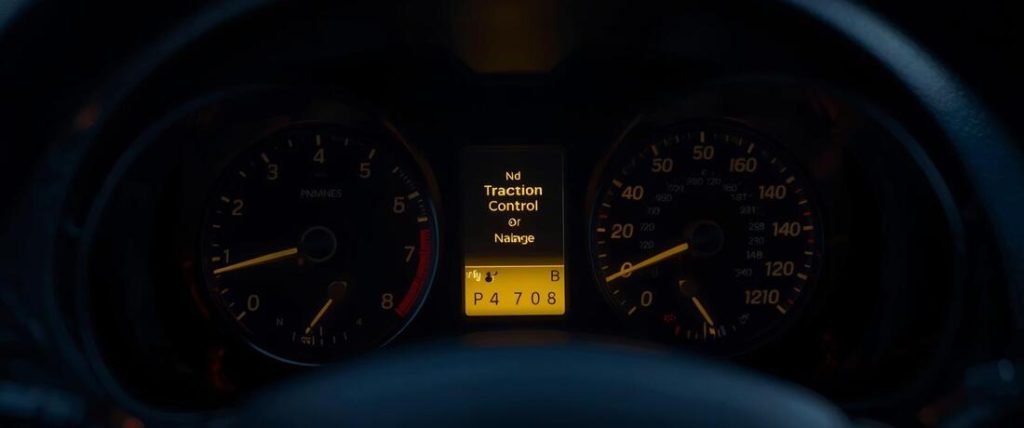
You are driving down the road. Suddenly, a yellow light pops up on your dash. It looks like a car with wavy lines under it. You might feel scared. You might ask, “Why is my traction control light on?” Do not panic. In my experience, this is rarely a major engine failure.
Most of the time, it is a simple issue. It could be a dirty wheel sensor. It might just be low air in a tire. I have fixed this issue on hundreds of cars. It is often a cheap repair. In this guide, I will show you the top causes. We will look at how to test it yourself. We will also cover what it costs to fix. Let’s get that light off your dashboard.
Contents
What Does the Traction Control Light Mean?
The light means your car’s safety system is either working hard or has a problem.
Your car has a computer called the Traction Control System (TCS). It watches your wheels. It makes sure they all spin at the same speed. If one wheel spins too fast on ice or rain, the system slows it down. This keeps you safe. It helps you steer.
Flashing vs. Steady Light
The light tells you two different things. It depends on if it is blinking or staying on.
| Light State | What It Means | Action Needed |
| Flashing / Blinking | The system is active. You are slipping on a slick road. | Slow down. The system is doing its job. |
| Solid / Steady | The system is off. It has found a problem. | You need to check for codes or bad parts. |
How It Works With ABS
Your traction control works with your Anti-lock Braking System (ABS). They share the same parts. They use the same sensors. If your ABS fails, your traction light will turn on too. They are like partners. If one gets sick, they both stop working.
7 Common Reasons Your Traction Control Light Is On
Here are the most common reasons I see in the shop.
1. Faulty Wheel Speed Sensors
This is the number one cause. Each wheel has a small sensor. It counts how fast the wheel turns. These sensors sit near the road. They get very dirty. Brake dust covers them. Rust can block them. If a sensor gets dirty, it cannot read the speed. The computer gets confused. It turns the light on to warn you.
2. Low or Mismatched Tire Pressure
Tires are crucial for this system. If one tire is flat, it gets smaller. A smaller tire has to spin faster to keep up. The computer sees one wheel spinning fast. It thinks you are slipping. It turns on the light. Always check your tire pressure first. It is the easiest fix.
3. Steering Angle Sensor Issues
Your car needs to know where you are steering. There is a sensor in your steering wheel. It tracks the angle. If this part breaks, the car gets lost. It does not know if you are sliding or just turning. The system will disable itself for safety. This often happens after a bad wheel alignment.
4. ABS System Malfunction
As I said before, ABS and TCS are linked. The ABS module is the brain for both. If a fuse blows in the ABS, the traction light comes on. You might also see the “ABS” light on the dash. This usually means a bigger repair is needed.
5. Wiring or Connection Problems
Cars vibrate a lot. Wires can shake loose. Roads with salt can corrode wires. This is common in snowy states. A mouse might even chew a wire. If the wire to a wheel sensor breaks, the signal is lost. The light turns on instantly.
6. Manual Traction Control Off
Did you hit a button by mistake? Many cars have a button to turn the system off. It usually says “TCS OFF” or shows the car icon. You might have bumped it with your knee. Or maybe a passenger pressed it. Check this first. It happens more than you think.
7. System Module Failure
This is rare but possible. The main computer for the brakes can fail. This can happen from water damage. It can also happen from old age. If the brain dies, the whole system shuts down. This is the most expensive cause.
Is It Safe to Drive With the Light On?
Yes, you can usually drive, but you must be careful.
When It Is Okay
If the light is solid yellow, you can drive. But remember, you have no safety net. If you hit a patch of ice, the wheels will spin. The car will not help you correct it. Drive slow. Keep extra space between cars. Avoid wet roads if you can.
When to Stop Immediately
Look at your dashboard. Is the red “BRAKE” light on too? Is the pedal soft? If yes, stop now. This means your actual brakes might fail. Do not drive. Call a tow truck. It is not worth the risk.
What Happens If You Ignore It
You might feel fine on dry roads. But winter will come. Or it will rain. Without traction control, you are more likely to crash. Also, ignoring it can hide other problems. A bad sensor can mess up your transmission shifting too.
| Situation | Safe? | What to Do |
|---|---|---|
| Dry roads, no ABS light | Yes (short) | Fix soon |
| Rain, snow, or ice | Risky | Drive slow or get towed |
| ABS + Traction light both on | Stop ASAP | Possible brake issue |
| Brake warning light (red) on | NO | Pull over now – brakes may fail |
Quick DIY Diagnosis (Step-by-Step)
You can check many things at home without tools.
Step 1: Check the Button
Look for the TCS button. Press it. See if the light goes off. Sometimes it is that simple.
Step 2: Restart Your Car
Computers can glitch. Turn the car off. Open the door to reset the power. Wait a minute. Start the car again. Drive a short distance. Sometimes the light will clear itself.
Step 3: Inspect Your Tires
Walk around the car. Look at all four tires. Are they the same size? Is one low on air? If you have a spare tire on, the light will stay on. The spare is often a different size. This confuses the sensors.
Step 4: Visual Inspection
Turn your steering wheel all the way to one side. Look behind the front wheel. Look for a wire going to the wheel hub. Is it cut? Is it unplugged? Do this for all wheels. You might find a loose wire you can plug back in.
Step 5: Use an OBD-II Scanner
You need a scan tool to be sure. But wait. A cheap engine scanner might not work. You need a scanner that reads “ABS/SRS” codes. Plug it into the port under the dash. It will give you a code.
| Code | Plain-English Meaning |
|---|---|
| C0035 | Left front wheel speed sensor bad |
| C0040 | Right front wheel speed sensor bad |
| C1145 | Wheel speed sensor signal missing |
| U0121 | Lost communication with ABS module |
| C1234 | Steering angle sensor fault |
| C1210 | ABS pump motor circuit issue |
How to Fix Common Traction Control Issues
Some fixes are easy enough for a beginner.
Cleaning Wheel Speed Sensors
You can clean dirty sensors.
- Jack up the car safely.
- Take off the wheel.
- Locate the sensor on the hub.
- Remove the one bolt holding it.
- Pull it out.
- Wipe it with a cloth.
- Spray it with brake cleaner.
- Put it back. This fixes the problem half the time.
Resetting the System
Some cars need a reset. Disconnect the negative battery cable. It is the black one. Wait 15 minutes. Reconnect it. This clears the computer memory. Note that your radio presets will be gone.
Simple Electrical Fixes
If you found a broken wire, you can fix it. You can strip the wire ends. Twist them together. Use a crimp connector to hold them. Cover it with electrical tape. This is a good temporary fix until you can buy a new harness.
When to Call a Mechanic
Did you clean the sensors? Are the tires good? Is the light still on? You might need a pro. A shop has better computers. They can see live data. They can tell if the ABS module is dead. Complex electrical work is hard to do at home.
Repair Cost Guide
Fixing this system varies in price. It depends on what broke.
Wheel Speed Sensor Replacement
This is the most common repair.
- Part Cost: $30 to $100.
- Labor Cost: $70 to $150.
- Total: $100 to $250.
Steering Angle Sensor Calibration
Sometimes the part is fine. It just needs a reset.
- Cost: $50 to $150.
- This is mostly just labor for the tech to use their computer.
ABS Module Repair
This is the expensive one.
- Part Cost: $300 to $800.
- Labor Cost: $200 to $400.
- Total: $500 to $1,000+. If you have a popular car, you can sometimes send the part out for repair. This is cheaper than buying new.
Factors That Change Price
- Luxury Cars: BMW or Mercedes parts cost more.
- Rust: Rusty bolts take longer to remove. This adds labor cost.
- Shop Rate: Dealers charge more than local shops.
FAQs About Why Is My Traction Control Light On
Why is my traction control light flashing?
It is flashing because it is working. The car feels the wheels slipping. It is applying brakes to help you. Ease off the gas pedal.
Can low tire pressure cause the traction control light to come on?
Yes, it can. A flat tire spins faster than a full tire. The computer thinks that wheel is slipping. Fill your tires to the right PSI.
Why are both my ABS and traction control lights on?
They share the same brain and sensors. If a sensor dies, both systems fail. It usually points to a wheel speed sensor or fuse.
How do I reset my traction control light?
Fix the problem first. Then drive the car for a few miles. The light often turns off on its own. Or, you can disconnect the battery for 10 minutes.
Is it safe to drive with traction control light on?
It is safe on dry roads. But be careful. You do not have spin protection. Drive slow in rain or snow. Visit a shop soon.
Bottom Line
So, why is my traction control light on?
It is likely a small thing.
- Check your tires.
- Make sure you didn’t press the “OFF” button.
- It is probably a dirty wheel speed sensor.
Do not ignore it forever. But do not lose sleep over it. Start with the easy checks. Clean your car. Check the air. Most of the time, that fixes it. If not, scan the codes. You can likely fix this for under $200.
Quick Summary
- The Light: Flashing is good. Solid is a fault.
- Top Cause: Dirty or bad wheel speed sensors.
- Easy Fix: Check tire pressure and clean sensors.
- Safety: Safe to drive on dry roads. Drive slow in rain.
- Cost: Sensors are cheap ($150). Modules are pricey ($600+).
- First Step: Scan for codes to find the exact wheel.