
This article was updated in January 13, 2026 with new products and information by Mark S. Taylor
Shops charge high fees for an oil change. You can do it yourself for much less. This is how to change the oil in your car the right way. It is the most important task for your engine. At TheCarBuzz, we want to help you save cash. We will teach you every step. You will learn what tools you need. You will see how to stay safe. Grab your tools and let’s get started.
Contents
- 1 Why Change Your Oil?
- 2 When to Change Your Oil
- 3 Tools and Supplies You’ll Need
- 4 How Much Oil and What Type?
- 5 Safety First: Important Precautions
- 6 Step-by-Step: How to Change Your Oil
- 6.1 Step 1: Prepare Your Vehicle
- 6.2 Step 2: Lift the Vehicle Safely
- 6.3 Step 3: Drain the Old Oil
- 6.4 Step 4: Remove the Old Oil Filter
- 6.5 Step 5: Install the New Oil Filter
- 6.6 Step 6: Replace the Drain Plug
- 6.7 Step 7: Add New Oil
- 6.8 Step 8: Check Oil Level
- 6.9 Step 9: Check for Leaks
- 6.10 Step 10: Lower Vehicle and Test
- 6.11 Step 11: Dispose of Old Oil Properly
- 7 Common Mistakes to Avoid
- 8 Alternative Method: Oil Extractor Pump
- 9 How to Reset Your Oil Life Monitor
- 10 FAQ About How to Change the Oil
- 11 The Bottom Line
- 12 Quick Summary
Why Change Your Oil?
Oil keeps the metal parts inside your engine from rubbing together. Your engine has many moving parts. They spin fast. If they touch, they get hot. They can break. Oil creates a slick film. This stops the friction.
Over time, oil gets dirty. It picks up dust and metal bits. It also breaks down from heat. Dirty oil is thick and black. It cannot protect the engine well. If you do not change it, the engine can fail. A new engine costs thousands of dollars. An oil change costs very little. It is cheap insurance.
When to Change Your Oil
Check your owner’s manual for the exact mileage. Old advice said to change oil every 3,000 miles. Newer cars can go longer. The type of oil matters too.
- Conventional oil: Change every 3,000 to 5,000 miles.
- Synthetic blend: Change every 5,000 to 7,500 miles.
- Full synthetic: Change every 7,500 to 15,000 miles.
If you drive in tough conditions, change it sooner. Tough driving means towing trailers. It means driving in very hot or cold weather. It also means lots of short trips. Short trips do not let the engine get hot enough to burn off moisture. Do not rely only on the dashboard light. Check the dipstick once a month.
Tools and Supplies You’ll Need
You must gather these tools before you start. You do not want to stop halfway through. Make sure you have everything ready.
Required Tools
- Jack and Jack Stands: You must lift the car safely.
- Ramps: These are an alternative to stands.
- Wrench Set: You need a socket or box-end wrench.
- Oil Filter Wrench: This helps unscrew the old filter.
- Drain Pan: Get a pan that holds at least 5 quarts.
- Funnel: This prevents spills when you add new oil.
- Gloves and Glasses: Protect your skin and eyes.
Supplies to Buy
- New Engine Oil: Check your manual for the type.
- New Oil Filter: Make sure it fits your car.
- New Washer: Get a new drain plug gasket.
If you need help picking tools, check out our guide on the best automotive tools for beginners.
How Much Oil and What Type?
Use the oil type listed in your owner’s manual. Using the wrong oil can hurt the engine. Look for a number like 5W-30 or 0W-20. This is the viscosity.
- The first number: This is how the oil flows in the cold.
- The second number: This is how thick it is when the engine is hot.
Most cars take 4 to 6 quarts. Trucks hold more, usually 6 to 8 quarts. You can find this info on the oil cap too. Or look it up online using your VIN. You can choose conventional or synthetic oil. Synthetic lasts longer. It protects the engine better in extreme heat.
Safety First: Important Precautions
NEVER work under a car held up by only a jack. This is the number one rule. Jacks can slip. They can fail. If the car falls, you can get hurt badly. Always use jack stands. Place them under the frame rails.
Other Safety Rules
- Let the engine cool for 30 minutes if it is hot. Hot oil burns skin.
- You can also run the engine for 2 minutes if it is cold. Warm oil drains faster.
- Always wear gloves. Used oil is bad for your skin.
- Wear safety glasses to keep oil out of your eyes.
- Park on a flat surface. Use the parking brake.
- Put wheel chocks behind the rear tires.
Step-by-Step: How to Change Your Oil
Step 1: Prepare Your Vehicle
Park the car on a flat, hard surface. Concrete or asphalt is best. Do not work on grass or dirt. The jack might sink. Engage the parking brake. Pop the hood. Remove the oil filler cap on top of the engine. This helps the oil drain faster. Lay down cardboard or a tarp. This keeps your driveway clean.
Step 2: Lift the Vehicle Safely
Raise the car so you can reach the underside. If you use ramps, drive up slowly. Have a friend guide you. Put the car in park. Set the brake. Put chocks behind the rear wheels.
If you use a jack, find the lift points. These are near the wheels on the frame. Jack up one side. Put a stand under a support point. Lower the car onto the stand. Do the same for the other side. Shake the car gently. Make sure it is stable.
Step 3: Drain the Old Oil
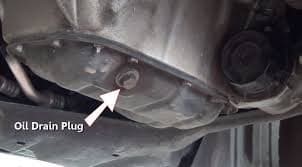
Slide under the car and locate the drain plug. It is on the bottom of the oil pan. Put your drain pan directly under it. Use your wrench to turn the plug counter-clockwise. Loosen it. Then, use your hand to unscrew it the rest of the way.
Be careful. Oil will pour out fast. Pull the plug away quickly. Let the oil drain for at least 10 minutes. It needs to drip out completely. Check the plug for metal shavings. A little dust is okay. Big chunks are bad news. Wipe the plug clean. Put on a new washer if you have one.
Step 4: Remove the Old Oil Filter
Move your drain pan under the oil filter. The filter is a cylinder. It can be on the side or bottom of the engine. Put your filter wrench on it. Turn it counter-clockwise. It might be tight at first. Once it is loose, spin it off by hand.
Be ready for more oil. The filter is full of old oil. Pour that into your drain pan. Check the engine mounting surface. Make sure the old rubber gasket came off with the filter. If it is stuck on the engine, peel it off. You must not leave it there.
Step 5: Install the New Oil Filter
Put a little new oil on the rubber gasket. Dip your finger in the fresh oil. Rub it on the new filter’s gasket ring. This helps it seal. It also make it easier to remove next time.
Wipe the spot on the engine where the filter goes. It must be clean. Screw the new filter on by hand. Turn it clockwise. Twist it until the gasket touches the metal. Then, give it another three-quarter turn. Do not use the wrench to tighten it. You might crush the gasket.
Step 6: Replace the Drain Plug
Screw the drain plug back in by hand first. This prevents cross-threading. Cross-threading ruins the oil pan. Once it is snug, use your wrench. Tighten it firmly. Do not overtighten. You do not want to strip the threads.
Step 7: Add New Oil
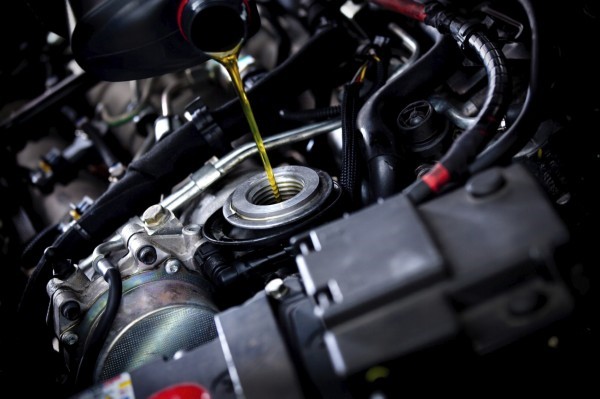
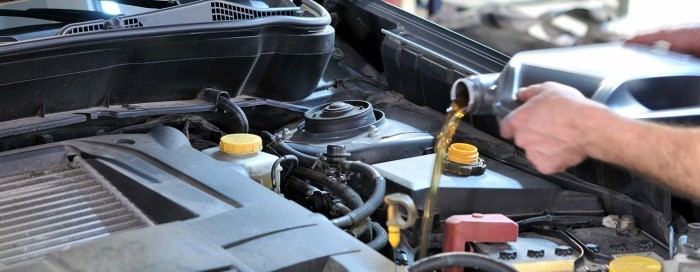
Place a funnel into the oil filler hole. Pour in the new oil slowly. Check the bottle. Most cars take 4 to 6 quarts. Pour in a little less than the full amount at first. Put the oil cap back on.
Step 8: Check Oil Level
Run the engine for about 30 seconds. This circulates the new oil. Turn the engine off. Wait a minute or two. Pull the dipstick out. Wipe it clean. Push it all the way back in. Pull it out again.
Look at the tip. There are marks for “Full” and “Add.” The oil level should be near the top mark. If it is low, add a little more. Check it again. Do not overfill it.
Step 9: Check for Leaks
Look under the car for any drops of oil. Check the drain plug. Look at the filter. If you see a drip, wipe it off. Tighten the plug or filter slightly. Start the engine again. Let it run for a minute. Check for leaks one more time.
Step 10: Lower Vehicle and Test
Lower the car to the ground. Remove the wheel chocks. Take the car for a short drive. Go around the block. This warms up the oil again. Park the car. Check the dipstick one last time. Look under the car for leaks. If it is dry, you are done.
Step 11: Dispose of Old Oil Properly
Never pour oil on the ground or in the trash. It is bad for the environment. It is also illegal. Pour the old oil from the pan into empty plastic bottles. Use a funnel. Cap the bottles tight.
Take the old oil and filter to a recycling center. Most auto parts stores take it for free. This includes places like AutoZone or O’Reilly. They will get rid of it the right way.
Check out Earth911.com for a location near you that recycles oil.
Common Mistakes to Avoid
Do not over-tighten the filter or plug. This is a common error. It strips the threads. It can crack the oil pan. Hand-tighten the filter. Make the plug snug, not tight.
Using the Wrong Oil Always check the manual. Using the wrong oil can void your warranty. It can also make your engine run poorly.
Forgetting the Oil Cap Never run the engine without the oil cap. Oil will spray everywhere. It makes a huge mess. It can be a fire hazard too.
Double Gaskets Make sure the old rubber ring came off. If you leave it, you now have two gaskets. This usually causes a bad leak immediately.
Alternative Method: Oil Extractor Pump
You can suck the oil out through the dipstick tube. This tool is a vacuum pump. You do not need to lift the car. You do not need to remove the drain plug.
- Pros: It is clean. It is easy. It is great for low cars.
- Cons: It does not drain all the sludge. It takes longer.
This method works well for some cars. It is very popular in Europe. However, you still need to get under the car to change the filter.
How to Reset Your Oil Life Monitor
New cars have a light that tells you when to change oil. You must reset this light after you do the work. The car does not know you changed the oil.
Look in your manual for the steps. Often, you turn the key to “On.” Do not start the engine. Press the gas pedal three times. Wait for the light to flash. On some cars, you scroll through the menu on the dashboard. Resetting the light helps you track your mileage.
FAQ About How to Change the Oil
How to change your oil step by step?
You lift the car, remove the drain plug, and let the oil drain. Then you replace the filter and plug. Finally, you add new oil.
Can I change the oil myself?
Yes, you can. It is a simple job. You just need a few tools. Follow a guide like this one. It is safe if you use jack stands.
Is it normal for an oil change to be $100?
Yes, if you use full synthetic oil. Dealerships charge high labor rates. You can save money by doing it yourself. DIY costs about $30 to $50.
Do you normally tip oil change guys?
It is not required. But it is nice. A few dollars is a good tip if they did a great job.
How do I do an oil change in my car?
Start by gathering tools like a wrench and drain pan. Warm up the engine. Drain the old oil into the pan. Change the filter. Add new oil. Check the level.
The Bottom Line
Changing your own oil saves you a lot of money. It keeps your engine running smoothly. The task takes about 45 minutes. You need simple tools like a jack and wrench. Safety is very important. Always use jack stands. Never trust a jack alone. Pick the right oil for your car. Check your manual. Dispose of the old oil the right way. Take it to a parts store. Do not dump it. Once you do it once, it is easy. You will feel good taking care of your car.
Quick Summary
- Gather tools: You need a jack, stands, wrench, and drain pan.
- Lift safely: Always use jack stands. Never use just a jack.
- Drain oil: Remove the plug and let the old oil flow out.
- Change filter: Remove the old one. Lubricate the new gasket. Install the new one.
- Add oil: Pour in the correct amount. Check the dipstick.
- Check leaks: Look under the car before you drive.
- Recycle: Take old oil to an auto parts store. Do not dump it.