
This article was updated in December 1, 2025 with new products and information by Mark S. Taylor
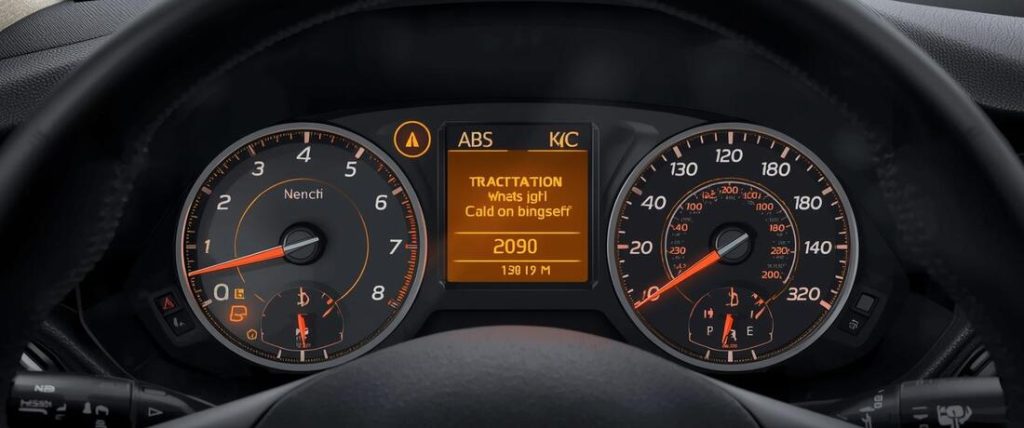
You’re driving home. The ABS light pops on. Then the traction light glows. Your brake pedal feels odd. I see this all the time in my shop. These are classic signs of a bad wheel speed sensor. This small part tells your car how fast each wheel turns. Your car needs this info to keep you safe. I’ll walk you through the signs to watch for. You’ll know what’s wrong before you see a mechanic.
Contents
- 1 Main Symptoms of a Bad Wheel Speed Sensor
- 2 What a Wheel Speed Sensor Does (And Why It Matters)
- 3 Detailed Symptoms of a Bad Wheel Speed Sensor
- 4 Common Causes of Wheel Speed Sensor Failure
- 5 How to Confirm a Bad Wheel Speed Sensor (Basic DIY Checks)
- 6 Is It Safe to Drive with a Bad Wheel Speed Sensor?
- 7 Repair Options and Typical Cost
- 8 When It Might Not Be the Wheel Speed Sensor
- 9 FAQs About Symptoms of a Bad Wheel Speed Sensor
- 10 Bottom Line — Don’t Ignore Wheel Speed Sensor Symptoms
- 11 Quick Summary
Main Symptoms of a Bad Wheel Speed Sensor
The main signs of a bad wheel speed sensor are warning lights and weird brakes. Your speedometer might also act up.
Key symptoms to watch for:
- ABS light stays on
- Traction control light on
- Brake pedal pulses when you stop
- Wheels lock up too fast
- Car takes longer to stop
- Speedometer jumps around

What a Wheel Speed Sensor Does (And Why It Matters)
A wheel speed sensor counts how fast your wheel spins. It sends this data to your car’s brain. This helps your ABS and traction control work right. Without good data, these systems can’t help you. Most cars have one sensor on each wheel. They sit near the wheel hub. They work with a toothed ring that spins with the wheel.
I’ve seen many drivers confused by these sensors. They’re small but mighty. When they fail, your car’s safety systems shut down. It’s like your car is driving blind in some ways.
Detailed Symptoms of a Bad Wheel Speed Sensor
ABS Warning Light That Stays On
The ABS light looks like a circle with “ABS” in it. When a sensor fails, this light turns on. Your car gets bad data or no data from that wheel. So it turns on the warning light. This is the most common sign I see. Your brakes will still work. But the ABS won’t stop your wheels from locking up. Many drivers worry when they see this light. But it just means your anti-lock brakes are off for now.
Traction Control or Stability Control Light
Your traction control needs wheel speed data. It has to know if a wheel is slipping. When a sensor fails, this system shuts down. A warning light will show up. It often looks like a car with wavy lines behind it. In rain or snow, you might see this light more. The car can’t help you if it doesn’t know how fast each wheel is turning. Without these systems, your car can skid more easily.
Pulsating or Strange Brake Pedal Feel
Good ABS only works when you brake hard. With a bad sensor, the ABS might turn on at the wrong time. This can happen when you’re just slowing down gently. Your brake pedal will push back at you. It feels like a fast pulse. Many customers tell me it feels “weird” or “scary.” This happens most at low speeds. Like when you’re stopping at a red light.
Longer Stopping Distances or Uneven Braking
When your ABS isn’t working, your car might need more space to stop. You might also feel the car pull to one side when you brake. This happens because the ABS can’t balance the brake force. On wet roads, your wheels might lock up too soon. I’ve tested this myself. The difference in stopping distance can be big. It might be the difference between a close call and a crash.
Speedometer or Cruise Control Problems
Some cars use wheel speed data for the speedometer. When a sensor fails, your speedometer might jump around. Or it might drop to zero. Your cruise control might also turn off. It can’t set or hold speed without good data. This doesn’t happen on all cars. It’s more common on some European models. If you see these issues with ABS lights, a sensor is likely the cause.
Common Causes of Wheel Speed Sensor Failure
I’ve replaced many wheel speed sensors over the years. They fail for several reasons. Road gunk and water can damage them. Hitting a pothole can break them. Like all parts, they just wear out over time.
| Cause | Sign | Can you fix it? |
|---|---|---|
| Rust or dirt | Light comes on now and then | Sometimes (clean it) |
| Broken wire | Light is always on | Usually needs a shop |
| Bad bearing | Light + noise | Need new bearing |
| Hit something | Light comes on after | Might need new sensor |
If you live where it snows a lot, road salt can harm your sensors. I see this a lot in northern states. Checking your sensors during oil changes can catch problems early.
How to Confirm a Bad Wheel Speed Sensor (Basic DIY Checks)
Visual Check at the Wheel
You can check your sensors yourself. First, lift your car and put it on jack stands. Be safe! Find the sensor near the wheel hub. Look for damage. Check for frayed wires or loose plugs. See if there’s rust on the sensor tip. Sometimes I just clean the metal shavings off a sensor. That fixes the problem. If you need help with this, see our brake check guide.
Check for Related Warning Lights and Codes
If you see multiple lights (ABS, traction, ESC), a sensor is likely the issue. Basic code readers might not read ABS codes. You need a better scanner for that. Codes like C0035 mean the front left sensor has a problem. C0040 means the front right one is bad. These codes tell you exactly which sensor to check. Many parts stores will read codes for free.
Simple Road Test Clues
A careful drive can tell you more about a bad sensor. If the light only comes on when you’re moving, the sensor is sending bad data. Not no data. Notice when the ABS kicks in at the wrong time. Like when you’re just slowing down on a dry road. If your car pulls hard to one side or makes bad noises when braking, stop. Get help right away. That might be a bigger brake problem.
Is It Safe to Drive with a Bad Wheel Speed Sensor?
Your regular brakes will still work with a bad sensor. But your ABS and traction control won’t. On a nice day on a dry road, you might not notice. But in an emergency or bad weather, those systems matter a lot. The risk is much higher in rain or snow. If you must drive with a bad sensor, go slow. Avoid busy roads and bad weather. Fix it soon. For more safety tips, see Brake Safety Foundation.
Repair Options and Typical Cost
You can replace a sensor yourself or have a shop do it. If you’re handy with cars, you might save money. Some cars need special tools. That makes a shop visit better. Costs vary. Some sensors are sold alone. Others come with the whole hub.
| Fix | Part Cost | Work Cost | Total |
|---|---|---|---|
| One sensor | $30-$120 | $80-$200 | $110-$320 |
| Hub with sensor | $100-$300 | $150-$300 | $250-$600 |
Don’t ignore a bad sensor. It can wear out your tires faster. It uses more gas. Most of all, it’s less safe. In some places, your car won’t pass inspection with a bad ABS. Fix it now and be safe.
When It Might Not Be the Wheel Speed Sensor
Sometimes what looks like a bad sensor is something else. A bad wheel bearing can trigger ABS codes. The bad bearing makes the sensor read wrong. You’ll hear a loud roar with this problem. The ABS module itself can fail too. This is rare but possible. The toothed ring the sensor reads can break or get damaged. This gives the same codes as a bad sensor. Finally, mismatched tires can confuse the sensors. The car thinks all wheels should spin at the same speed when you drive straight.
A good mechanic will use a scan tool to check all four sensors at once. They might drive the car on a lift to see the live data. For tricky cases, they might use a scope to test the sensor signal.
FAQs About Symptoms of a Bad Wheel Speed Sensor
Can a wheel speed sensor affect acceleration?
A bad sensor won’t hurt your engine power. But your traction control won’t work. You might spin your wheels more when you start fast. This is worse on wet roads.
What are symptoms of a bad steering wheel sensor?
A bad steering sensor also turns on traction lights. Your steering might feel off-center. The car might pull to one side. Unlike wheel sensors, this affects how the car handles turns.
Do wheel speed sensors throw codes?
Yes, bad sensors make specific codes. These codes start with “C”. They tell you which wheel has the problem. You need a special scanner to read these codes.
Can a faulty wheel speed sensor cause limp mode?
Most cars won’t go into limp mode from a bad sensor. But some cars might reduce power if many safety systems are off. If your car has less power with ABS lights, get it checked soon.
How much does a sensor replacement cost?
A single sensor costs $30-$120 for the part. Labor adds $80-$200 if a shop does it. If the sensor is part of the hub, costs range from $250-$600 total.
Bottom Line — Don’t Ignore Wheel Speed Sensor Symptoms
Wheel speed sensors are small parts. But they do a big job. They keep your ABS and traction control working. Warning lights plus weird brakes mean something is wrong. Check the sensor first. Then scan for codes. Fix the problem. If you’re not comfortable with brakes or wires, see a good mechanic. Fixing sensor problems keeps your car safe on the road.
Quick Summary
- Bad sensors cause ABS/traction lights and odd brake feel
- Your car won’t have ABS or traction control with a bad sensor
- You can sometimes see damage with a visual check
- Special scanners can tell which sensor is bad
- A single sensor costs $110-$320 to fix
- You can drive with a bad sensor in good weather, but it’s risky
- Fix sensor problems soon to keep your car’s safety systems working