
This article was updated in January 12, 2026 with new products and information by Mark S. Taylor
Rear shocks wear out slowly. You might not notice until your car feels unsafe. Your rear shocks work very hard. They move up and down 1,900 times every mile. By 50,000 miles, they have cycled 75 million times. The symptoms of bad rear shocks are distinct from front ones. We will show you what to look for and how to test them.
Contents
What Do Rear Shocks Do?
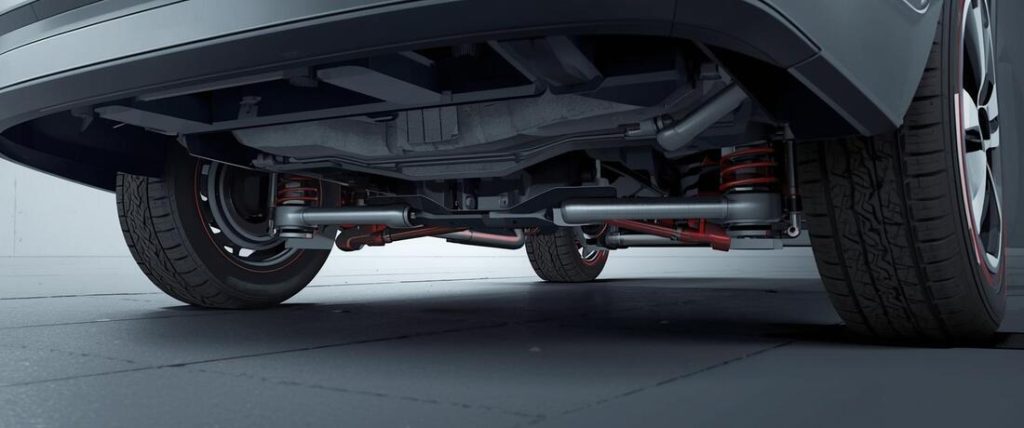
Rear shocks control the up-and-down movement of the back of your car. They keep the rear tires on the road. They absorb impacts from bumps and potholes. They also help support the weight of the car. This is vital for acceleration and braking. For trucks, they are key for hauling heavy loads.
Rear Shocks vs Rear Struts: What’s the Difference?
Most cars have struts in the front and shocks in the back. A shock is a separate part. It works with a coil spring or leaf spring. A strut combines the shock and spring into one unit. Struts are rarely used on the rear. Trucks and SUVs almost always have rear shocks. The symptoms of failure are the same for both. Check your owner’s manual to be sure.
11 Common Symptoms of Bad Rear Shocks
1. Rear Squat When Accelerating
The back of the car dips down when you hit the gas. The front end rises up as the rear drops. This is very common in bad shocks. It is worse when you accelerate hard. This is dangerous. It reduces steering control because the front is light. Passengers will feel pushed back in their seats.
2. Excessive Rear Bouncing After Bumps
The rear keeps bouncing after you hit a bump. Good shocks stop the movement fast. Bad shocks let it bounce two or three times. It feels like a boat floating. You notice it most over speed bumps. The rear seems to bounce on its own.
3. Rear End Sway or Fishtailing
The back of the car feels loose. It sways side-to-side on the highway. You might feel a “fishtail” motion on bumpy roads. The rear keeps moving after you finish a turn. This is very dangerous in wet or icy weather. You must constantly correct the steering.
4. Bottoming Out Over Bumps
You might hear a loud “clunk.” This is metal hitting metal. The suspension hits the rubber stops too often. It happens a lot when you carry a load. Speed bumps feel very harsh. This means the shock cannot compress anymore.
5. Leaking Shock Fluid
Look at the rear shock body. Is it wet? You might see clear or brown fluid. This means the internal seal is broken. The fluid leaks out and the shock stops working. It will eventually fail completely. You might see drips on your driveway.
6. Clunking or Knocking From Rear
You hear a loud noise over bumps. It sounds like a knock from the back. It might rattle on small cracks in the road. This is often caused by worn rubber mounts. It can also mean the shock is broken inside. The noise gets worse over time.
7. Rear Tire Cupping or Uneven Wear
Look at your rear tires. Do you see “cups” or dips in the tread? It looks like scallops around the tire. Run your hand over the tread. You will feel high and low spots. This happens when the tire bounces too much. It ruins the tires quickly. Read our guide on tire maintenance to spot this.
8. Rear Sags When Carrying Load
The car sits low when you put stuff in the back. It cannot hold the proper ride height. The rear bottoms out easily with people or cargo. This means the shocks are weak. They can no longer support the weight. You might need heavy-duty shocks.
9. Harsh or Rough Rear Ride Quality
You feel every bump in the back seat. Passengers complain about the rough ride. It feels jarring over small imperfections. The shock lost its cushioning effect. The ride gets progressively harsher.
10. Longer Stopping Distances
It takes longer to stop the car. The rear end feels unstable when you brake. The weight transfer is not controlled. The rear tires lose grip. This can increase stopping distance. It is a critical safety concern.
11. Visible Damage to Rear Shock Body
Look at the metal tube of the shock. Are there dents or bends? Check the mounting brackets. Are they broken? Look at the rubber bushings. Are they torn? Rust can also damage the shock body.
How to Test Rear Shocks (DIY Methods)
The Rear Bounce Test (Most Common)
This is the easiest way to check. Park on a flat surface. Stand at the rear bumper. Push down hard on the bumper. Use your body weight. Release it quickly. Count how many times the rear bounces. Good shocks settle in one or two bounces. Bad shocks bounce three or more times.
Test Both Rear Corners Separately
Test the driver side first. Then test the passenger side. Compare the two. If one bounces more, that shock is likely bad. They should feel the same.
Visual Inspection of Rear Shocks
Check for Leaks
Crawl under the back of the car. Look at the shock body. Is it wet or oily? A small mist is okay. A heavy coat of oil is bad. If it drips, it needs replacing.
Inspect Rear Shock Mounts
Check the rubber bushings. Look for cracks or rot. See if the metal is separating. Make sure the bolts are tight. Check the upper mounts in the trunk if you can.
Look for Physical Damage
Look for dents in the tube. Check for rust or bends. Ensure the brackets are not broken.
The Rear Drive Test
Find an empty parking lot. Drive at a low speed. Hit the gas moderately hard. Watch the rear for squat. Hit the brakes. Listen for clunking from the rear. Drive over a speed bump. The rear should settle immediately.
Load Test (Trucks/SUVs)
Put some cargo or passengers in the back. Look at the rear height. Note how much it sags. Drive over bumps while loaded. Does it bottom out? Compare how it feels empty vs. full.
Rear Tire Inspection
Run your hand over the rear tire tread. Feel for the “cupping” pattern. Check the wear. Compare it to the front tires. If the rear is worn unevenly, check the shocks.
Listen for Rear Noises
Have a friend bounce the rear of the car. You listen for the noise. Drive over bumps slowly. Listen specifically to the back. Try to find which side is loud.
When to Get Professional Diagnosis
If tests are not clear, see a pro. If you feel unsafe, go to a shop. Do this before buying expensive parts. A mechanic can check it during an alignment.
What Causes Rear Shocks to Fail?
Normal Wear and Tear
Shocks wear out from use. They last 50,000 to 100,000 miles. The internal parts wear down. The seals get old and leak. The fluid breaks down from heat.
Heavy Loads and Towing
Carrying heavy loads wears them fast. Towing exceeds the standard capacity. Constant weight in the trunk strains the shocks. Overloading is a major cause of failure.
Aggressive Driving
Hard acceleration makes them work hard. Hitting bumps at high speed hurts them. Racing or launching the car is tough on them.
Road Conditions
Potholes are a killer. Rough roads shake the suspension. Speed bumps taken too fast damage them. Railroad crossings can jar the rear end.
Environmental Factors
Salt causes rust and corrosion. Extreme heat or cold hurts them. Moisture gets inside the seals. Road chemicals eat the metal.
Poor Maintenance
Never changing shocks is bad. Ignoring early signs leads to failure. Broken mounts damage the new shocks. Driving on bad tires harms the suspension too.
Can You Drive With Bad Rear Shocks?
Short-Term (Getting to Mechanic)
You can drive a short way. Drive slowly and carefully. Stay off the highway. Do not carry any heavy loads. Keep extra distance from cars.
Risks of Driving With Bad Rear Shocks
The rear can become unstable. It might fishtail easily. You could lose control in an emergency. Stopping takes longer. Your tires will wear out fast. It is dangerous when towing. Check NHTSA safety guidelines for more on safety risks.
When to Stop Driving Immediately
Stop if a shock breaks off the mount. Stop if the clunking is very loud. Stop if the car sways dangerously. Stop if it bottoms out constantly. Do not tow with bad shocks.
Rear Shock Replacement Cost
Parts Cost
- Budget (Monroe, KYB): $40-$80 each
- Mid-Range (Bilstein, Gabriel): $70-$130 each
- Heavy-Duty: $80-$150 each
- Premium (Fox, King): $150-$400+ each
- OEM: $80-$200 each
Labor Cost
- Simple Replacement: $80-$150
- Rear shocks are easier than fronts.
- It takes 1 to 2 hours for both sides.
- An alignment is usually not needed for the rear.
Total Cost Estimates
- DIY: $80-$300 (parts only)
- Professional: $250-$650
- Heavy-Duty/Towing: $300-$800
- Always replace rear shocks in pairs.
Additional Costs to Consider
You might need new rear mounts. They cost $20-$60 each. Coil springs cost $80-$150 if broken. Rusty bolts take longer to remove.
Should You Replace Rear Shocks in Pairs?
Always Replace Both Rear Shocks
This ensures the car handles evenly. It prevents fishtailing or pulling. It keeps the ride balanced. It is the industry standard.
Why Not Just One Rear Shock?
Uneven damping causes instability. The car might pull to one side. Tire wear will be uneven. You will have to replace the other side soon anyway.
Can You Replace Just Rear, Not Front?
Yes, you can. Front and rear are independent. Replace the pair that is bad. The rear often lasts longer than the front.
Types of Rear Shocks
Standard Rear Shocks
These are for normal cars. They handle everyday driving. They are good for vehicles that don’t haul. They are the least expensive option.
Heavy-Duty Rear Shocks
These are for trucks and SUVs. They are good for occasional hauling. They have a higher weight capacity. The ride is firmer than standard.
Towing/Hauling Rear Shocks
These are for frequent towing. They have the highest weight capacity. They prevent the rear from squatting. They keep the ride level. Brands like Bilstein 4600 are popular.
Load-Leveling Rear Shocks
These are adjustable for different loads. They use air or hydraulics. You can inflate them for more support. They are the most expensive option. They are best for RVs or heavy haulers.
Gas-Charged vs Hydraulic
Gas shocks perform better. They fade less. Hydraulic shocks have a smoother ride. They are less expensive. Most modern shocks are gas-charged.
Best Rear Shock Brands
Budget-Friendly
- Monroe: Very reliable. Easy to find.
- Gabriel: Good value.
- KYB: Decent quality.
- Cost: $40-$80 each
Mid-Range
- Bilstein: Excellent quality. Lasts a long time.
- Rancho: Good for trucks.
- Cost: $70-$130 each
Heavy-Duty/Towing
- Bilstein 4600: Best for trucks.
- Rancho RS5000: Great for off-road.
- Gabriel Hijackers: Load-leveling.
- Cost: $80-$150 each
Premium/Performance
- Fox: Best for off-road and racing.
- King: High-end performance.
- Cost: $150-$400+ each
OEM Replacements
These are from the car maker. They fit perfectly. They cost more. Cost: $80-$200 each.
How to Extend Rear Shock Life
Driving Habits
Slow down for speed bumps. Avoid potholes if you can. Do not overload the car. Accelerate gently. Reduce speed on rough roads.
Load Management
Do not exceed the weight limit. Spread the load evenly. Take out heavy boxes you don’t need. Use load-leveling shocks if you haul often.
Maintenance
Check the suspension once a year. Look for leaks at every oil change. Fix worn mounts fast. Address rust on the shock towers. Learn more about car suspension problems here.
Environmental Protection
Wash the undercarriage in winter. This removes salt. Use rust protection in cold states. Fix trunk leaks to prevent rust.
Related Rear Suspension Components to Check
When Replacing Rear Shocks, Also Inspect:
Rear Shock Mounts
Rubber bushings wear with shocks. Replace them if they look cracked. Check for rust in the shock towers. This is common in older cars.
Rear Coil Springs or Leaf Springs
Check coil springs for breaks. Inspect leaf springs for cracks. They can cause a low ride height. They are often replaced with shocks.
Rear Bump Stops
These are rubber cushions. They stop metal from hitting metal. Replace them if they are squished. They are critical for preventing damage.
Rear Sway Bar Links and Bushings
These can clunk like bad shocks. They are cheap to replace. Test them for looseness.
Rear Control Arms and Bushings (IRS)
Independent rear cars have these. Check for torn bushings. They can cause similar symptoms to bad shocks.
Rear Wheel Bearings
These cause noise and vibration. Listen for a grinding sound. It is different from a shock noise.
Upgrading Rear Shocks for Towing or Hauling
When to Upgrade
If the rear squats with a load, upgrade. If you tow trailers often, upgrade. If you carry heavy cargo, upgrade. It is vital for work trucks.
Upgrade Options
Heavy-Duty Shocks
They have 30-40% more capacity. They cost $80-$150 per shock. They still ride okay when empty.
Air-Adjustable Shocks
You inflate them for more support. You deflate them for a soft ride. They cost $200-$400 per pair. Brands like Air Lift make these.
Add-On Air Bags
You keep your stock shocks. You add air springs. This is the most affordable upgrade. It costs $150-$400 for a pair. They are easy to install.
FAQ About Symptoms of Bad Rear Shocks
How do I know if my rear shocks are bad?
The car bounces a lot after bumps. The rear squats when you speed up. You might see oil leaking on the shocks.
What do bad rear shocks sound like?
They make a clunking or knocking sound. You hear it when you go over bumps. It sounds like metal hitting metal.
What are four symptoms of worn or defective shock absorbers?
Look for excessive bouncing and fluid leaks. Watch for tire cupping and rear end sway. These are the top four signs.
Can bad rear shocks cause vibration at high speeds?
Yes, they can. The rear suspension may oscillate. This causes a shaking feeling. It is usually a bouncy vibration.
Can I drive with leaking rear shocks?
You can drive a short distance. But it is not safe. The braking gets worse. You could lose control of the car.
The Bottom Line
Rear shocks are vital for stability. They keep your tires on the road. Watch for squatting, bouncing, and leaks. Do the bounce test to check them. Most shocks last 50,000 to 100,000 miles. Replacing them costs $250 to $650 at a shop. You can save money doing it yourself. Always replace them in pairs. Bad shocks make driving unsafe. Do not ignore the signs. Fix them to protect your tires and suspension.
Quick Summary
- Rear shocks stop the car from bouncing too much.
- Common signs are rear squat and leaking fluid.
- Test shocks by pushing on the rear bumper.
- Replace them after 50,000 to 100,000 miles.
- Always change both rear shocks at the same time.
- Towing requires heavy-duty or load-leveling shocks.
- DIY replacement saves money and is usually simple.