
This article was updated in January 26, 2026 with new products and information by Mark S. Taylor
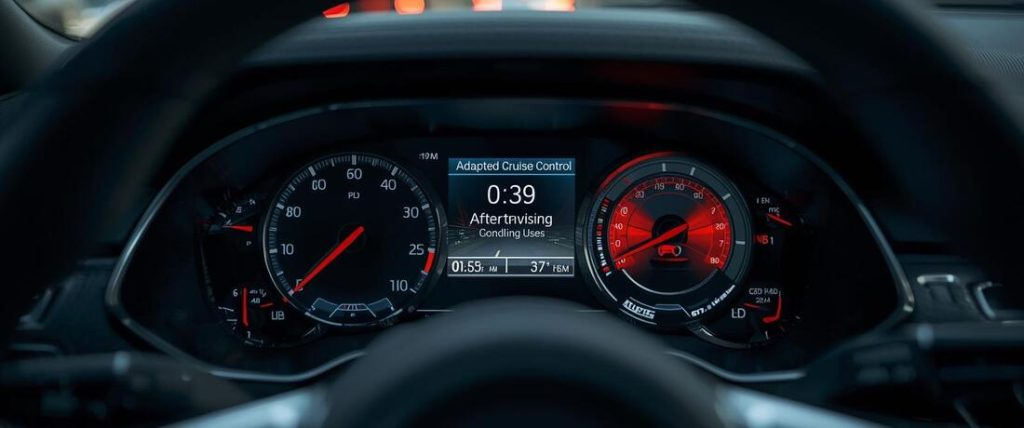
Your adaptive cruise control just stopped working with a “system unavailable” message—now what?
This feature makes highway driving a breeze. But when it fails, it can be annoying or even scary. You might see a warning light pop up. Or maybe the car brakes for no reason.
I have seen many drivers panic over these issues. Often, the fix is simple, like wiping dirt off a sensor. Other times, it needs a software update.
In this guide, I will walk you through 10 Common Adaptive Cruise Control Problems. You will learn how to clean the sensors, when to reset the system, and what repairs might cost.
Let’s get you back on the road safely.
Contents
- 1 What Is Adaptive Cruise Control and How Does It Work?
- 2 10 Common Adaptive Cruise Control Problems
- 2.1 1. “Radar Sensor Blocked” or “ACC Unavailable” Message
- 2.2 2. Phantom Braking or False Emergency Braking
- 2.3 3. Dirty or Obstructed Windshield Camera
- 2.4 4. Sensor Misalignment After Collision or Service
- 2.5 5. Inconsistent Following Distance
- 2.6 6. System Shuts Off in Bad Weather
- 2.7 7. ACC Doesn’t Detect Stopped Vehicles
- 2.8 8. Software Glitches or System Freezes
- 2.9 9. Wiring or Electrical Connection Problems
- 2.10 10. Control Module Failure
- 3 How to Diagnose ACC Problems (Step-by-Step)
- 4 DIY Fixes You Can Try First
- 5 When to See a Professional Mechanic
- 6 ACC Repair Costs by Problem Type
- 7 ACC Problems by Vehicle Brand
- 8 Preventing ACC Problems
- 9 Warranty and Recall Information
- 10 Can You Drive Without ACC?
- 11 FAQ About Common Adaptive Cruise Control Problems
- 12 Bottom Line: Most ACC Problems Are Fixable
What Is Adaptive Cruise Control and How Does It Work?
Adaptive Cruise Control (ACC) uses sensors to match your speed to the car in front.
It is smarter than old-school cruise control. It can slow down or speed up automatically.
ACC Basics
It watches the road so you can relax a little.
- Speed Control: You set a max speed.
- Distance Control: You choose how far to follow.
- Braking: If traffic slows, your car brakes.
- Resuming: If traffic clears, your car speeds up.
Key Components
A few main parts make the magic happen.
- Radar Sensor: Usually in the front grille or bumper. It sees objects.
- Camera: Mounted behind the windshield mirror. It reads lanes.
- Control Module: The brain that decides when to brake.
Common Brand Names
Every car maker has a fancy name for it.
- Toyota: Dynamic Radar Cruise.
- Honda: ACC with Low-Speed Follow.
- Subaru: EyeSight.
- Tesla: Autopilot.
10 Common Adaptive Cruise Control Problems
Most issues come from blocked sensors or bad weather.
This is the most common error and usually means the sensor is dirty.
The radar sits low on the front of the car. It gets covered in road grime fast.
- Causes: Mud, snow, ice, or dead bugs on the bumper.
- Symptoms: The system turns off and shows a warning.
- DIY Fix: wipe the front emblem or radar box with a damp cloth.
- Cost: Free.
2. Phantom Braking or False Emergency Braking
The car slams on the brakes for no reason.
This is scary. The car thinks a shadow or sign is an obstacle.
- Causes: Shadows under bridges or shiny road signs.
- Symptoms: Sudden braking on a clear road.
- What to Do: Keep your foot near the gas pedal to override it.
- Cost: Free (software update) to $300 (sensor recalibration).
3. Dirty or Obstructed Windshield Camera
If the camera cannot see, the system shuts down.
The camera lives behind the rearview mirror. If the glass is dirty, it goes blind.
- Causes: Bug splatters, mud, or bad wiper streaks.
- Symptoms: “Clean Windshield” message.
- DIY Fix: Wash the windshield. Install new wiper blades.
- Cost: $10–$30 for wipers.
4. Sensor Misalignment After Collision or Service
A small bump can point the radar in the wrong direction.
Even a parking lot tap can mess this up. If the sensor points up, it misses the car ahead.
- Causes: Fender benders or windshield replacement.
- Symptoms: The system works poorly or shows a “Calibration” error.
- Fix: You need a pro to aim it again.
- Cost: $150–$400.
5. Inconsistent Following Distance
The car gets too close or stays too far back.
It feels unsafe. You might find yourself braking manually because the car waits too long.
- Causes: Bad calibration or a software glitch.
- What to Do: Adjust the gap setting on your steering wheel.
- Cost: Free to check settings.
6. System Shuts Off in Bad Weather
Heavy rain or snow blinds the sensors.
This is normal. The system turns off to keep you safe.
- Causes: Thick fog, blizzard, or downpour.
- Symptoms: “ACC Disabled due to Weather.”
- What to Do: Drive manually until the weather clears.
- Cost: $0.
7. ACC Doesn’t Detect Stopped Vehicles
Most systems ignore stationary cars at high speed.
This is a known limit. The radar ignores stopped objects so it doesn’t brake for signs.
- Causes: System design limits.
- Symptoms: The car speeds toward a stopped traffic jam.
- What to Do: Be ready to brake! Do not trust it fully.
- Cost: N/A.
8. Software Glitches or System Freezes
Like a phone, the car computer can freeze.
Sometimes the brain just gets stuck.
- Causes: Buggy code or memory errors.
- Symptoms: The buttons do not work.
- What to Do: Turn the car off and on again. Check for updates at the dealer.
- Cost: $0–$150.
9. Wiring or Electrical Connection Problems
Rats or rust can ruin the wires.
The wires run to the front bumper. They are exposed to water and pests.
- Causes: Corrosion or rodent damage.
- Symptoms: Intermittent failure.
- Fix: Repair the harness.
- Cost: $100–$600.
10. Control Module Failure
The main computer board dies.
This is rare but expensive. It usually happens on older cars.
- Causes: Electronics failure.
- Symptoms: The system is totally dead.
- Fix: Replace the module.
- Cost: $500–$2,000.
How to Diagnose ACC Problems (Step-by-Step)
Start with the simple stuff before you pay a mechanic.
Step 1: Check for Warning Messages
Read the dash. Does it say “Blocked”? Clean it. Does it say “Service Required”? That is a repair.
Step 2: Visual Inspection
Look at the front. Is the radar box loose? Is the windshield cracked by the camera? Is there mud on the bumper?
Step 3: Test in Different Conditions
Drive on a clear day. Does it work when it is sunny? If yes, the sensors might just struggle in rain.
Step 4: Check for Software Updates
Call the dealer. Ask if there is a recall or update for your cruise control.
Step 5: Scan for Diagnostic Codes
Use a scanner. An OBD2 scanner can show hidden codes. This helps the mechanic. If you see other weird lights, check our Master Warning Light guide.
DIY Fixes You Can Try First
You can solve many issues with a rag and soap.
Clean Sensors and Camera
Wipe them down. Use glass cleaner on the windshield. Use soapy water on the bumper radar.
System Reset
Reboot the car. Park safely. Turn the engine off. Open the door to kill power. Wait a minute. Restart.
Check Owner’s Manual
Read the book. Learn how to change the follow distance. Learn the limits.
Adjust Following Distance Setting
Change the gap. If it feels too close, press the button to add more space bars.
When to See a Professional Mechanic
Some jobs need special tools.
See Dealer/Specialist If:
Cleaning fails. If the warning stays on after a wash, the sensor might be broken.
Requires Calibration:
After body work. If you get a new windshield or bumper, you MUST calibrate the system.
Requires Dealer Service:
For software. Only dealers can update the main computer code.
ACC Repair Costs by Problem Type
Here is what you might pay.
| Problem | DIY Cost | Pro Cost | Time |
| Cleaning | $0–$10 | $50–$100 | 20 min |
| Software Update | N/A | $150–$300 | 1 hr |
| Calibration | N/A | $150–$400 | 2 hrs |
| New Radar | N/A | $300–$1,200 | 2 hrs |
| New Camera | N/A | $200–$800 | 2 hrs |
| Module | N/A | $500–$2,000 | 3 hrs |
Export to Sheets
Prices vary by car brand.
ACC Problems by Vehicle Brand
Every brand has unique quirks.
Toyota/Lexus
Solid but sensitive. They are reliable. But sun glare can cause phantom braking.
Honda/Acura
Keep it clean. The camera is very picky about windshield dirt. Keep good wipers on it.
Ford/Lincoln
Winter issues. The radar sits low. It gets blocked by snow slush easily.
GM (Chevrolet/GMC/Cadillac)
Grille blockage. The sensor is often behind the badge. Keep the emblem clean.
Tesla
Vision only. Newer models use cameras only. They get regular updates to fix bugs.
Subaru
Glass care. EyeSight is very strict about windshield cracks. Do not mount toll passes near the cameras.
Preventing ACC Problems
A little care goes a long way.
Regular Maintenance
Wash your car. Keep the “eyes” of the car clean. This prevents 90% of issues.
After Any Repair Work
Ask about calibration. If a shop fixes your bumper, ask if they aimed the radar.
Winter Preparation
Clear the snow. Brush off the front grille before you drive. Do not let ice build up.
Driving Habits
Stay alert. Use ACC as a helper, not a driver. Be ready to take over.
Warranty and Recall Information
You might be covered.
What’s Typically Covered
Defects. If the module dies early, the warranty pays.
What’s Not Covered
Damage. If a rock cracks the radar, you pay (or insurance does).
Extended Warranty Considerations
Worth it? If you have a luxury car, sensors are pricey. A warranty might save money.
Checking for Recalls
Look it up. Go to the NHTSA website. Type your VIN. See if there is a free fix.
Can You Drive Without ACC?
Yes, the car drives fine manually.
Safety Perspective
It is safe. You just have to use the gas and brake yourself. Stay focused.
Impact on Other Systems
Safety features remain. Usually, emergency braking still works even if cruise is off.
When to Stop Driving
If brakes act up. If the car brakes randomly and won’t stop, pull over. Call a tow.
FAQ About Common Adaptive Cruise Control Problems
How to fix an adaptive cruise control problem?
Start by cleaning the front sensor and windshield. Check for any warning lights on the dashboard. If cleaning does not work, check for a software update or see a mechanic.
What are common ACC problems?
The most common issues are blocked sensors and dirty cameras. You might also see phantom braking or calibration errors. Electrical glitches can cause the system to freeze.
What is the most common failure of a cruise control system?
A blocked or dirty radar sensor is the number one failure. Road grime, mud, or snow covers the sensor. This prevents the system from seeing the road ahead.
Can adaptive cruise control fail?
Yes, it can fail due to sensor issues or software bugs. It usually turns itself off when it fails. You can still drive the car manually when this happens.
How much does it cost to fix adaptive cruise control?
A simple cleaning costs nothing or a few dollars. Professional calibration costs $150 to $400. Replacing a sensor or module can cost over $1,000.
Bottom Line: Most ACC Problems Are Fixable
Adaptive cruise control problems are frustrating but usually solvable. The most common issues—sensor blockage, dirty cameras, and calibration errors—are relatively inexpensive to fix. Regular cleaning and maintenance prevent many problems.
Key takeaways:
- Most common problem: Dirty or blocked sensors ($0–$100 to fix).
- After any repair: Check if calibration is needed ($150–$400).
- Phantom braking: Software issue; check for updates.
- Bad weather shutdowns: Normal behavior, not a defect.
- Always stay alert: ACC is a convenience, not autopilot.
When ACC stops working, start with simple fixes: clean sensors, clean the windshield, and restart the system. If problems persist after basic troubleshooting, see a professional. Diagnostic costs ($100–$150) can save you from guessing and replacing wrong parts.
Don’t ignore persistent ACC problems. While you can drive safely without it, malfunctioning sensors or calibration issues can indicate broader ADAS problems that affect other safety features.