
This article was updated in June 29, 2026 with new products and information by Mark S. Taylor
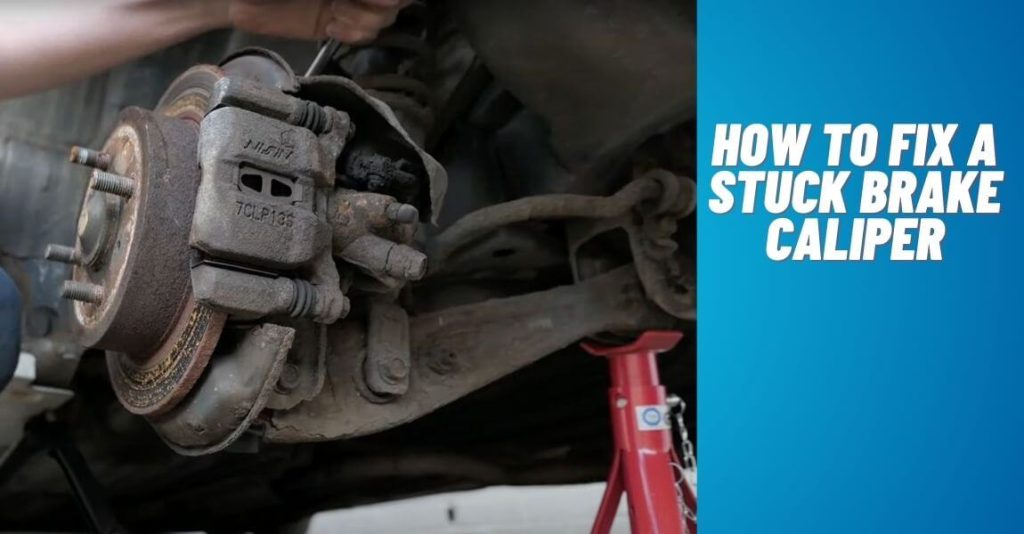
To fix a stuck brake caliper, you must secure the vehicle, remove the wheel, inspect the slider pins for corrosion, and use a specialized caliper tool or C-clamp to safely compress the piston back into its housing.
Brake calipers play a crucial role in a vehicle’s braking system, as they are responsible for applying hydraulic pressure to the brake pads to friction-stop the rotating rotors. However, over time, environmental road grit and intense thermal cycles can cause brake calipers to become stuck or seized. This leads to dangerous braking performance, rapid fuel consumption, and destroyed pads.
As an ASE-Certified Master Technician, I have seen too many drivers destroy their entire braking assembly—including melting their hub bearings—by driving on a seized caliper for “just a few miles.” In this workshop guide, we will break down the precise chemical and mechanical causes behind a frozen caliper, outline a step-by-step repair pipeline that actually works, and review the exact 2026 shop cost metrics.
Contents
Diagnosing the Failure: Symptoms of a Seized Caliper
A stuck brake caliper exhibits clear mechanical and thermal warning signs before total failure occurs.
- Severe Vehicle Pulling: When a front caliper fails to release, the brake pad continuously drags against the rotor. This creates an asymmetric braking force that violently pulls the steering wheel toward the stuck side during acceleration and coasting.
- Intense Thermal Radiation (Wheel Heat): Kinetic friction generates extreme thermal energy. If you walk past your vehicle after a drive and feel distinct heat radiating from one specific wheel, or notice a sharp chemical burning odor, that caliper’s piston is locked in the extended position.
- The Misfiring Slide Test: During a physical inspection, look for dramatic pad asymmetry. If the inner brake pad is worn down to the bare metal backing plate while the outer pad looks brand new, your caliper slide pins are completely frozen.
How to Fix a Stuck Brake Caliper: Step-by-Step Workshop Guide
Necessary Tools and Materials:
- Hydraulic floor jack and heavy-duty jack stands
- Lug wrench and metric socket set
- Heavy-duty C-clamp or a disc brake piston compression tool
- Aerosol brake cleaner solvent and a stiff wire brush
- High-temperature synthetic silicone brake grease (Do not use standard chassis grease)
1. Execute Safety Lock and Wheel Removal: Under 10 min.
Park the vehicle on a flat, concrete surface. Engage the emergency parking brake, place wheel chocks behind the rear tires, loosen the lug nuts by one turn, jack up the vehicle, and secure it safely on sturdy jack stands. Completely remove the lug nuts and pull off the wheel assembly.
2. Extract the Caliper Mount Bolts: 5 min.
Locate the two rear-facing caliper mounting bolts on the back of the knuckle. Use the correct socket size to loosen and remove them. Gently pry the caliper off the rotor assembly. Critical Safety Rule: Never let the heavy caliper hang by its flexible rubber brake hose; suspend it securely from the suspension spring using a heavy-duty mechanic’s wire or bungee cord.
3. Diagnose the Seizure Vector (Pins vs. Piston): 5 min.
Pull the rubber boots off the slide pins and check if the pins slide freely. If the pins are locked solid in the bracket, your issue is corroded sliders. If the pins move smoothly but the brake pads are wedged hard against the rotor, the hydraulic piston itself is seized inside its bore.
4. Clean and Lubricate Corroded Sliders: 10 min.
If the pins are stuck, slide them out entirely. Use a wire brush and brake cleaner to scrub away all rust, crust, and old degraded grease from the pins and inside the bracket bores. Apply a generous layer of high-temperature synthetic silicone brake grease to the smooth shafts of the pins and reinsert them into their rubber boots.
5. Compress the Caliper Piston Safely: 5 min.
Place an old brake pad directly over the circular face of the caliper piston to distribute force evenly. Position your heavy-duty C-clamp over the back of the caliper housing and the old pad. Slowly turn the clamp thread to push the piston back until it sits completely flush with the caliper housing bore. Note: If the piston refuses to move even under heavy clamp pressure, the internal square-cut seal has failed, and the entire caliper must be replaced.
1. Reassemble Pads and Caliper Mounts: 10 min.
Install fresh, high-quality brake pads into the caliper bracket clips. Slide the compressed caliper smoothly over the new pads and align the mounting holes. Reinstall the slider bolts and torque them down to factory specifications (typically 25 to 35 ft-lbs depending on the vehicle platform).
2. Mount the Wheel and Lower the Vehicle: 5 min.
Lift the wheel back onto the lug studs and hand-tighten the lug nuts. Raise the car off the jack stands using your floor jack, lower the vehicle carefully to the ground, and torque the lug nuts in a classic star pattern to your manual’s explicit rating.
3. Pump the Hydraulic Brake System: 2 min.
Do not shift the car into drive yet. Sit in the driver’s seat and slowly pump the brake pedal 4 to 6 times. The first few pumps will feel completely soft because the piston needs to expand out to meet the new pads. Pump until the pedal feels firm and rigid. Check the brake fluid reservoir under the hood and top off with fresh DOT 3 or DOT 4 fluid if necessary.
US Automotive Brake Repair Cost Metrics
| Repair Pathway | Average Component Cost | Shop Labor (Average) | Total Estimated Cost |
| DIY Slide Pin Service & Grease | $10 (Grease & Cleaner) | $0 (Driveway Labor) | $10 |
| New Brake Pads (Axle Set) | $45 – $95 | $100 – $150 | $145 – $245 |
| Single Caliper Replacement | $70 – $160 | $120 – $220 | $190 – $380 |
| Complete Brake Overhaul (Pads/Rotors/Caliper) | $220 – $450 | $350 – $600 | $570 – $1,050+ |
FAQs About How To Fix A Stuck Brake Caliper
Can I use standard WD-40 or engine oil to lubricate my frozen caliper slide pins?
Absolutely not. Petroleum-based lubricants (like WD-40, motor oil, or chassis grease) will chemically react with the rubber dust boots and cause them to swell, tear, and degrade within weeks. Once the boot tears, moisture enters and locks the brakes solid. Always use clear, high-temperature synthetic silicone or ceramic brake grease.
Why does a stuck brake caliper cause my vehicle’s gas mileage to drop?
A stuck caliper creates a phenomenon known as mechanical brake drag. The pads are constantly clamping down on the spinning rotor even when your foot is off the pedal. This forces your engine to work twice as hard to overcome the constant friction, dramatically dropping your MPG and stressing the transmission.
Can you drive with a stuck caliper?
It’s not safe to drive with a stuck brake caliper. A stuck caliper can cause uneven braking, excessive heat buildup, and reduced control, which can lead to accidents. It’s crucial to address this issue before driving your vehicle.
How do you push back a stuck brake piston?
To push back a stuck brake piston, follow these steps:
- Prepare the C-Clamp: Place an old brake pad or a piece of wood over the caliper piston to protect it.
- Position the C-Clamp: Position the C-clamp over the caliper and slowly tighten it until the caliper piston retracts into the caliper housing. This should free up the stuck piston.
What does a stuck brake caliper do?
A stuck brake caliper can cause several issues, including:
- Uneven Brake Wear: One brake pad may wear out faster than the others, leading to uneven braking.
- Reduced Braking Efficiency: The caliper’s inability to release fully can result in reduced braking power and longer stopping distances.
- Overheating: Continuous contact between the brake pad and rotor due to a stuck caliper can generate excessive heat, potentially damaging brake components.
- Safety Concerns: Driving with a stuck caliper can compromise vehicle control and safety, making it essential to address the issue promptly.
The Bottom Line
A seized brake caliper is a cascading mechanical failure. Ignoring the initial warning signs like uneven brake wear or a light steering wheel pull will rapidly cook your pads, warp your expensive brake rotors, and boil your hydraulic brake fluid. Take 30 minutes to pull your wheel, inspect your slide pins, and ensure your piston retracts cleanly under pressure.
System Calibration Resources: If your caliper lockup has boiled your hydraulic lines or triggered unexpected anti-lock braking warnings on your dashboard, check our workshop guide onHow to Read Check Engine Light Codes Without a Scannerto pull pending ABS codes. For alternative fueling issues or tracking down complex mechanical problems like unburnt fuel pops, read our deep-dive analysis on Why an Engine Runs Rich.