
This article was updated in March 3, 2026 with new products and information by Mark S. Taylor
The most common symptoms of an exhaust manifold leak are a loud ticking noise when the engine is cold, a burning smell from the engine bay, exhaust fumes entering the cabin, a check engine light, poor fuel economy, loss of power, visible soot or cracks on the manifold, and rising engine temperature. This is not just an annoying noise. It is a safety hazard. Exhaust gases contain carbon monoxide, which can be deadly if it enters your car. We have seen drivers ignore the sound until their engine overheated or wires melted. This guide explains the symptoms of an exhaust manifold leak clearly. You will learn how to spot the problem, test for it at home, and what it costs to fix before it hurts you or your wallet.
Contents
- 1 What Does an Exhaust Manifold Do?
- 2 8 Symptoms of an Exhaust Manifold Leak
- 2.1 1. Ticking or Tapping Noise at Cold Start
- 2.2 2. Burning Smell from the Engine Bay
- 2.3 3. Exhaust Fumes Inside the Cabin ⚠️ Safety Alert
- 2.4 4. Check Engine Light (CEL)
- 2.5 5. Poor Fuel Economy
- 2.6 6. Loss of Power and Sluggish Acceleration
- 2.7 7. Visible Soot or Cracks on the Manifold
- 2.8 8. Rising Engine Temperature
- 3 How to Diagnose an Exhaust Manifold Leak Yourself (4 DIY Tests)
- 4 What Causes an Exhaust Manifold to Leak?
- 5 Exhaust Manifold Leak Repair Cost
- 6 Can You Drive with an Exhaust Manifold Leak?
- 7 FAQs About
- 8 Bottom Line — Don’t Ignore These Signs
What Does an Exhaust Manifold Do?
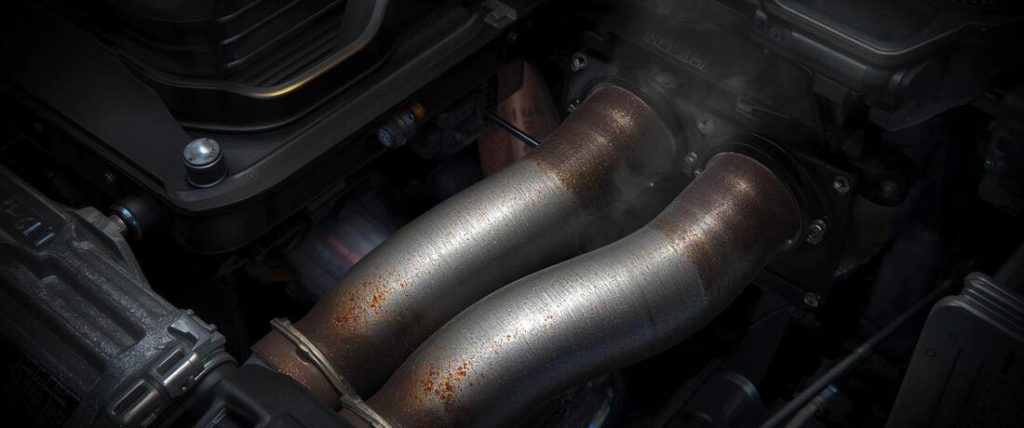
The exhaust manifold collects exhaust gases from the engine cylinders and directs them into the exhaust pipe.
Think of it as a funnel. It bolts directly to the engine block. It takes the hot gas from each cylinder and merges it into one pipe. This part gets incredibly hot. It handles extreme heat every time you drive. It must seal perfectly to keep those gases moving away from the engine and out the tailpipe.

8 Symptoms of an Exhaust Manifold Leak
Identifying a leak early saves you money and keeps you safe.
1. Ticking or Tapping Noise at Cold Start
A distinct ticking sound is the most common sign of a leak.
This noise is loudest right after you start the engine. Why? The metal is cold. A small crack or gap in the manifold gasket opens up. When you accelerate, the sound often gets faster and louder. It sounds like a sewing machine or a playing card in bicycle spokes.
Real-world scenario: You start your car on a cold morning. You hear “tick-tick-tick” from under the hood. After 10 minutes, the engine warms up. The metal expands. The crack seals itself. The noise fades. Do not be fooled. The leak is still there. It will get bigger.
2. Burning Smell from the Engine Bay
Hot exhaust gases can melt nearby plastic and rubber parts.
If the leak is near the top of the engine, the hot gas hits wires, hoses, or plastic covers. They start to melt. You will smell acrid, burning plastic or hot metal. This is a serious fire hazard.
What to check: Open the hood carefully. Look for smoke. Sniff for a smell like burnt toast or melting rubber. If you see smoke, turn off the car immediately.
3. Exhaust Fumes Inside the Cabin ⚠️ Safety Alert
Exhaust fumes inside your car are a deadly danger.
This is the most dangerous symptom. The HVAC system pulls air from the base of the windshield. If the manifold leaks near the air intake, exhaust gas gets sucked into the car. Carbon monoxide (CO) is in that gas. You cannot see it or smell it.
Warning signs of CO poisoning:
- Headache.
- Dizziness.
- Nausea.
- Confusion.
Action: If you feel these symptoms, roll down all windows immediately. Get out of the car. Do not drive it until the leak is fixed. According to the CDC, CO poisoning can happen quickly in enclosed spaces like a car cabin.
4. Check Engine Light (CEL)
A leak often tricks the computer into turning on the check engine light.
The oxygen sensors measure oxygen in the exhaust. A leak lets extra air enter the system before the sensor. The sensor reads “too much air” or a “lean” mixture. The computer tries to fix this by adding more fuel.
Common codes to look for:
- P0171: System Too Lean (Bank 1).
- P0136: O2 Sensor Circuit Malfunction.
- P0420: Catalyst System Efficiency Below Threshold.
You might clear the code, but it will return. You must fix the leak to stop the code. For more help with codes, read our guide on symptoms of a bad O2 sensor.
5. Poor Fuel Economy
You will visit the gas station more often.
The computer adds extra fuel to balance the “lean” reading from the O2 sensor. This wastes gas. You might see your MPG drop by 2 to 5 miles per gallon. If your car suddenly uses more gas, check for other symptoms of a leak.
6. Loss of Power and Sluggish Acceleration
The engine feels weak when you hit the gas.
The exhaust system needs backpressure to work right. A leak breaks this pressure. The engine cannot push exhaust out efficiently. This kills low-end torque. You step on the gas, but the car struggles to speed up. It feels worse on hills or when passing.
If your car feels sluggish, it might not just be the exhaust. It could be other issues. Check our article on symptoms of a bad fuel filter to rule that out.
7. Visible Soot or Cracks on the Manifold
You can often see the evidence of a leak.
Use a flashlight. Look at the manifold where it bolts to the engine. Do you see black soot? That is carbon deposit from the exhaust gas escaping. It looks like black dust or stain.
What to look for:
- Black stains: These mark the path of the leak.
- Cracks: Look for lines in the metal or gasket surface.
- Wetness: Sometimes, condensation drips from the crack.
8. Rising Engine Temperature
The engine might run hotter than normal.
Hot exhaust gas is very hot, often over 1,000 degrees Fahrenheit. If this gas blows onto the engine block or coolant hoses, it raises the temperature. Your temperature gauge might creep up. Overheating can warp the cylinder head or blow a gasket. If you see the gauge rising, stop driving. Check our guide on symptoms of a blown head gasket to see if the damage has spread.
How to Diagnose an Exhaust Manifold Leak Yourself (4 DIY Tests)
You can find the leak in your driveway with simple tools.
The Soapy Water Test
This method works well for finding small leaks.
- Start the engine. Let it idle.
- Mix water and dish soap in a spray bottle.
- Spray the soapy water around the manifold edges and gasket.
- Watch for bubbles. The escaping air will blow the bubbles.
- Warning: The engine gets hot fast. Be careful not to burn yourself.
The Hand Test (Feel for Air Escaping)
This is the easiest check.
- Start the engine cold.
- Hold your hand near the manifold flange. Do not touch it.
- Move your hand around the edges.
- Feel for puffs of air hitting your skin.
- Safety: Do not do this on a hot engine. The air and metal can burn you.
OBD2 Scanner — Codes to Check
Use a scanner to confirm your suspicions. Plug in your OBD2 scanner. Look for codes like P0171 or P0300 (misfire). If you have these codes plus a ticking noise, the manifold is likely the culprit.
Cold-Start Sound Test
Use your ears. Start the car cold. Listen to the engine. Rev it slightly. Does the ticking noise match the engine speed? If it does, and it quiets down as the car warms up, you likely have a leak. RepairPal notes that this specific sound pattern is a classic sign of exhaust manifold issues.
What Causes an Exhaust Manifold to Leak?
Most leaks happen because of heat and age.
- Thermal Stress: The manifold heats up and cools down every time you drive. This expands and shrinks the metal. Eventually, it cracks.
- Gasket Failure: The gasket between the manifold and the engine block is often the weak point. It crushes and rots over time.
- Loose Bolts: The bolts holding the manifold can vibrate loose. This breaks the seal.
- Corrosion: Rust eats through the metal, especially on older cars.
Exhaust Manifold Leak Repair Cost
Fixing it early is much cheaper than waiting.
| Repair Type | DIY Cost | Shop Cost |
|---|---|---|
| Gasket Replacement | $20 – $60 (parts) | $200 – $600 |
| Manifold Replacement | $80 – $500 (parts) | $400 – $1,200 |
| Bolt/Stud Repair | $5 – $20 (parts) | $100 – $300 |
| Epoxy Fix | $10 – $30 | N/A (Not recommended) |
Note: Some studs can break during removal. This increases labor time. A shop might charge more if the bolts snap off.
Can You Drive with an Exhaust Manifold Leak?
You should not drive with an exhaust manifold leak.
It is dangerous. The fumes can enter the cabin and poison you. The hot gas can melt wires and cause a fire. The engine will also run poorly and use more gas. If you must drive, keep all windows open. Turn off the recirculation button on your AC. This pulls fresh air from outside, but if the leak is bad, even that might not help. Get it fixed immediately.
FAQs About
What does an exhaust manifold leak sound like?
It sounds like a loud ticking or tapping noise. It is often mistaken for a valve issue. The sound is loudest when the engine is cold and during acceleration. It may quiet down as the engine heats up and metal expands.
Can an exhaust manifold leak cause a misfire?
Yes, it can. A large leak allows air to enter the exhaust stream. The computer tries to add more fuel to compensate. This can foul spark plugs and cause a misfire code like P0300.
How serious is an exhaust manifold leak?
It is very serious. It poses a health risk due to carbon monoxide. It can also start an engine fire by melting wires. It will eventually damage the catalytic converter and oxygen sensors.
Will an exhaust manifold leak affect O2 sensor readings?
Yes. The leak adds oxygen to the exhaust before the sensor. The sensor reads this as a “lean” condition. The computer adds too much fuel. This ruins fuel economy and performance.
How long can you drive with a leaking exhaust manifold?
You should not drive it at all. If you must, drive only a short distance to a shop. Keep windows down. Do not drive on the highway where you might fall asleep from fumes. Have it towed if the smell is strong inside the car.
Bottom Line — Don’t Ignore These Signs
An exhaust manifold leak is more than just a noise. It is a warning. The ticking sound will get louder. The fumes will get worse. The risk of fire or carbon monoxide poisoning is real. We have seen small gasket leaks turn into cracked heads and melted wiring harnesses. Do not wait. If you hear the tick or smell the gas, check it now. A repair costs a few hundred dollars. A new engine or hospital bill costs thousands. Fix the leak, drive safe, and breathe easy.
Quick Summary
- A loud ticking noise at cold start is the top symptom.
- Carbon monoxide from the leak is a deadly safety risk.
- The check engine light may show “lean” codes like P0171.
- You will likely see poor fuel economy and power loss.
- Look for black soot or cracks near the manifold.
- Do not drive with fumes inside the cabin.
- Repair costs range from $200 to $1,200 depending on the damage.