
This article was updated in April 19, 2026 with new products and information by Mark S. Taylor
Nothing ruins a summer drive like hot air from your vents. The symptoms of a bad AC compressor are easy to spot once you know them. I have fixed many car AC systems in my shop. A bad pump ruins your whole day. This guide shows you eight clear warning signs. We also show you how to check it at home. Read our full guide on car AC not blowing cold air to learn more.
Contents
- 1 What Does an AC Compressor Do?
- 2 8 Symptoms of a Bad AC Compressor in a Car
- 2.1 1. AC Blows Warm or Hot Air
- 2.2 2. Loud Grinding, Rattling, or Squealing Noise When AC Is On
- 2.3 3. AC Compressor Clutch Not Engaging
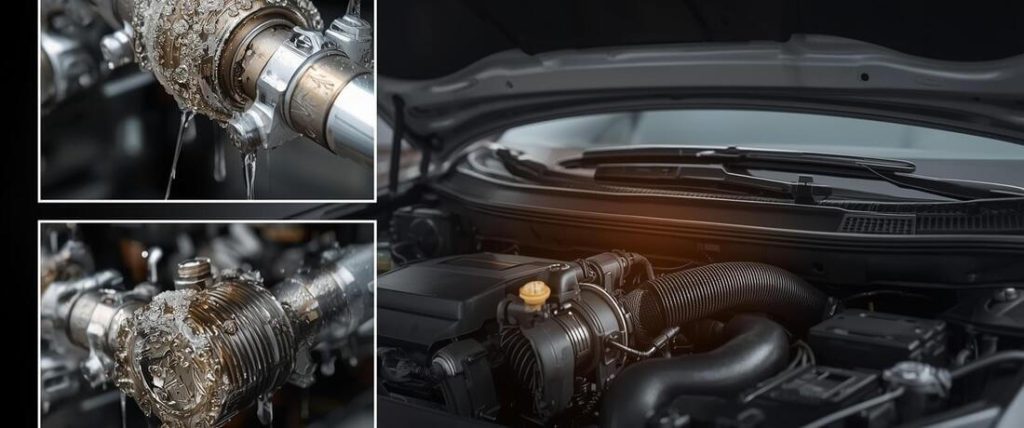
- 2.4 4. Refrigerant Leak (Oily Residue or Hissing Sound)
- 2.5 5. AC Cycling On and Off Too Frequently
- 2.6 6. Sweet or Chemical Smell From Vents or Under Hood
- 2.7 7. Uneven Cooling From Vents (Some Vents Cold, Some Warm)
- 2.8 8. Visible Damage, Rust, or Oil on the Compressor Body
- 3 Is It the Compressor or Just Low Refrigerant? How to Tell the Difference
- 4 Symptom Severity Scale — How Urgent Is Your AC Problem?
- 5 How to Inspect Your AC Compressor at Home (5-Minute Check)
- 6 What Causes a Car AC Compressor to Fail?
- 7 Is It Safe to Drive With a Bad AC Compressor?
- 8 AC Compressor Repair Cost — What to Expect
- 9 How to Make Your AC Compressor Last Longer
- 10 FAQs About Symptoms of a Bad AC Compressor
- 11 Bottom Line — Verdict
What Does an AC Compressor Do?
The AC compressor pumps cold freon through your car to make the air cold. It is the heart of the cooling system. The engine turns it using a drive belt. It takes low-pressure gas and makes it high-pressure liquid. Without this part, you get zero cold air at all. The freon flows from the pump to the front condenser. Then it goes to the expansion valve. Next, it hits the evaporator under the dash. Finally, cold air blows into the cabin. Then the gas goes back to the pump to start again.
8 Symptoms of a Bad AC Compressor in a Car
A bad AC compressor causes warm air, loud noises, and fluid leaks under the hood. You should watch for these eight signs to save money on big repairs. Spotting them early is the best way to keep your repair bill low.
1. AC Blows Warm or Hot Air
Warm air from your vents is the first sign of a bad AC compressor. The pump cannot push the freon anymore. The air gets warmer over a few days. Soon, you have no cold air at all. Think of a hot day in July. You turn the dial to cold, but hot air hits your face. This means the pump failed.
2. Loud Grinding, Rattling, or Squealing Noise When AC Is On
A loud grinding noise means the inside bearings of the pump are broken. A rattle means parts are loose inside the metal case. A squeal means the drive belt is slipping. Turn the AC on and off to test it. If the noise stops when the AC is off, the pump is bad. This loud squeal can also mean your serpentine belt is bad.
3. AC Compressor Clutch Not Engaging
A clutch that does not click means the pump gets no power from the engine. The clutch hooks the pump to the engine belt. It should click and spin when you turn on the AC. If it stays still, the coil might be broken. If it stays stuck on, the part will overheat fast. You can look at the front of the pump to see if it spins.
4. Refrigerant Leak (Oily Residue or Hissing Sound)
An oily spot or hissing sound under the hood means you have a bad freon leak. Old rubber seals dry out and crack over time. Freon is a gas, but it leaves dark oily dirt when it leaks out. A shop uses a special UV light to find hidden leaks. It is against the law to vent freon into the air. Check the EPA rules on freon to see why you need a pro for this.
5. AC Cycling On and Off Too Frequently
An AC system that clicks on and off every few seconds has a failing compressor. It is normal for the part to cycle on and off. But bad internal wear makes it turn off way too fast. Low freon levels can also cause this rapid clicking problem. The car computer senses a problem and shuts it down to prevent damage.
6. Sweet or Chemical Smell From Vents or Under Hood
A faint sweet smell from the vents means your freon is leaking into the cabin. Freon has a weird, sweet chemical smell. It does not smell like normal car smoke. A bad seal near the pump causes this odor. Open the windows right away if you smell it. Breathing freon is not safe in a closed car.
7. Uneven Cooling From Vents (Some Vents Cold, Some Warm)
Weak and uneven cold air means the compressor cannot hold steady pressure. This is a very early sign of total failure. One vent might feel cold while the other feels warm. You might just need a freon recharge. But you need a pro to test the pressure to know for sure.
8. Visible Damage, Rust, or Oil on the Compressor Body
Rust and thick oil on the outside of the pump mean the inside is likely ruined too. Look at the part under the hood with a flashlight. Check for deep cracks, bent metal, or heavy rust. Road water and salt cause the outside to rust. Moisture ruins the inside parts just as fast.
Is It the Compressor or Just Low Refrigerant? How to Tell the Difference
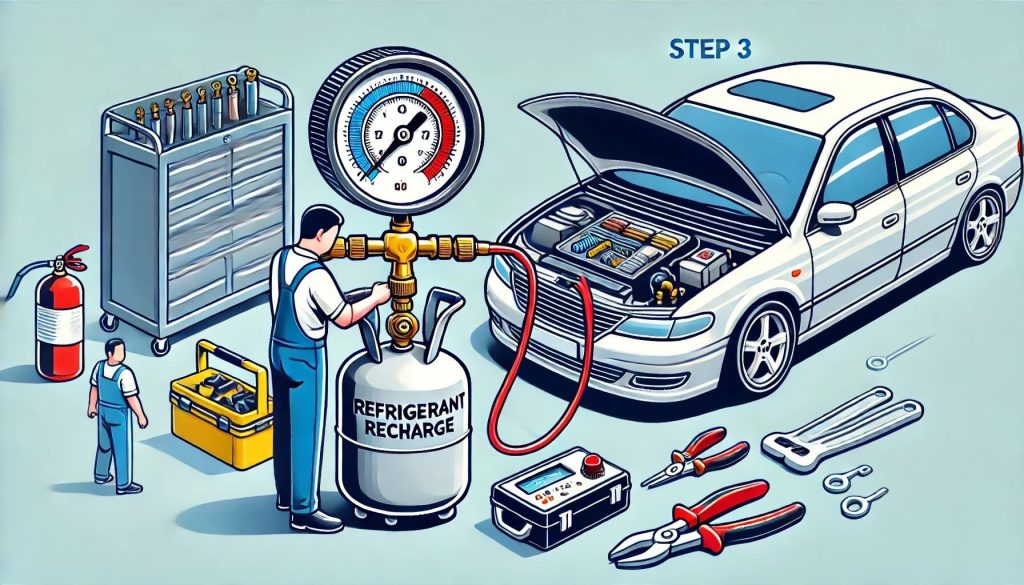
You can tell a bad compressor from low freon by listening for loud grinding noises. Low freon just makes the air warm. A bad pump makes warm air plus bad grinding noises. Look at the table below to see the exact differences.
| Symptom | Low Refrigerant | Bad Compressor |
|---|---|---|
| Warm air from vents | ✅ Yes | ✅ Yes |
| Gradual cooling loss | ✅ Yes | Sometimes |
| Sudden total AC failure | ❌ Rarely | ✅ Yes |
| Grinding or rattling noise | ❌ No | ✅ Yes |
| Clutch not engaging | ❌ No | ✅ Yes |
| Oily residue around pump | Sometimes | ✅ Yes |
| Inconsistent day-to-day AC | ❌ Unlikely | ✅ Common |
Symptom Severity Scale — How Urgent Is Your AC Problem?
A grinding noise or hot air means you need an urgent AC repair right away. Do not wait if the part makes bad sounds. Use this scale to see how fast you must act.
- 🟡 Minor: Air is slightly warm or has a faint smell. Get it checked soon.
- 🟠 Moderate: AC cycles rapidly or blows uneven air. Schedule a repair this week.
- 🔴 Serious: Loud grinding, clutch is stuck, or air is totally hot. Do not delay. You risk damage to other parts.
- ⛔ Critical: The pump is totally seized or the belt is broken. Stop using the AC right now. See a mechanic today.
How to Inspect Your AC Compressor at Home (5-Minute Check)
You can check your AC compressor at home by looking for oil and listening for clicks. Follow these easy steps to find the problem. First, park the car and let the engine cool down. Open the hood and find the pump on the drive belt. Look for thick oil, cracks, or rust on the metal case. Start the engine and turn the AC to max cold. Watch the front of the pump. It should click and spin. Listen for bad grinding noises when it spins. Turn the AC off. If the grinding noise stops, the pump is bad. Do not touch the freon lines yourself. Only a certified tech can open the freon system.
What Causes a Car AC Compressor to Fail?
An AC compressor fails most often due to old age and very low freon levels. Low freon stops the oil from flowing inside the pump. The dry metal parts rub together and break. Blocked lines make the pump work way too hard. Electrical shorts can kill the clutch coil. You should run the AC in the winter to keep the rubber seals wet. A bad cabin air filter can also make the whole system work too hard and fail faster.
Is It Safe to Drive With a Bad AC Compressor?
You can drive with a bad AC compressor, but it is a bad idea for a long trip. You will be very hot in the summer. This is unsafe for young kids or older adults. A totally seized pump can snap the engine belt. If that belt breaks, you lose your power steering and alternator. This leaves you stuck on the side of the road. A freon leak left alone will also ruin the rest of the AC parts.
AC Compressor Repair Cost — What to Expect
Fixing an AC compressor costs between $100 for a simple recharge and $2,500 for a full new system. The price depends on the damage. A freon recharge is cheap if the pump still works. A new pump costs a lot because the job is hard.
| Repair Type | Estimated Cost | Notes |
|---|---|---|
| AC freon recharge | $100–$300 | If pump is still good |
| Compressor clutch repair | $150–$400 | Sometimes fixes the issue |
| AC compressor replacement | $800–$1,500 | Parts plus labor |
| Full AC system overhaul | $1,500–$2,500+ | If dirt ruined other parts |
💡 Pro Tip: Always ask the shop to replace the receiver dryer when they put in a new pump. This stops old dirt from killing your brand new part.
How to Make Your AC Compressor Last Longer
You can make your AC compressor last longer by running it for ten minutes every single week. Run the AC even in the cold winter months. This keeps the rubber seals wet and soft. Get a full AC check before summer starts. Fix tiny freon leaks right away so the pump does not run dry. Change your cabin air filter once a year to help air flow. Keep bugs and dirt off the front condenser grille.
FAQs About Symptoms of a Bad AC Compressor
What are the most common symptoms of a bad AC compressor in a car?
The most common symptoms are hot air from the vents and loud grinding noises when the AC is turned on.
How can I check if my car AC compressor is bad?
You can check it by turning on the AC and listening for a click. If it does not spin or makes a loud noise, it is bad.
What is the 3 minute rule for AC?
The 3 minute rule means you should wait three minutes after starting the car before turning on the AC to protect the engine.
What happens when an AC compressor goes bad in a car?
When the pump goes bad, it stops pumping freon. Your car will blow hot air, and the pump might make a loud grinding noise.
How do I check my AC compressor clutch at home?
Turn the AC to max cold and look at the front of the pump. The center part should click and spin. If it stays still, the clutch is bad.
Bottom Line — Verdict
A bad AC compressor gives you many clear warnings before it breaks for good. Warm air and grinding noises mean you need a mechanic fast. A small fix today stops a huge repair bill next week. Do not wait until you are sweating on your way to work. Get the car checked out early to save money and stay cool. If your vents still blow hot air after a fix, read our full list of car AC issues to find the real cause.
Quick Summary
- Warm air from the vents is the first sign of a bad pump.
- Loud grinding noises mean the inside parts are broken.
- A clutch that will not click means the pump gets no power.
- Oily dirt under the hood points to a bad freon leak.
- You can drive with it, but a seized pump can break your drive belt.
- A new pump costs $800 to $1,500 to fix right.
- Run the AC for ten minutes a week to make it last longer.