
This article was updated in January 23, 2026 with new products and information by Mark S. Taylor
Hearing clunking, humming, or clicking from under your car? That noise could be coming from your drive shaft. The causes of drive shaft noise are often simple fixes if caught early. I have seen too many drivers wait too long. The drive shaft moves power from your engine to your wheels. In this guide, I will show you the 7 main causes. You will learn how to diagnose the sound and repair costs. Let’s get your car running quiet again.
Contents
What Is a Drive Shaft and What Does It Do?
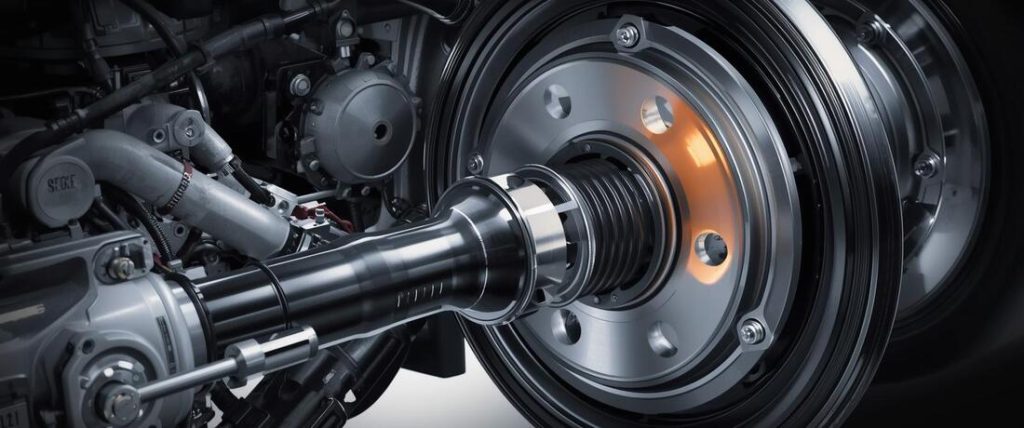
The drive shaft is a metal tube that sends power from the engine to the wheels.
It spins very fast. It connects the transmission to the axles.
Drive Shaft Basics
It is the bridge between power and movement.
- Rear-Wheel Drive (RWD): It runs from the front to the back.
- Four-Wheel Drive (4WD): You have two shafts. One goes front, one goes back.
- Front-Wheel Drive (FWD): These use short shafts called CV axles.
Main Drive Shaft Components
Small parts allow the big tube to spin and flex.
- U-Joints: Flexible hinges at each end.
- Center Bearing: A support ring for long shafts.
- Yoke: The slip joint that connects to the transmission.
Types of Drive Shaft Noises (and What They Mean)
The type of sound tells you which part is broken.
Clunking or Knocking
A loud thud means something is loose. You hear this when you shift from Park to Drive. It also happens when you hit the gas. It usually means a U-joint is bad.
Humming or Droning
A steady hum means a bearing is worn out. This sound gets louder as you go faster. It starts around 30 mph. It feels like a phone vibrating on the floor.
Squeaking or Chirping
High-pitched chirps mean a joint is dry. This is an early warning. The grease is gone. Metal rubs on metal. It speeds up as the car speeds up.
Clicking or Popping
Loud clicks in turns point to CV joints. This is for front-wheel drive cars. If you turn the wheel and hear “click-click-click,” the axle joint is worn.
Grinding or Scraping
Metal grinding is a sign of severe failure. A bearing has fallen apart. Or the shaft is rubbing on something. Stop driving if you hear this.
7 Main Causes of Drive Shaft Noise
Most noises come from worn joints or bad bearings.
Here are the most common culprits.
1. Worn or Damaged Universal Joints (U-Joints)
The most common cause of a clunk is a bad U-joint.
These joints let the shaft flex over bumps. They have needle bearings inside. When the grease dries up, they get loose.
- Symptoms: A clunk when shifting gears. A chirp that speeds up with the car.
- Why It Happens: Age and rust. Seals break and let water in.
- DIY Check: Put the car in neutral (use blocks!). Crawl under. Grab the shaft. Wiggle it hard. If it moves, the joint is bad.
- Safety: Medium to High. If it snaps, the shaft can drop.
- Repair Cost: $200–$500.
2. Failed or Worn Center Support Bearing (Carrier Bearing)
A worn support bearing causes a hum or vibration.
Long trucks and cars have a two-piece shaft. This bearing holds the middle up. It sits in a rubber ring.
- Symptoms: A howl or drone at highway speeds. You feel it in the seat.
- Why It Happens: The rubber rots. The bearing spins dry.
- DIY Check: Look at the rubber mount. Is it torn? Shake the shaft near the bearing. It should be firm.
- Safety: Medium. It causes bad vibration.
- Repair Cost: $200–$600.
3. Imbalanced or Bent Drive Shaft
A dented shaft spins like a wobble top.
The shaft must be perfectly straight. A small dent throws it off.
- Symptoms: Your dash or seat shakes. You hear a low hum. It gets worse fast.
- Why It Happens: You hit a rock or high curb. Or a balance weight fell off.
- DIY Check: Look for dents. Look for a clean spot where a weight used to be.
- Safety: Medium. It hurts the transmission seals.
- Repair Cost: $100–$250 to balance.
4. Loose or Missing Mounting Bolts
Loose bolts cause a scary rattle or clunk.
Bolts hold the shaft to the car. If they back out, the shaft wobbles.
- Symptoms: Loud clanking noises. It sounds like a hammer hitting the floor.
- Why It Happens: Vibration loosens them. Or they were not tight enough after a repair.
- DIY Check: Look at the ends of the shaft. Are all bolts there? Are they tight?
- Safety: High. The shaft can fall off.
- Repair Cost: $50–$150.
5. Dry or Unlubricated U-Joints
A dry joint squeaks before it breaks.
Some joints have grease fittings. You must grease them. If you skip this, they dry out.
- Symptoms: A rhythmic squeak. It sounds like a bird under the car.
- Why It Happens: Missed maintenance.
- DIY Check: Look for a small metal nipple on the joint. Add grease. If it stays quiet, you found the issue.
- Safety: Low to Medium. Fix it before it breaks.
- Repair Cost: $20–$50 for grease.
6. Worn CV Joints (Front-Wheel Drive & AWD)
Clicking while turning is the classic sign of a bad CV axle.
Front-wheel drive cars use CV joints. They wear out when the rubber boot rips. Dirt gets in and ruins the joint.
- Symptoms: Loud clicking on sharp turns. Grease inside the wheel rim.
- Why It Happens: The rubber boot tears.
- DIY Check: Turn the wheel all the way. Look behind the tire. Is the black rubber boot ripped?
- Safety: Medium to High. The axle can break.
- Repair Cost: $300–$800 per axle.
7. Excessive Driveshaft Angles (Modified Vehicles)
Lifted trucks often suffer from steep shaft angles.
If you lift a truck, the shaft has to reach further. This strains the joints.
- Symptoms: Vibration at low speed. A shudder when you take off.
- Why It Happens: The lift kit is too high for the stock shaft.
- DIY Check: Did you just lift the truck? That is likely the cause.
- Safety: Medium. Joints wear out very fast.
- Repair Cost: $200–$800 for spacers or a new shaft.
How to Diagnose Drive Shaft Noise: Step-by-Step
Follow these steps to find the source of the sound.
Step 1: Identify When the Noise Occurs
The timing gives you a clue. Does it happen when you shift? That is a U-joint. Does it happen at 60 mph? That is a balance issue. Does it happen in turns? That is a CV joint. If you have warning lights on your dash, check our Airbag Light guide to ensure it isn’t a safety system fault instead.
Step 2: Describe the Sound
Match the sound to the problem.
- Clunk: Loose joint.
- Hum: Bad bearing.
- Squeak: Needs grease.
- Click: Bad axle.
Step 3: Perform Visual Inspection (Safely)
Look for obvious damage. Put the car on jack stands. Never trust just a jack. Look for rust dust on the U-joints. This “red dust” is a sure sign of death for the joint.
Step 4: Perform Movement Test
Wiggle the parts to find play. With the car in neutral and wheels blocked, grab the shaft. Push it up and down. Twist it. It should be tight. Any click or wiggle is bad.
Step 5: Test Drive Observations
Drive safely to listen. Find a quiet road. Roll the windows down. Listen near a wall to hear the echo. Note the speed when the noise starts.
Drive Shaft Noise vs. Other Sounds
Make sure it isn’t your brakes or tires.
Driveshaft vs. Differential Noise
The differential howls when you step on the gas. A bad ring gear howls on acceleration but gets quiet when you coast. A drive shaft noise usually stays the same or vibrates.
Driveshaft vs. Wheel Bearing Noise
Wheel bearings rumble like a jet plane. Swerve gently (if safe). If the noise changes when you lean the car, it is a wheel bearing. Drive shaft noise does not change when you swerve.
Driveshaft vs. Exhaust Noise
Exhaust leaks sound like air puffing. Rev the engine in Park. If you hear it, it is the exhaust. Drive shaft noise only happens when the car moves.
Is It Safe to Drive with Drive Shaft Noise?
It depends on the sound and severity.
Immediate Danger Signs (Stop Driving)
Do not drive if the car shakes violently. If you hear loud grinding or metal banging, stop. Call a tow truck. The shaft could fall out.
Drive Carefully to Shop (Schedule Soon)
You can drive a short distance with a squeak. A small chirp or light clunk is a warning. You have a few days. But do not take a road trip.
Risks of Ignoring Drive Shaft Problems
A broken shaft is catastrophic. If the front of the shaft drops, it digs into the road. This can flip the car. If the back drops, it whips around and destroys the car floor.
Drive Shaft Noise Prevention Tips
Keep the shaft happy with simple care.
Regular Maintenance
Grease the joints at every oil change. If your car has fittings, use a grease gun. Fresh grease pushes out dirt. Also, check for Symptoms of a Brake Fluid Leak while you are under there, as fluids can damage rubber mounts.
Protect from Damage
Watch out for rocks and curbs. Do not high-center your car. A dented shaft is a ruined shaft.
Proper Modifications
Lift your truck the right way. If you go high, drop the transfer case. Or buy a longer drive shaft. Keep the angles flat.
Repair Cost Summary
Here is what you can expect to pay.
| Problem | Typical Cost | Urgency |
| Worn U-Joints | $200–$500 | Medium-High |
| Center Bearing | $200–$600 | Medium |
| Shaft Balance | $100–$250 | Medium |
| Loose Bolts | $50–$150 | High |
| Lube Job | $20–$50 | Low |
| CV Axle | $300–$800 | Medium-High |
Costs vary by car and location.
FAQ About Causes of Drive Shaft Noise
What are some common causes of drive shaft noise?
The top causes are worn U-joints, a bad center bearing, or a loose bolt. A dented shaft or bad CV joint also makes noise.
What does it sound like when your drive shaft is going out?
It sounds like a clunk when you shift gears. Or it sounds like a squeak that gets faster as you drive. Some people hear a low humming vibration.
How much does it cost to fix a drive shaft?
A simple U-joint fix costs about $300. A full shaft replacement can cost over $800. It depends on the damage.
Is it safe to drive with a bad drive shaft?
No, it is risky. If it breaks, you lose power. It can also cause a crash. Fix it as soon as you hear noise.
Can I drive with drive shaft noise?
You can drive to the shop if the noise is quiet. If the car shakes or bangs loudly, do not drive. Tow it to be safe.
Bottom Line: Don’t Ignore Drive Shaft Noise
Drive shaft noise isn’t something to ignore. Whether it’s clunking from worn U-joints, humming from a bad center bearing, or clicking from CV joints, these sounds signal wear that will only get worse.
The good news? Most driveshaft repairs are straightforward and affordable when caught early. Waiting can lead to complete failure, leaving you stranded or causing expensive damage to your transmission or differential.
Key takeaways:
- Clunking = worn U-joints or loose bolts.
- Humming = center bearing or imbalance.
- Clicking = CV joints (FWD/AWD).
- Squeaking = dry U-joints needing lube.
If you hear any unusual noise from underneath your vehicle, have it inspected soon. A quick diagnosis can save you from a roadside breakdown and costly repairs.