
This article was updated in March 23, 2026 with new products and information by Mark S. Taylor
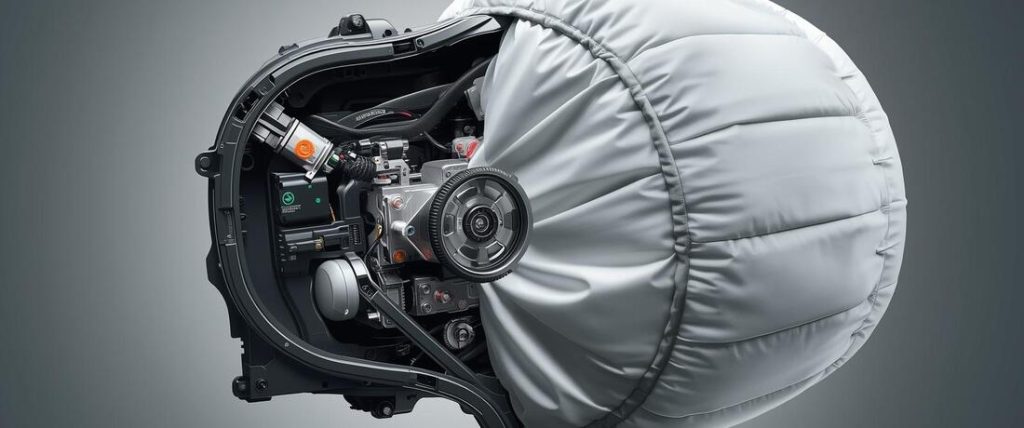
Your airbag does something remarkable. In 20–30 milliseconds — faster than the blink of an eye — it senses a crash, decides whether to deploy, fires a tiny explosive, generates nitrogen gas, and inflates a nylon cushion between you and the steering wheel. That is the whole system working together seamlessly. Understanding the parts of an airbag system isn’t just for engineers. It helps you know why the SRS light matters, what “replacing the airbag” actually means, and what to look for when buying a used car. This guide covers all 11 components of a modern airbag system in plain language — what each part is, what it does, and what fails when it goes wrong.
Contents
- 1 What Is an Airbag System Called? (SRS, SIR, ACRS Explained)
- 2 The 11 Parts of an Airbag System
- 2.1 Part 1 — SRS Airbag Control Module (ACU/ECU) — “The Brain”
- 2.2 Part 2 — Crash Sensors — “The Trigger”
- 2.3 Part 3 — The Airbag Inflator — “The Gas Generator”
- 2.4 Part 4 — The Squib — “The Matchstick”
- 2.5 Part 5 — The Airbag Cushion — “The Bag Itself”
- 2.6 Part 6 — The Clock Spring — “The Moving Connector”
- 2.7 Part 7 — The Wiring Harness — “The Nervous System”
- 2.8 Part 8 — The SRS Warning Light — “The Canary”
- 2.9 Part 9 — Backup Power Supply — “Emergency Capacitor”
- 2.10 Part 10 — Occupant Detection Sensors — “Who’s in the Seat?”
- 2.11 Part 11 — Seat Belt Pretensioners — “The SRS-Linked Restraint”
- 3 Modern Airbag Locations — More Than Just the Steering Wheel
- 4 The Deployment Sequence — What Happens in 30 Milliseconds
- 5 What Gets Replaced After Airbag Deployment?
- 6 FAQs About Parts of an Airbag System: 11 Components Explained
- 7 Bottom Line — Why Understanding These Parts Matters
What Is an Airbag System Called? (SRS, SIR, ACRS Explained)
The airbag system has many names, but they all mean the same thing. You might see SIR, SRS, or ACRS.
HTSaves notes that the airbag restraint system has acquired several names. These include SIR (Supplemental Inflation Restraint), SRS (Supplemental Restraint System), and ACRS (Air Cushion Restraint System).
The word “supplemental” is deliberate. Airbags are designed to supplement, not replace, seat belts. The Truck Stop advises that a safety belt should always be worn. An airbag without a seat belt can cause serious injury. It deploys with enormous force.
A typical system consists of an airbag module, crash sensors, a diagnostic monitoring unit, a steering wheel connecting coil, and an indicator lamp. These parts connect by a wiring harness. Modern vehicles have even more parts. Here is a complete look.
The 11 Parts of an Airbag System
Part 1 — SRS Airbag Control Module (ACU/ECU) — “The Brain”
The SRS module is the computer that controls the entire airbag deployment process. It is the brain of the operation.
This computer constantly monitors input from various crash sensors. Quora explains that when an impact occurs, the module processes data in milliseconds. It decides if deployment is necessary. It also runs self-checks every time you start the car.
Location: You typically find the ACU under a seat or the center console. It bolts to the vehicle floor.
The startup self-test: Watch your dashboard when you start the car. The SRS light should blink 3–7 times and then turn off. This tells you the system is functional. If the light stays on, the module has found a fault. You need a scan to find the trouble codes.
What happens in a crash: The ACU stores “crash detected” codes after deployment. This locks the module. If the codes cannot be cleared, you must replace the module.
Part 2 — Crash Sensors — “The Trigger”
Crash sensors tell the airbag module when a collision happens. Without them, the airbag will not deploy.
BobIsTheOilGuy states that these sensors measure deceleration. They detect the sudden slowing of a crash. They allow the system to deploy only the right airbags. They are sensitive enough to ignore potholes.
Types of crash sensors:
- Electromechanical: This is a tube with a steel ball held by a magnet. A crash jars the ball loose. It hits contacts and completes the circuit.
- Piezoelectric: These are solid-state sensors found in late-model vehicles. They measure impact forces electronically.
- MEMS accelerometer: Westwood Honda describes these as small integrated circuits. Microscopic elements move during deceleration. This sends a signal to fire the airbag.
The safing sensor: This is a backup sensor. It must agree with the primary sensor before the airbag fires. This prevents accidental deployments.
Part 3 — The Airbag Inflator — “The Gas Generator”
The inflator fills the airbag with gas in a fraction of a second. It creates the gas needed to inflate the cushion.
When triggered, the inflator starts a chemical reaction. Quora notes that this generates nitrogen gas. It fills the bag in 20–30 milliseconds.
Inflator types:
- Sodium azide: Older cars used this chemical. It reacts with potassium nitrate to make nitrogen gas.
- Modern hybrid: Modern systems use compressed gas or other propellants. They are more stable than older ones.
The powder: You might see white powder after a crash. This is just cornstarch or talcum powder. It lubricates the bag during packing. It is not dangerous.
Part 4 — The Squib — “The Matchstick”
The squib is the tiny explosive that starts the inflation process. It is like a matchstick.
Quora defines a squib as a miniature explosive device. The Airbag Module triggers it via an output command. It fires in milliseconds. Just like a match, it fires once and is destroyed.
Why this matters: After a crash, you must replace every squib that fired. You cannot reuse them.
Part 5 — The Airbag Cushion — “The Bag Itself”
The airbag cushion is the nylon bag that catches you. It is the part you see.
BobIsTheOilGuy explains that the module contains the bag and inflator. They fit into the steering wheel or dash. The bag is made of woven nylon. Workers cut and sew it to hold the gas.
Deflation: The bag must deflate quickly. It deflates within 100–300 milliseconds. Gas escapes through vents in the fabric. This lets the driver see and steer after the impact.
Part 6 — The Clock Spring — “The Moving Connector”
The clock spring keeps electrical connections while you turn the wheel. It is a moving part.
FRAM describes it as a ribbon cable encased in housing. One connector plugs into the column. The other plugs into the steering wheel. When you turn, the cable winds or unwinds.
This part carries signals for the horn and cruise control too. A failed clock spring is a common cause of the SRS light. If your horn stops working or you see an SRS light, check our guide on symptoms of a bad clock spring.
Part 7 — The Wiring Harness — “The Nervous System”
The wiring harness connects all the airbag parts together. It is the nervous system.
This network of cables transmits power and signals. Quora notes that these wires are usually color-coded. They have redundancy features for safety.
Color coding: SRS wiring is usually yellow. This warns technicians to disconnect the airbag before working nearby. Damage to one wire can trigger a warning light.
Part 8 — The SRS Warning Light — “The Canary”
The SRS warning light tells you if the system is healthy or broken. It is the communication tool.
You find this light on the instrument panel. FRAM explains that it indicates the airbag status. A solid light means a fault is stored. The system has disabled the airbag to prevent accidental firing.
Buying a used car: If the airbag light is on, be careful. It might mean the car was in a crash and the airbags were not fixed properly. Repairs can cost thousands.
Part 9 — Backup Power Supply — “Emergency Capacitor”
The backup power supply ensures airbags work even if the battery breaks. It is an emergency capacitor.
In a bad crash, the battery cable can snap instantly. Without backup power, the airbag would not fire. Quora notes that this capacitor stores enough charge to fire the squibs. It works for 100–300 milliseconds after main power cuts.
Part 10 — Occupant Detection Sensors — “Who’s in the Seat?”
These sensors tell the car if someone is sitting in the passenger seat. They prevent unnecessary deployment.
Modern systems use weight sensors in the seat. Westwood Honda notes that the module uses this data. It decides whether to suppress or deploy the airbag.
Some trucks have a manual switch. You can turn the passenger airbag off if you install a child seat. Newer cars do this automatically.
Part 11 — Seat Belt Pretensioners — “The SRS-Linked Restraint”
Seat belt pretensioners tighten your belt the moment a crash starts. They work with the airbag.
TruckersReport explains that the control unit monitors the seat belts. When a crash occurs, the system fires a small charge in the seat belt spool. It pulls you tight against the seat.
Single-use: Like airbags, pretensioners are one-time use. You must replace them after a crash. This adds to the repair cost.
Modern Airbag Locations — More Than Just the Steering Wheel
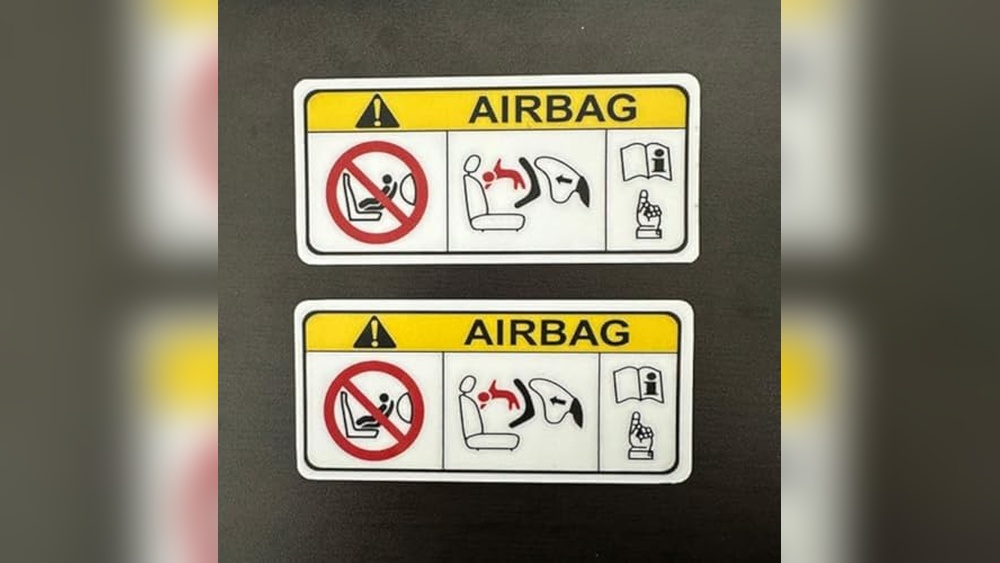
Modern cars have airbags in many places, not just the steering wheel. TruckersReport lists common locations.
- Front airbags: In the steering wheel and passenger dash.
- Knee airbags: Under the steering column and glove box.
- Side airbags: In the outer edges of the seat backs.
- Side curtain airbags: In the ceiling above the windows.
Some vehicles have extra airbags in the rear seats or center console.
The Deployment Sequence — What Happens in 30 Milliseconds
The entire airbag process happens faster than a blink. Quora outlines the timeline.
| Time | Event |
|---|---|
| 0 ms | Crash occurs. |
| 5–15 ms | Sensors detect deceleration. |
| 15 ms | ACU verifies data and crash type. |
| 20 ms | ACU fires the squib. Pretensioners fire. |
| 20–30 ms | Inflator generates gas. Bag fully inflates. |
| 30–100 ms | Occupant hits the bag. Bag cushions impact. |
| 100–300 ms | Gas vents out. Bag deflates. |
| Post-crash | System logs codes. Light stays on. Parts need replacement. |
What Gets Replaced After Airbag Deployment?
You cannot just put the bag back in after it fires. Many parts must be replaced.
| Component | Replace? | Typical Cost (Part Only) |
|---|---|---|
| Airbag cushion + module | ✅ Always | $200 – $1,000 each |
| Squib | ✅ Always | Included in module |
| Seat belt pretensioners | ✅ Always | $100 – $400 each |
| SRS/ACU module | If crash-locked | $400 – $1,200 |
| Clock spring | If damaged | $60 – $450 |
| Wiring harness | If damaged | $150 – $500 |
| Total system restoration | $3,000 – $10,000+ |
FAQs About Parts of an Airbag System: 11 Components Explained
How does an airbag inflate so fast?
The inflator starts a chemical reaction when triggered. It generates nitrogen gas. This gas fills the airbag in 20–30 milliseconds. A squib fires the inflator to start the process.
What is a squib in an airbag system?
A squib is a miniature explosive device. The airbag module triggers it to deploy the bag. It is a single-use part. Once it fires, it is destroyed and must be replaced.
What does the airbag light mean on my dashboard?
The light means the system has found a fault. It should blink 3–7 times at startup and turn off. If it stays on, the system is disabled. The airbag will not deploy in a crash.
What is a clock spring in an airbag system?
The clock spring allows the steering wheel to turn while keeping electrical connections. It carries the signal for the airbag, horn, and buttons. If it fails, the SRS light turns on.
How much does it cost to replace an airbag system after deployment?
Full restoration costs $3,000 to $10,000 or more. You must replace the bags, pretensioners, and sometimes the module. If buying a used car with an airbag light on, get it inspected first.
Bottom Line — Why Understanding These Parts Matters
Each part of the airbag system has one job. When all 11 work together, the sequence takes less time than a blink.
The most important things to remember:
- Watch the SRS light at startup. 3–7 blinks mean healthy. A solid light means disabled.
- A solid SRS light means your airbag will not deploy. Get it scanned immediately.
- Airbags are “supplemental.” Always wear your seat belt.
- After deployment, you must replace pretensioners and squibs.
- Never buy a used car with the SRS light on without checking the history.
Quick Summary:
- The ACU is the “brain” that controls the system.
- Crash sensors detect the impact and trigger the system.
- The inflator and squib generate gas to fill the bag.
- The clock spring connects the wheel to the car’s wiring.
- The backup power supply ensures deployment if the battery fails.
- Seat belt pretensioners tighten the belt during a crash.
- A solid SRS light means the system is disabled and needs repair.