
This article was updated in February 27, 2026 with new products and information by Mark S. Taylor
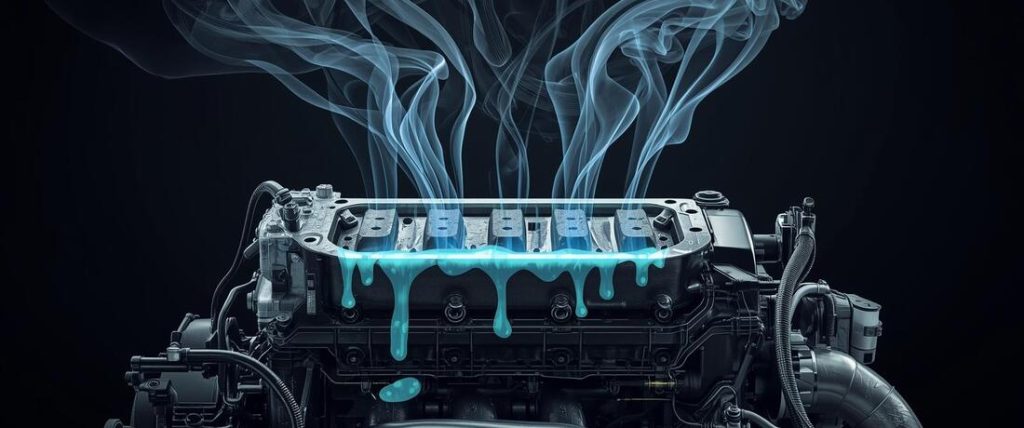
The most common symptoms of a blown head gasket are white sweet-smelling smoke from the exhaust, milky or frothy oil on the dipstick or under the oil filler cap, repeated engine overheating, unexplained coolant loss with no visible leak, bubbles in the coolant reservoir or radiator, engine misfires and rough idle, loss of compression, external oil or coolant seeping around the cylinder head, knocking or pinging sounds, and a sweet exhaust smell even without visible smoke. This small seal sits between the engine block and the cylinder head. It handles extreme heat and pressure every time you drive. We have seen many drivers ignore early signs, leading to catastrophic engine failure. This guide explains the symptoms of a blown head gasket and how to confirm them. We will show you what to look for and what to do next.
Contents
- 1 What Is a Head Gasket and Why Does It Matter So Much?
- 2 The Four Ways a Head Gasket Can Fail
- 3 10 Symptoms of a Blown Head Gasket
- 4 Symptom Severity Table — How Urgent Is Each Sign?
- 5 How to Confirm a Blown Head Gasket at Home — Step by Step
- 6 Bad Head Gasket vs. Cracked Cylinder Head vs. Cracked Engine Block
- 7 What Causes a Head Gasket to Blow?
- 8 Is It Worth Fixing a Blown Head Gasket? The Decision Framework
- 9 Blown Head Gasket Repair Cost — Full Breakdown
- 10 Can You Drive With a Blown Head Gasket?
- 11 FAQs About Symptoms of a Blown Head Gasket
- 12 Bottom Line
What Is a Head Gasket and Why Does It Matter So Much?
The head gasket seals the engine block and the cylinder head to keep fluids and pressure where they belong.
Your engine has two main parts. The block holds the pistons. The head holds the valves. The head gasket sits between them. It does three big jobs. It seals combustion pressure. It keeps coolant out of the cylinders. It keeps oil out of the cylinders. It works under extreme heat. When it fails, fluids mix. This causes major damage fast.

The Four Ways a Head Gasket Can Fail
A head gasket can fail in four distinct ways, and each one causes different symptoms.
Most people think a “blown head gasket” is just one problem. It is actually four different failure modes.
| Failure Mode | What Leaks Where | Primary Symptoms |
|---|---|---|
| Cylinder to Coolant | Gas enters the cooling system. | Bubbles, overheating, sweet smell. |
| Cylinder to Oil | Coolant or gas enters the oil. | Milky oil, smoke, high oil level. |
| Cylinder to Cylinder | Pressure leaks between cylinders. | Misfires, rough idle, power loss. |
| External Leak | Fluid leaks outside the engine. | Wet spots on the block. |
Knowing which one you have helps you fix it faster.
10 Symptoms of a Blown Head Gasket
You will usually see, smell, or feel these signs.
1. White Sweet-Smelling Smoke From the Exhaust Tailpipe
Thick white smoke from the tailpipe is the most obvious sign.
Coolant burns in the engine when the gasket fails. Coolant is mostly water. It turns into thick white smoke. It smells sweet. This is different from cold weather steam. Steam disappears fast. This smoke lingers and smells like syrup.
Urgency: 🔴 Critical. Stop the car immediately.
2. Milky, Frothy, or “Chocolate Milkshake” Oil
Check your oil cap and dipstick for a milky substance.
Coolant can leak into the oil. This mixes water and oil. It looks like a chocolate milkshake. Check under the oil filler cap. Check the dipstick. If the oil is creamy or light brown, you have a problem. This mixture ruins lubrication.
Urgency: 🔴 Critical. Do not start the engine.
3. Engine Overheating — Repeatedly or Chronically
Overheating is the most common cause of a blown gasket.
The gasket fails and lets gas into the coolant. This creates air pockets. The coolant cannot cool the engine. The temperature gauge spikes. Sometimes the gauge reads normal while the engine overheats because of air pockets.
Urgency: 🔴 Critical. Pull over and shut off the engine.
4. Unexplained Coolant Loss — No Visible Puddle
Your coolant tank drops but you see no leak on the ground.
Where did the coolant go? It is burning inside the engine. Or it is mixing with the oil. You top it off, but it drops again. This is a red flag. If you see no leak outside, check the oil and the exhaust.
Urgency: 🔴 High. Find the source immediately.
5. Bubbles in the Coolant Reservoir or Radiator
Look for bubbles in the coolant tank.
Combustion gas enters the cooling system. You see bubbles rising in the reservoir. This happens when the engine warms up. The system builds pressure too fast. This is a sure sign of a breach.
Urgency: 🔴 High. This confirms a combustion leak.
6. Engine Misfires, Rough Idle, and Loss of Power
The engine shakes or feels weak.
Compression leaks between cylinders. The engine cannot build power. It misfires. It idles rough. It feels sluggish. You might see a Check Engine Light.
Urgency: 🔴 High. This hurts the catalytic converter.
7. Sweet Exhaust Smell — Even Without Visible White Smoke
You might smell coolant before you see smoke.
A faint sweet smell from the tailpipe is an early warning. The leak is small. The coolant is burning but not enough to make thick smoke. Do not ignore this smell.
Urgency: 🟡 Moderate. Investigate now.
8. Knocking, Pinging, or Pre-Ignition Sounds
Listen for knocking sounds.
Coolant in the cylinder leaves deposits. These create hot spots. The fuel ignites too early. This is pre-ignition. It sounds like a ping or knock. It puts huge stress on the pistons.
Urgency: 🔴 High. Stop driving.
9. External Oil or Coolant Seeping Around the Cylinder Head Seam
Look at the seam between the head and the block.
Sometimes the leak goes outside. You see wet streaks. You might see white crusty deposits. This is the easiest failure mode to fix. It has not mixed fluids inside the engine yet.
Urgency: 🟡 Moderate. Fix it before it gets worse.
10. Check Engine Light — Often With Multiple Companion Codes
The computer detects a problem.
You might see codes for misfires or temperature issues. The light alone is not enough to say the gasket is blown. But combined with other symptoms, it confirms the problem.
Urgency: 🟡 Moderate. Scan the codes.
Symptom Severity Table — How Urgent Is Each Sign?
Use this table to decide if you can drive.
| Symptom | Failure Mode | Urgency | Can You Drive? |
|---|---|---|---|
| White smoke | Cylinder to Coolant | 🔴 Critical | No. |
| Milky oil | Coolant to Oil | 🔴 Critical | No. |
| Overheating | Multiple | 🔴 Critical | No. |
| Coolant loss | Cylinder to Coolant | 🔴 High | Short distance only. |
| Bubbles | Cylinder to Coolant | 🔴 High | No. |
| Misfires | Cylinder to Cylinder | 🔴 High | Short distance only. |
| Sweet smell | Cylinder to Coolant | 🟡 Moderate | Yes. Investigate. |
| Knocking | Cylinder to Cylinder | 🔴 High | No. |
| External leak | External | 🟡 Moderate | Yes. Fix soon. |
| Check engine light | Any | 🟡 Moderate | Yes. Scan codes. |
How to Confirm a Blown Head Gasket at Home — Step by Step
You can run these tests in your driveway.
Step 1 — Check the Oil Filler Cap and Dipstick
Open the oil cap. Look at the bottom. Is it milky? Pull the dipstick. Is the oil thick and light brown? If yes, stop. The gasket is blown.
Step 2 — Check the Coolant Reservoir for Bubbles
Start the car cold. Watch the reservoir. Do you see bubbles? Does it build pressure fast? These are signs of gas in the coolant.
Step 3 — Inspect the Exhaust at Warm Operating Temperature
Let the car warm up. Look at the tailpipe. Thin vapor that fades is normal. Thick white smoke that smells sweet is bad.
Step 4 — The Combustion Leak Test (Block Check Test)
This is the best test. You can buy a kit at an auto parts store. The fluid turns yellow if exhaust gas is in the coolant. This confirms the leak. NAPA Auto Parts stores often rent these tools for free.
Step 5 — Compression Test
Remove the spark plugs. Screw in a gauge. Check each cylinder. Two low cylinders next to each other mean a gasket failure between them.
Step 6 — OBD2 Live Data Check
Plug in a scanner. Look at the live data. If the engine takes too long to warm up, or overheats quickly, suspect the gasket.
Bad Head Gasket vs. Cracked Cylinder Head vs. Cracked Engine Block
Make sure the gasket is the only problem.
| Condition | Symptoms | Repair Possible? |
|---|---|---|
| Blown Head Gasket | All symptoms above. | ✅ Yes. Replace gasket. |
| Warped Cylinder Head | Same as blown gasket. | ✅ Yes. Resurface head. |
| Cracked Cylinder Head | Same as blown gasket. | ⚠️ Maybe. Depends on crack. |
| Cracked Engine Block | External leaks, overheating. | ❌ No. Replace engine. |
Always have a machine shop check the cylinder head. It must be flat. If it is warped, a new gasket will fail instantly.
What Causes a Head Gasket to Blow?
Most failures come from heat or stress.
- Overheating: This is the top cause. Hot metal warps. The seal breaks.
- Pre-ignition: Fuel burns at the wrong time. This stresses the gasket.
- Old Coolant: Acidic coolant eats the gasket material.
- Age: Gaskets wear out after many miles.
- Bad Install: If someone fixed it wrong, it will fail again.
Is It Worth Fixing a Blown Head Gasket? The Decision Framework
Do the math before you pay for repairs.
| Factor | Fix It | Skip It / Replace Engine |
|---|---|---|
| Vehicle Age | Under 10 years. | 15+ years with issues. |
| Mileage | Under 150,000. | 200,000+ with wear. |
| Vehicle Value | Value > Repair Cost. | Cost > Value. |
| Damage | Gasket only. | Cracked block or head. |
| Maintenance | Good history. | Neglected. |
The Math: If the repair costs more than half the car’s value, think twice. Use Kelly Blue Book to find your car’s value. Stop-leak products are a temporary patch. They are not a real fix.
Blown Head Gasket Repair Cost — Full Breakdown
The part is cheap, but the labor is huge.
| Cost Factor | Range | Notes |
|---|---|---|
| Head Gasket Set | $50 – $300 | Use MLS gaskets. |
| Head Resurfacing | $150 – $400 | Never skip this. |
| Labor (4-cyl) | $800 – $1,500 | 6–12 hours of work. |
| Labor (V6/V8) | $1,200 – $2,500 | More parts to remove. |
| Coolant Flush | $100 – $200 | Required. |
| Total Average | $1,000 – $2,500 | Varies by car. |
Labor is expensive because the mechanic must take the engine apart. RepairPal estimates the average cost is over $1,500. Check our car maintenance tips to keep your engine healthy and avoid this bill.
Can You Drive With a Blown Head Gasket?
You should not drive a car with a blown head gasket.
Driving makes it worse. A small leak becomes a big one. You can warp the head. You can crack the block. The only time you can drive is if the leak is external only. Even then, drive only to the shop. If you see white smoke or milky oil, do not drive. Tow the car. The risk of engine seizure is too high.
FAQs About Symptoms of a Blown Head Gasket
Can I drive with a blown head gasket?
You should not drive with a blown head gasket. Driving can cause more damage. The engine can overheat or seize. Only drive very short distances if the leak is external and the temperature stays normal.
What is the most reliable test for a blown head gasket?
The combustion leak test is the most reliable. It uses a special fluid. The fluid changes color if exhaust gas is in the coolant. This proves the gasket has failed.
How much does it cost to fix a blown head gasket?
Most repairs cost $1,000 to $2,500. The part is cheap. The labor is expensive because it takes many hours to reach the gasket.
Can a head gasket blow without overheating?
Yes. Age and detonation can cause failure. However, overheating is the most common cause. Even one overheating event can destroy the gasket.
What is the difference between white smoke and steam from the exhaust?
Steam is thin. It fades fast. It has no smell. Smoke from a blown gasket is thick. It lingers. It smells sweet like syrup. If it persists after the car warms up, it is likely a gasket issue. If the smell is inside the car, check our guide on symptoms of a bad heater core to rule that out first.
Bottom Line
A blown head gasket is a serious problem. It starts small but gets worse fast. Watch for white smoke. Check for milky oil. Look for bubbles in the coolant. If you find these signs, act now. Driving will only cost you more money. Run the tests we listed. Take the car to a trusted mechanic. A quick fix now is better than a new engine later.
Quick Summary
- White sweet-smelling smoke is a major warning.
- Milky oil means coolant is mixing with engine oil.
- Bubbles in the radiator show gas is entering the coolant.
- Do not drive if you see white smoke or milky oil.
- The combustion leak test is the best way to confirm the issue.
- Repairs cost $1,000 to $2,500 due to high labor hours.
- Overheating is the number one cause of failure.