
This article was updated in January 18, 2026 with new products and information by Mark S. Taylor
Is your car struggling to shift gears or making a whining noise? You might be ignoring the classic symptoms of a clogged transmission filter. Many drivers don’t even know this filter exists, yet it guards your transmission against expensive damage. A simple $100 filter change can save you from a $4,000 transmission rebuild. In this guide, I will show you the warning signs, how to check your fluid, and the exact steps to fix the problem before it leaves you stranded.

Contents
What Is a Transmission Filter and What Does It Do?
A transmission filter keeps the fluid clean.
It stops dirt from hurting the gears. It acts like a sieve. The fluid flows through it. The dirt stays stuck. Clean oil then moves through the car. This helps the car run smooth. It keeps the parts cool too.
Transmission Filter Function Explained
The filter grabs bad stuff. It catches metal bits. It stops grit. It saves the clutches. It works all the time. It is just like an engine oil filter. It sits in the fluid path. It only lets clean fluid pass. Some people call it a strainer. It does the same job.
Types of Transmission Filters
There are two main kinds.
Internal Filter This one sits inside the pan. It is the most common type. You must drop the pan to see it. It uses paper or felt. You change it often. You do this every 30,000 to 60,000 miles. It traps very fine dirt.
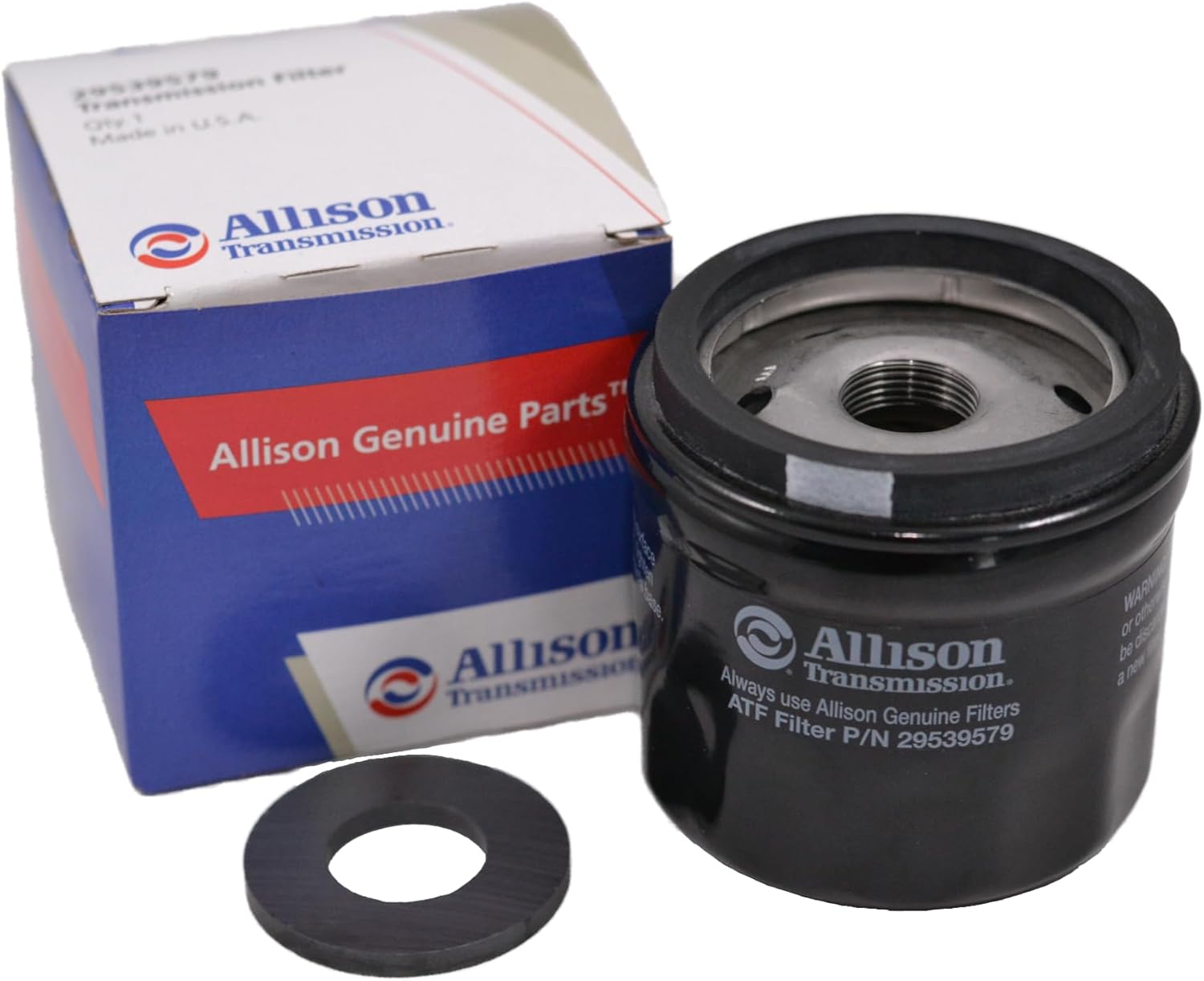
External Filter This one sits outside. It is on the cooler line. It is easy to reach. It looks like an oil filter. You spin it off to change it. Newer cars use these. You change these sooner. Check them every 20,000 to 40,000 miles.
Metal Screen vs Paper/Felt Metal screens can be cleaned. You can wash them out. They catch big rocks. They do not catch fine dust. Paper filters work better. They catch tiny dust. But you throw them away. You cannot wash a paper filter. Modern cars use paper mostly.
How Transmission Fluid and Filter Work Together
The pump pulls the fluid. The fluid goes through the filter. The filter takes out the dirt. Clean fluid goes to the gears. It also goes to the clutches. The fluid makes the parts move. It keeps them cool too.
When the filter gets full, bad things happen. The fluid cannot flow. The pressure goes down. The pump works too hard. The parts get hot. The car does not drive well. This is why you need a clean transmission filter.
8 Common Symptoms of a Clogged Transmission Filter
Look for these signs. A bad filter shows itself in many ways.
1. Delayed or Sluggish Gear Engagement
You feel a pause when you shift.
You move from Park to Drive. The car waits a second. Then it clunks into gear. This is not normal. It should move fast. The delay means low pressure. The fluid cannot get through. The filter is likely plugged.
If the car waits too long, check it. A healthy car shifts right now. A sick car waits and clunks.
2. Transmission Slipping or Erratic Shifting
The car feels like it loses power.
You step on the gas. The motor revs up. But the car does not speed up. The gear slips. It feels weak. This happens with low pressure. The clutches cannot hold. The filter is blocking the flow.
This is dangerous. Do not wait long. If the gear slips, the car is unsafe. You might get stuck. Fix this fast.
3. Difficulty Shifting Gears or Hard Shifts
The shifts feel rough.
You feel a big jolt. It feels like a bump from behind. The gears slam together. This is a hard shift. Normal shifts are soft. You do not feel them. Hard shifts hurt the car. They damage the mounts.
The pressure builds up slow. Then it hits hard. This causes the bang. It often happens in first or second gear.
4. Transmission Overheating
The transmission gets too hot.
A warning light may come on. The gauge goes into the red. The fluid gets very hot. It boils. A clogged filter stops the flow. No fluid means no cooling.
Heat is the enemy. It melts the seals. It burns the clutches. If it gets too hot, stop driving. Let it cool down. You must fix the flow.
5. Burnt Transmission Fluid Smell
You smell something bad.
It smells like burnt toast. Or burnt rubber. It is a sharp smell. Normal fluid smells sweet. If it smells burnt, it is cooked. The heat broke the fluid down. This comes from low flow.
Check the fluid on the dipstick. Is it black? Is it dark brown? It should be bright pink. Dark fluid means a clogged filter. Change the fluid soon.
6. Unusual Transmission Noises
You hear weird sounds.
A whine is common. It whines when you speed up. This means the pump is starving. It cannot suck fluid. A grind is worse. That means metal on metal. A rattle means parts are loose. These sounds mean trouble.
Listen to your car. If it talks back, listen. Quiet is good. Loud is bad. New noises mean you need help.
7. Transmission Fluid Leaks
You see red puddles under the car.
A clogged filter creates pressure. The pressure pushes fluid out. It finds a weak spot. It leaks past seals. You will see spots on the ground. The fluid is red or brown.
Check the fluid level. If it is low, look for a leak. A leak makes the problem worse. Low fluid hurts the pump.
8. Check Engine Light or Transmission Warning Light
A light pops up on the dash.
The computer sees a problem. It sees the pressure is low. It sees the heat is high. It turns on a light. You might see a gear symbol with an exclamation mark.
Get the codes read. The codes tell you the story. Common codes are P0741 or P0700. These relate to pressure. A clogged filter causes these codes.
What Causes Transmission Filters to Clog?
Dirt is the main cause. But where does the dirt come from?
Normal Wear and Debris Accumulation
Parts wear out over time.
Metal gears shed tiny bits. Clutches wear down too. Gaskets get old. Rubber breaks off. All this stuff floats in the fluid. The filter catches it. After many miles, the filter gets full. It cannot hold any more dirt.
New cars have clean fluid. Old cars have dirty fluid. It happens to every car.
Infrequent Transmission Fluid Changes
You must change the fluid.
Old fluid gets thick. It breaks down. It creates sludge. The sludge plugs the filter. If you wait too long, the filter dies.
Check your book. Most cars need a change every 60,000 miles. Some go longer. Do not wait forever. Severe driving needs more changes. Towing makes it worse. Stop and go traffic is hard on fluid too.
Contaminated or Low-Quality Transmission Fluid
Bad fluid causes big problems.
Use the right fluid for your car. Not all fluid is the same. Generic fluid might fail. It breaks down fast. Cheap fluid is a bad bet. Use what the maker says.
Water is bad too. Water can get in. It makes a gooey mess. This mess clogs the filter fast. Always keep the cap on tight.
Internal Transmission Damage
Broken parts make big messes.
If a gear breaks, it makes shards. If a bearing fails, it makes metal dust. This floods the filter. The filter cannot hold it all.
Sometimes the filter breaks the car. Sometimes the car breaks the filter. It is a bad cycle. One leads to the other.
Manufacturing Defects or Design Flaws
Some cars are just built wrong.
Some filters are too small. They clog too fast. Certain brands have known issues. Check for recalls. Look for technical bulletins. Some cars need help more often.
How to Diagnose a Clogged Transmission Filter
You can check it yourself. Here is how.
Quick Tests You Can Do at Home
Test 1: Check the Fluid Look at the dipstick. Pull it out. Wipe it off. Put it back in. Pull it out again. Look at the color. Smell it. Red is good. Brown is okay. Black is bad. Burnt smell is bad.
Test 2: The Shift Test Drive the car. Shift from Park to Drive. Count the seconds. Was it fast? Was it slow? Do this in Reverse too. Listen for clunks. Feel for slips.
Test 3: Listen for Noise Turn the radio off. Drive slow. Listen close. Do you hear a whine? Do you hear a grind? Note when it happens. Does it do it in park? Does it do it when driving?
Test 4: Check the Lights Look at the dash. Is the engine light on? Is the trans light on? Use a scanner to read the codes. This tells you what is wrong.
Professional Diagnostic Procedures
A mechanic has better tools.
They can check the pressure. They hook up a gauge. They see if the pump is strong. They scan the computer deeply. They check for specific codes.
They might inspect the pan. They drop the pan and look inside. They look for big metal chunks. This helps them see the truth.
When to Skip DIY and See a Professional
Go to a shop if you are stuck.
If the light is on, go. If it will not move, go. If you hear loud grinding, go. If you see a huge leak, go. Do not guess with big repairs. A pro knows what to do.
Transmission Filter Replacement Cost Breakdown
It costs money to fix it. But it costs less than a new car.
| Vehicle Type | Filter Parts | Fluid Cost | Labor Cost | Total Cost (Shop) | Total Cost (DIY) |
|---|---|---|---|---|---|
| Economy Cars | $15-$35 | $20-$40 | $80-$150 | $115-$225 | $35-$75 |
| Domestic Sedans | $20-$45 | $25-$50 | $100-$180 | $145-$275 | $45-$95 |
| Trucks/SUVs | $25-$60 | $40-$80 | $120-$200 | $185-$340 | $65-$140 |
| Luxury/European | $40-$100 | $60-$150 | $150-$300 | $250-$550 | $100-$250 |
| CVT Transmissions | $30-$70 | $50-$100 | $100-$200 | $180-$370 | $80-$170 |
Filter Replacement vs Transmission Service vs Flush
You have choices.
Filter Change This drops the pan. You swap the filter. You add new fluid. This removes some dirty fluid. It is a standard service.
Drain and Fill This drains the fluid. It fills it back up. It usually includes the filter. It is good for regular care.
Flush A machine swaps all the fluid. It gets almost all of it out. But be careful. Flushing can move dirt around. It might loosen bad stuff. Ask your shop if they recommend it.
Cost Factors That Affect Pricing
Many things change the price.
The car type matters. A big truck takes more fluid. A fancy car needs expensive fluid. The shop type matters too. A dealer costs more. A local shop costs less. Where you live matters. City shops charge more.
Ways to Save on Transmission Filter Replacement
You can save cash.
Do it yourself if you can. It is messy but not too hard. You save the labor cost. Shop around too. Call three places. Ask for a price. Compare them.
Buy your own parts. Some shops let you do this. You pay them for work only. Look for coupons. Shops often run deals. Just avoid bad shops. If the price is too low, watch out.
How Often Should You Replace Transmission Filter?
Do not wait for it to break.
Manufacturer Recommendations by Vehicle Type
Check your book first.
Standard cars need it every 60,000 miles. Severe use means 30,000 miles. CVTs need care often. Every 30,000 to 50,000 miles is best. Some say “lifetime fluid”. Do not believe it. Change it at 100,000 miles.
Service Intervals by Driving Conditions
How you drive matters.
Severe Driving Tow a lot? Drive in the city? Change it every 30,000 miles. Heat kills fluid. Stop and go traffic is hard work.
Normal Driving Mostly highway? Change it every 60,000 miles. This is easy on the car.
Light Driving Do you drive less? You can wait longer. Maybe 80,000 miles. But do not wait too long. Fluid gets old with time.
Signs It’s Time for Filter Replacement
Look for the signs listed above.
If the fluid is dark, change it. If you smell a burn, change it. If the car slips, change it. Do not wait for the mileage. If it feels bad, fix it.
Can You Drive With a Clogged Transmission Filter?
You can, but you should not.
Short-Term Driving (Days to Weeks)
You can drive to the shop.
Keep the trip short. Do not drive on the highway. Go slow. If it is close, drive it. If it is far, tow it. Do not push your luck.
Long-Term Consequences of Ignoring
The damage will grow.
Wait a week, and it gets worse. Wait a month, and parts break. Wait a year, and the transmission dies. A filter is cheap. A transmission is expensive.
Emergency Driving Tips If Filter Is Clogged
If you must drive, be smart.
Drive slow. Do not floor the gas. Let the car warm up. Check the fluid. Watch the temp gauge. If it gets hot, stop. Turn the car off. Call a tow truck. It is cheaper than a new transmission.
For more tips on keeping your car running, check our guide to routine car maintenance.
DIY Transmission Filter Replacement Guide
You can do this at home.
Difficulty Level and Requirements
This is a medium job.
You need tools. You need jack stands. You need a drain pan. It takes about two hours. You will get dirty. Wear gloves and glasses.
Step-by-Step Replacement Procedure
Step 1: Get Ready Park on a flat spot. Warm up the car. Lift it up safe. Put stands under it. Put the pan under the transmission.
Step 2: Drain the Fluid Loosen the pan bolts. Leave the back ones loose. Let the fluid drain out. It will be hot. Be careful. Once it drains, remove the pan.
Step 3: Remove the Filter The filter is right there. Remove the bolts. Pull it down. Check it out. See the dirt.
Step 4: Clean the Pan Scrape the old gasket off. Clean the pan with cleaner. Wipe it dry. Look for metal bits. A little dust is okay. Big chunks are bad.
Step 5: Install New Filter Put the new filter in. Use a new O-ring. Tighten the bolts. Do not strip them.
Step 6: Install Pan Gasket Put the new gasket on. Or use the sealer. Put the pan up. Start the bolts by hand.
Step 7: Tighten the Pan Tighten the bolts a little at a time. Go in a circle. Do not crush the gasket. Use a torque wrench if you have one.
Step 8: Fill It Up Put fluid in the dipstick tube. Add a little at a time. Check the level. Keep adding until it is full.
Step 9: Check It Start the car. Shift through the gears. Let it run. Check for leaks. Check the fluid again.
Step 10: Test Drive Drive around the block. Feel the shifts. Listen for noise. Check for leaks again.
Common DIY Mistakes to Avoid
Do not use the wrong fluid. This ruins the car. Check the book. Do not overfill it. This causes foaming. Do not over-tighten the pan. You can crack it. Clean the pan well. Old gasket causes leaks.
Transmission Filter vs Other Transmission Problems
How do you know it is the filter?
| Symptom | Clogged Filter | Low Fluid | Bad Solenoid | Worn Clutches |
|---|---|---|---|---|
| Delayed Shifting | Common | Common | Common | Rare |
| Slipping | Common | Common | Possible | Common |
| Overheating | Common | Common | Rare | Possible |
| Burnt Smell | Common | Possible | Rare | Common |
| Hard Shifts | Common | Rare | Common | Possible |
Compare your symptoms to the chart.
If the fluid is low, fill it. If the fluid is black, change the filter. If only one gear acts up, it might be a solenoid. If it slips only when hot, clutches might be old.
If you are unsure about engine issues versus transmission problems, read more about common engine problems.
FAQ About Symptoms of a Clogged Transmission Filter
How do you know when your transmission filter is clogged?
You will feel delays when shifting, hear whining noises, or smell burnt fluid. The car may struggle to move when cold.
Will a clogged transmission filter throw a code?
Yes, it often triggers codes like P0741 or P0868 related to low pressure or clutch performance.
How do you tell if you need a new transmission filter?
Check the fluid. If it is dark and smells burnt, you need a new filter and fluid change.
Can a clogged transmission filter cause loss of power?
Yes. If the filter is blocked, the transmission slips. The engine revs high, but the car moves slowly.
How long does a transmission filter last?
It typically lasts between 30,000 and 60,000 miles, depending on how hard you drive.
Bottom Line: Address Clogged Filter Before It’s Too Late
Do not ignore the signs. A clogged filter ruins the transmission. A simple service costs a few hundred dollars. A new transmission costs thousands. If you notice slips or smells, act fast. Check the fluid. Scan for codes. Replace the filter. This saves you money. Keep up with your maintenance. Your car will thank you.
Quick Summary
- Look for signs: Slips, delays, and burnt smells are bad.
- Check the fluid: Dark fluid or a bad smell means change it.
- Act fast: Fix it in a week or two to save the transmission.
- Costs vary: Expect to pay between $100 and $500 for a shop.
- DIY option: You can do it yourself to save on labor costs.
- Prevent issues: Change the filter every 30,000 to 60,000 miles.