
This article was updated in December 8, 2025 with new products and information by Mark S. Taylor
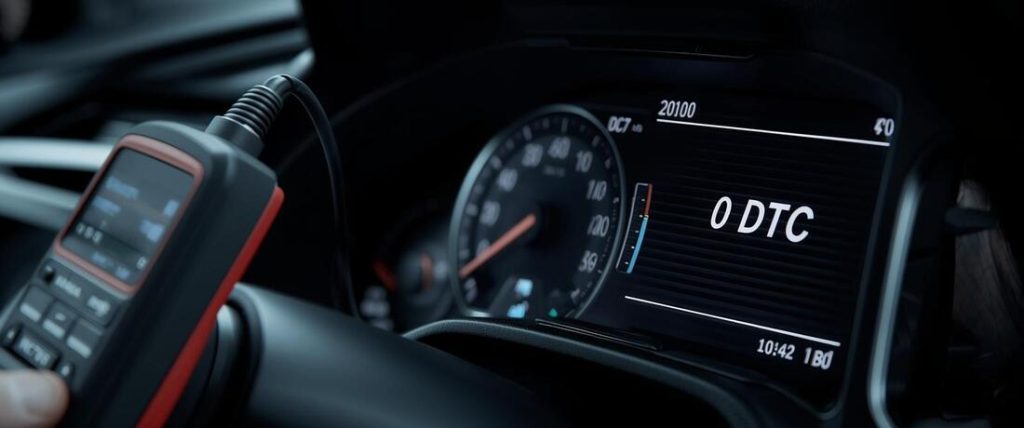
0 DTC means zero diagnostic trouble codes stored—no active faults detected in that module right now. That sounds like great news, but it can also be confusing when you still see a check engine light or feel a problem.
I’ve seen many drivers plug in a new code reader, see “0 DTC,” and think, “So why is my car still acting weird?” The short answer is that 0 DTC is usually good news, but context and scanner limits matter a lot.
In this guide, you’ll learn what 0 DTC really means, when it’s honest, and when it’s misleading. We’ll walk through how DTC codes work, types of scanners, readiness monitors, and clear next steps if you still have symptoms. Understanding your scanner display will save you time, money, and stress—and help you know when you can relax and when you need a deeper check.
Contents
- 1 What Does 0 DTC Mean? (Quick Answer)
- 2 Understanding Diagnostic Trouble Codes (DTCs)
- 3 Don’t Confuse “0 DTC” with Code Structure
- 4 The 3 Main Reasons Your Scanner Shows 0 DTC
- 5 Why Is My Check Engine Light On But Scanner Shows 0 DTC?
- 6 Types of DTCs (And Why They Matter)
- 7 How to Verify If 0 DTC Is Accurate
- 8 What to Do When You See 0 DTC
- 9 Basic vs. Advanced Code Readers
- 10 Can Codes Be Cleared Without Fixing Problems?
- 11 Professional Diagnosis Costs
- 12 FAQs About What Does 0 DTC Mean
- 13 Bottom Line: When to Trust 0 DTC Results
What Does 0 DTC Mean? (Quick Answer)
0 DTC means no error codes in your car. Your scanner talked to your car. It found no faults. This is good news most times. But the full story matters. Especially if your check light is on. A 0 DTC means your car’s brain found no issues. This is only for the parts your scanner can see.

Understanding Diagnostic Trouble Codes (DTCs)
What Is a DTC?
A DTC is an error code from your car’s brain. It shows up when parts break. These codes live in the car’s computer. They point to exact problems. Each code follows a set format. This helps fix the car right.
How Your Scanner Reads DTCs
Your scanner plugs in under the dash. It talks to your car’s brain. It pulls out any error codes. It shows “0 DTC” if none exist. Or it shows codes like P0301. The scanner is a translator. It turns car code into words you get.
Don’t Confuse “0 DTC” with Code Structure
Two Different Meanings of “0”
“0 DTC” on your screen means no codes found. No faults at all. But in a code like P0301, the “0” means something else. It means the code is a standard type. This mix-up bugs many folks. This guide talks about the “0 DTC” part.
DTC Code Structure Quick Reference
DTC codes follow a set pattern:
- First letter: P (engine), B (body), C (chassis), or U (network)
- Second digit: 0 (standard) or 1 (brand-specific)
- Third digit: Which part (0-8)
- Last digits: Exact issue (00-99)
For example, P0301 means engine (P) standard (0) spark part (3) miss fire in cylinder 1 (01).
The 3 Main Reasons Your Scanner Shows 0 DTC
Reason 1: Your Car Is Healthy (Good News)
When your car runs fine with no lights, 0 DTC is what you want. All parts work as they should. Your check shows all is well. No need to do anything. You can drive with peace of mind.
Reason 2: Codes Were Cleared Lately
If you or someone cleared codes, you’ll see 0 DTC. This happens even if the problem is still there. The check light may be off for now. But codes will come back after driving. If the issue wasn’t fixed. Check your readiness status to know.
Reason 3: Your Scanner Has Limits
Cheap scanners ($20-50) often just read engine codes (P-codes). They can’t see ABS, airbag, or other parts. If your issue is in those parts, your scanner shows 0 DTC. The real problem stays hidden. Pro tools can check all car parts.
Why Is My Check Engine Light On But Scanner Shows 0 DTC?
Scanner Only Reads Engine Codes
Most cheap tools only read engine codes (P-codes). They miss B-codes (body), C-codes (chassis), and U-codes (network). If your check light is on but you see 0 DTC, the problem is in a part your scanner can’t see. Fix: Use a better tool or visit a shop.
Pending Codes Not Shown
A pending code means your car saw a problem once. It needs to see it again to be sure. Basic tools often don’t show these pending codes. These become stored codes if the issue comes back. Your check light might flash on and off. As the car tries to confirm the problem.
Issues That Come and Go
Some problems only show up at certain times. Like when the car is cold. Or when you drive fast. If you scan when the issue isn’t there, you’ll see 0 DTC. These come-and-go problems are common with sensors. They only trigger codes under certain conditions.
Connection Problems
A bad plug at the port, a blown fuse, rusty pins, or tool issues can all give false 0 DTC reads. Make sure your tool is plugged in right. And works with your car. Before you trust what it says.
Types of DTCs (And Why They Matter)
Stored (Confirmed) DTCs
Stored DTCs are codes saved in your car’s memory. They show real problems. The check light is usually on with these codes. They need both a fix and manual clear to go away. These are the most common codes people look for.
Pending DTCs
Pending DTCs are the first sign of a problem. They aren’t confirmed yet. The check light usually isn’t on at this stage. The code may go away on its own. If the problem doesn’t happen again. These become stored codes if the issue occurs again.
Permanent DTCs
Permanent DTCs can’t be cleared with a tool. Or by unhooking the battery. They only go away after the problem is fixed. And you drive the car for a while. These are often related to emissions. They show serious issues that need fast help.
History/Archived Codes
History codes are old problems that got fixed. They stay saved for techs to see later. These codes don’t count in your “0 DTC” read. Only pro tools show these codes. They help techs track issues over time.
How to Verify If 0 DTC Is Accurate
Step 1: Check Readiness Status
Go to “I/M Readiness” or “Status” on your tool. If all show “Ready” or “Done,” your 0 DTC read is likely true. If most show “Not Ready,” codes were cleared not long ago. It usually takes 50-100 miles of driving to reset all checks after clearing codes.
Step 2: Test Your Tool on Another Car
Borrow a friend’s car that has a known check light issue. If your tool finds codes on that car, it works right. If it shows 0 DTC on a car with known issues, your tool might be bad. Or it might not work with that car.
Step 3: Check All Warning Lights
Look past the check light. See if ABS, airbag, or other lights are on. These aren’t read by basic engine tools. Other lights mean codes exist in those parts. That your tool can’t see.
Step 4: Get a Pro to Check
If your check light is on but your tool shows 0 DTC, pay for a pro check ($75-150). Shops have tools that can see all car parts. Not just the engine brain. This full check will show hidden codes. And give you the right fix.
What to Do When You See 0 DTC
If Check Engine Light Is OFF
✓ Good news—no need to do anything ✓ Your car works fine ✓ Save the read for your records ✓ Optional: check during each oil change
When your check light is off and you see 0 DTC, your car is likely fine. No need to act now. But keeping the read helps track your car’s health over time.
If Check Engine Light IS ON
✗ Don’t trust the 0 DTC read ✗ Problem exists in a part your tool can’t see ✗ Go to a shop for a full check ($75-150) ✗ Don’t ignore it—it might get worse
A check light with a 0 DTC read shows your tool’s limits. Not a healthy car. Get a pro check to find and fix the real problem. Before it causes more harm.
After Buying Used Car With 0 DTC
Check the readiness status right away when buying a used car that shows 0 DTC. If checks show “Not Ready,” it’s a red flag. Codes were cleared to hide issues. Drive 50-100 miles and check again. Or pay for a pre-buy check ($100-150) to be safe.
Basic vs. Advanced Code Readers
Basic Code Reader ($20-$100)
✓ Reads engine codes (P-codes) only ✓ Clears codes, shows basic data ✗ Limited access to pending codes ✗ No ABS/airbag/part codes
Best for: Simple DIY engine checks Examples: Autel AL319, Ancel AD310
Basic tools are cheap and good for simple engine issues. But they miss problems in other car parts. They’re fine for rare use. But not for full checks.
Advanced Scanner ($100-$300)
✓ All parts (P, B, C, U codes) ✓ Pending and permanent codes ✓ Live data while car runs ✓ Readiness status checks
Best for: Serious DIY fans Examples: BlueDriver Pro, Autel AL619
Advanced tools give much more info. They can see all car parts. They’re great for those who want to do more checks. Without going to a shop.
Professional Scan Tool ($500+)
✓ Brand-specific access ✓ Can test parts (actuator tests) ✓ Advanced checks (ABS work, key coding) ✓ Regular updates
Best for: Techs and car pros Examples: Autel MaxiCOM, Snap-on
Pro tools offer the most access to car parts and tasks. They cost more. But are a must for pro mechanics and serious car techs.
Can Codes Be Cleared Without Fixing Problems?
Yes—And Here’s How Sellers Do It
Bad sellers can hide problems by using the “Clear Codes” function. Or by unhooking the battery. This turns off the check light for a short time. But the problem usually comes back after a short drive. This is common when trying to sell a car with hidden issues.
How to Spot Recently Cleared Codes
Check the readiness status right away when looking at a used car. If all checks show “Not Ready,” codes were likely cleared not long ago. It usually takes 50-100 miles of driving to reset all checks. So this is a red flag when buying a used car.
Drive Cycle Explained
A drive cycle is a set of driving steps. It lets your car’s brain test all parts. While exact steps vary by car, a typical cycle includes cold start, idle, city roads, and highway driving. It usually takes 1-2 days of normal driving to complete all checks after clearing codes.
Professional Diagnosis Costs
Diagnostic Scan Pricing
- Local shop: $75-150
- Dealer: $100-200
- Mobile tech: $60-125
- Auto parts store: Free (basic engine codes only)
Pro check costs vary by place and service. But most shops charge a flat fee for full scan services.
What Professional Scan Includes
A pro check includes:
- All parts scanned (not just engine)
- Stored, pending, and permanent codes
- Data from when the error occurred
- Tech’s view + fix estimate
- Printout for your records
This full approach finds issues that basic tools miss. And gives expert view of what the codes mean.
When It’s Worth Paying
Pro checks are worth the cost when:
- Check light is on with 0 DTC on your tool
- Many warning lights are on
- You’re thinking of buying a pricey used car
- You want to confirm a big fix worked
In these cases, paying for a pro check can save you money. By finding problems early. And stopping unneeded fixes.
FAQs About What Does 0 DTC Mean
What does 0 DTC mean on a car code reader?
0 DTC means no error codes were found in the parts your tool can see. It shows your car’s brain has no saved fault codes in those parts. This is usually good news if no warning lights are on.
How to fix 0 DTC on code reader?
0 DTC isn’t a problem to fix—it’s a result showing no codes were found. If your check light is on but showing 0 DTC, you need a better tool or pro check to find the part where the real code is stored.
Does a 0 dtc code always need repair?
0 DTC means no codes were found, so no fix is needed if no warning lights are on. But if problems persist or warning lights are on, more checks are needed to find the issue your tool can’t see.
Why does my scanner say 0 DTC but check engine light is on?
Your tool likely only reads engine codes (P-codes), but the problem is in another part like ABS, airbag, or other systems. Or you might have pending codes not shown by basic tools. A pro tool can see all parts.
What’s the difference between 0 DTC and P0301?
0 DTC means no codes found—no issues detected. P0301 is a specific fault code showing a miss fire in cylinder 1. The “0” in “0 DTC” means “zero codes,” while the “0” in P0301 means a standard code type.
Bottom Line: When to Trust 0 DTC Results
| Situation | 0 DTC + No Lights | 0 DTC + Check Light On |
|---|---|---|
| What It Means | Car is fine ✓ | Tool limits or cleared codes |
| What to Do | Nothing—check passed | Get pro check ($75-150) |
| Can You Drive? | Yes, normal use | Yes, but check soon |
| Emissions Test | Will pass (if checks ready) | May fail—depends on checks |
Key Points:
- 0 DTC means no codes in the parts your tool can see
- Basic tools ($20-50) only read engine codes—miss ABS, airbag, other parts
- Check light ON + 0 DTC = problem exists in a part your tool can’t see
- Always check readiness status to spot recently cleared codes
- Pro full check costs $75-150 when needed
- 0 DTC with all checks “Ready” = truly healthy car
Quick Summary
- 0 DTC means no error codes were found in parts your tool can see
- Basic tools only read engine codes, missing issues in ABS, airbag, other parts
- Check light with 0 DTC shows tool limits, not car health
- Readiness checks reveal if codes were cleared not long ago
- Pro checks ($75-150) see all car parts
- A 0 DTC read with no warning lights usually means your car is fine
- Used cars with 0 DTC but “Not Ready” checks may have hidden problems