
This article was updated in November 6, 2026 with new products and information by Mark S. Taylor
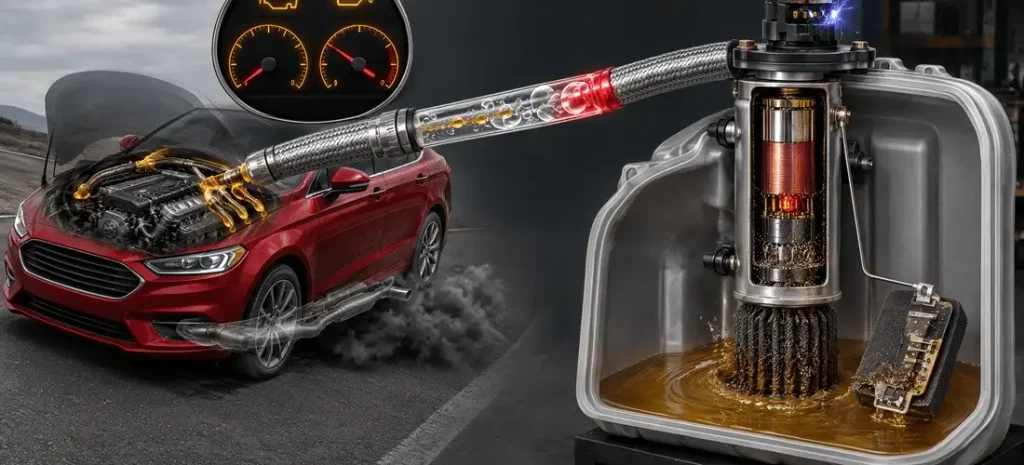
A bad fuel pump can make your car hard to start, cause the engine to sputter while driving, reduce acceleration, or even make the engine stall. If the pump stops working completely, the engine may crank without starting because it is not receiving the fuel it needs.
However, these symptoms do not automatically mean the fuel pump has failed. A clogged fuel filter, restricted fuel-pump strainer, faulty relay, blown fuse, damaged wiring, or fuel-pump control problem can cause similar issues.

The best way to identify the problem is to check the entire fuel-delivery system before replacing any parts. This guide explains the most common bad fuel pump symptoms, how to distinguish pump problems from other fuel-system faults, what diagnostic tests can confirm the problem, and when replacement makes sense.
Contents
- 1 What Does a Fuel Pump Do?
- 2 What Are the Symptoms of a Bad Fuel Pump?
- 2.1 1. Engine Is Hard to Start
- 2.2 2. Engine Cranks but Won’t Start
- 2.3 3. Engine Sputters or Hesitates While Driving
- 2.4 4. Loss of Power During Acceleration
- 2.5 5. Engine Stalls Unexpectedly
- 2.6 6. Rough Running or Engine Misfires
- 2.7 7. Poor Performance Under Heavy Engine Load
- 2.8 8. Unusual Whining Noise Near the Fuel Tank
- 2.9 9. Check Engine Light or Fuel-System-Related Codes
- 3 Bad Fuel Pump Symptoms When Starting
- 4 Bad Fuel Pump Symptoms When Driving
- 5 Bad Fuel Pump vs. Bad Fuel Filter: What’s the Difference?
- 6 What Causes a Fuel Pump to Fail?
- 7 How to Diagnose a Bad Fuel Pump
- 7.1 Step 1: Confirm the Complaint and Check for Other Causes
- 7.2 Step 2: Scan for Diagnostic Trouble Codes
- 7.3 Step 3: Check the Fuel-Pump Fuse and Relay
- 7.4 Step 4: Check the Fuel Pump’s Power Supply and Ground
- 7.5 Step 5: Measure Fuel Pressure
- 7.6 Step 6: Check Fuel Volume or Delivery When Required
- 7.7 Step 7: Interpret the Results Before Replacing the Pump
- 8 Bad Fuel Pump Relay, Fuse, or Control Module: What’s the Difference?
- 9 Can You Start a Car With a Bad Fuel Pump?
- 10 How Much Does Fuel Pump Replacement Cost?
- 11 When Should You Replace a Fuel Pump?
- 12 How to Help Prevent Fuel Pump Problems
- 13 Fuel Pump Safety: When to Stop DIY Diagnosis
- 14 FAQs About Bad Fuel Pump Symptoms
- 14.1 What are the first signs of a failing fuel pump?
- 14.2 Can a fuel pump be bad but still run?
- 14.3 Will a bad fuel pump cause a car to crank but not start?
- 14.4 Can a bad fuel pump cause a car to stall while driving?
- 14.5 Can a clogged fuel filter feel like a bad fuel pump?
- 14.6 Does a bad fuel pump always trigger the check engine light?
- 14.7 How long can a car run with a failing fuel pump?
- 14.8 Can a bad fuel pump cause poor gas mileage?
- 14.9 Will a fuel pump make noise before it fails?
- 14.10 Should I replace the fuel pump and fuel filter together?
- 15 Final Thoughts
What Does a Fuel Pump Do?
A fuel pump moves fuel from the tank to the engine. It supplies the fuel pressure and flow needed for the fuel injectors or carburetor to deliver the correct amount of fuel for combustion.
Most modern gasoline vehicles use an electric fuel pump located inside the fuel tank. The pump draws fuel through an inlet strainer and sends it toward the engine through the fuel lines.
Depending on the vehicle, the fuel system may also include:
- Fuel filter: Removes dirt and other contaminants from the fuel.
- Fuel-pump strainer: Helps prevent larger particles from entering the pump.
- Fuel-pump relay: Controls electrical power to the pump.
- Fuel-pump fuse: Protects the pump’s electrical circuit.
- Fuel-pressure regulator: Helps control fuel pressure in systems that use one.
- Fuel-pump control module: Controls pump operation on vehicles equipped with this system.
- Fuel injectors: Deliver fuel into the engine’s intake ports or combustion chambers.
Some older gasoline engines use mechanical fuel pumps. Diesel engines and gasoline direct-injection engines also have additional fuel-system components and different pressure requirements.
A fuel pump must deliver the required fuel pressure and volume under the operating conditions specified by the manufacturer. A pump that runs but cannot supply enough fuel may still cause serious drivability problems.


What Are the Symptoms of a Bad Fuel Pump?
The most common bad fuel pump symptoms include:
- Hard starting or extended cranking.
- Engine cranks but does not start.
- Engine sputters or hesitates while driving.
- Loss of power during acceleration.
- Engine stalls unexpectedly.
- Rough running or misfires.
- Poor performance under heavy engine load.
- Unusual whining noise near the fuel tank.
- Check engine light or fuel-system-related trouble codes.
These symptoms can indicate a fuel-delivery problem, but they are not exclusive to fuel pump failure. Other engine, ignition, electrical, and fuel-system problems can produce similar behavior.
Let’s examine each symptom and what it may mean.
1. Engine Is Hard to Start
One of the common symptoms of a weak fuel pump is difficulty starting the engine.
You may notice that the engine takes longer than usual to start. The starter motor turns the engine, but it takes several seconds before the engine fires and runs normally.
This can happen when the pump cannot build or maintain the fuel pressure required for starting.
For example, a weak pump may deliver enough fuel to keep an engine running once it starts but struggle to supply the required pressure during startup.
However, a hard-starting engine does not automatically indicate a bad fuel pump.
Other possible causes include:
- Weak battery.
- Faulty fuel-pump relay.
- Restricted fuel filter.
- Leaking fuel injector.
- Faulty fuel-pressure regulator.
- Crankshaft position sensor problems.
- Ignition-system faults.
- Fuel pressure bleeding down after the engine is switched off.
What to check: A technician can measure fuel pressure during the manufacturer’s specified startup procedure and check whether the system retains pressure as required. The results should be compared with vehicle-specific service information.
2. Engine Cranks but Won’t Start
If your engine cranks normally but refuses to start, a failed fuel pump is one possible cause.
The starter motor may turn the engine at normal speed, but the engine does not begin running.
This can happen when:
- The fuel pump has stopped operating.
- The pump cannot deliver sufficient fuel.
- The fuel-pump relay has failed.
- The fuel-pump fuse has blown.
- A wiring or ground problem interrupts pump operation.
- A fuel-pump control system is not commanding the pump correctly.
A no-start condition can also result from a lack of ignition spark, incorrect engine timing, a crankshaft position sensor failure, or an immobilizer problem.
How to narrow it down:
- Confirm that the vehicle has fuel.
- Check whether the engine cranks at a normal speed.
- Scan for diagnostic trouble codes.
- Check the fuel-pump fuse and relay using the vehicle’s wiring diagram.
- Verify fuel pressure and pump electrical operation using the correct diagnostic procedure.
Do not replace the fuel pump simply because the engine cranks but does not start. The diagnosis must establish why the engine is not receiving the fuel it needs.
3. Engine Sputters or Hesitates While Driving
A weak fuel pump may cause the engine to sputter, hesitate, or stumble while driving.
You may notice the engine briefly loses power, then returns to normal operation. The problem may become more noticeable during acceleration or when climbing a hill.
This can happen when the fuel system cannot maintain the required fuel delivery as engine demand increases.
Possible causes include:
- Weak fuel pump.
- Restricted fuel filter.
- Blocked fuel-pump strainer.
- Poor electrical connection at the pump.
- Fuel-pressure regulation problems.
- Restricted fuel lines.
Ignition misfires, faulty sensors, air-metering problems, and other engine-management issues can cause similar symptoms.
What to check: A technician can compare actual fuel pressure and relevant scan-tool data with the manufacturer’s specifications under the operating conditions that produce the complaint.
A normal pressure reading at idle does not necessarily prove that the system can supply enough fuel under every operating condition.
4. Loss of Power During Acceleration
A failing fuel pump may cause noticeable power loss when you press the accelerator.
The engine may respond slowly, struggle to gain speed, or feel weak when accelerating from a stop.
This can happen when fuel delivery cannot keep up with the engine’s demand.
The problem may be more noticeable when:
- Accelerating quickly.
- Driving uphill.
- Carrying a heavy load.
- Operating the engine at higher speeds.
However, low engine power has many possible causes.
Other potential problems include:
- Restricted fuel filter.
- Clogged air filter.
- Faulty mass airflow sensor.
- Ignition-system problems.
- Restricted exhaust.
- Faulty fuel injectors.
- Turbocharger or boost-system problems on applicable vehicles.
What to check: Fuel pressure, fuel volume where specified, electrical supply to the pump, and relevant engine data should be evaluated together.
A pump should not be condemned based on poor acceleration alone.
5. Engine Stalls Unexpectedly
A failing fuel pump can cause an engine to stall if fuel delivery becomes insufficient.
You may notice the engine shuts off while idling, slowing down, or driving.
In some cases, the engine may restart after sitting for a while. In others, it may refuse to start again.
An intermittent electrical connection or pump-control problem can also cause the fuel pump to stop operating unexpectedly.
Other possible causes include:
- Faulty crankshaft position sensor.
- Defective fuel-pump relay.
- Loose electrical connections.
- Faulty engine-control components.
- Ignition-system failure.
- Fuel-pressure regulation problems.
Important: An engine that stalls while driving can create a serious safety hazard. Steering and braking assistance may be reduced, depending on the vehicle.
If the engine repeatedly stalls, avoid continuing to drive it. Arrange professional diagnosis and towing when necessary.
6. Rough Running or Engine Misfires
A fuel pump that cannot deliver sufficient fuel may contribute to rough engine operation or misfires.
The engine may shake, vibrate, idle unevenly, or hesitate during acceleration.
This can happen when fuel delivery becomes inadequate for the engine’s operating requirements.
However, misfires are not proof of fuel pump failure.
Common alternatives include:
- Worn spark plugs.
- Faulty ignition coils.
- Damaged ignition wiring.
- Clogged fuel injectors.
- Vacuum leaks.
- Low fuel pressure from a restriction.
- Engine mechanical problems.
A diagnostic scan may show misfire-related trouble codes, but those codes identify the detected condition, not necessarily the failed component.
What to check: Review misfire data, fuel trims, fuel pressure, ignition-system operation, and other relevant engine data before deciding whether the pump is responsible.
7. Poor Performance Under Heavy Engine Load
A weak fuel pump may supply enough fuel for light driving but struggle when the engine needs more fuel.
You might notice that the vehicle runs normally at low speeds but loses power during hard acceleration, highway merging, or uphill driving.
This can occur when fuel pressure or delivery volume falls below the required level under load.
A restricted filter, pickup strainer, or fuel line can produce a similar problem.
What to check: The correct diagnostic procedure may require monitoring fuel pressure and delivery under specified operating conditions. Some vehicles also require scan-tool commands or specialized equipment to evaluate pump operation.
Do not assume a fuel pump is faulty just because the vehicle loses power under load.
8. Unusual Whining Noise Near the Fuel Tank
An electric fuel pump normally produces some operating noise. However, a new, unusually loud, or changing whine from the fuel tank area may indicate a problem.
Possible causes include:
- A worn fuel pump.
- Fuel contamination.
- A restricted inlet strainer.
- Low fuel supply.
- Poor pump mounting or vibration isolation.
A whining noise alone cannot confirm pump failure. Other components and normal operating sounds can be mistaken for fuel-pump noise.
If the noise is new and comes with hard starting, hesitation, or stalling, have the fuel system inspected.
9. Check Engine Light or Fuel-System-Related Codes
A failing fuel pump may contribute to engine performance problems that trigger the check engine light.
Depending on the vehicle and the fault, a scan tool may retrieve codes related to fuel pressure, fuel delivery, fuel-pump control, or engine misfires.
However, a check engine light does not automatically mean the fuel pump is bad.
For example, a fuel-pressure-related code may result from:
- A weak fuel pump.
- A restricted fuel filter.
- A faulty pressure sensor.
- Wiring or connector problems.
- A fuel-pressure regulator fault.
- A control-module issue.
- Another fuel-system problem.
The exact meaning of a trouble code depends on the vehicle and its diagnostic strategy.
What to do: Record the trouble codes and available freeze-frame data. Follow the vehicle-specific diagnostic procedure rather than replacing a part based on the code description alone.

Bad Fuel Pump Symptoms When Starting
Fuel pump problems can become noticeable during engine startup because the fuel system must supply the pressure and delivery required for the engine to begin running.
Common starting-related symptoms include:
| Starting symptom | Possible fuel-system explanation | Other possible causes |
|---|---|---|
| Long cranking | Pressure builds slowly or is insufficient | Weak battery, pressure bleed-down |
| Cranks but won’t start | Pump not operating or insufficient fuel delivery | Ignition failure, crank sensor |
| Starts and then stalls | Fuel delivery is interrupted | Relay, wiring, immobilizer |
| Intermittent starting | Pump or electrical fault occurs intermittently | Loose connections, sensor fault |
| Starts after several attempts | Fuel pressure or control problem | Ignition or engine-management fault |
Why Does a Weak Fuel Pump Cause Long Cranking?
The fuel system needs to provide the required pressure and fuel delivery for the engine to start.
If the pump is weak, the filter is restricted, or the electrical supply is unstable, the system may not meet the required starting conditions.
However, the same symptom can occur if fuel pressure drops after the engine is switched off or if another component prevents proper engine startup.
A pressure-retention test and the manufacturer’s startup diagnostic procedure can help identify the cause.
Can a Bad Fuel Pump Cause a Crank-No-Start Condition?
Yes. If the pump cannot deliver the required fuel, the engine may crank without starting.
But a crank-no-start condition can also result from:
- No ignition spark.
- Faulty crankshaft or camshaft position sensor.
- Immobilizer problems.
- Incorrect engine timing.
- Low compression.
- Fuel injector problems.
- Fuel-pump circuit faults.
The correct diagnosis checks whether the engine has the required fuel delivery, ignition, timing, and compression.
Bad Fuel Pump Symptoms When Driving
A fuel pump may show different symptoms when the engine is running because fuel demand changes with engine load and speed.
Common driving-related symptoms include:
- Hesitation when accelerating.
- Sputtering at higher speeds.
- Sudden loss of power.
- Engine stalling.
- Rough running.
- Weak performance while climbing hills.
- Intermittent engine operation.
Why Does the Problem Become Worse During Acceleration?
When you accelerate, the engine generally needs more fuel.
A pump that cannot maintain the required delivery may allow fuel pressure or flow to fall below the manufacturer’s specification.
This can cause hesitation, reduced power, or misfires.
However, restricted fuel filters, wiring faults, fuel-pressure regulation problems, and ignition faults can also cause poor performance under load.
The most useful diagnostic approach is to reproduce the complaint safely while monitoring the relevant fuel-system data.
Do not perform high-speed road tests with a vehicle that may stall unexpectedly. A qualified technician should choose a safe testing method.

Bad Fuel Pump vs. Bad Fuel Filter: What’s the Difference?
A failing fuel pump and a restricted fuel filter can produce very similar symptoms.
Both can reduce the amount of fuel reaching the engine.
The difference is that the pump generates the required fuel delivery, while the filter removes contaminants from the fuel. A restriction in the filter can prevent an otherwise functional pump from supplying enough fuel.
| Symptom or condition | Bad fuel pump | Restricted fuel filter |
|---|---|---|
| Hard starting | Possible | Possible |
| Cranks but won’t start | Possible | Possible if restriction is severe |
| Hesitation during acceleration | Possible | Possible |
| Loss of power under load | Possible | Possible |
| Engine stalling | Possible | Possible |
| Low fuel pressure | Possible | Possible |
| Pump runs but delivery is inadequate | Possible | Possible |
| Unusual pump noise | Possible | Not a reliable filter-specific sign |
How Can You Tell Which One Is Bad?
You cannot reliably distinguish a bad pump from a restricted filter using symptoms alone.
A proper diagnosis may include:
- Checking the vehicle’s fuel-filter design and maintenance history.
- Inspecting accessible fuel lines and connections.
- Measuring fuel pressure using the specified procedure.
- Checking fuel volume or delivery when required.
- Evaluating pump electrical supply and ground.
- Testing the filter or restriction using the manufacturer’s diagnostic procedure.
Some vehicles have serviceable external fuel filters. Others use in-tank filters or strainers, and some have different arrangements depending on the fuel-system design.
Do not assume that every vehicle has an independently replaceable fuel filter.
What Causes a Fuel Pump to Fail?
Fuel pumps can fail because of mechanical wear, contamination, electrical problems, or other fuel-system conditions.
Understanding the possible causes can help prevent unnecessary replacement and identify related problems.
1. Normal Wear
Fuel pumps operate whenever the engine requires fuel.
Over time, internal components can wear and the pump may lose its ability to deliver the required pressure or volume.
The actual service life depends on the vehicle, pump design, operating conditions, fuel quality, and maintenance.
There is no universal mileage at which every fuel pump must be replaced.
2. Fuel Contamination
Dirt, rust, and other contaminants inside the fuel tank can restrict the pump inlet or damage fuel-system components.
A contaminated tank can also affect a replacement pump if the underlying contamination is not addressed.
When replacing a pump, the technician should inspect the tank and related components and follow the manufacturer’s cleaning and replacement instructions.
3. Restricted Fuel Filter or Strainer
A restricted filter or inlet strainer can reduce fuel delivery.
This may make the pump work against additional restriction and can create symptoms that resemble pump failure.
Follow the manufacturer’s fuel-filter maintenance schedule and use the correct replacement component where service is required.
4. Poor Electrical Connections
An electric fuel pump needs the correct electrical supply to operate properly.
A loose connector, damaged wire, poor ground, overheated terminal, or excessive voltage drop can prevent the pump from operating as designed.
In some cases, the pump itself may be functional, but its electrical circuit cannot supply the required power.
This is why checking the circuit is an important part of fuel-pump diagnosis.
5. Faulty Fuel-Pump Relay or Fuse
The fuel-pump relay controls electrical power to the pump on vehicles equipped with one.
If the relay fails, the pump may not receive power at the correct time.
A blown fuse can also interrupt pump operation.
However, a blown fuse may indicate an underlying electrical problem. Simply replacing it without investigating why it failed may not solve the problem.
6. Fuel-Pump Control Module Problems
Some vehicles use a dedicated fuel-pump control module to manage pump operation.
A fault in the module, its power supply, wiring, or communication circuit may affect fuel-pump operation.
Not every vehicle has a separate control module. Check the wiring diagram and service information for the specific model.
7. Low Fuel Supply and Operating Conditions
Driving with very little fuel can increase the risk of fuel-supply problems in some vehicle designs.
Fuel also helps cool and lubricate certain in-tank pump designs.
However, this does not mean every pump that fails after low-fuel operation has failed for that reason.
Fuel quality, tank condition, pump design, and other operating factors matter.

How to Diagnose a Bad Fuel Pump
The best way to confirm a bad fuel pump is to test the fuel-delivery system and compare the results with the manufacturer’s specifications.
A diagnosis should establish whether the problem comes from the pump itself, its electrical circuit, a restriction, a pressure-control component, or another engine system.
Step 1: Confirm the Complaint and Check for Other Causes
Start by identifying exactly what the vehicle is doing.
Does it:
- Crank but fail to start?
- Take longer than usual to start?
- Stall after starting?
- Lose power during acceleration?
- Hesitate under load?
- Run normally at idle but fail during driving?
The conditions under which the problem occurs can help guide the diagnostic process.
Also confirm the fuel level and check for obvious fuel leaks or damaged components.
If gasoline is leaking or you smell a strong fuel odor, do not start or drive the vehicle. Keep ignition sources away and arrange professional inspection.
Step 2: Scan for Diagnostic Trouble Codes
Use a suitable scan tool to retrieve stored and pending trouble codes.
Depending on the vehicle, review relevant data such as:
- Fuel-pressure readings.
- Fuel-pump command.
- Fuel-pump control information.
- Fuel trims.
- Engine misfire data.
- Relevant sensor readings.
- Freeze-frame information.
Not every vehicle provides all of these data points.
A trouble code can help identify the affected system, but it does not automatically identify the failed component.
For example, a fuel-pressure-related code may be caused by a pump, sensor, wiring, restriction, or pressure-control problem.
Step 3: Check the Fuel-Pump Fuse and Relay
If the pump does not appear to operate, inspect the fuse and relay using the vehicle’s wiring diagram and service information.
Check for:
- A blown fuse.
- Damaged fuse terminals.
- Loose relay connections.
- Corrosion.
- Signs of overheating.
- Missing or incorrect power supply.
A relay may click and still have defective internal contacts.
Likewise, a fuse may look normal but still require electrical testing.
Do not randomly swap relays or bridge electrical terminals. Use only the approved diagnostic procedure for the vehicle.
Step 4: Check the Fuel Pump’s Power Supply and Ground
If the pump is not operating correctly, its electrical circuit should be tested.
A qualified technician may check:
- Power supply to the pump.
- Ground-side voltage drop.
- Connector condition.
- Wiring continuity.
- Voltage under operating load.
- Pump current draw where applicable.
A pump may receive voltage but still fail to operate correctly if the circuit cannot supply adequate current under load.
Electrical results must be interpreted using the manufacturer’s wiring diagram and specifications.
Step 5: Measure Fuel Pressure
Fuel-pressure testing is one of the most important parts of fuel-pump diagnosis.
A suitable pressure gauge or approved diagnostic equipment may be used where the vehicle provides an appropriate test connection and procedure.
The technician compares the measured pressure with the manufacturer’s specification.
Possible findings include:
| Test result | What it may indicate |
|---|---|
| No fuel pressure | Pump not operating, electrical fault, empty tank, or another supply problem |
| Pressure below specification | Weak pump, restricted filter, low electrical supply, or pressure-control problem |
| Pressure within specification | Pump pressure may be adequate under the tested conditions; further checks may still be necessary |
| Pressure rises or falls abnormally | Possible regulation, restriction, sensor, or control issue |
Important: There is no universal fuel-pressure specification for all cars.
The correct pressure depends on the vehicle’s year, make, model, engine, and fuel-system design.
Gasoline direct-injection systems also use a high-pressure pump in addition to the low-pressure supply system. Their diagnostic procedures are different from those used on conventional port-injected engines.
Never use a generic pressure figure to decide whether a pump is good or bad.
Step 6: Check Fuel Volume or Delivery When Required
A pump may produce acceptable pressure under one condition but fail to deliver enough fuel under higher demand.
For this reason, some manufacturers require a fuel-volume or delivery test.
The test method depends on the vehicle and fuel-system design.
A pressure reading alone may not provide enough information to confirm adequate fuel delivery.
Step 7: Interpret the Results Before Replacing the Pump
Before condemning the pump, evaluate the complete set of test results.
For example:
- If the pump receives no power, investigate the electrical circuit.
- If power and ground are correct but the pump does not operate, the pump may have failed.
- If pressure is low, investigate restrictions, electrical supply, regulation, and pump performance.
- If pressure is correct but the engine still runs poorly, investigate other engine-management and mechanical causes.
- If the vehicle uses a fuel-pump control module, follow the appropriate module and circuit diagnostic procedure.
A fuel pump should be replaced only when the evidence supports that conclusion.
Bad Fuel Pump Relay, Fuse, or Control Module: What’s the Difference?
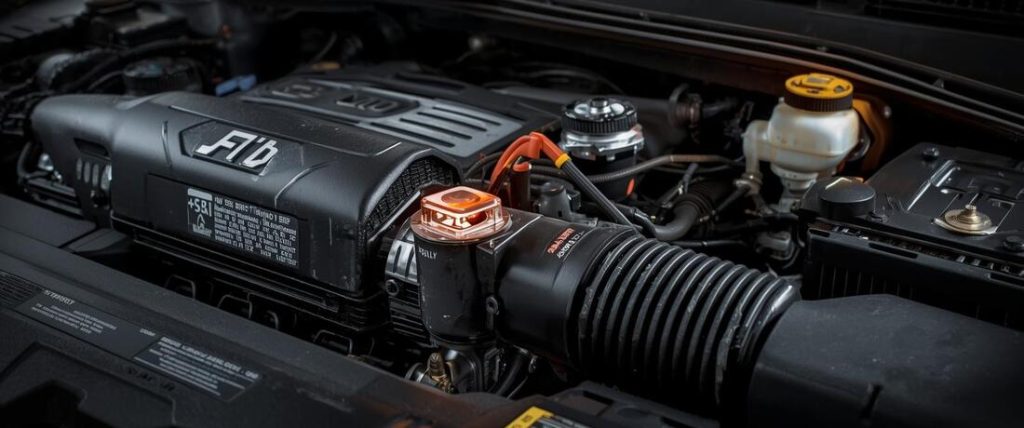
The fuel pump depends on an electrical system that supplies and controls its operation.
A fault in one of these components can create symptoms that look like a failed pump.
Bad Fuel Pump Relay Symptoms
A faulty fuel-pump relay may cause:
- Engine cranks but does not start.
- Intermittent starting.
- Engine stalls unexpectedly.
- Fuel pump does not receive power.
- Intermittent loss of fuel delivery.
A relay can fail internally even if it clicks when activated.
Testing its control and power circuits is more reliable than relying on sound alone.
Bad Fuel Pump Fuse Symptoms
A blown fuel-pump fuse can interrupt electrical power to the pump.
Possible symptoms include:
- No fuel-pump operation.
- Crank-no-start condition.
- Sudden engine stall.
- Intermittent operation if the electrical connection is damaged.
If a replacement fuse blows again, do not keep installing new fuses. The circuit needs to be inspected for an electrical fault.
Bad Fuel Pump Control Module Symptoms
On vehicles equipped with a fuel-pump control module, a module or circuit problem may cause:
- Intermittent starting.
- No fuel-pump operation.
- Engine stalling.
- Fuel-pressure or pump-control faults.
- Reduced engine performance.
These symptoms are not specific to the module.
A proper diagnosis should check the module’s power, ground, wiring, communication, and control signals according to the vehicle’s service information.
Can You Start a Car With a Bad Fuel Pump?
It depends on how badly the pump has failed.
A weak pump may still deliver enough fuel for the engine to start and run under certain conditions. A pump that has stopped operating completely may prevent the engine from starting.
An intermittent pump may allow the vehicle to start one time and fail the next.
However, getting the engine started does not mean the vehicle is safe or reliable to drive.
If the pump cannot maintain the required fuel delivery, the engine may stall unexpectedly or lose power.
Avoid relying on repeated starting attempts or improvised methods to keep the vehicle running.
If the engine stalls, loses power, or refuses to start, arrange proper diagnosis. If it may stall again in traffic, have it towed rather than driving it.

How Much Does Fuel Pump Replacement Cost?
Fuel pump replacement costs depend on the vehicle, pump design, parts selection, labor rate, and accessibility.
According to RepairPal’s US estimate, last updated September 3, 2026, the average fuel pump replacement cost is approximately $1,344 to $1,513.
The estimate includes:
- Parts: $1,104 to $1,160.
- Labor: $241 to $353.
These figures exclude taxes and fees and do not account for every location or vehicle configuration.
AAA also publishes broader vehicle-category estimates:
| Vehicle type | Estimated total replacement cost |
|---|---|
| Compact or economy sedan | $1,200–$2,700 |
| SUV | $900–$2,900 |
| Luxury vehicle | $1,500–$3,000 |
These are broad US estimates, not guaranteed repair quotes. Actual costs can be outside these ranges.
What Affects Fuel Pump Replacement Cost?
1. Vehicle make and model
Some vehicles have more expensive pump assemblies or require additional labor to access the pump.
2. Fuel pump location
Some pumps can be accessed through a service opening. Others require lowering or removing the fuel tank.
3. Pump assembly design
Some vehicles use a complete fuel-pump module that includes the pump, fuel-level sender, strainer, and related components.
4. Parts quality
Original-equipment and aftermarket components can have different prices and specifications.
5. Additional repairs
A damaged connector, contaminated tank, restricted filter, or related component may need attention.
Should You Replace Only the Fuel Pump or the Complete Assembly?
That depends on the vehicle’s design and the manufacturer’s repair procedure.
Some fuel-pump modules allow the pump to be serviced separately. Others require replacement of a larger assembly.
Ask the repair shop:
- Is the quote for the pump alone or the complete module?
- Does the assembly include the fuel-level sending unit?
- Are the strainer and required seals included?
- Was the electrical connector inspected?
- Was the fuel tank checked for contamination?
- What diagnostic results confirmed pump failure?
A clear estimate helps you understand what you are paying for and reduces the risk of replacing the wrong component.
When Should You Replace a Fuel Pump?
Replace a fuel pump when testing confirms that it cannot meet the vehicle’s required operating specifications and other possible causes have been ruled out.
Evidence may include:
- The pump fails an approved operational test.
- The electrical supply and ground meet specifications, but the pump does not operate correctly.
- Fuel pressure or delivery remains below specification after relevant restrictions and control faults are checked.
- The manufacturer’s diagnostic procedure identifies the pump as the failed component.
Do not replace a pump only because:
- The engine cranks but does not start.
- The check engine light is on.
- The pump makes noise.
- The engine hesitates during acceleration.
- A fuel-pressure-related code is stored.
Those findings can help guide diagnosis, but they do not independently prove pump failure.

How to Help Prevent Fuel Pump Problems
No maintenance routine can guarantee that a fuel pump will never fail. However, good fuel-system maintenance can help reduce avoidable problems.
Follow the Manufacturer’s Fuel Filter Schedule
If your vehicle has a serviceable fuel filter, follow the maintenance interval specified in the owner’s manual or service information.
Do not assume every vehicle has the same filter arrangement or replacement interval.
Use the Correct Fuel
Use fuel that meets the manufacturer’s requirements for your vehicle.
Avoid fuel from questionable sources if contamination is suspected.
Address Fuel Contamination Promptly
If you suspect contaminated fuel, have the fuel system inspected before continuing to operate the vehicle.
Contamination can affect the pump, strainer, filter, injectors, and other fuel-system components.
Inspect Fuel Lines and Electrical Connections
During appropriate maintenance, have accessible fuel lines, connectors, and electrical wiring inspected for damage, corrosion, leaks, or overheating.
Do not disturb pressurized fuel connections unless following the correct service procedure.
Avoid Running the Tank Nearly Empty
Keeping an adequate fuel level can help reduce the chance of fuel-supply interruptions and may help protect certain in-tank pump designs from operating with insufficient fuel.
This is a sensible precaution, not a guarantee against pump failure.
Fuel Pump Safety: When to Stop DIY Diagnosis
Fuel-system diagnosis and repair can be dangerous if performed incorrectly.
Gasoline is flammable, and some fuel systems retain pressure after the engine is switched off.
Gasoline direct-injection and diesel common-rail systems can operate at extremely high pressures. A high-pressure fuel leak can cause serious injury if fuel penetrates the skin.
Stop DIY work and seek qualified service if:
- You see or smell leaking fuel.
- You need to open a pressurized fuel line.
- The vehicle uses a high-pressure direct-injection or common-rail system and you lack the correct service information.
- You need to remove a fuel tank.
- You do not have the correct testing equipment.
- You cannot safely support or handle the vehicle and tank.
- You are unsure how to isolate electrical power or release fuel-system pressure.
Never use an open flame, smoke, or create sparks near fuel-system work.
Do not loosen high-pressure fuel lines while the engine is running. Follow the manufacturer’s pressure-release and service procedures.
If you suspect a fuel leak, do not start or drive the vehicle. Have it inspected and repaired safely.
FAQs About Bad Fuel Pump Symptoms
What are the first signs of a failing fuel pump?
Early warning signs may include hard starting, intermittent hesitation, reduced acceleration, unusual pump noise, or unexpected stalling. These symptoms can also result from other fuel-system or engine problems, so testing is necessary before replacing the pump.
Can a fuel pump be bad but still run?
Yes. A weak fuel pump may still operate but fail to provide the required fuel pressure or delivery volume. The engine may start and run but hesitate, lose power, or stall under certain conditions.
Will a bad fuel pump cause a car to crank but not start?
Yes. If the pump cannot supply fuel, the engine may crank without starting. However, ignition faults, sensor failures, immobilizer problems, and other issues can cause the same condition.
Can a bad fuel pump cause a car to stall while driving?
Yes. If fuel delivery becomes insufficient or the pump stops operating, the engine may stall while driving. A relay, wiring, control-module, or other fuel-system fault can produce similar symptoms.
Can a clogged fuel filter feel like a bad fuel pump?
Yes. A restricted fuel filter can reduce fuel delivery and cause hard starting, hesitation, loss of power, or stalling. Fuel pressure and delivery testing can help distinguish a filter restriction from a pump problem.
Does a bad fuel pump always trigger the check engine light?
No. A fuel pump can become weak or fail without immediately triggering the check engine light. Some vehicles may store fuel-pressure, pump-control, or engine-performance codes, depending on the fault and monitoring strategy.
How long can a car run with a failing fuel pump?
There is no reliable timeframe. A weak pump may operate intermittently before failing completely, while another may stop working without much warning. Continuing to drive a vehicle that stalls or loses power can be dangerous.
Can a bad fuel pump cause poor gas mileage?
It can contribute to poor engine performance, but poor fuel economy alone is not a reliable sign of pump failure. Incorrect fuel pressure, sensor problems, ignition faults, tire issues, and driving conditions can also affect fuel consumption.
Will a fuel pump make noise before it fails?
Some failing pumps become louder or produce an unusual whining sound. However, pump noise alone cannot confirm failure. Fuel level, mounting, contamination, and other conditions can also affect operating noise.
Should I replace the fuel pump and fuel filter together?
Follow the vehicle manufacturer’s repair instructions. If the filter or strainer is restricted, contaminated, or due for service, it may need attention during the repair. Not every vehicle uses a separately replaceable fuel filter.
Final Thoughts
A failing fuel pump can cause hard starting, engine sputtering, reduced acceleration, rough running, and unexpected stalling. If the pump stops working completely, the engine may crank without starting.
But these symptoms do not prove that the pump itself is bad.
A restricted fuel filter, faulty relay, blown fuse, damaged wiring, poor ground, or fuel-pump control problem can create similar symptoms.
The most reliable approach is to inspect the fuel-delivery system, check the electrical circuit, and measure fuel pressure and delivery using the correct vehicle-specific procedures.
Diagnose before replacing. A confirmed test result is more valuable than a symptom-based guess.