
This article was updated in March 31, 2026 with new products and information by Mark S. Taylor
Your seat belt is likely locked because the pretensioner fired during the impact. This is a scary moment. You see the airbag light glowing on your dash. You tug on the belt, but it won’t move. This happens after even a minor fender bender. Many people think they must buy a expensive new part from the dealer. That is not true. You can often choose a seat belt pretensioner repair service instead. We have helped many drivers understand this process. It saves money and keeps you safe. In this article, we will explain how these parts work and what it costs to fix them. Let’s get your safety system back to normal.
Contents
- 1 What Is a Seat Belt Pretensioner?
- 2 How It Works During a Crash
- 3 The 3 Types of Seat Belt Pretensioners
- 4 Signs Your Seat Belt Pretensioner Has Deployed
- 5 How to Test a Pretensioner (OHM Test)
- 6 Seat Belt Pretensioner Severity Guide
- 7 Can You Repair a Seat Belt Pretensioner?
- 8 Repair vs. Replace vs. Dealership
- 9 Single Stage vs. Dual Stage vs. Triple Stage
- 10 How Seat Belt Pretensioner Repair Works
- 11 Seat Belt Pretensioner Repair Cost
- 12 Is DIY Repair Safe?
- 13 Can You Drive With a Deployed Seat Belt Pretensioner?
- 14 Does Repair Require an SRS Module Reset?
- 15 Best Seat Belt Pretensioner Repair Services
- 16 FAQs About Seat Belt Pretensioner Repair
- 17 Verdict — Bottom Line
What Is a Seat Belt Pretensioner?
A seat belt pretensioner is a safety device that tightens your belt the moment a crash starts. It works with your airbag. Its only job is to remove the slack from the belt. This holds you tight in your seat. It makes sure you are in the right spot for the airbag to catch you.
Old seat belts only locked when the car stopped fast. They relied on inertia. Pretensioners are active. They pull the belt tight before you even move forward. This split-second action saves lives. It uses a small explosion or a motor to reel in the belt webbing instantly. If you have an airbag warning light on, this part is often the cause.
How It Works During a Crash
The system uses a pyrotechnic charge to pull the belt tight in milliseconds. Think of it like a tiny airbag for your seat belt. Here is the step by step:
- Impact: You hit something.
- Signal: Crash sensors send data to the SRS computer.
- Ignition: The computer decides to fire the pretensioner.
- Action: A small gas charge ignites. It pushes a piston.
- Result: The piston pulls the belt buckle or retractor down.
Once this happens, the part is “spent.” It is like a used airbag. It cannot work again. The mechanism is now locked in a crunched position. This is why your belt feels tight or won’t pull out.
The 3 Types of Seat Belt Pretensioners
You should know which type your car has to order the correct repair. They all do the same job, but they sit in different spots. Most cars use one of these three styles.
- Buckle Pretensioner: This is the most common type. It sits inside the seat belt buckle assembly. When it fires, it pulls the whole buckle down toward the seat frame. It tightens the lap belt.
- Anchor Pretensioner: This sits at the base of the pillar near the floor. It pulls the lower anchor point down. It tightens the lap portion of the belt from the bottom.
- Retractor Pretensioner: This sits inside the retractor spool (where the belt rolls up). It spins the spool backwards to take up slack. It tightens the shoulder belt.
Real-World Example: If your buckle feels like it is sitting lower than usual after a crash, you likely have a deployed buckle pretensioner. If the belt feels tight on your shoulder, it might be the retractor type.
Signs Your Seat Belt Pretensioner Has Deployed
You will usually notice clear signs immediately after an accident or sudden stop. The car tells you something is wrong. Do not ignore these warnings.
Seat Belt Is Locked and Won’t Retract
This is the biggest clue. You try to pull the belt out to buckle up, but it is stuck. It will not move. This means the explosive charge has fired and locked the gear. You cannot force it back in. It needs repair.
Airbag Warning Light Is On
The SRS light on your dash connects to the seat belts. If the pretensioner fired, the computer knows. It stores a “resistance too high” or “open circuit” code. This turns on the warning light. It will not turn off until you fix the belt and reset the module. This light means your car safety features are not working.
Belt Feels Unusually Tight or Buckle Has Shifted
Sometimes the belt still works, but it feels wrong. It might feel very tight against your body. You might see that the buckle housing looks tilted or out of place. This physical shift shows the internal piston has moved.
How to Test a Pretensioner (OHM Test)
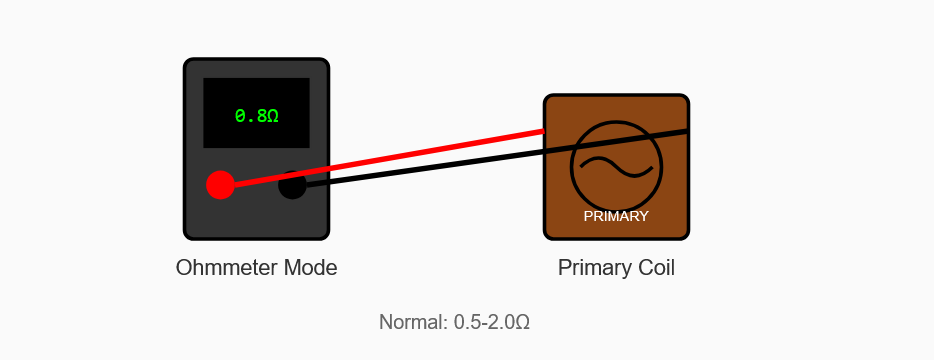
You can use a multimeter to test if the sensor inside the belt is working. This is a simple electrical check. It tells you if the circuit is broken.
- Disconnect the Battery: Always unhook the car battery first. Wait 10 minutes. This prevents accidental airbag deployment.
- Unplug the Belt: Find the electrical connector under the seat or on the belt buckle. Unplug it.
- Set Multimeter: Turn your meter to measure Ohms (resistance).
- Test: Touch the probes to the two pins on the belt side (not the car side).
- Read the Result:
- 2–3 Ohms: The sensor is good. It did not fire.
- 0L or Infinity: The circuit is open. The pretensioner has deployed.
- Zero: There is a short.
If you do not have a meter, a mechanic can scan the car computer. A fault code for the seat belt usually confirms deployment. You can find more diagnostic tips on sites like NHTSA for vehicle safety issues.
Seat Belt Pretensioner Severity Guide
You must judge the severity to know how fast you need a repair. This table helps you decide what to do next.
| Symptom | Status | Action Required |
|---|---|---|
| Belt locked after minor fender-bender | 🟠 Likely Deployed | Inspect + test immediately. |
| Airbag light on after crash | 🔴 Deployed/Fault | Do not drive; repair before use. |
| Belt won’t extend or retract at all | 🔴 Deployed | Repair or replace immediately. |
| Belt feels normal but light is on | 🟠 Sensor fault | Diagnostic scan + SRS reset. |
| Slight stiffness in belt, no warning light | 🟡 Monitor | Check at next service. |
| Visible damage to belt housing | 🔴 Compromised | Repair webbing or replace assembly. |
Can You Repair a Seat Belt Pretensioner?
Yes, you can repair a pretensioner instead of buying a new one in most cases. Repair involves rebuilding the internal mechanism. A shop puts in a new explosive charge and fixes the gears. The housing stays the same.
When Repair Is the Right Choice
Repair is smart if the housing is not damaged. It saves you a lot of money. Professional repair services use OEM parts to replace the spent charge. The repaired belt works just like new. It will deploy correctly in the next crash. You get a warranty on the work. This is the best choice for older cars where new parts are expensive.
When Full Replacement Is Necessary
Sometimes repair is not an option. You should replace the whole unit if the metal housing is cracked or bent. If the mounting points snapped off, you need a new part. Do not repair a damaged housing. It might not hold up in another crash. If you are fixing a salvage title car to sell, new parts might be better for resale value.
Repair vs. Replace vs. Dealership
You have three main options. Each has a different cost and time frame. Look at this comparison to choose the best one for you.
| Option | Cost Range | Turnaround | OEM Parts | Warranty |
|---|---|---|---|---|
| Mail-In Repair Service | $65–$120 | 24 hrs + shipping | ✅ Yes | Lifetime |
| DIY Replacement | $50–$200 (parts only) | Varies | ⚠️ Depends | None |
| Independent Shop | $150–$300 | 1–3 days | ⚠️ May vary | Shop warranty |
| Dealership Replacement | $300–$800 per seat | 1–5 days | ✅ OEM | Factory warranty |
Mail-in repair is usually the winner for value. It is cheap and fast. Dealerships are the most expensive but easy if you have money to spend.
Single Stage vs. Dual Stage vs. Triple Stage
You must count the electrical plugs on your seat belt before you order a repair. The “stage” tells the repair shop how many charges are inside.
- Single Stage: It has 1 plug. This is common on older cars or economy models.
- Dual Stage: It has 2 plugs. This is common on modern sedans and SUVs. It might have two charges for different crash forces.
- Triple Stage: It has 3 plugs. This is on luxury cars. It often has a charge in the buckle and one in the retractor.
Why it matters: A dual-stage repair costs a bit more than a single-stage one. You need to tell the service provider exactly what you have. If you send in a dual-stage belt but paid for a single-stage, they will ask for the difference.
How Seat Belt Pretensioner Repair Works
The process is very simple for the car owner. You do the easy removal. The experts do the hard work.
Step 1: Remove the Assembly
First, disconnect your battery. Wait 10 minutes. Unscrew the belt buckle from the seat. Unscrew the retractor from the pillar. It usually takes about 15 minutes. You can find guides on how to remove interior trim on our site.
Step 2: Ship the Part
Find a reputable mail-in repair service. Pack the belt in a box. Include your contact info and car model. Ship it to them.
Step 3: The Rebuild
The technicians open the unit. They inspect the gears. They install a new OEM gas charge. They replace the sensor. They test the resistance to make sure it reads 2-3 Ohms. They close it back up.
Step 4: Reinstall
You get the box back in a few days. Bolt it back in your car. Plug in the connector. It is “plug-and-play.” You do not need to program anything.
Seat Belt Pretensioner Repair Cost
The price depends on how you fix it. Repairing is almost always cheaper than buying new.
Mail-In Repair: Expect to pay $65 to $120 per belt. Single-stage belts are on the low end. Triple-stage belts are on the high end. This is the most affordable route.
Dealership Replacement: Dealers charge for the part and labor. A new belt assembly costs $150 to $300. Labor adds another $100 to $150. Luxury cars can cost over $800 per seat.
Independent Shop: Local shops might charge $150 to $300. They often send it out to a specialist anyway and mark up the price.

Is DIY Repair Safe?
You should not try to rebuild the explosive part yourself. It is dangerous. The gas charge is an explosive device. If you make a mistake, it could go off. That can cause injury. Also, the sensor is delicate. If you mess up the wiring, the belt won’t work in a crash.
You can remove the part and reinstall it yourself. That saves labor costs. But let a pro handle the internal rebuild. It is not worth the risk to save a few dollars on the core repair. For more on what you can safely do yourself, check our article on DIY car repair risks.
Can You Drive With a Deployed Seat Belt Pretensioner?
No, it is not safe to drive with a deployed pretensioner. The seat belt is part of your Supplemental Restraint System (SRS). If the pretensioner is deployed, the seat belt is loose. It will not hold you tight in a crash.
You might think the belt still buckles, so it works. It does not. It is compromised. You are at high risk of injury. Also, in most states, it is illegal. Your car will not pass a safety inspection with an SRS light on. Do not drive the car until you fix it.
Does Repair Require an SRS Module Reset?
Yes, you almost always need to reset the airbag module (computer). The car computer stored a crash code when the belt fired. Even after you fix the belt, the light will stay on. The computer thinks the belt is still broken.
You have two choices:
- Bundle it: Some mail-in belt repair shops also offer module reset. You send them the belt and the module.
- Local Pro: A local mechanic with a high-end scanner can reset it.
Without this reset, your airbags might not deploy in the next crash. The system shuts down to prevent accidental deployment. Make sure you clear the codes.
Best Seat Belt Pretensioner Repair Services
There are many good companies. They rebuild belts every day. Here are a few top options to consider.
| Provider | Turnaround | Warranty | Price Range | Stage Support |
|---|---|---|---|---|
| MyAirbags | 24 hrs | Lifetime | $65–$120 | Single/Dual/Triple |
| Safety Restore | 24 hrs | Lifetime | $65–$100 | Single/Dual/Triple |
| Repair My SRS | 24–48 hrs | Lifetime | $80–$100 | Single/Dual |
Note: We have no financial ties to these companies. Always check their current prices and reviews before you ship.
FAQs About Seat Belt Pretensioner Repair
How much does seat belt pretensioner repair cost?
Professional repair services typically cost between $65 and $120 per belt. This is much cheaper than dealership replacement, which can cost $300 to $800.
How do I know if my pretensioner has deployed?
The main sign is a seat belt that is locked and won’t pull out. You will also see the airbag warning light on your dashboard. Sometimes the buckle looks shifted or lower than usual.
Can I fix a seat belt pretensioner myself?
You can remove and reinstall the part yourself. However, you should not try to rebuild the explosive mechanism. It is dangerous and requires special parts and tools.
How long does mail-in seat belt pretensioner repair take?
Most companies repair and ship the part back within 24 hours. With shipping time, you will usually have your part back in 3 to 5 business days.
Does repairing a pretensioner require resetting the airbag light?
Yes, you must reset the SRS module. The computer stores crash data. If you do not reset it, the airbag light will stay on, and your airbags may not work.
Verdict — Bottom Line
A deployed seat belt pretensioner is a serious safety issue, but the fix is easy. Do not drive your car with a locked belt or airbag light on. You do not need to pay dealer prices. Mail-in repair services are safe, fast, and cheap. They rebuild your belt to factory standards.
Check how many plugs your belt has. Remove the part. Send it in. You will have it back in less than a week. This small step keeps you and your family safe on the road. It restores your car’s safety system the right way.
Quick Summary
- A seat belt pretensioner repair rebuilds the locked unit for a fraction of the dealer cost.
- Signs of failure include a locked belt, airbag light, and buckle shifting.
- Repair costs range from $65–$120, while dealers charge $300–$800.
- You must reset the SRS module after the repair to clear the airbag light.
- Do not drive with a deployed belt; it offers no protection in a crash.
- Count the plugs (1, 2, or 3) to identify single, dual, or triple-stage systems.
- Mail-in repair takes about 24 hours plus shipping time.