
This article was updated in August 3, 2026 with new products and information by Mark S. Taylor
When your car starts making strange noises, it’s never a good sign. But when that racket only kicks in when you’re accelerating uphill, you’re not just hearing a random squeak; you’re hearing a component failing under stress. That specific condition—noise under heavy engine and drivetrain load—is a diagnostic goldmine, pointing to a handful of usual suspects that a good mechanic can pinpoint. We’ll break down exactly what that noise means, what’s likely failing, if it’s safe to keep driving, and what your next steps should be to get it fixed without emptying your wallet on guesswork.

Contents
- 1 What is “Noise Only When Accelerating Uphill?”
- 2 Symptoms & Warning Signs: Listening to Your Car’s Complaints
- 3 Common Culprits: What’s Making All That Racket?
- 4 Diagnosing the Uphill Noise: A Mechanic’s Approach
- 5 Can You Drive With It? Safety & Urgency
- 6 Repair Cost Breakdown: What to Expect
- 7 DIY vs Mechanic: Who Should Tackle This?
- 8 Prevention Tips: Keep the Noise Away
- 9 FAQs About Noise Only When Accelerating Uphill
- 9.1 Q: My car makes a loud whining noise when accelerating uphill, but it stops on flat ground. What’s most likely?
- 9.2 Q: Can a failing engine mount cause a clunking noise only when going uphill?
- 9.3 Q: Is it safe to drive with a rattling noise from the exhaust when accelerating uphill?
- 9.4 Q: Why does my front-wheel-drive car make a clicking sound only when accelerating uphill and turning?
- 9.5 Q: Will a simple tune-up fix a noise when accelerating uphill?
- 10 Verdict: The Bottom Line
What is “Noise Only When Accelerating Uphill?”
It’s simple: your car is working harder when climbing an incline. Gravity is fighting you, and your engine and drivetrain have to generate significantly more power to maintain speed. This puts a tremendous amount of stress on components that might otherwise seem fine on flat ground or at cruising speeds. A small weakness in a bearing, a worn-out joint, a loose exhaust component, or even a tired engine part can remain silent until that extra load reveals its true condition. Think of it like this: a rusty gate hinge might not squeak when you gently push it open, but it’ll scream if you try to kick it. Your car’s uphill noise is that scream under pressure.
Symptoms & Warning Signs: Listening to Your Car’s Complaints
The type of noise you hear is your first, best clue. Don’t just say “it’s making a noise;” describe it in detail.
- Grinding: This is a harsh, metal-on-metal sound. When heard accelerating uphill, especially during turns, it often screams failing CV joints (Constant Velocity joints) in front-wheel-drive or all-wheel-drive vehicles. If it’s a deeper, more resonant grind from the rear, it could point to a differential issue or a severely worn wheel bearing.
- Whining or Humming: A steady, high-pitched whine that increases with RPM or vehicle speed, especially under load, often points to a failing transmission pump, low transmission fluid, or sometimes an issue with a power steering pump that’s struggling with increased engine strain. A lower-pitched hum could be a worn wheel bearing or a differential bearing in its earlier stages.
- Clunking or Clicking: A single, sharp clunk when accelerating uphill after coasting or changing gears can be a sign of worn engine mounts or transmission mounts allowing excessive movement. A repetitive click-click-click that speeds up with the car and is more pronounced when turning points almost exclusively to a worn CV joint.
- Rattling or Buzzing: This can be deceptive. Often, a rattling noise only under load comes from a loose exhaust heat shield vibrating against the exhaust pipe. It could also be a loose component in the engine bay vibrating due to increased engine torque. Sometimes, a catalytic converter with a broken internal matrix can rattle.
- Squealing: A high-pitched squeal is usually a slipping serpentine belt struggling to drive accessories under increased engine load, or a failing pulley bearing that’s exacerbated by the extra strain.
Pay attention to when the noise starts, stops, and if it changes with steering input, gear changes, or specific RPMs. The more detail you can provide, the closer you are to a correct diagnosis.

Common Culprits: What’s Making All That Racket?
Based on those distinct noises, here are the parts most likely causing trouble when you push your car up a hill:
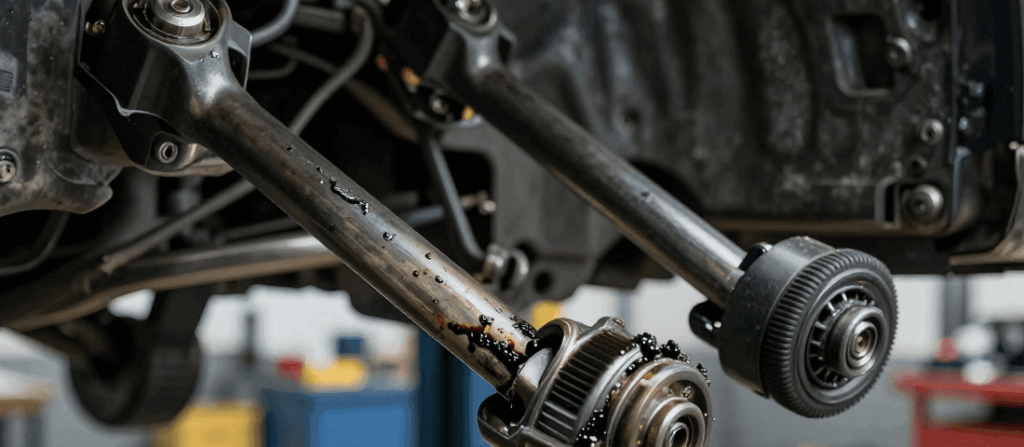
- CV Joints (Constant Velocity Joints): These are the most frequent offenders, especially on front-wheel-drive cars. When they start to go bad, the protective boot tears, allowing dirt in and grease out. Under the extra load of an uphill climb, particularly when turning, the worn bearings inside the joint will produce that characteristic clicking or grinding sound. It’s because the joint has to flex and transmit power simultaneously, and wear becomes obvious.
- Differential: This component allows your wheels to turn at different speeds (like around a corner). If the fluid is low or the internal gears and bearings are worn, the immense rotational forces exerted during uphill acceleration can cause a distinct hum or whine. This is especially true for rear-wheel-drive and all-wheel-drive vehicles.
- Transmission: A whining transmission on an incline could indicate low fluid, a failing torque converter, or internal gear issues. The transmission is working overtime to transfer power efficiently. If the fluid is old or insufficient, it can overheat and cause friction, leading to noise. A failing torque converter often manifests as a shudder or groan under load, trying to lock up.
- Engine Mounts: These rubber-and-metal pucks cushion the engine and transmission from the chassis. Over time, the rubber degrades or separates. When you accelerate hard uphill, the engine twists under torque, and a bad mount allows excessive movement, causing a clunk as metal hits metal. This is often an overlooked culprit.
- Exhaust System (Heat Shields/Hangers): The exhaust system gets hot and expands, and the vibrations from an engine working hard on an incline can make loose components resonate. A rattling heat shield is a common, relatively harmless, but annoying noise often mistaken for something more serious. Loose hangers can also allow the pipe to hit the chassis.
- Wheel Bearings: While often making noise all the time, a wheel bearing issue can become more pronounced under the specific forces of an uphill climb or when turning. It will usually be a humming or grinding sound that changes with speed.
- Power Steering Pump: If your car is straining uphill and you also notice a whine while turning the wheel, the power steering pump could be struggling. It’s working harder as engine RPMs increase, and if it’s low on fluid or failing, the noise can become noticeable.
Diagnosing the Uphill Noise: A Mechanic’s Approach
Before you even step foot in a shop, you can do some basic checks.
- Listen, Listen, Listen: Pinpoint exactly where the noise is coming from. Front? Rear? Left? Right? Under the hood? Under the floor?
- Check Fluids: Low transmission fluid or power steering fluid can cause whining noises under load. Visually inspect these levels.
- Visual Inspection (Safe & Simple): With the car parked on level ground and the engine off, look under the car. Are any exhaust heat shields obviously loose? Is there anything hanging down? Are there any obvious fluid leaks around the transmission or differential? Check the CV joint boots—are they torn or leaking grease?
- Replicate Conditions (Safely): If possible, find a quiet hill and try to reproduce the noise. Does it happen in a specific gear? At a specific RPM? Does turning the steering wheel left or right affect it while going uphill? These details are invaluable.
When your car reaches the shop, a mechanic will do a more thorough job. We’ll start by talking to you to gather all those details you just figured out. Then, we’ll connect a scan tool for any relevant diagnostic trouble codes. A visual inspection on a lift is next, checking for torn boots, leaks, loose components, and play in suspension or drivetrain parts. Sometimes, we’ll even use an automotive stethoscope to listen to specific components while the vehicle is running and loaded (using a dynamometer or careful testing). The goal is to isolate the noise to a single component or system. The first thing I check when a customer brings in a noise complaint under load is always the obvious, easy-to-spot stuff like fluid levels and torn CV boots before digging deeper into transmissions or differentials.
Can You Drive With It? Safety & Urgency
This is where you need to be honest with yourself. Some uphill noises are annoyances, others are ticking time bombs.
- Immediate Danger (Stop Driving): If you hear a violent grinding, a loud, constant clunking, or feel a significant vibration that makes the car feel unstable, especially when turning, do not drive it. This could indicate a failing wheel bearing, a severely damaged CV joint, or a major transmission problem that could lead to a catastrophic breakdown, loss of control, or leave you stranded.
- Urgent Attention (Drive with Caution): A consistent whining or humming that is getting louder, or repetitive clicking from a CV joint, needs attention soon. These issues typically won’t cause immediate danger, but ignoring them will lead to further, more expensive damage. A CV joint can seize, a transmission can fail entirely, and a wheel bearing can literally cause the wheel to separate.
- Monitor (But Don’t Ignore): A subtle rattle from the exhaust or a very faint hum that doesn’t change much might give you a little more time. However, any new noise under load is a symptom of something wearing out. Keep an eye on fluid levels and listen for any changes in the noise’s intensity or character.
Ignoring an uphill noise is like ignoring a smoke alarm; it might not be a fire yet, but it’s telling you something is seriously wrong. Don’t wait until a small repair turns into a complete system replacement because you pushed it too far.
Repair Cost Breakdown: What to Expect
When your car starts sounding like a dying cat climbing a tree, your first thought is usually, “How much is this going to cost?” The truth is, it varies wildly depending on what’s actually broken. Here’s a realistic look at what you can expect for the most common culprits of uphill noise:
| Component Causing Noise | Parts Cost (Estimated) | Labor Cost (Estimated) | Total Cost Range (Typical) | Key Factor Affecting Price |
|---|---|---|---|---|
| CV Joint (one side) | $70 – $250 | $150 – $350 | $220 – $600 | OE vs. aftermarket part; vehicle type |
| Differential Fluid Change | $30 – $70 (fluid) | $80 – $150 | $110 – $220 | Type of fluid, access difficulty |
| Differential Rebuild/Replace | $500 – $1500+ | $400 – $800+ | $900 – $2300+ | Complexity, specific vehicle, new vs. rebuilt |
| Transmission Flush/Fluid | $150 – $300 | Included in service | $150 – $300 | Fluid type, shop expertise |
| Engine Mount (one) | $50 – $200 | $100 – $300 | $150 – $500 | Number of mounts, access |
| Exhaust Heat Shield Repair | $10 – $50 (hardware) | $50 – $150 | $60 – $200 | Simple reattachment vs. replacement |
| Wheel Bearing (one) | $100 – $400 | $200 – $450 | $300 – $850 | Press-in vs. hub assembly, vehicle type |
| Power Steering Pump | $150 – $450 | $200 – $400 | $350 – $850 | OE vs. aftermarket, access difficulty |
These figures are general estimates for a typical passenger vehicle in the USA and can fluctuate based on your location, vehicle make/model, and the specific parts chosen. Always get a written estimate that clearly separates parts and labor so you know exactly what you’re paying for. If a shop quotes you a single, vague number, ask for clarification.
DIY vs Mechanic: Who Should Tackle This?
The “noise only when accelerating uphill” problem usually isn’t a job for the weekend warrior. While you can certainly do your own initial checks as outlined above, actually fixing most of these issues requires specialized tools, a lift, and a good deal of mechanical experience.
- DIY Feasible:
- Checking fluid levels (transmission, power steering).
- Tightening a loose exhaust heat shield.
- Visual inspection of CV boots for tears.
- Replacing an easy-to-access serpentine belt (if that’s the squeal).
- Why: These are basic maintenance or minor repairs that don’t typically involve structural components or complex systems.
- Mechanic Recommended:
- CV joint replacement.
- Any differential repair or fluid service.
- Transmission diagnostics or internal repairs.
- Engine or transmission mount replacement.
- Wheel bearing replacement.
- Power steering pump replacement.
- Why: These jobs often require specific torque wrenches, press tools, specialized diagnostic equipment, and the ability to safely lift and support the vehicle. Incorrect installation can lead to rapid re-failure or more serious damage. If you have to ask if you can do it, you probably shouldn’t.
Prevention Tips: Keep the Noise Away
While some parts just wear out over time, you can extend the life of your car’s components and prevent these load-sensitive noises with good maintenance habits:
- Stick to your maintenance schedule: Especially for fluid changes. Transmission fluid, differential fluid, and power steering fluid aren’t “lifetime” fluids. They degrade and need to be replaced.
- Regular inspections: During oil changes or tire rotations, ask your mechanic to do a quick visual check for torn CV boots, leaky seals, or loose exhaust components.
- Listen to your car: Don’t ignore subtle changes in how your car sounds or feels, even minor ones. Catching a problem early can save you a bundle.
- Avoid aggressive driving: Excessive hard acceleration, especially uphill, and sudden stops put undue stress on your drivetrain. Drive smoothly.
FAQs About Noise Only When Accelerating Uphill
Q: My car makes a loud whining noise when accelerating uphill, but it stops on flat ground. What’s most likely?
A: A loud whining noise under load that disappears on flat ground strongly suggests an issue with your transmission or differential, especially if it’s fluid-related or an internal bearing is failing. Get it checked.
Q: Can a failing engine mount cause a clunking noise only when going uphill?
A: Yes, absolutely. When you accelerate uphill, the engine torque twists the engine harder than on flat ground. A worn engine mount can allow the engine to shift excessively, causing a distinct clunk as it hits other components or its own housing.
Q: Is it safe to drive with a rattling noise from the exhaust when accelerating uphill?
A: If it’s truly just a rattling exhaust heat shield, it’s generally safe but annoying. However, sometimes a rattling sound can indicate a failing catalytic converter or a loose exhaust pipe, which can be more serious. A quick visual inspection can confirm if it’s just a loose shield.
Q: Why does my front-wheel-drive car make a clicking sound only when accelerating uphill and turning?
A: That’s the classic symptom of a worn or failing CV (Constant Velocity) joint on the side where the noise originates. The combined stress of turning and accelerating uphill exposes the worn joint.
Q: Will a simple tune-up fix a noise when accelerating uphill?
A: Rarely. While a misfire can sometimes cause a rough engine noise under load, a tune-up generally addresses ignition and fuel delivery issues, not mechanical wear in the drivetrain or other components that typically cause uphill-specific noises.
Verdict: The Bottom Line
A noise that only appears when your car is accelerating uphill is your vehicle’s way of telling you it’s struggling under stress. It’s almost always a symptom of a worn component that’s buckling under increased load, and it’s rarely something that will simply “go away.” Don’t ignore it. Get it diagnosed promptly, not just to save your wallet from a bigger repair down the road, but to ensure your safety and the reliability of your vehicle. A good mechanic, armed with the details you’ve gathered, can quickly pinpoint the problem and get you back on the road, quietly.