
This article was updated in June 13, 2026 with new products and information by Mark S. Taylor
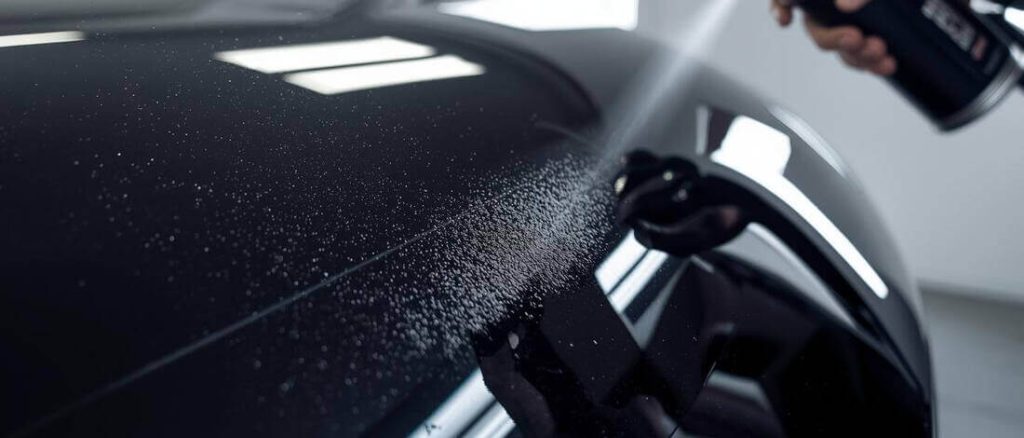
Has your car’s exterior started to look dull, chalky, or began peeling away in ugly white flakes? If so, your vehicle is suffering from clear coat failure. The clear coat is the topmost transparent layer of polyurethane or acrylic urethane paint applied over your car’s colored base coat. It acts as the primary shield protecting your paint from harsh US sun UV rays, road salt, bird droppings, and oxidation.
When clear coat damage occurs, it cannot simply be waxed away; it requires a fresh application. However, estimating the cost of this service can be incredibly confusing because a simple spot repair is vastly different from a complete vehicle respray.
As an automotive technician, I have overseen hundreds of body shop estimates. In this guide, we will break down the real, current market clear coat cost for a car in professional application in the United States, DIY alternatives, and how to choose the right product.
Contents
- 1 Understanding Clear Coat And Its Importance
- 2 Factors That Influence The Cost Of Clear Coat
- 3 The Real Price Breakdown: Spot Repair vs. Whole Car Respray
- 4 Key Factors That Influence Your Final Bill
- 5 Professional Application vs. DIY: Pros, Cons, and Costs
- 6 How To Choose The Right Clear Coat For Your Car
- 7 Importance Of Regular Maintenance To Extend Clear Coat Lifespan
- 8 FAQs About For How Much Does A Clear Coat Cost For A Car
- 9 The Bottom Line from the Garage
Understanding Clear Coat And Its Importance
A car’s clear coat is not just another layer of paint; it serves a crucial purpose in protecting the vehicle’s paintwork and preserving its overall appearance. But what exactly is clear coat, and why is it necessary for cars? Let’s delve into the world of automotive coatings and understand the role of clear coat in keeping your car looking its best.
What Is A Clear Coat And Why Is It Necessary For Cars?
- Clear coat is a transparent layer of paint that is applied over the base coat of color on a car.
- It is typically made of a combination of resins, solvents, and additives designed to provide durability and protection.
- Clear coat not only enhances the glossy finish of the car’s paint but also acts as a shield against various external factors such as uv rays, dirt, dust, and moisture.
The Role Of Clear Coat In Protecting The Car’S Paintwork
- Clear coat forms a protective barrier that helps prevent the base coat from fading or oxidizing due to sun exposure.
- It acts as the first line of defense against scratches and abrasions, helping to maintain the pristine appearance of the car.
- Clear coat has self-healing properties, which means it can repair minor scratches and swirl marks on its own when exposed to heat or sunlight.
- By providing a smooth and even surface, clear coat facilitates easy cleaning and maintenance of the car’s paint.
The Impact Of A Damaged Or Worn-Out Clear Coat On The Appearance Of The Car
- A damaged or worn-out clear coat can significantly affect the visual appeal of the car. It may appear dull, faded, or even develop a chalky or hazy appearance.
- Without a proper clear coat layer, the base coat is more susceptible to paint chipping, color fading, and surface imperfections.
- Over time, exposure to environmental elements and harsh weather conditions can deteriorate the clear coat, leading to a compromised protective barrier and an overall unattractive look for the car.
Clear coat plays a vital role in protecting a car’s paintwork, enhancing its visual appeal, and keeping it looking like new. Understanding the importance of clear coat will help you appreciate the significance of maintaining its integrity and seeking necessary repairs when needed.
So, take care of your car’s clear coat, and it will reward you with a lasting shine.
Factors That Influence The Cost Of Clear Coat
When it comes to getting a clear coat for your car, there are several factors that can influence the cost. It’s important to understand these factors so that you can make an informed decision and get the best value for your money.
Here are the key points to consider:
Quality Of The Clear Coat Product
- The quality of the clear coat product plays a significant role in its cost. High-quality clear coats are generally more expensive than lower-quality ones.
- Premium clear coats offer better durability and protection against uv rays, chemicals, and normal wear and tear. These superior features usually come with a higher price tag.
- Cheaper clear coat products may not last as long and may require more frequent reapplication, which can add to the overall cost in the long run.
Brand Reputation And Market Demand
- The reputation of the brand also affects the cost of the clear coat. Well-known, reputable brands often charge a premium for their products.
- Brands that have established themselves as leaders in the industry are likely to invest in research and development to bring innovative and high-quality clear coat products to the market, which contributes to their higher pricing.
- Clear coat products with a high demand in the market may be more expensive due to the principle of supply and demand.
Car Size And Surface Area
- The size of your car and the surface area that needs to be coated can influence the cost of the clear coat.
- Larger vehicles, such as trucks and suvs, have more surface area to cover and may require more clear coat product, which can increase the overall cost.
- Cars with intricate designs, contours, or hard-to-reach areas may require more skill and time to apply the clear coat, potentially affecting the cost if you choose professional application.
Professional Application Vs. Diy
- The method of application also affects the cost. Hiring a professional to apply the clear coat will typically incur additional labor charges.
- Professional application ensures a high-quality finish and reduces the chances of errors or imperfections, but it comes at a higher price.
- Opting for a diy approach can help save on labor costs, but it requires careful preparation, skill, and access to proper equipment to achieve satisfactory results.
- Diy clear coat application comes with a risk of mistakes, which could lead to additional costs for corrections or redoing the clear coat.
The cost of a clear coat for your car is influenced by factors such as the quality of the product, brand reputation, car size, and the chosen application method. Considering these factors will help you make an informed decision and ensure that you get the best value for your money.
Whether you decide to go for a professional application or choose a diy approach, always prioritize the quality and longevity of the clear coat for maximum protection and aesthetic appeal.
The Real Price Breakdown: Spot Repair vs. Whole Car Respray
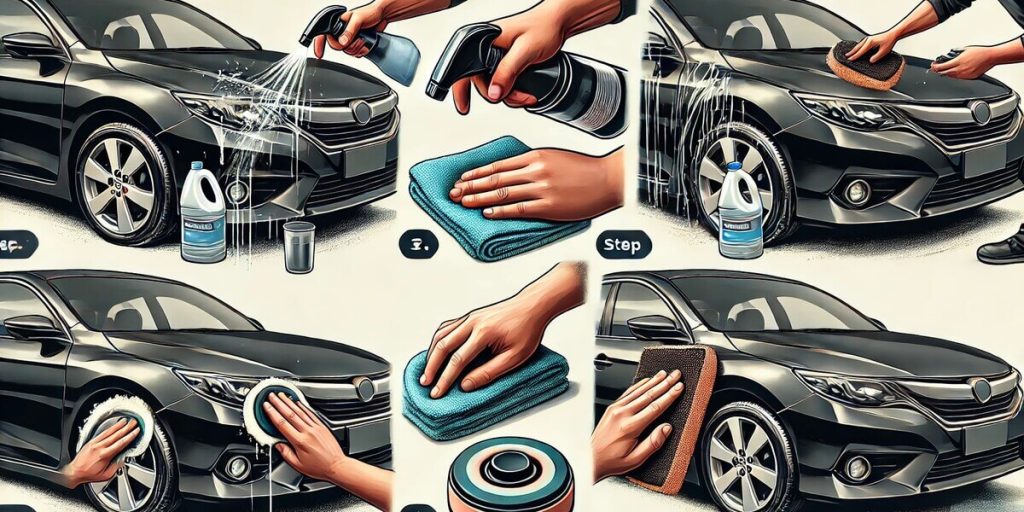
A major myth online is that you can get your entire car professionally clear-coated for $300. In reality, body shop pricing is heavily dependent on the surface area and labor hours involved:
| Service Type | Average Cost Range (US) | What it Covers |
| Single Panel Spot Fix | $200 – $600 | Respraying just a single hood, roof, or trunk lid showing isolated sun damage. |
| Economy Whole-Car Respray | $1,000 – $2,000 | Budget-friendly application (e.g., Maaco), ideal for older vehicles or masking faded paint. |
| Premium Showroom Respray | $2,500 – $5,000+ | Full wet-sanding, factory-matched base coat repair, and multiple layers of high-solid clear coat. |
Key Factors That Influence Your Final Bill
1. Vehicle Size and Surface Area
The physical dimensions of your vehicle dictate the volume of material required. A compact sedan like a Honda Civic uses significantly less clear coat product and fewer hours of sanding labor compared to a massive full-size SUV like a Chevy Suburban or a lifted Ford F-150. Large trucks automatically increase labor time by 30% to 50%.
2. Prep Work and Wet Sanding Labor Charges
In the auto body industry, paint preparation takes up 80% of the labor invoice. A fresh clear coat cannot be sprayed directly over a peeling, damaged surface—it will immediately bubble and lift. The technicians must manually mask off trims, chemically strip the failing clear coat, and wet-sand the surface down to the base coat. If your car has door dings, scratches, or minor rust, fixing those imperfections beforehand drives up the cost.
3. Quality of the Chemical Product
Not all clear coats are engineered equally. Professional body shops choose between:
- Medium Solid (MS) Clear Coats: Cheaper, easier to spray, but thinner and less resistant to rock chips over time.
- High Solid (HS) Clear Coats: More expensive per gallon, thicker, provide a deep mirror-like gloss, and offer superior long-term UV protection for hot climates like Texas or Florida.
Professional Application vs. DIY: Pros, Cons, and Costs
Option A: The Professional Auto Body Shop Route
- Cost: $1,500 to $4,000+
- The Process: The shop uses professional down-draft spray booths to prevent dust particles from settling into the wet clear coat. They apply the paint using high-volume, low-pressure (HVLP) spray guns and cure the finish using commercial infrared heat lamps.
- The Verdict: Highly recommended if you drive a newer vehicle or a luxury model where maintaining resale value is a priority. It comes with a multi-year warranty against peeling.
Option B: The DIY Spray Can/Gun Method
- Cost: $40 to $150 (For a complete kit)
- The Process: If you are servicing an older commuter vehicle or a project car, you can purchase a high-quality 2K Urethane Clear Coat aerosol can (which features an internal activator button to mix the hardener inside the can).
- The Vital Steps for DIY Success:
- Cleanliness: Wash the car extensively and use a wax and grease remover to pull all surface contaminants off the panel.
- Masking: Use automotive-grade masking tape and paper to cover headlights, windows, and rubber seals completely.
- Thin Layers: Spray 2 to 3 thin, even, overlapping coats rather than one heavy layer to avoid severe paint runs and sags. Always wear a respirator mask, as 2K clear coats contain highly toxic isocyanates.
How To Choose The Right Clear Coat For Your Car
Understanding Different Types Of Clear Coat Options
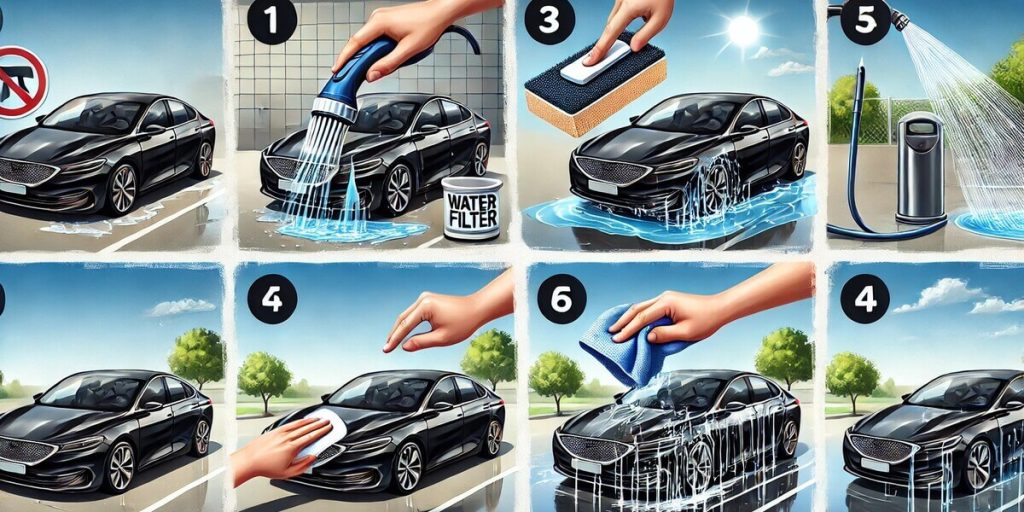
When it comes to choosing the right clear coat for your car, it’s important to understand the different options available. Here are the key points to keep in mind:
- Acrylic urethane: This type of clear coat is known for its durability and uv resistance. It provides a high gloss finish and is suitable for both metallic and non-metallic paints.
- Polyurethane: Polyurethane clear coats are popular for their excellent chemical and abrasion resistance. They offer a long-lasting finish and are available in different levels of glossiness.
- Water-based clear coat: If you prefer an eco-friendly option, water-based clear coats are a great choice. These clear coats have less harmful volatile organic compounds (vocs) and offer excellent protection for your car’s paint.
- Single-stage clear coat: A single-stage clear coat combines the base coat and clear coat into one layer. This option is cost-effective and provides decent protection, but it may not have the same durability as a separate clear coat.
Factors To Consider When Selecting A Clear Coat Product
Choosing the right clear coat for your car can be overwhelming, but considering these factors will help you make an informed decision:
- Durability: Look for a clear coat that offers long-lasting protection against uv rays, chemicals, and harsh weather conditions.
- Compatibility: Ensure that the clear coat you choose is compatible with the type of paint on your car to avoid any damage or inconsistencies in the finish.
- Application: Consider the ease of application and whether you have the necessary tools and skills to apply the clear coat yourself. Some clear coats may require professional application.
- Gloss level: Decide on the level of glossiness you desire for your car’s finish. Clear coats are available in matte, satin, and high gloss options.
- Price: Assess the cost of the clear coat product and compare it with its quality and durability to ensure you’re getting the best value for your money.
Evaluating The Cost-Effectiveness And Durability Of Various Options
When it comes to evaluating the cost-effectiveness and durability of different clear coat options, here are some key points to consider:
- Longevity: Consider the lifespan of the clear coat and how frequently you may need to reapply it. A higher-quality clear coat may have a longer lifespan and require less frequent reapplication.
- Maintenance: Look into the maintenance requirements of each clear coat option. Some clear coats may require regular polishing or waxing to maintain their appearance.
- Scratch resistance: Check the level of scratch resistance each clear coat offers. A clear coat with higher scratch resistance will protect your car’s paint from everyday wear and tear.
- Value for money: Assess the overall cost-effectiveness of each clear coat option by weighing its durability and performance against its price. Remember, cheaper options may not always provide the same level of protection and longevity as higher-quality ones.
By understanding the different types of clear coat options, considering important factors, and evaluating cost-effectiveness and durability, you can choose the right clear coat for your car that both enhances its appearance and protects its paint for years to come.
Importance Of Regular Maintenance To Extend Clear Coat Lifespan
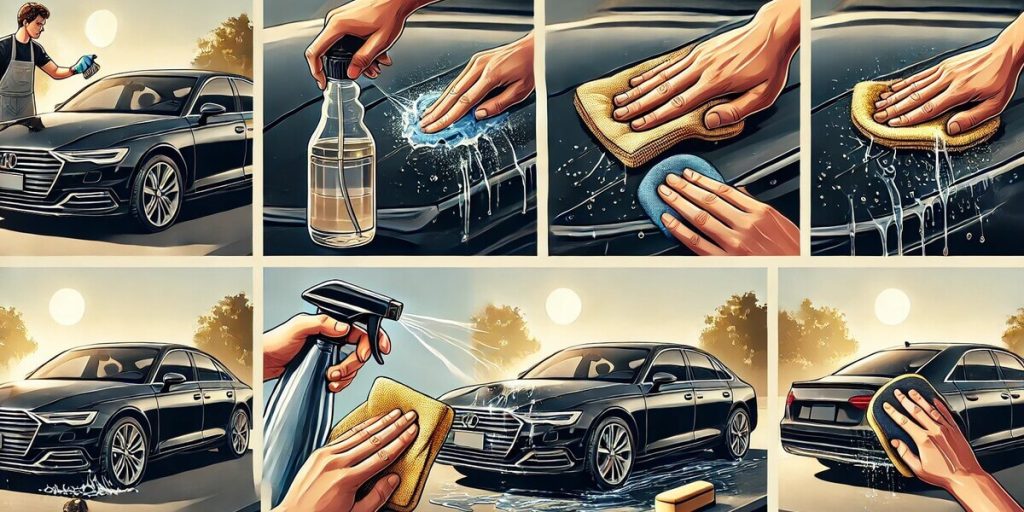
Regular maintenance is crucial in extending the lifespan of your car’s clear coat. By taking proper care of the clear coat, you can keep it looking new and protect it from damage. Here are some key points to remember:
- Washing: Regularly washing your car is essential to remove dirt, grime, and other contaminants that can harm the clear coat. Use a mild car wash soap and a soft sponge or microfiber cloth to avoid scratching the surface.
- Drying: After washing, make sure to dry your car properly to prevent water spots. Use a clean, lint-free cloth or a chamois to gently dry the clear coat.
- Waxing: Applying wax on your car’s clear coat provides an added layer of protection. It helps to seal the surface and keep it safe from environmental elements such as uv rays and pollution. Apply a high-quality car wax and buff it gently for a smooth and shiny finish.
Recommended Cleaning And Care Practices
Once your fresh clear coat is fully cured, you can prevent future fading without spending a fortune:
- Avoid Touch Car Washes: The spinning plastic bristles at automated car washes act like sandpaper, introducing thousands of micro-swirl marks that thin out your clear coat over time. Always choose touchless washes or hand-wash using a clean microfiber mitt.
- Apply a High-Quality Sealant or Wax: Apply a synthetic polymer sealant or a ceramic wax twice a year. This creates a sacrificial barrier that absorbs UV radiation instead of your clear coat.
- Park in the Shade: Whenever possible, park inside a garage or use a breathable outdoor car cover to minimize sun-baked oxidation.
Cost-Effective Ways To Maintain And Touch Up Clear Coat
Maintaining and touching up your car’s clear coat doesn’t have to break the bank. Here are some cost-effective methods to preserve the clarity and shine of your clear coat:
- Diy touch-up kits: For minor scratches or chips in the clear coat, you can opt for diy touch-up kits available in the market. These kits usually include clear coat paint, fine sandpaper, and polishing compound. Following the instructions carefully, you can repair small imperfections without spending a fortune.
- Regular inspections: Stay vigilant and regularly inspect your car’s clear coat for any signs of damage or wear. Catching and addressing issues early can prevent further deterioration and costly repairs in the future.
- Clear coat sealants: Applying a clear coat sealant can provide an additional layer of protection to your car’s paintwork. These sealants are generally affordable, easy to apply, and can extend the life of your clear coat.
Taking proper care of your car’s clear coat is vital in preserving its beauty and protecting it from damage. By following recommended cleaning and care practices, as well as utilizing cost-effective maintenance methods, you can ensure the longevity of your car’s clear coat and enhance its overall appearance.
FAQs About For How Much Does A Clear Coat Cost For A Car
Q1: How much does it cost to put a clear coat on a car?
A clear coat on a car costs $500 to $2,000 at a shop. A DIY clear coat job costs $50 to $200. The price depends on the car size, product used, and the number of coats applied.
Q2: Is clear coat worth it on a car?
Yes. A clear coat on a car is worth it. It protects the paint from UV rays, dirt, and scratches. It also keeps your car looking shiny and new. It can raise your car’s resale value too.
Q3: How much is 1 gallon of clear coat?
One gallon of clear coat costs $50 to $250. The price depends on the brand and quality. A high-solid clear coat costs more but gives a better, longer-lasting finish for your car.
Q4: How much does 1 can of 2K clear coat cover?
One can of 2K clear coat can cover one to two panels of a car. It covers about 25 to 50 square feet. Coverage depends on how many coats you apply and how thick each coat is.
Q5: What is the dry time or cure time for fresh clear coat?
Fresh clear coat is dry to the touch in 30 to 60 minutes. It fully cures in 24 to 48 hours. Do not wash or wax your car until the clear coat has fully cured.
The Bottom Line from the Garage
If your vehicle only has a small, localized 6-inch patch of sun fading on the hood, expect a local body shop to charge roughly $250 to $400 for a spot blend. However, if the clear coat is peeling sitewide across the roof, doors, and fenders, trying to patch it is a waste of money—a full body strip and repaint is the only way to restore your car’s factory shine.
(Looking for more ways to accurately calculate car repair costs and troubleshoot charging metrics? Check out our workshop guide on How to Check Tire Pressure Without a Gauge Safely or explore The Car Buzz Official Editorial Standards Page to see how we maintain strict technical review criteria.)