
This article was updated in March 24, 2026 with new products and information by Mark S. Taylor
You just bought a new car. You turn the wheel, and it feels different. It feels lighter. Maybe it feels a bit “numb.” You ask yourself if something is wrong. Usually, nothing is wrong. You are just feeling the difference between electric vs hydraulic power steering. Manufacturers have switched from old-school pumps to modern motors. This changes how the car drives and how you maintain it. We will look at how both systems work, the pros and cons of each, and which one is right for you.
Contents
- 1 What Is Power Steering and Why Does It Matter?
- 2 How Hydraulic Power Steering Works
- 3 How Electric Power Steering Works
- 4 Electric vs Hydraulic Power Steering — Side-by-Side Comparison
- 5 What About Electro-Hydraulic Power Steering (EHPS)?
- 6 Which Type of Power Steering Do You Have?
- 7 Maintenance Guide — What Each System Needs
- 8 Repair Costs: Electric vs Hydraulic Power Steering
- 9 Which Is Better for Your Driving Style?
- 10 FAQs About Electric vs Hydraulic Power Steering
- 11 Verdict — Which Power Steering System Wins?
What Is Power Steering and Why Does It Matter?
Power steering helps you turn the steering wheel without using a lot of force. Without it, you would have to fight the weight of the car to turn the wheels.
Parking would be a workout. Turning at low speeds would be very hard. Power steering uses external power to move the wheels for you. This makes driving safer and less tiring. Most cars today use either hydraulic pressure or an electric motor to do this work. There is also a third type called electro-hydraulic, which mixes the two.
How Hydraulic Power Steering Works
The Basic System
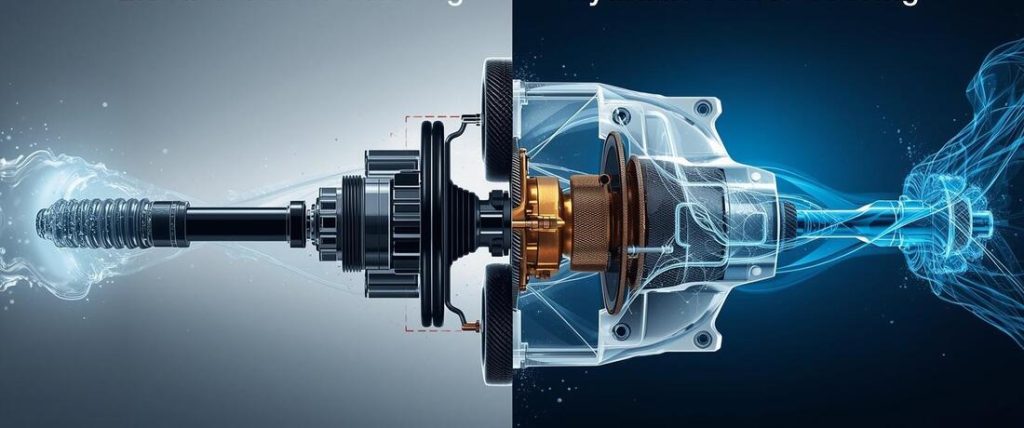
Hydraulic power steering uses fluid pressure to push the wheels left or right. It is a purely mechanical system.
A belt connects a pump to the engine. This pump spins when the engine runs. It pushes fluid through hoses into a cylinder. This cylinder is part of the steering rack. When you turn the wheel, valves open. The fluid pushes a piston inside the cylinder. This piston helps move the wheels. It is simple physics. The fluid pressure does the heavy lifting for you.
Pros of Hydraulic Power Steering
Hydraulic systems give the driver a better connection to the road. Many drivers love this “feel.”
- Superior Road Feel: You can feel the tires gripping the road through the wheel. This is great for sports cars.
- Proven Technology: It has been used for decades. It is reliable and well-understood by mechanics.
- Natural Feedback: The resistance feels natural. It gets harder to turn at higher speeds, which feels safe.
Cons of Hydraulic Power Steering
Hydraulic systems waste energy and need regular fluid changes. They are not perfect.
- Power Drain: The pump runs all the time, even when you drive straight. This uses gas.
- Maintenance: You must check the fluid. Hoses can leak. The pump can fail.
- Weight: The pump, fluid, and hoses add weight to the car.
- No ADAS: It is hard to integrate modern safety tech like lane-keep assist with an old pump.
How Electric Power Steering Works
The Basic System
Electric power steering uses a small electric motor to turn the steering rack. There are no pumps or fluids.
A sensor sits on the steering column. It detects how much you turn the wheel. It sends this data to a computer. The computer tells the electric motor how much help to give. The motor is mounted on the steering column or the rack. It only uses power when you actually turn the wheel.
Pros of Electric Power Steering
Electric systems save fuel and allow for advanced safety features. This is why most new cars use them.
- Better Fuel Economy: The motor only runs when needed. This saves gas or battery power.
- Less Maintenance: There is no fluid to leak or change. No belts to snap.
- Safety Tech: It allows for lane-keep assist, auto-parking, and self-driving features.
- Adjustable Feel: The computer can change the steering weight. It can be light for parking and heavy for highways.
Cons of Electric Power Steering
Electric systems can feel artificial and are expensive to fix. Some drivers do not like the “video game” feel.
- Numb Feel: The steering can feel light and vague. You might not feel the road as well.
- Repair Cost: If the motor or computer fails, it is expensive. You often need a dealer to program the new part.
- Artificial Weight: Some cars try to fake the heavy feel of hydraulic steering. It does not always feel natural.
If you feel vibrations or weird feedback, it might be a sign of other issues. You can check our guide on signs of car suspension issues to rule out other problems.
Electric vs Hydraulic Power Steering — Side-by-Side Comparison
Here is a quick look at how the two systems stack up against each other.
| Feature | Hydraulic Power Steering | Electric Power Steering |
|---|---|---|
| Fuel Economy | Lower (pump runs constantly) | Higher (motor runs on demand) |
| Maintenance | High (fluid, belts, hoses) | Low (fewer parts) |
| Steering Feel | Natural, heavy, connected | Numb, light, adjustable |
| Repair Cost | Lower parts cost | Higher parts & labor cost |
| Safety Tech | Hard to integrate | Required for ADAS/Autopilot |
| Weight | Heavier | Lighter |
| Noise | Can whine or groan | Very quiet |
What About Electro-Hydraulic Power Steering (EHPS)?
EHPS is a hybrid system that uses an electric motor to drive a hydraulic pump. It tries to get the best of both worlds.
The steering rack and fluid are hydraulic. But the pump is not run by the engine belt. It is run by an electric motor. This saves fuel because the pump does not have to run all the time. It also keeps the good steering feel of hydraulics. You see this on some VWs, Audis, and Fords. It is less common now because full electric systems are cheaper to make.
Which Type of Power Steering Do You Have?
You can tell which system you have by looking under the hood or checking the manual. It is easy to spot the difference.
Look for a fluid reservoir:
- Hydraulic: Look for a small plastic tank, usually near the engine. It says “Power Steering Fluid.” It has a cap and fluid inside.
- Electric: You will not see a reservoir. There is no belt running to a pump. You might see a motor unit on the steering column.
Check the VIN or Manual: Your owner’s manual will tell you. You can also search your VIN number online to find the specs.
Maintenance Guide — What Each System Needs
Hydraulic Power Steering Maintenance
You must check the fluid and belts regularly to keep a hydraulic system happy. Neglect leads to failure.
- Fluid Check: Check the fluid level every few months. Look at the color. It should be clear or pink. If it is black, change it.
- Leaks: Look for wet spots under the car. If you hear a whining noise, the fluid might be low.
- Belts: Check the drive belt for cracks. A broken belt means no power steering.
Electric Power Steering Maintenance
Electric systems need almost no maintenance, but you must watch for warning lights. The computer does the work.
- No Fluid: You do not need to change any fluid.
- Warning Lights: Watch the dashboard. If the steering warning light comes on, get it scanned.
- Software: Sometimes the system needs a software update from the dealer to fix glitches.
Since the steering wheel is connected to the column, issues can overlap. If your wheel feels loose or makes noise, read about symptoms of a bad clock spring to see if that is your problem.
Repair Costs: Electric vs Hydraulic Power Steering
Hydraulic systems are usually cheaper to fix, but they break more often. Electric systems are reliable but costly when they fail.
Hydraulic Repair Costs:
- Pump Replacement: $200 – $500.
- Hose/Line Repair: $100 – $300.
- Fluid Flush: $80 – $150. Most mechanics can fix these parts easily.
Electric Repair Costs:
- Motor Replacement: $500 – $1,000.
- Control Module: $600 – $1,500.
- Sensor Replacement: $300 – $800. You often need a specialized mechanic or a dealer for these jobs.
If you notice other driving issues like your car jerking, it might not be the steering. Check our article on why your car jumps when accelerating to diagnose that issue.
Which Is Better for Your Driving Style?
The right choice depends on if you want efficiency or driving feel. Here is how to choose.
- Daily Commuter: Electric is better. It saves gas. It is quiet. It requires less work. You do not have to worry about leaks.
- Enthusiast / Track Driver: Hydraulic is better. The feel is superior. You know exactly what the front tires are doing. This connection makes driving fun.
- EV or Modern Car Owner: You have to use Electric. Hybrids and EVs do not have an engine running all the time to drive a pump.
FAQs About Electric vs Hydraulic Power Steering
Can you convert hydraulic power steering to electric?
Yes, you can convert it. Conversion kits exist for older cars. But it is a complex job. You have to wire the motor and install sensors. It can change the steering feel for the worse if not done right. It is best left to specialists.
Does electric power steering use fluid?
No. Electric power steering uses an electric motor. It does not use fluid. It is a “dry” system. This means no leaks and no fluid changes.
What happens if electric power steering fails?
You can still steer the car. The connection between the wheel and tires stays there. But it will be very heavy. You will have to use a lot of muscle to turn. A warning light will usually show up on the dash before it fails completely.
Which lasts longer — electric or hydraulic power steering?
Hydraulic systems often last a very long time if you maintain them. They are simple mechanical parts. Electric systems are reliable too, but if the computer or motor fails, the whole unit might need replacing. Hydraulic parts are easier to rebuild.
Do sports cars still use hydraulic power steering?
Very few do now. Older McLarens and some niche cars used them. Most modern sports cars like Porsche and BMW have switched to electric. They have tuned the software to make electric steering feel almost as good as hydraulic.
Verdict — Which Power Steering System Wins?
For most drivers, electric power steering is the winner. It saves fuel and lowers maintenance. It is the future of the industry because it works with safety tech like lane assist.
However, if you love driving, you might miss the feel of hydraulic steering. The road connection is just better. But as car makers improve electric systems, the gap is getting smaller. If you buy a new car today, you will likely get electric power steering, and that is a good thing.
Quick Summary:
- Hydraulic uses a pump and fluid to help you turn.
- Electric uses a motor and computer to help you turn.
- Hydraulic offers better road feel and is cheaper to fix.
- Electric saves fuel and requires less maintenance.
- Electric is required for modern safety features like lane keep assist.
- Hydraulic systems can leak fluid; electric systems do not.
- Electric is better for daily driving; hydraulic is better for enthusiasts.