
This article was updated in March 17, 2026 with new products and information by Mark S. Taylor
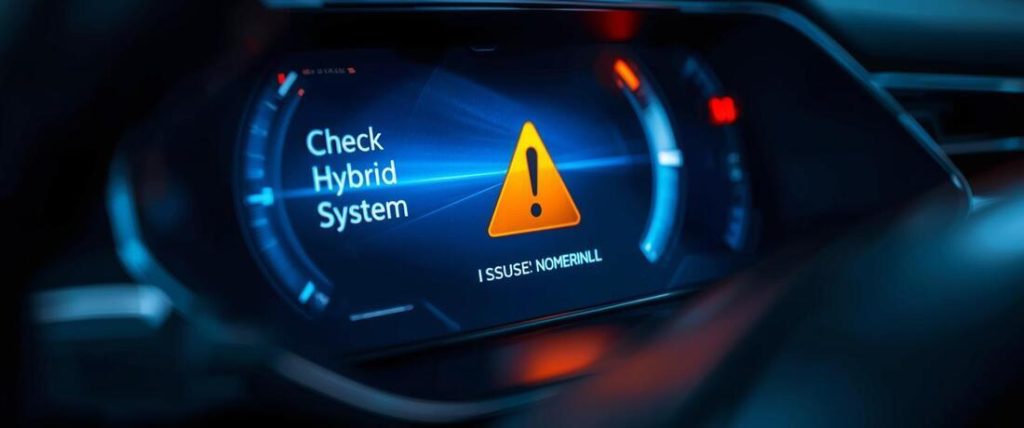
You are driving your Honda and the dashboard suddenly shows “FCW System Failed” — possibly alongside a wall of other warning lights. Before you picture a $1,500 repair bill, know this: the most common cause is either a dirty sensor you can clean in two minutes or a cheap wheel speed sensor you can replace for $40. FCW stands for Forward Collision Warning, a safety system that warns you of a crash, and the “FCW System Failed” message means a hardware or software fault has occurred. It is not the same as “FCW System Off,” which just means someone turned it off. We will show you a free DIY checklist, 9 causes from cheapest to most expensive, and how to stay safe.

Contents
- 1 “FCW System Failed” vs. “FCW System Off” — Know the Difference First
- 2 FCW (Passive) vs. CMBS (Active) — Two Systems, One Failure Message
- 3 The Cascade Trigger — Why FCW Failed When You Only Have One Problem
- 4 Free DIY Checks — Do These Before Calling a Shop
- 5 9 Causes of “FCW System Failed” — Cheapest to Most Expensive
- 5.1 1. Dirty Radar Sensor or Obstructed Camera — The #1 Easiest Fix
- 5.2 2. Weak or Failing Battery / Low Voltage
- 5.3 3. Weather Interference — Temporary Failure, Not a Hardware Fault
- 5.4 4. Camera Miscalibration After Windshield Replacement
- 5.5 5. Software Glitch or Outdated Firmware — The Free Dealer Fix
- 5.6 6. Wiring Fault / CAN Bus Communication Error
- 5.7 7. Wheel Speed Sensor or ABS Module Cascade Failure
- 5.8 8. Physical Damage to Radar or Camera — Collision or Road Debris
- 5.9 9. Failed Radar Unit or Front Camera — Hardware Failure
- 6 Honda Model-Specific FCW Failure Patterns
- 7 OBD Code Reference for FCW System Failed
- 8 ADAS Calibration — Dealer vs. Independent Shop
- 9 Is It Safe to Drive With “FCW System Failed”?
- 10 FCW System Repair Cost
- 11 FAQs About FCW System Failed
- 12 Bottom Line — What to Do Right Now
“FCW System Failed” vs. “FCW System Off” — Know the Difference First
The message on your dashboard tells you exactly what is happening. Do not guess.
| What Your Dashboard Shows | What It Means | Action |
|---|---|---|
| “FCW System Off” | System is manually disabled. | Press the FCW button to turn it back on. |
| “FCW System Failed” | Hardware or software fault detected. | Scan for codes. Follow the guide below. |
| FCW light on solid | System is disabled. | Check if it says “Off” or “Failed.” |
| FCW + LDW light together | Camera issue affecting both systems. | Check the camera on the windshield. |
Key Insight: If you see the word “Failed,” you have a problem. If you see “Off,” you just need to press a button.
What FCW Actually Does — and What You Lose When It Fails
Most drivers do not realize how much they rely on this system until it stops working.
FCW (Passive) vs. CMBS (Active) — Two Systems, One Failure Message
FCW is passive. It watches the road using radar and a camera. If you get too close to a car, it beeps and flashes a warning. CMBS (Collision Mitigation Braking System) is active. If you do not brake in time, it brakes for you. The Risk: When “FCW System Failed” appears, Honda turns off both systems. You lose the warning beeps and the automatic braking. Safety Data: The IIHS says forward collision warning cuts rear-end crashes by 27%. You have lost that protection. You must brake manually.
Hardware Locations:
- Camera: Top of the windshield, behind the mirror.
- Radar: Behind the “H” emblem on the front grille.
The Cascade Trigger — Why FCW Failed When You Only Have One Problem
This is the most important thing to know before you spend money.
The FCW system needs to know how fast you are going. It gets this data from the ABS wheel speed sensors. If one wheel speed sensor fails, the ABS system disables itself. Since FCW needs ABS data, FCW disables itself too.
Result: One bad sensor ($40) causes the FCW light, ABS light, and VSA light to turn on all at once. The Mistake: Mechanics might quote you $1,500 for a radar unit when you just need a $40 wheel sensor. Always scan the codes first. This cascade effect is very common on Hondas. If you also see a Check VSA System Light On, this cascade is likely the cause.
Free DIY Checks — Do These Before Calling a Shop
Start here. These steps are free and fix many FCW problems.
Check 1 — Clean the Front Radar Sensor
Look at the front grille. Find the Honda “H” emblem. The radar is behind it. What to look for: Mud, bugs, snow, or road salt. The Fix: Wipe the emblem and the area behind it with a damp cloth. Do not use high-pressure water. Why: A thin layer of salt or mud blocks the radar beam. This is the #1 cause of false failures.
Check 2 — Clean the Front Camera on the Windshield
Look at the windshield behind the rearview mirror. You will see a camera lens. What to look for: Bird droppings, dirt, or film on the glass. The Fix: Clean the outside and inside of the windshield right in front of the camera. Why: The camera cannot see through dirt. Even a film on the inside of the glass can blur its vision.
Check 3 — Check Battery Voltage
The FCW system needs steady power. If your battery is weak, the system fails. The Test: Go to an auto parts store. Ask for a free battery test. The Fix: If the battery is over 4 years old or weak, replace it. Why: Honda electronics are sensitive to voltage drops. Many owners fix “FCW System Failed” just by changing the battery.
Check 4 — Recent Service, Windshield Work, or Front-End Impact?
Did the light come on right after you had work done?
- Battery replacement: Drive for 15 minutes. The system might reset itself.
- Windshield replacement: The camera needs recalibration. This is not optional.
- Front-end work: The radar bracket might be bent. Go back to the shop.
Check 5 — Check for Aftermarket Modifications
Did you add a license plate frame, bra, or custom grille? The Fix: Remove anything blocking the “H” emblem. Why: Even a parking permit sticker on the emblem can block the radar.
9 Causes of “FCW System Failed” — Cheapest to Most Expensive
1. Dirty Radar Sensor or Obstructed Camera — The #1 Easiest Fix
This is the most common cause. It costs $0 to fix. The Cause: Mud, ice, or dirt covering the sensor. The Fix: Clean the sensors. Drive the car. The light should turn off.
2. Weak or Failing Battery / Low Voltage
Honda ADAS modules need clean power. The Symptom: Multiple warning lights come on. The car cranks slowly. The Fix: Replace the battery ($120–$220). This often clears the code without further repair.
3. Weather Interference — Temporary Failure, Not a Hardware Fault
Honda says FCW does not work well in heavy rain, fog, or snow. The Symptom: The light comes on during a storm. It goes off later. The Fix: No repair needed. This is normal. The system turns off to avoid false alarms.
4. Camera Miscalibration After Windshield Replacement
If you replaced your windshield, the camera moved. The Cause: The new glass is slightly different. The camera angle is wrong. The Fix: You need ADAS recalibration. This costs $150–$600. Tip: Always tell the glass shop you have Honda Sensing. They must calibrate the camera.
5. Software Glitch or Outdated Firmware — The Free Dealer Fix
Some 2013–2016 Hondas had software bugs. The Fix: Go to the dealer. Ask for a software update for the ADAS system. Cost: Often free. It fixes bugs that cause false warnings.
6. Wiring Fault / CAN Bus Communication Error
The modules need to talk to each other. The Cause: Corroded wires or connectors. Rodents chewing soy-based wires (common on 2012–2020 Hondas). The Fix: Inspect the wiring near the A-pillar and wheel wells. Repair splices ($100–$400).
7. Wheel Speed Sensor or ABS Module Cascade Failure
This is the “Cascade” we talked about. The Cause: A bad wheel speed sensor confuses the ABS. This confuses the FCW. The Fix: Scan the codes. Fix the ABS code first. The FCW light will likely turn off. If you are having other braking issues, check our guide on Why Is My Brake Pedal Spongy? to rule out hydraulic problems.
8. Physical Damage to Radar or Camera — Collision or Road Debris
Did you hit a pothole or parking stop? The Cause: The radar bracket bent by a few millimeters. The Fix: The shop must realign the radar ($100–$250) or replace it ($700+).
9. Failed Radar Unit or Front Camera — Hardware Failure
This is the worst case. The part itself is broken. The Cause: Internal electronics failure or heat damage. The Fix: Replace the radar unit or camera. Cost: $800–$2,000.
Honda Model-Specific FCW Failure Patterns
| Model | Most Common Cause | Notes |
|---|---|---|
| Accord (2013–2014) | Software bugs. | Ask dealer for update. |
| Accord V6 (2015–2017) | ABS solenoid cascade. | Check ABS codes first. |
| Odyssey (2015–2017) | ABS solenoid / Low brake fluid. | Check fluid first. |
| CR-V (2017+) | Camera miscalibration. | Common after windshield work. |
| Pilot (2016+) | Wheel speed sensor / Bearing. | Common after 100k miles. |
| Civic (2016+) | Rodent damage to wiring. | Check wires near wheel wells. |
OBD Code Reference for FCW System Failed
You need a Honda-compatible scanner to read these. A generic scanner will not work.
| Code | Meaning | Likely Cause |
|---|---|---|
| C1A01 | Radar sensor malfunction. | Hardware failure. |
| U0235 | Lost communication with camera. | Wiring fault. |
| U0200 | Lost communication with front radar. | Wiring fault. |
| ABS Codes | Wheel speed sensor fault. | Cascade cause. Fix ABS first. |
Important: If you have engine codes, fix those first. An engine misfire can trigger other warning lights. Read about Causes of an Engine Misfire to see if that is your root cause.
ADAS Calibration — Dealer vs. Independent Shop
Calibration is needed after windshield work or radar replacement. Dealer: Uses Honda HDS software. Guarantees correct specs. Costs $250–$600. Independent Shop: Uses aftermarket tools. Cheaper ($150–$400). Make sure they have ADAS experience.
Is It Safe to Drive With “FCW System Failed”?
| Situation | Safe to Drive? | Action |
|---|---|---|
| FCW failed, no other lights | ✅ Yes, with caution. | Increase following distance. |
| FCW + ABS + VSA lights | ⚠️ Reduced safety. | No ABS. Longer stops. Avoid highway. |
| FCW + flashing check engine light | ❌ Not recommended. | Engine damage risk. Go to shop now. |
| FCW appeared in rain then cleared | ✅ Normal. | No repair needed. |
Note: Your normal brakes and steering still work. You just do not have the automatic braking helper. Drive carefully.
FCW System Repair Cost
| Service | Estimated Cost |
|---|---|
| DIY Sensor Cleaning | $0 |
| Battery Replacement | $120 – $220 |
| Software Update (Dealer) | $0 – $150 |
| Camera Recalibration | $150 – $600 |
| Wheel Speed Sensor | $80 – $180 |
| Wiring Repair | $100 – $800 |
| Radar Unit Replacement | $800 – $2,000 |
FAQs About FCW System Failed
Can I drive with “FCW System Failed”?
Yes, it is safe to drive. Your brakes and steering work normally. However, you have lost the automatic braking system. You must pay close attention and keep more distance from other cars. If the ABS light is also on, your stopping distance will be longer.
How do I reset the FCW system on a Honda?
First, try cleaning the radar and camera. If that fails, disconnect the battery for 60 seconds. This acts as a soft reset. If the light comes back, you need a Honda-compatible scanner to clear the code. You cannot reset it just by pressing the button.
Why did FCW System Failed appear after my windshield was replaced?
The camera mounted on the windshield must be perfectly aligned. Replacing the glass moves the camera slightly. You must get an ADAS recalibration. This aligns the camera to the road again.
Do I need a special scanner to diagnose FCW System Failed?
Yes. A generic OBD-II scanner cannot read FCW codes. It will say “No Codes Found” even though the light is on. You need a scanner that reads Honda ABS and ADAS codes, like the BlueDriver or Autel.
How much does it cost to fix FCW System Failed?
It can be free if it is just dirty. It can cost $150 for a battery. It can cost $200 for a wheel sensor. It can cost $2,000 if the radar unit itself is broken. Always diagnose before replacing parts.
Bottom Line — What to Do Right Now
- Check the message: “Off” or “Failed”?
- Clean the sensors: Wipe the grille emblem and windshield camera.
- Check the battery: Get it tested for free.
- Look for other lights: If ABS/VSA are on, suspect a wheel speed sensor.
- Scan the codes: Use a Honda-compatible scanner before buying parts.
Golden Rule: Clean the sensor first ($0). Check the battery next (free test). Never replace the radar unit until you have scanned the codes with a proper tool. A $40 sensor is often the real culprit behind a $2,000 warning light.
Quick Summary
- “FCW System Failed” means the collision warning system is broken.
- The most common cause is a dirty radar or camera lens.
- A weak battery can trigger this error.
- A bad wheel speed sensor can cause a cascade failure (FCW + ABS + VSA lights).
- You need a Honda-compatible scanner to read the codes; generic scanners will not work.
- You can drive safely, but you must brake manually.
- Cleaning the sensor is free; replacing the radar costs up to $2,000.