
This article was updated in July 21, 2026 with new products and information by Mark S. Taylor
Your hybrid’s gas engine used to shut off at stoplights and glide silently through the neighborhood. Now it seems to run all the time, your fuel economy slipped, and you’re wondering if you’re staring down a hybrid battery bill.
Take a breath. Here’s the honest answer: a hybrid engine that runs constantly is often completely normal — especially in cold weather, with the heater on, or at highway speed — but a sustained drop in fuel economy is the sign that flips it from normal to a real fault. When it is a fault, the cause is usually something far cheaper than the hybrid battery, like a stuck thermostat or a bad coolant temperature sensor.
This guide covers both sides of the question: why your engine runs constantly, and the problems that constant running can cause if it isn’t sorted out.

Contents
- 1 How a Hybrid Decides When to Run the Engine
- 2 When Constant Running Is Normal
- 3 When It’s a Real Problem (Warning Signs)
- 4 The Real Causes (Cheapest to Most Expensive)
- 5 What Problems It Causes
- 6 How to Diagnose It
- 7 Can You Keep Driving?
- 8 Repair Cost Breakdown
- 9 How to Prevent It
- 10 FAQs About Hybrid Engine Runs Constantly
- 11 Verdict / Bottom Line
How a Hybrid Decides When to Run the Engine
To read your car, it helps to flip your mental model. In a full hybrid, the gas engine running is the default, and the quiet electric gliding is the bonus the system grants when conditions are right.
The hybrid’s computer runs the engine whenever it needs power, heat, or charge. That includes warming up a cold engine and catalytic converter, keeping the hybrid battery charged, producing cabin heat, and driving the wheels at higher speeds or under hard acceleration. Electric-only (EV) mode only happens at lower speeds, with a warm engine and a decent battery charge.
So “my engine is always on” isn’t automatically a red flag. The right question isn’t whether the engine runs — it’s whether it should be running under your specific conditions. A warm car, cruising slowly, with a charged battery, that still won’t shut its engine off? That’s worth investigating. A cold car in January with the heater blasting? That’s the system doing its job.
When Constant Running Is Normal
Before you spend a dime, rule out the everyday reasons a hybrid keeps its engine running. All of these are by design:
Cold engine and catalytic converter warm-up. On startup, the engine runs until it and the emissions system reach operating temperature. In cold weather this takes longer, so the engine stays on for several minutes.
The cabin heater is on. Most hybrids make cabin heat from engine warmth. Crank the heat in winter and you’re effectively asking the engine to keep running.
Low hybrid battery charge. If the battery is low, the engine runs to recharge it. This is common after slow-speed crawling or sitting with accessories on.
Highway or higher-speed driving. Above roughly 40 mph, the engine typically runs because electric-only isn’t efficient there.
Hard acceleration or climbing hills. Big power demands bring the engine online every time.
Very cold or very hot battery. The system protects the hybrid battery at temperature extremes by leaning on the engine.
Maintenance mode left on. It’s rare, but an accidentally engaged maintenance mode keeps the engine running continuously.
If your constant running lines up with cold starts, heater use, or highway speed — and your fuel economy is still roughly normal — your car is probably fine.
When It’s a Real Problem (Warning Signs)
Now the other side. These signs suggest a genuine fault rather than normal behavior:
A sustained drop in fuel economy. This is the big one. If your MPG has clearly and persistently fallen alongside the constant running, treat it as a fault until proven otherwise.
It won’t enter EV mode even when warm and slow. A fully warmed-up hybrid, cruising at low speed with a charged battery, should slip into electric mode. If it never does, something’s wrong.
The engine restarts the instant you release the brake. Going EV under braking but firing right back up at every release points to a charging or sensor issue.
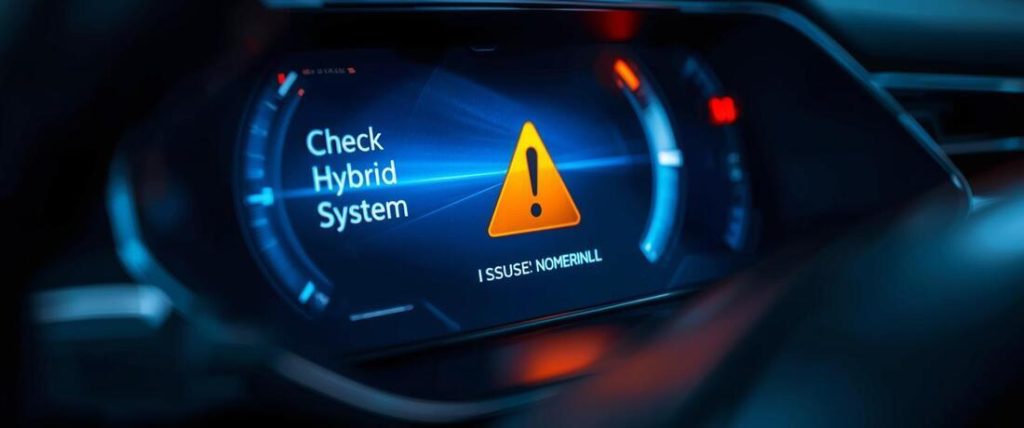
A check engine or “check hybrid system” warning. Any hybrid-system warning light means get it scanned. Codes tell the real story.
It started suddenly. Normal behavior doesn’t change overnight. If the car behaved one way for months and abruptly changed, that’s a fault signature.
One clean test: once the car is fully warmed up, watch whether it will go electric at low speed with a healthy charge. If it stubbornly won’t, you’ve likely got a real problem to chase.
The Real Causes (Cheapest to Most Expensive)
When it is a fault, resist the urge to assume the hybrid battery. Work from the cheap, common culprits toward the expensive, rare ones.
Stuck-open thermostat. The most common real cause. If the thermostat won’t close, the engine never reaches operating temperature, so the computer keeps it running to warm up — forever. Relatively inexpensive to fix.
Faulty coolant temperature sensor. Same effect from a different angle: the sensor tells the computer the engine is cold when it isn’t, so the engine won’t shut off. Cheap part, big symptom.
Coolant heat-storage or electric coolant heater fault. Some hybrids manage warm-up with coolant heat systems; a failure (for example, a P0E15 code on certain models) keeps the engine running to compensate.
Weak 12-volt battery. A struggling 12V battery can confuse the hybrid control system and cause odd running and shutoff behavior.
Degrading hybrid (HV) battery. A worn hybrid battery can’t hold charge, so the engine runs constantly to recharge it. This is the expensive one, but it’s not the most likely — check the cheaper causes first.
Hybrid control module or sensor faults. Less common, but a failing control module or related sensor can trigger constant running and intermittent codes.
The takeaway: a $200–$400 thermostat or a modest coolant sensor is far more likely than a four-figure battery. Diagnose before you panic.

What Problems It Causes
Now the second half of the question — because constant engine running isn’t just annoying, it creates its own problems, especially the way hybrids run their engines in short, cool bursts.
Worse fuel economy. The most immediate hit. You bought a hybrid for MPG, and constant running erases the benefit.
Fuel dilution and moisture in the oil. Hybrid engines often run for short stretches and don’t always get fully hot. Run cold and often, and unburned fuel and condensation collect in the oil instead of boiling off.
Sludge buildup. That moisture and fuel residue, left in cool oil, promotes sludge — which can clog passages and affect oil-controlled timing components over time.
Accelerated engine wear. Frequent cold running and extra run-time add wear the engine wasn’t designed to see if the fault keeps it running when it shouldn’t.
Higher emissions. An engine that never manages its warm-up properly runs less cleanly than it should.
Here’s the nuance: some of this short-run wear is just part of hybrid life and is managed with good maintenance. But a fault that forces constant running amplifies all of it — which is exactly why you don’t want to ignore a real problem.
How to Diagnose It
You can narrow this down a long way before a shop ever gets involved. Work through these in order:
Watch the energy-flow display, cold vs. warm. Note the behavior on a cold start, then again once the car is fully warmed up. If it still won’t go electric at low speed when warm and charged, you’ve confirmed it’s not just warm-up behavior.
Track your fuel economy for a few tanks. A clear, sustained drop is your strongest evidence of a fault. Stable MPG points back toward normal behavior.
Scan for codes. A basic code reader (or a shop scan) is the fastest path to the answer. Thermostat, coolant sensor, coolant heater, and hybrid-system faults usually set codes. Note them before clearing.
Check the coolant temperature reading. If a scan tool shows the engine never reaching normal operating temperature, suspect the thermostat or coolant sensor.
Test the 12-volt battery. A weak 12V can cause strange hybrid behavior and is cheap to rule out — it should read around 12.6 volts at rest.
Rule the hybrid battery in or out last. Only after the cheaper causes are cleared should you have the hybrid battery’s health assessed.
The first thing I do with a “runs all the time” complaint is plug in a scanner and check whether the engine is actually reaching temperature. Half the time it isn’t — and that points straight at a cheap thermostat or sensor, not the battery everyone’s afraid of.

Can You Keep Driving?
In most cases, yes — a hybrid that runs its engine constantly is still drivable in the short term. The car will move, and you’re mainly losing fuel economy rather than facing a breakdown. If there’s no warning light and your MPG is only slightly off, you have time to schedule a diagnosis.
The line to respect: if a check engine or check-hybrid-system light is on, or the car has started behaving erratically, get it diagnosed promptly. Those signals can precede a stall or a larger failure, and Toyota has issued recalls in the past for stalling-related problems on certain Prius models. Add in the wear and sludge that constant cold running promotes, and there’s no upside to putting it off for months. Drive it to the shop, not through the whole winter.
Repair Cost Breakdown
The reason not to panic is right here in the spread — the likely fixes are modest, and the scary one is the least likely.
| Repair | What it addresses | Typical cost |
|---|---|---|
| Diagnostic scan | Pinpoint the cause | $75–$150 |
| Thermostat replacement | Stuck-open thermostat | $200–$400 |
| Coolant temperature sensor | Bad temp reading | $150–$300 |
| Electric coolant heater | Warm-up system fault | $250–$500 |
| 12-volt battery | Weak/failing 12V | $150–$350 |
| Hybrid (HV) battery | Degraded pack | $1,500–$4,000+ |
For context, a diagnosis usually pays for itself: spending $100 to learn you need a $250 sensor beats guessing your way into a $3,000 battery you didn’t need. If a shop’s first move is to quote you a hybrid battery without checking the thermostat, coolant sensor, and codes, get a second opinion. Reman and aftermarket hybrid batteries can lower that top-end number, but you shouldn’t be there until the cheap causes are ruled out.

How to Prevent It
You can’t stop every fault, but you can reduce both the odds and the damage constant running causes:
Take an occasional longer drive. A 20–30 minute highway run gets the engine fully hot and boils off the moisture and fuel dilution that short trips leave behind.
Stay on top of oil changes. Given hybrids’ cold, short-run tendencies, fresh oil is your best defense against sludge.
Keep the cooling system healthy. Good coolant and a working thermostat are central to proper warm-up — the exact system that causes constant running when it fails.
Don’t ignore a new whine, light, or MPG drop. Early attention keeps a cheap sensor fix from becoming compounding wear.
Warm up by driving, not by idling. Idling keeps the engine running without loading it properly; gentle driving warms it faster.
FAQs About Hybrid Engine Runs Constantly
Is it normal for a hybrid engine to run constantly in winter?
Yes. Cold weather makes the engine run longer to warm itself and the catalytic converter, and running the cabin heater keeps it going because hybrids make heat from the engine. If your fuel economy is only modestly lower in the cold and returns to normal in warm weather, that’s expected behavior, not a fault.
Does the engine running all the time damage a hybrid?
It can if it’s caused by a fault. Constant, short, cool-running cycles promote fuel dilution, moisture, and sludge in the oil and add engine wear. Normal seasonal running managed with good maintenance is fine; a fault that forces constant running amplifies the wear and should be fixed.
Why won’t my hybrid go into EV mode anymore?
Common reasons include a cold engine, low hybrid battery charge, high speed, or cabin heat demand — all normal. If it won’t go electric even when fully warm, slow, and charged, suspect a fault such as a stuck thermostat, a bad coolant temperature sensor, or a degrading hybrid battery, and have it scanned.
Is it the hybrid battery or something cheaper?
Usually something cheaper. A stuck-open thermostat or faulty coolant temperature sensor is far more common than a failed hybrid battery, and both cost a fraction as much. Rule those out with a scan and a coolant-temperature check before assuming the worst.
How much does it cost to fix a hybrid that runs constantly?
It depends on the cause. A thermostat runs about $200–$400, a coolant sensor $150–$300, and a 12-volt battery $150–$350. A degraded hybrid battery is the expensive outlier at $1,500–$4,000+, but it’s the least likely cause. Budget $75–$150 for the diagnosis that tells you which one it is.
Verdict / Bottom Line
Don’t let a constantly running engine send you straight to hybrid-battery panic. First, check whether it lines up with normal triggers — cold weather, cabin heat, highway speed. Then watch your fuel economy: a steady, unexplained drop is the signal that it’s a real fault. When it is, the odds heavily favor a cheap thermostat or coolant sensor over the battery, so get a code scan and a coolant-temperature check before you spend big. Let the MPG trend and the codes decide your next move — not fear.