
This article was updated in June 21, 2026 with new products and information by Mark S. Taylor
Applying aftermarket window tint to a vehicle is one of the most popular upgrades consumer car owners consider. On the surface, it seems like a simple aesthetic improvement designed to give your ride a sleek, blacked-out appearance. However, window tinting is heavily rooted in automotive cabin thermodynamics, optical safety, and cross-state legal frameworks.
When executed correctly using modern multi-layered films, window tinting significantly reduces cabin thermal load, eliminates night-driving glare, and filters out cellular-destroying ultraviolet radiation. Yet, choosing the wrong material can severely degrade nighttime visibility, trap moisture, bubble your rear defroster grids, or block your car’s internal GPS and 5G telematics signals.
As an ASE-Certified Master Technician, I have stripped and re-applied hundreds of poorly installed film sheets. In this comprehensive guide, we will break down the raw science of window tinting, compare film materials across a definitive engineering matrix, review legal VLT limits, and detail the critical post-install curing lifecycle.
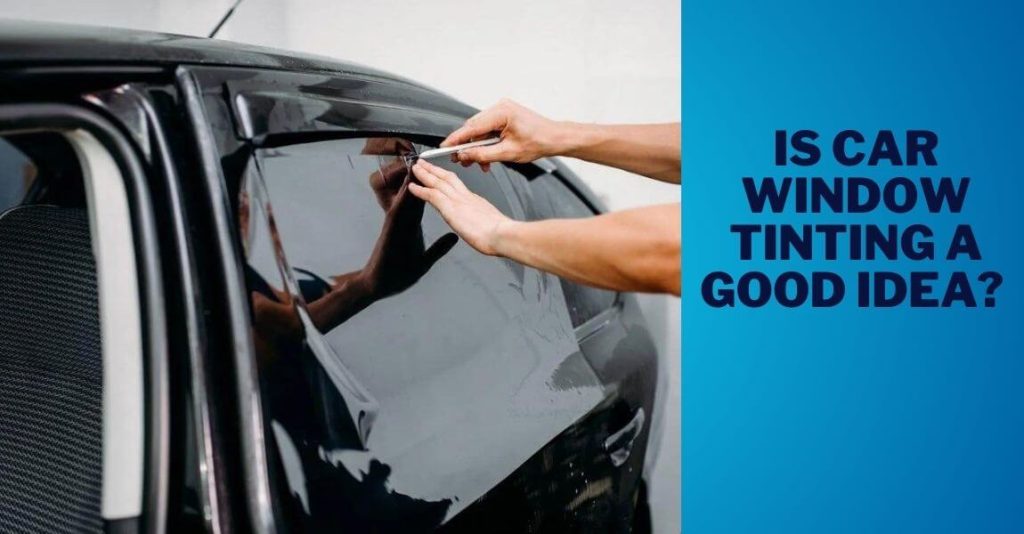
Contents
- 1 The Real Benefits (Without the Hype)
- 2 The Real Downsides (That Tint Shops Won’t Mention)
- 3 Who Should Get Their Windows Tinted
- 4 Who Should Skip It (Or Go Light)
- 5 Factory Tint vs. Aftermarket Tint
- 6 Tint Types Explained (What You’re Actually Paying For)
- 7 Cost Breakdown: What Tint Actually Costs
- 8 Navigating VLT Window Tint Laws and Regulations
- 9 Does Tint Affect Resale Value?
- 10 DIY vs. Professional Installation
- 11 FAQs About Is Car Window Tinting a Good Idea
- 12 Verdict / Bottom Line
The Real Benefits (Without the Hype)
Quality window tint does provide measurable benefits — but only if you buy the right film. Here’s what you actually get:
- 99% UV ray blocking — This is the single biggest benefit, and even basic films do it. UV exposure through car windows is a real problem. The Skin Cancer Foundation has flagged left-side skin cancer as a known risk for drivers because that side gets the most sun. Tint blocks UVA and UVB rays that cause skin damage and interior fading.
- 15–25°F cabin temperature reduction — This applies to quality ceramic or carbon tint, not cheap dyed film. If you park outside in direct sun for 8 hours, ceramic tint can drop your steering wheel temperature from “burn your hands” to “uncomfortable but tolerable.” That’s a real difference in Phoenix, Las Vegas, or Houston. Less so in Portland or Minneapolis.
- Glare reduction — Tint cuts the harsh light that makes you squint into oncoming traffic at sunrise and sunset. This matters more if you commute east in the morning and west in the evening. Less relevant if you drive north-south or mostly at night.
- Interior preservation — Your dashboard, seats, and trim fade and crack from UV exposure over time. Tint slows that process. On a $40,000 car with a leather interior, preserving the dash for an extra 3–4 years has real value.
- Privacy and security — Dark windows make it harder to see what’s inside your car. This reduces “smash and grab” theft opportunity, which matters if you regularly leave bags, electronics, or valuables visible. If you never leave anything in your car, this benefit is mostly cosmetic.
The catch: Only ceramic and quality carbon films deliver all of these. Cheap dyed tint — the $150–$250 jobs — gives you the dark look but provides minimal heat rejection and starts degrading within 1–2 years.
The Real Downsides (That Tint Shops Won’t Mention)
Every tint shop will sell you on benefits. Here’s what they won’t tell you:
- Nighttime visibility loss — This is the biggest practical downside. Even legal tint (typically 35% VLT in most states for front windows) reduces your ability to see pedestrians, animals, and road hazards at night. If you drive rural roads with no streetlights, this isn’t a minor annoyance — it’s a safety concern. Go darker than legal and you’re taking a real risk.
- Tint tickets and enforcement — In most states, illegal tint on front side windows is a primary offense, meaning police can pull you over for it alone. Fines run $100–$250 depending on the state, and many jurisdictions require proof of removal within a specific timeframe. Get cited twice and some states flag your registration.
- Removal cost if you change your mind — Tint isn’t permanent, but removing it isn’t free either. A shop charges $100–$250 to strip old tint, and if the previous installer used cheap adhesive, it can leave residue that takes hours to scrape off. Factor this into your “maybe I’ll try it” calculation.
- Signal interference with metallic films — Metallic tint films can interfere with GPS signals, cell phone reception, toll transponders, and keyless entry. If you rely heavily on phone navigation or have a commuter toll tag, metallic film might cause problems you didn’t expect. Carbon and ceramic films don’t have this issue.
- Potential warranty conflicts — Some dealerships will blame tint for window regulator failures or seal issues, even if the tint wasn’t the cause. It’s rare, but if you’re still under a bumper-to-bumper warranty, get the tint installed by a shop that offers its own warranty on the installation.
- Resale complications — Not everyone wants tinted windows. If your tint is bubbling, purple, or illegally dark when you sell, buyers see it as a $200–$300 removal expense — and they’ll deduct that from what they’re willing to pay.
Dark tint on front windows makes night driving harder, attracts police attention, and can cost you $100–$250 in fines plus mandatory removal. That’s not a sales point, but it’s reality.
Who Should Get Their Windows Tinted
Tint makes sense if you match several of these scenarios:
- You park outside in a hot climate — If your car sits in direct sun for 6+ hours daily in states like Arizona, Texas, Florida, Nevada, or California, quality tint pays for itself in comfort and interior preservation. The heat reduction alone justifies the cost within a year or two.
- You have sun sensitivity or skin concerns — Fair skin, history of skin cancer, or medical conditions that make UV exposure risky. Some states offer medical exemptions for darker front-window tint with a doctor’s note.
- You commute during peak glare hours — East-west commuters who drive into low sun at sunrise or sunset benefit from glare reduction. This is a comfort and safety improvement you’ll notice daily.
- You carry valuables or work equipment — If your car regularly contains laptops, tools, bags, or anything worth stealing, the privacy benefit has practical security value beyond looking cool.
- You want to preserve a nice interior — Leather seats, wood trim, and premium dashboards fade and crack from UV exposure. On vehicles with expensive interiors, tint is cheaper than replacing a cracked dashboard.
If you park in direct sun daily in a hot climate, tint isn’t a luxury — it’s interior preservation that saves you money long-term.
Who Should Skip It (Or Go Light)
Nobody writes this section because it doesn’t sell tint jobs. But here’s who should think twice:
- Night-shift workers and rural drivers — If most of your driving happens after dark, especially on unlit roads, any tint on front windows reduces your ability to see hazards. Even legal 35% tint cuts available light significantly at night. Your eyes adjust, but reaction time doesn’t.
- Elderly drivers or those with vision issues — Cataracts, glaucoma, macular degeneration, and general age-related vision changes all reduce low-light performance. Adding tint compounds the problem. If you already struggle with night driving, tint makes it worse.
- Drivers in cool, overcast climates — If you live in the Pacific Northwest, upper Midwest, or Northeast and garage your car most of the time, the heat rejection benefit is minimal. You’re paying for privacy and looks — which is fine if that’s your goal, but don’t pretend it’s functional.
- People who sell cars frequently — If you trade every 2–3 years, tint doesn’t have time to pay for itself in interior preservation. And if the buyer doesn’t want tint, you’ve added a removal hassle to the sale process.
- Anyone considering illegal darkness on front windows — The “look” isn’t worth the tickets, the safety risk, or the mandatory removal orders. Go legal on the front, go as dark as you want on the rear.
If you drive mostly at night, have vision concerns, or live in a cool climate — save your money or go with the lightest legal tint.

Factory Tint vs. Aftermarket Tint
Here’s a misconception that gets people every time: “My rear windows already have factory tint, so I don’t need to do anything.”
Factory tint is not the same as aftermarket tint film. Factory tint is colored glass — the dye is baked into the glass itself during manufacturing. It provides a dark appearance and some privacy, but that’s about it. Factory tint typically blocks only 20–30% of UV rays and provides almost zero heat rejection. You’re getting the look without the function.
Aftermarket tint film — even basic dyed film — blocks 99% of UV rays. Quality ceramic film blocks 99% UV plus 50–70% of infrared heat. The difference is measurable with a heat lamp and a thermometer.
If your car came with “factory tint” on the rear windows, you have colored glass — not UV or heat protection. Adding aftermarket film over factory tint is common and provides the actual benefits.
Tint Types Explained (What You’re Actually Paying For)
When a shop quotes you $200 for one car and $550 for the same car at another shop, the difference is the film. Here’s what you’re actually buying:
| Film Type | Typical Cost (Sedan) | Heat Rejection | UV Block | Lifespan | Look |
|---|---|---|---|---|---|
| Dyed | $150–$250 | 15–25% | 99% | 2–4 years | Dark, flat |
| Metallic | $200–$350 | 35–45% | 99% | 5–8 years | Slight mirror shine |
| Carbon | $300–$450 | 40–50% | 99% | 7–10 years | Dark, no fade |
| Ceramic | $400–$600 | 50–70% | 99% | 10+ years | Slightly lighter, no fade |
Dyed film is the budget option. It looks dark from the outside, which is what most people want. But it provides minimal heat rejection and starts turning purple, bubbling, or peeling within 2–4 years. If you’re keeping the car less than two years and just want the look, dyed might work. Otherwise, skip it.
Metallic film adds tiny metal particles that reflect heat. Better performance than dyed, and it lasts longer. The downside: metallic films can interfere with GPS, cell signals, toll transponders, and keyless entry. If you rely on any of those — and most people do — metallic is probably not worth the hassle.
Carbon film is the middle-ground sweet spot for most drivers. No signal interference, good heat rejection, and it won’t fade or turn purple over time. The price is reasonable for what you get.
Ceramic film is the premium option. It uses ceramic nanoparticles instead of dye or metal to block heat and UV. The performance is measurably better — up to 70% heat rejection in some formulations — and it doesn’t interfere with signals. Ceramic also maintains its appearance for the life of the car. If you’re keeping the vehicle 5+ years and parking in the sun, ceramic is the only choice that makes financial sense.
You’re paying for heat rejection and longevity, not darkness. A 40% ceramic film blocks more heat than a 15% dyed film that looks twice as dark.
Cost Breakdown: What Tint Actually Costs
Tint pricing depends on three things: film type, vehicle size, and your local market. Here’s what to expect:
| Vehicle Type | Dyed | Carbon | Ceramic |
|---|---|---|---|
| Sedan (4 doors) | $150–$250 | $300–$450 | $400–$600 |
| Coupe (2 doors) | $120–$200 | $250–$350 | $350–$500 |
| SUV / Crossover | $200–$300 | $350–$500 | $500–$700 |
| Truck (crew cab) | $200–$300 | $350–$500 | $500–$700 |
| Van / Large SUV | $250–$400 | $450–$600 | $600–$800 |
Add $100–$250 if the vehicle has old tint that needs removal first. Some shops waive removal cost if you’re getting new tint installed, but ask upfront — don’t assume.
Geography matters too. Tint costs 20–30% more in high-cost areas (California, Northeast metros) compared to the South and Midwest. Shop around — you’ll find wide variation even within the same city.
Expect $200–$600 for a full tint job depending on film type and vehicle size. If a quote seems too good to be true under $150 for a sedan, you’re probably getting dyed film with a short warranty.
The biggest trap of window tinting is navigating regional legal boundaries. Tint darkness is measured mathematically via VLT (Visible Light Transmission) percentages. A 70% VLT film allows 70% of ambient light to pass through, creating a highly transparent shade. A 5% VLT film (commonly referred to as “Limo Tint”) only allows 5% of light to pass through, making it almost completely blacked out.
Outboard Side Window Variations: State and regional laws differ drastically due to visibility constraints for law enforcement officers. For example, California restricts front-side window configurations to a minimum of 70% VLT, while southern states like Texas allow down to 25% VLT to combat intense regional solar heat. Driving across state lines with a tint that violates local codes can quickly result in hefty traffic citations and mandatory “fix-it” work orders.
The AS-1 Windshield Line: In almost every United States jurisdiction, applying tint across your entire front windshield is strictly illegal. You are only permitted to apply a non-reflective strip down to the factory-stamped AS-1 line (roughly the top 4 to 6 inches of the glass) to block direct blinding morning sun glare.
Does Tint Affect Resale Value?
Honest answer: it depends on the tint’s condition and the buyer.
Quality tint in good condition — slightly positive. Some buyers see it as a bonus, especially in hot climates. It might add $100–$200 to your sale price or make the car sell faster. Not a huge value driver, but not a negative.
Bubbling, peeling, or purple tint — clearly negative. Buyers see this as a problem they’ll have to pay to fix. They’ll either deduct $200–$300 from their offer or pass on the car entirely. A car with failing tint looks neglected, even if the rest of the vehicle is clean.
Illegally dark front windows — negative for most buyers. Many won’t want the hassle of potential tickets or the cost of removal. Some will explicitly ask you to remove it before they’ll buy.
Best approach for selling: If your tint is in good shape and legal, leave it. If it’s failing or illegal, pay the $100–$250 to have it removed before listing the car. You’ll recoup that cost in a smoother sale and possibly a higher price.
Good tint is a mild selling point. Bad tint is a $200–$300 deduction in the buyer’s mind. Remove it before selling if it’s failing.

DIY vs. Professional Installation
DIY tint kits cost $30–$80 for a full car set. That’s tempting when a shop charges $400+. But here’s the reality:
DIY success rate for first-timers is low. Window tinting requires precise cutting, careful placement, and bubble-free application. One piece of dust, one misaligned corner, or one crease and the result looks amateur. Even if you get it on correctly, the film might not adhere properly and will start peeling within months.
What goes wrong:
- Dust and lint trapped under the film
- Uneven edges that look ragged
- Bubbles that appear as the adhesive cures
- Film that doesn’t conform to curved rear windows
- Wrong VLT percentage that puts you illegally dark
Professional installation costs more but includes: precise computer-cut film that fits your specific vehicle, controlled environment that eliminates dust, experienced application that handles curved glass, and a warranty that covers bubbling and peeling for the life of the film.
If you’re considering DIY, ask yourself: If it looks bad, will you pay $100–$250 to have a shop remove it and do it right? If the answer is yes, skip the DIY experiment and go straight to a professional.
DIY kits cost $30–$80 but failure is common for first-timers. One mistake and you’re paying $100–$250 for removal plus the professional install you should have done initially.
FAQs About Is Car Window Tinting a Good Idea
What percentage tint should I get?
For front side windows, go with whatever your state’s legal limit is — typically 35% in most states. That’s dark enough to notice a difference and get UV protection without significant night visibility loss. For rear side windows and rear windshield, you can go darker if your state allows it. Many drivers run 20% or 15% on the rear for privacy while staying legal on the front. Avoid 5% (“limo tint”) on any window you need to see through — it’s dangerous at night.
How long does window tint last?
It depends entirely on the film quality. Dyed tint lasts 2–4 years before fading, turning purple, or bubbling. Metallic lasts 5–8 years. Carbon lasts 7–10 years. Quality ceramic tint lasts 10+ years and often outlasts the car. The warranty tells you what the manufacturer expects — if a shop offers a “lifetime warranty,” ask if it’s prorated or full replacement, and whether it covers labor.
Does window tint really reduce heat?
Quality tint does. Ceramic film blocks 50–70% of infrared heat, which is what makes your car feel like an oven. That translates to 15–25°F reduction in cabin temperature after sitting in direct sun. Dyed tint provides minimal heat rejection — maybe 15–25% — which you’ll barely notice. If heat reduction is your goal, don’t buy cheap film. The difference between dyed and ceramic is not subtle.
Can window tint be removed?
Yes, but it’s not a quick peel-off job. Removal involves heating the film with a steamer or heat gun, peeling it slowly, then scraping off the adhesive residue with a razor blade and adhesive remover. A professional charges $100–$250 depending on how difficult the adhesive is and how many windows need it. DIY removal is possible but time-consuming and easy to botch — you can scratch the glass or damage defroster lines on rear windows.
Does tint go on the inside or outside of the window?
Tint film goes on the inside surface of the window, facing into the cabin. This protects the film from exterior weather, debris, and car washes. If someone tells you they’re applying exterior tint, they’re either misinformed or selling you something different — like a protective clear bra for the outside glass, which isn’t the same as tint.
Verdict / Bottom Line
Window tinting is worth it if you park in the sun daily, live in a hot climate, have skin sensitivity, or want to preserve a nice interior. It’s not worth it if you drive mostly at night, live in a cool climate, have vision concerns, or garage your car. Buy ceramic or carbon film — skip the cheap dyed stuff that fails in two years. Stay legal on the front windows, go as dark as your state allows on the rear, and use a reputable shop that offers a real warranty.
If you park in the sun daily, live in a hot climate, or have skin sensitivity — get quality ceramic tint and stay legal on the front windows. If you drive mostly at night, live in a cool climate, or garage your car — save your money.