
This article was updated in March 6, 2026 with new products and information by Mark S. Taylor
That gas smell in your car isn’t normal — and it might not be a fuel leak. The charcoal canister is a small part that traps fuel vapors so they don’t escape into the air. It is a key part of your car’s emissions system. If it fails, you might smell gas, have trouble filling up, or see a check engine light. We have seen drivers ignore these signs until they failed an emissions test or damaged their fuel tank. This guide explains the symptoms of a bad charcoal canister clearly. You will learn what causes the problem, how to test it, and what it costs to fix.
Contents
- 1 What Is a Charcoal Canister and What Does It Do?
- 2 7 Symptoms of a Bad Charcoal Canister
- 3 Bonus Warning — Can a Bad Charcoal Canister Collapse Your Fuel Tank?
- 4 Charcoal Canister vs. Purge Valve vs. Vent Valve — How to Tell the Difference
- 5 What Causes a Charcoal Canister to Go Bad?
- 6 OBD-II Codes Associated with a Bad Charcoal Canister
- 7 Simple DIY Visual Inspection Checklist
- 8 How Much Does a Charcoal Canister Replacement Cost?
- 9 Is It Safe to Drive with a Bad Charcoal Canister?
- 10 How to Prevent a Bad Charcoal Canister
- 11 FAQs About symptoms of a bad charcoal canister
- 12 Bottom Line — What Should You Do Right Now?
What Is a Charcoal Canister and What Does It Do?
The charcoal canister traps fuel vapors from the gas tank before they escape into the air.
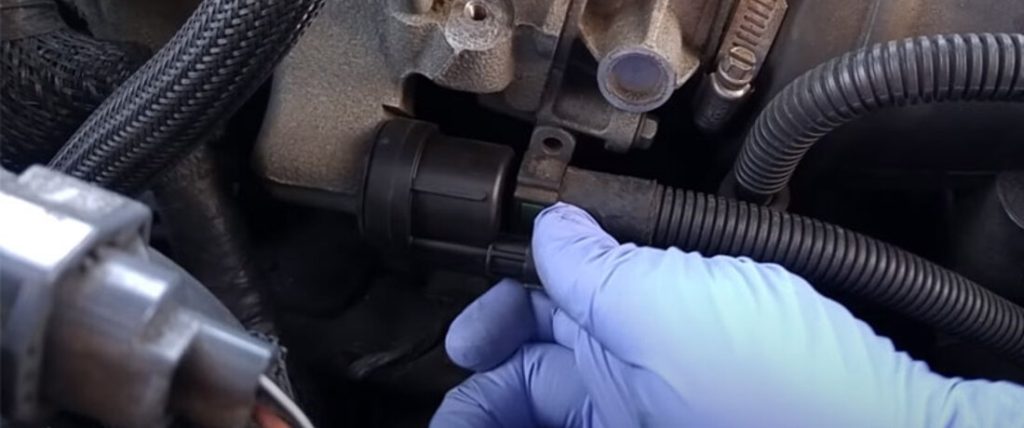
Think of it as a sponge for gas fumes. When your car sits, the fuel in the tank turns into vapor. Instead of letting these fumes pollute the air, the canister catches them. It holds the vapors in small charcoal pellets. When you start the engine, a valve opens. The engine sucks the vapors out of the canister and burns them. This saves fuel and cuts pollution. It connects to the EVAP system, the purge valve, and the vent valve. It is usually located under the hood or near the fuel tank. Since the 1970s, US law requires this part on all gas cars.

7 Symptoms of a Bad Charcoal Canister
You will often smell the problem before you see a light.
1. Check Engine Light Turns On
The Check Engine Light is often the first sign of a problem.
Your car’s computer watches the EVAP system. It checks pressure levels. If the system has a leak or a clog, the computer turns on the light. Common codes for this are P0440, P0441, P0442, or P0446. Do not ignore this light. A fuel vapor leak is a fire risk. You need an OBD-II scanner to confirm it is the canister. Sometimes it is just a loose gas cap. If your light is on, check our guide on check engine light causes to rule out other issues.
2. Strong Fuel Smell Inside or Around Your Car
A strong odor of gasoline is a major warning sign.
If the canister cracks or gets too full, vapors leak out. You will smell raw fuel. This smell is strongest near the back of the car. It can also get inside the cabin. Breathing these fumes is bad for your health. It can cause headaches and nausea. It also means your car is polluting the air. If you smell gas, inspect the car right away.
3. Hissing Noise When You Open the Gas Cap
A loud hiss when you open the cap means pressure is building up.
Your fuel tank needs to breathe. The canister lets air in and out. If the canister clogs, pressure traps inside the tank. When you open the cap, the air rushes out. It makes a loud hissing sound. This is not normal. It means the vent path is blocked.
4. Gas Pump Keeps Clicking Off / Difficulty Filling the Tank
You can’t fill your tank without the pump clicking off every few seconds.
This is very annoying. You squeeze the handle, and “click”—the pump stops. You try again, and it clicks again. This happens because the tank cannot vent air. The air inside has nowhere to go. It backs up into the filler neck. The pump thinks the tank is full. It shuts off to prevent a spill. Many people blame the gas pump. But if it happens at every station, your canister is likely clogged.
5. Rough Idle or Poor Engine Performance
Your engine might shake or run poorly at stoplights.
Sometimes, the canister fails and floods the engine with vapors. Or the vent valve gets stuck open. This acts like a vacuum leak. Too much air enters the engine. The mix of air and fuel is wrong. The engine stumbles or shakes. It might feel sluggish when you try to speed up.
6. Hard Starting — Especially When the Engine Is Warm
Your car might struggle to start right after you fill up.
If you “top off” the tank, liquid fuel can spill into the canister. The charcoal gets wet. It cannot hold any more vapors. When you try to start the car, raw fuel gets sucked into the engine. This floods the engine. The car cranks but won’t start. Or it starts and dies right away. If your car is hard to start, see our article on symptoms of a bad fuel filter to check that part too.
7. Failed Emissions Test
Your car will fail its smog test.
The EVAP system is a big part of emissions testing. If the canister is bad, the system leaks. The test equipment sees the leak. In most states, an active Check Engine Light is an automatic fail. Even if the light is off, high hydrocarbon levels will fail the test. You must fix the issue to pass inspection.
Bonus Warning — Can a Bad Charcoal Canister Collapse Your Fuel Tank?
A blocked vent can actually crush your fuel tank.
This sounds scary because it is. If the vent is totally blocked, the tank creates a vacuum as the fuel pump runs. The tank sucks inward. On plastic tanks, this can make them look like a crushed soda can. On metal tanks, it can warp them. This damages the fuel pump inside. Replacing a fuel tank costs over $1,000. Fixing the canister early prevents this.
Charcoal Canister vs. Purge Valve vs. Vent Valve — How to Tell the Difference
These parts work together, so symptoms can overlap.
| Symptom | Bad Charcoal Canister | Bad Purge Valve | Bad Vent Valve |
|---|---|---|---|
| Check Engine Light | ✅ Yes | ✅ Yes | ✅ Yes |
| Fuel Smell | ✅ Strong, near rear | ⚠️ Possible | ⚠️ Possible |
| Rough Idle | ⚠️ Possible | ✅ Common | ❌ Rare |
| Pump Clicks Off | ✅ Yes | ❌ Rarely | ✅ Yes |
| Hard Start | ✅ Yes (if flooded) | ✅ Possible | ❌ No |
| Hissing Cap | ✅ Yes | ❌ No | ✅ Yes |
The purge valve is on the engine. The canister and vent valve are usually near the tank. A mechanic can do a smoke test to find the exact leak.
What Causes a Charcoal Canister to Go Bad?
Most failures happen because of how we fill the tank.
- Overfilling the Tank: This is the #1 cause. Adding gas after the pump clicks pushes liquid fuel into the canister. The charcoal gets soaked. It stops working.
- Age: They last about 7 years or 100,000 miles. The charcoal breaks down over time.
- Road Debris: The canister is often under the car. A rock can crack the plastic case.
- Water Damage: Driving through deep water can force mud into the vent lines.
- Bad Fuel: Dirty fuel can clog the tiny passages.
- Neglect: Never checking the part allows small cracks to grow.
OBD-II Codes Associated with a Bad Charcoal Canister
These codes tell you the EVAP system has a problem.
| Code | Meaning |
|---|---|
| P0440 | EVAP system malfunction. |
| P0441 | Incorrect purge flow. |
| P0442 | Small leak detected. |
| P0446 | Vent control circuit malfunction. |
| P0456 | Very small leak detected. |
Pro Tip: Always look for multiple codes. A single P0442 often just means a loose gas cap. If you see P0440 and P0446 together, suspect the canister.
Simple DIY Visual Inspection Checklist
You can check for obvious damage yourself.
- ☐ Look for cracks. Check the plastic case of the canister.
- ☐ Look for wet spots. Fuel stains mean a leak.
- ☐ Check the hoses. Look for cracks or loose connections.
- ☐ Smell the area. A strong fuel odor near the canister means it is saturated.
- ☐ Check the gas cap. A bad seal triggers the same codes.
- ☐ Scan the codes. This tells you where to start looking.
How Much Does a Charcoal Canister Replacement Cost?
Fixing it is cheaper than fixing a crushed tank.
| Repair Type | Estimated US Cost |
|---|---|
| Diagnostic Scan | $50 – $150 |
| Smoke Test | $75 – $150 |
| Charcoal Canister (Part Only) | $50 – $300 |
| Labor (Shop Install) | $50 – $150 |
| Full Replacement | $150 – $550 |
| Gas Cap (Rule-out) | $10 – $30 |
Prices vary by car model. Luxury cars cost more. Always get two quotes. RepairPal is a good source for fair price estimates.
Is It Safe to Drive with a Bad Charcoal Canister?
It is mostly safe to drive short distances if there is no fuel smell.
If the Check Engine Light is the only sign, you can drive. But do not wait too long. If you smell fuel inside the car, stop driving. The fumes are toxic. They can make you dizzy or sick. This is also a fire risk. If the tank is hard to fill, fix it soon. You don’t want the tank to collapse. You will also fail your state inspection. Get it fixed before your registration is due.
How to Prevent a Bad Charcoal Canister
A few habits can make your canister last longer.
- Stop at the Click: Never add more gas after the pump clicks off.
- Inspect Regularly: Ask your mechanic to check it every 15,000 miles.
- Tighten the Cap: Make sure your gas cap clicks when you close it.
- Avoid Bad Fuel: Buy gas from busy, reputable stations.
FAQs About symptoms of a bad charcoal canister
Can a bad charcoal canister cause a rough idle?
Yes. If the failure causes a vacuum leak, the engine gets too much air. This messes up the fuel mix. The engine runs rough. This usually happens if the vent valve is stuck open due to debris from the canister.
What OBD codes are linked to a bad charcoal canister?
Common codes are P0440, P0441, P0442, and P0446. These point to EVAP leaks or flow issues. A P0442 alone might be a loose gas cap. Check the cap first.
Can I drive with a bad charcoal canister?
You can drive short distances if there is no smell. If you smell gas fumes, stop. The vapors are dangerous. You also risk failing an emissions test.
What happens if I overfill my gas tank?
Liquid fuel flows into the canister. The charcoal gets soaked. It cannot hold vapors anymore. This ruins the canister. Always stop filling when the pump clicks.
How is a bad charcoal canister different from a bad purge valve?
A bad canister makes it hard to fill the tank and causes hissing at the gas cap. A bad purge valve often causes a rough idle. Both trigger the Check Engine Light. A smoke test finds the real cause.
Bottom Line — What Should You Do Right Now?
Do not ignore the signs. If you have a Check Engine Light, scan it. Start with the gas cap. It costs $10 to replace. If the light stays on, check the canister. If you smell fuel in the cabin, stop driving. Vent the car and call a shop. If the pump keeps clicking off, book a smoke test. A repair now costs a few hundred dollars. A collapsed fuel tank costs over a thousand. Fix it early to save money and stay safe.
Quick Summary
- A Check Engine Light with EVAP codes is a common sign.
- A strong fuel smell is a safety hazard.
- Hissing at the gas cap means the tank can’t vent.
- Difficulty filling the tank is a classic symptom.
- Stop filling the tank when the pump clicks to prevent damage.
- Replacement usually costs between $150 and $550.
- Never drive if you smell fuel inside the car.