
This article was updated in March 20, 2026 with new products and information by Mark S. Taylor
Your dashboard is lit up with an ESC warning light, a traction control light, and maybe an ABS light — and you’re bracing yourself for a $1,500 repair bill on the ‘ESC module.’ Stop. In over 90% of cases, what looks like a bad ESC module is actually a $20 brake light switch, an $80 wheel speed sensor, or a free steering angle sensor recalibration. The symptoms of a bad ESC module are often actually symptoms of a bad sensor feeding it bad data. The module itself is one of the most durable electronic components on your vehicle. It rarely fails in isolation. Note that “ESC module” can also refer to “Electronic Spark Control” on older vehicles; this article covers the Electronic Stability Control system found on modern cars. We will preview 8 symptoms, the cascade trigger, and the cheapest-first diagnostic guide.

Contents
- 1 First — A Critical Disambiguation: Electronic STABILITY Control vs. Electronic SPARK Control
- 2 What the ESC Module Actually Does — and Why It Rarely Fails Alone
- 3 The Cascade Trigger — Why You See Five Warning Lights From One Bad Sensor
- 4 The #1 Diagnostic Rule — You CANNOT Use a Generic OBD-II Scanner
- 5 8 Symptoms of a Bad Electronic Stability Control Module (or System)
- 5.1 1. ESC Warning Light On Solid — The Most Common Sign
- 5.2 2. Unexpected Braking or False ESC Activation — The Most Alarming Symptom
- 5.3 3. Traction Control Cutting Out or Disabling
- 5.4 4. ABS Malfunction or ABS Light On Together With ESC Light
- 5.5 5. Braking System Complications — Pulsating Pedal or Unexpected Brake Application
- 5.6 6. Vehicle Pulling to One Side or Instability Under Normal Driving
- 5.7 7. Engine Power Reduction or Limp Mode
- 5.8 8. Post-Service ESC Light — The Free Fix Most People Miss
- 6 What Causes ESC Warning Lights — Cheapest to Most Expensive
- 7 ESC Module vs. Wheel Speed Sensor vs. Steering Angle Sensor — Disambiguation
- 8 OBD Code Reference for ESC System Faults
- 9 Is It Safe to Drive With the ESC Warning Light On?
- 10 ESC Repair and Replacement Cost
- 11 FAQs About Symptoms of a Bad ESC Module
- 11.1 Can a generic OBD-II scanner read ESC fault codes?
- 11.2 Why did my ESC, ABS, and traction control lights all come on at the same time?
- 11.3 Why did my ESC light come on after a battery replacement?
- 11.4 How much does ESC module replacement cost?
- 11.5 What does a flashing ESC light mean vs. a solid light?
- 12 Bottom Line — What to Do Right Now
First — A Critical Disambiguation: Electronic STABILITY Control vs. Electronic SPARK Control
Two different parts share the name “ESC module,” so you must identify which one you have. Confusing them leads to buying the wrong parts.
| Feature | Electronic Stability Control (ESC) | Electronic Spark Control (ESC) |
|---|---|---|
| What it is | Vehicle stability / anti-skid system | Ignition timing control component |
| Found on | All vehicles 2012+; most 2004+ | Older carbureted/TBI engines (1980s–1990s) |
| Symptoms | Stability/traction lights, ABS lights, unexpected braking | Engine misfire, rough idle, stalling, no-start |
| Warning light | “ESC”, “ESP”, “DSC”, “VDC” dashboard light | Check engine light only; no stability light |
| Scanner type | Enhanced scanner (ABS/ADAS capable) | Standard OBD or older code reader |
If your vehicle is post-2000 and you see stability or traction control lights, you have an Electronic Stability Control issue. The rest of this article covers that system.
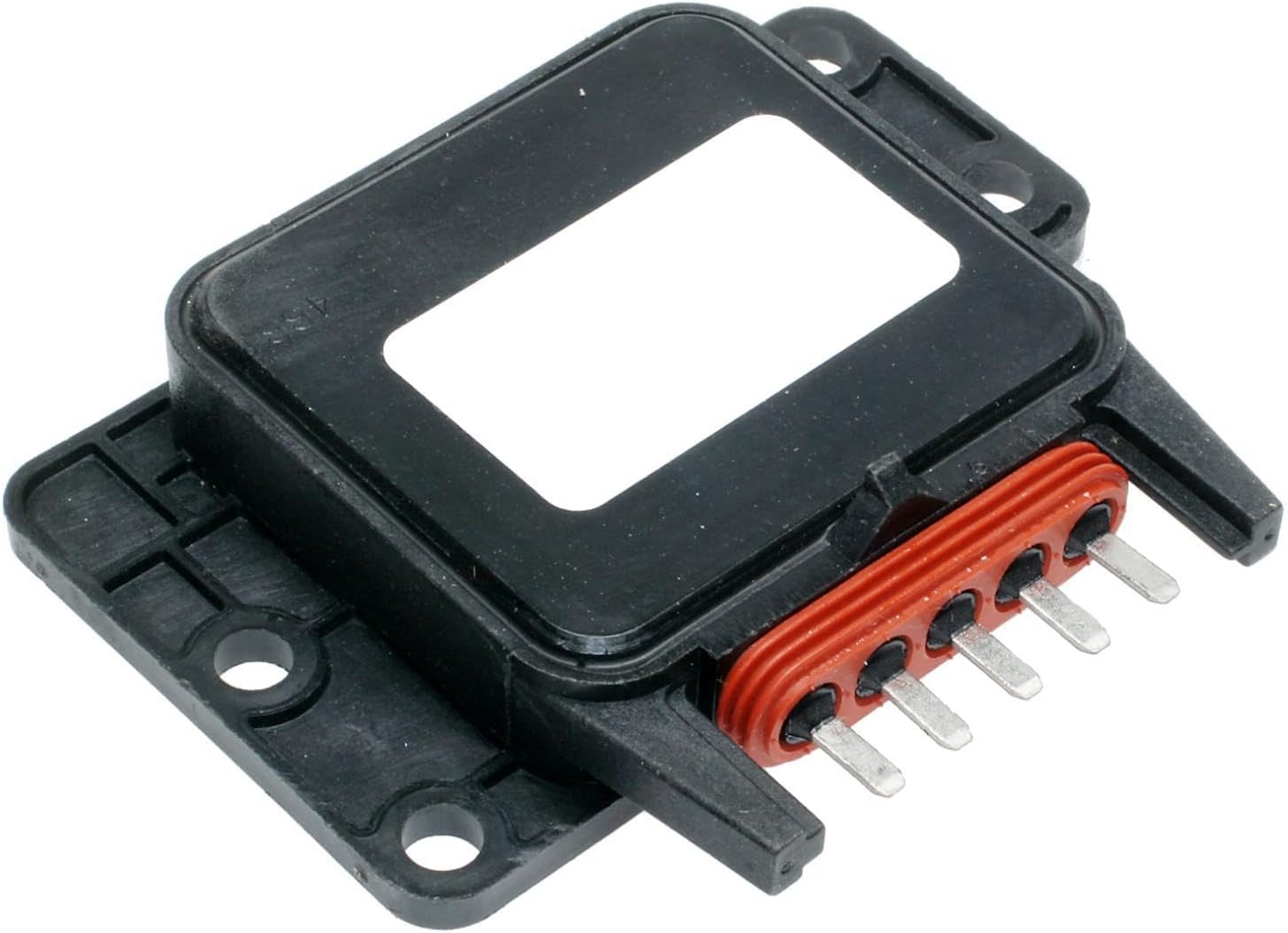
What the ESC Module Actually Does — and Why It Rarely Fails Alone
The ESC module is a computer that compares what you want to do with what the car is actually doing. It is usually part of the ABS module, called the HECU (Hydraulic Electronic Control Unit).
It reads data from four wheel speed sensors. It reads the steering angle sensor. It reads the yaw rate sensor. It checks if the steering wheel matches the car’s direction. If you turn left but the car goes straight (like on ice), the module applies brakes to fix the path.
Why the module itself rarely fails: The module is a computer chip in a sealed box. It sits in a protected spot. Modern modules from Bosch and Continental last over 150,000 miles.
What actually fails: The input sensors live in harsh spots. Wheel sensors face road grit and mud. Steering sensors move constantly. When a sensor sends bad data, the module turns on the light. The light means the module caught a problem. It rarely means the module is the problem.
The Cascade Trigger — Why You See Five Warning Lights From One Bad Sensor
One bad sensor can trigger multiple warning lights because these systems share data. This is the most expensive misdiagnosis to avoid.
The ESC system shares hardware with ABS and Traction Control. Even ADAS features like lane keep assist use this data.
- One wheel speed sensor fails.
- The ABS module sees bad speed data. It disables ABS.
- ESC needs ABS speed data. It disables ESC.
- Traction control needs ESC. It disables Traction Control.
- ADAS features disable.
Real-world result: A $40 sensor causes ABS, ESC, Traction Control, and ADAS lights to turn on at once.
The reassuring truth: When multiple lights appear at the same time, it is almost always one single input sensor. It is statistically impossible for the ABS, ESC, and Traction Control modules to all break independently in the same second.
Action before spending money: Do not buy parts yet. Get a scanner to find the specific fault code.
The #1 Diagnostic Rule — You CANNOT Use a Generic OBD-II Scanner
You need a special scanner to read ESC codes because basic scanners only read engine codes. This is the most important warning here.
The ESC/ABS codes live in the ABS control module. This is separate from the engine computer (PCM/ECM). A standard generic OBD-II scanner (like the free ones at AutoZone or $25 Amazon models) only reads engine codes.
When a generic scanner shows “no codes,” it does not mean the system is fine. It means the scanner cannot see the ABS module.
What you actually need: A scanner that supports ABS/ESC. Options include:
- BlueDriver Bluetooth ($99)
- Autel AL619 ($130)
- Foxwell NT510
- Store counter scanners (ask specifically for ABS/stability codes)
YOUCANIC states directly: “You must have an ABS scanner to diagnose ESC and ABS problems. Basic OBD-II code readers are not able to communicate with the ABS module.”

8 Symptoms of a Bad Electronic Stability Control Module (or System)
1. ESC Warning Light On Solid — The Most Common Sign
A solid ESC light means the system has turned itself off due to a detected fault. This is the primary symptom.
The icon usually looks like a car with squiggly lines under it. It might say “ESC,” “ESP,” or “VDC.”
- Solid light: System disabled. The car drives normally, but stability help is off.
- Flashing light: System working. It is actively fixing a slide on a slippery road. This is normal.
Manufacturer messages vary. Ford says “Service AdvanceTrac.” GM says “Service StabiliTrak.” Honda says “Check VSA System.” All mean the same thing: a fault exists. If you own a Honda, check our guide on the Check VSA System Light for specific help.
2. Unexpected Braking or False ESC Activation — The Most Alarming Symptom
The car may brake by itself if sensors give the module wrong data. This feels scary.
The ESC module applies brakes to fix the car’s path. If a sensor says you are sliding when you are not, the module brakes to “fix” it.
- What it feels like: Brakes engage without you touching the pedal. The car pulls slightly. It hesitates when you accelerate.
- Cause: Usually a miscalibrated steering angle sensor. It tells the module you are turning when you are going straight. Tomorrow’s Technician confirms this is often a calibration issue, not a broken module.
3. Traction Control Cutting Out or Disabling
Traction control stops working because it relies on the ESC system. This is a secondary symptom.
Traction control shares hardware with ESC. If ESC disables, traction control disables too.
- What it feels like: Your wheels spin on wet roads. Normally, the car would cut power to stop the spin. Now, it just spins freely.
- What to look for: A “Traction Control Off” light often joins the ESC light. Fixing the ESC fault restores traction control.
4. ABS Malfunction or ABS Light On Together With ESC Light
The ABS light often appears with the ESC light because they share the hydraulic unit. This is the most common combo.
If ABS and ESC lights appear together, start with the wheel speed sensors. The cascade effect makes shared sensor failure the most likely culprit.
Safety note: Without ABS, your wheels can lock up under hard braking. This increases stopping distance. Increase your following distance. If your pedal feels soft, also read our article on why is my brake pedal spongy to rule out hydraulic issues.
5. Braking System Complications — Pulsating Pedal or Unexpected Brake Application
A bad hydraulic valve in the module can cause the brake pedal to pulsate. This feels like a mechanical issue.
This happens when a solenoid valve releases or applies pressure incorrectly. The ABS activates when it shouldn’t.
- Distinction: A pulsating pedal during a normal stop suggests a module or sensor issue. A pulsating pedal only during hard braking is normal ABS operation.
- Other causes: CitizenSide notes that grinding sounds can also mean worn brake pads. Rule out mechanical brake issues first.
6. Vehicle Pulling to One Side or Instability Under Normal Driving
The car may pull to one side if the ESC applies a brake on one wheel incorrectly. This mimics an alignment issue.
- Alignment pull: Constant. Happens at all speeds.
- ESC pull: Intermittent. Happens during turns or lane changes.
Tomorrow’s Technician confirms a steering angle sensor off by just 50 degrees can cause the ESC to brake the inside wheel on a highway ramp. This pulls the car unexpectedly.
7. Engine Power Reduction or Limp Mode
The car may enter limp mode to protect you if the stability system fails. This limits your speed.
The ESC talks to the engine computer. If it detects a severe fault, it might limit speed to 40 or 50 mph. This is a safety feature. Oards.com confirms this indicates the failsafe mode is active. This prevents driving fast with broken safety systems.
8. Post-Service ESC Light — The Free Fix Most People Miss
An ESC light that appears right after service is usually just a calibration error. Do not pay for parts yet.
The light often appears after:
- Battery replacement.
- Wheel alignment.
- Tie rod or steering rack replacement.
Action: The steering angle sensor lost its “zero” point. It needs a reset. Return to the shop. Ask for a “steering angle sensor neutral position reset.” It is often free or very cheap.
What Causes ESC Warning Lights — Cheapest to Most Expensive
Here are the causes of ESC lights, ranked from free fixes to expensive repairs.
| Cause | Symptoms | Fix | Cost |
|---|---|---|---|
| ESC button pressed | ESC light only; no message | Press button to re-enable | $0 |
| Battery disconnect | Light after service | SAS recalibration | $0 – $100 |
| Brake light switch | ESC + ABS lights; false braking | Replace switch | $20 – $100 |
| Wheel speed sensor | ESC + ABS + TC lights | Clean or replace sensor | $80 – $200 |
| Wheel bearing | Lights at specific speeds; roar | Replace hub assembly | $200 – $500 |
| Steering angle sensor | Light after alignment; false braking | Recalibrate or replace | $50 – $450 |
| Wiring fault | Multiple warnings; U-codes | Repair wiring | $100 – $500 |
| ABS/ESC modulator | Pulsating pedal; no ABS | Replace modulator | $800 – $2,000 |
| ESC module failure | All functions absent | Replace + program | $1,000 – $2,500 |
ESC Module vs. Wheel Speed Sensor vs. Steering Angle Sensor — Disambiguation
Use this table to guess which part is bad before you visit a shop.
| Symptom | ESC Module (Rare) | Wheel Speed Sensor | Steering Angle Sensor |
|---|---|---|---|
| ESC + ABS + TC lights | Possible | Most Common | Possible |
| Symptoms at specific speed | No | Yes (e.g. 40 mph) | No |
| False braking when turning | No | Possible | Primary Cause |
| Appeared after battery work | No | No | Primary Cause |
| Roaring noise | No | Yes (bearing) | No |
OBD Code Reference for ESC System Faults
These codes point to specific problems found by an enhanced scanner.
| Code | Meaning | Most Likely Cause |
|---|---|---|
| C1234 | Wheel speed sensor fault | Wheel speed sensor; bearing |
| C0265 | ABS pump motor relay | ABS/ESC modulator hardware |
| U0121 | Lost comm with ABS module | Module; wiring; CAN bus |
| U0126 | Lost comm with SAS module | Steering angle sensor |
| P0571 | Brake switch circuit | Brake light switch |
Note: C-codes are Chassis codes. U-codes are Communication codes. Always look up the specific code for your car.
Is It Safe to Drive With the ESC Warning Light On?
It depends on the symptoms, but you should use extra caution if the light is on.
| Situation | Safe? | Action |
|---|---|---|
| ESC light only; drives normally | ✅ Short term | Book inspection soon |
| ESC + ABS lights | ⚠️ Reduced safety | No ABS means longer stops |
| False braking/pulling | ❌ Not recommended | Unpredictable; fix urgently |
| Post-battery/alignment | ✅ Usually safe | Get reset |
| Limp mode | ❌ Drive to shop only | Protects the car |
| Bad weather (rain/snow) | ❌ Risky | ESC prevents 74% of rollovers |
ESC Repair and Replacement Cost
Here are the estimated costs for fixing ESC issues in the US.
| Service | Estimated US Cost |
|---|---|
| Steering angle sensor recalibration | $50 – $150 |
| Brake light switch replacement | $20 – $100 |
| Wheel speed sensor replacement | $80 – $200 per corner |
| Wheel hub/bearing assembly | $200 – $500 installed |
| Enhanced ABS scanner (DIY tool) | $99 – $200 |
| Shop diagnostic fee | $50 – $120 |
| ABS/ESC hydraulic modulator | $800 – $2,000 |
| ESC module replacement | $1,000 – $2,500 |
FAQs About Symptoms of a Bad ESC Module
Can a generic OBD-II scanner read ESC fault codes?
No, generic scanners cannot read ESC codes. They only read engine codes. ESC codes live in the ABS module. You need an enhanced scanner with ABS capability, like the BlueDriver or Autel. If a generic scanner shows no codes, the fault is still there; the scanner just cannot see it.
Why did my ESC, ABS, and traction control lights all come on at the same time?
They came on together because these systems share sensors. One failed wheel speed sensor disables all three systems. This is the cascade effect. It is very unlikely that three separate modules broke at once. Scan the car to find the single bad sensor.
Why did my ESC light come on after a battery replacement?
The light came on because the steering angle sensor lost its memory. Disconnecting the battery erases the “zero point” for the steering wheel. The ESC thinks the wheel is turned when it is straight. You need a steering angle sensor reset to fix this.
How much does ESC module replacement cost?
Replacing the module costs $1,000 to $2,500. However, this repair is rarely needed. Most shops will replace a wheel sensor or switch for under $200. Always get a full diagnostic scan before paying for a new module.
What does a flashing ESC light mean vs. a solid light?
A flashing light means the system is working. It is actively helping you stay on the road. A solid light means the system is off. It has detected a fault and will not help you. A flashing light is normal on ice; a solid light needs a mechanic.
Bottom Line — What to Do Right Now
Do not panic over ESC lights; start with a scan and look for cheap fixes first.
- ESC + ABS + TC lights on: This is a cascade failure. Scan for the wheel speed sensor code. Replace that sensor ($80–$200).
- Light after battery service: You need a steering angle sensor reset. Go back to the shop. It is often free.
- Unexpected braking: This is likely a steering sensor calibration issue. Check live data before buying parts.
- Scanner shows no codes: You used a generic scanner. Use an ABS-capable scanner to find the real issue.
- Multiple U-codes: This might be wiring or the module. Verify wiring before replacing the expensive module.
Golden rule: The ABS/ESC module almost never fails. A $40 wheel speed sensor or a free recalibration fixes most ESC warnings. Never authorize a $1,500 module replacement without an ABS diagnostic scan.
Quick Summary:
- The ESC module rarely fails; usually, a bad sensor is the culprit.
- Multiple dashboard lights often mean one single sensor has failed.
- Generic OBD-II scanners cannot read ESC or ABS fault codes.
- A solid ESC light means the system is off; a flashing light means it is working.
- Unexpected braking is often caused by a miscalibrated steering angle sensor.
- Always check for free fixes like a sensor reset after battery or alignment work.
- Diagnose the specific code before replacing any expensive parts.