
This article was updated in April 21, 2026 with new products and information by Mark S. Taylor
You are driving down the road. Suddenly, the oil pressure warning light turns on. Your heart sinks. You might worry about engine failure. But it might just be a bad sensor. There are key symptoms of a bad oil pressure sensor. These tell you if it is a false alarm. A new sensor costs about $50. Real engine damage can cost thousands of dollars. This guide will help you tell the difference. You will learn what to check and how to stay safe.

Contents
- 1 What Does an Oil Pressure Sensor Do?
- 2 8 Symptoms of a Bad Oil Pressure Sensor
- 2.1 1. Oil Pressure Warning Light Blinking or Flickering
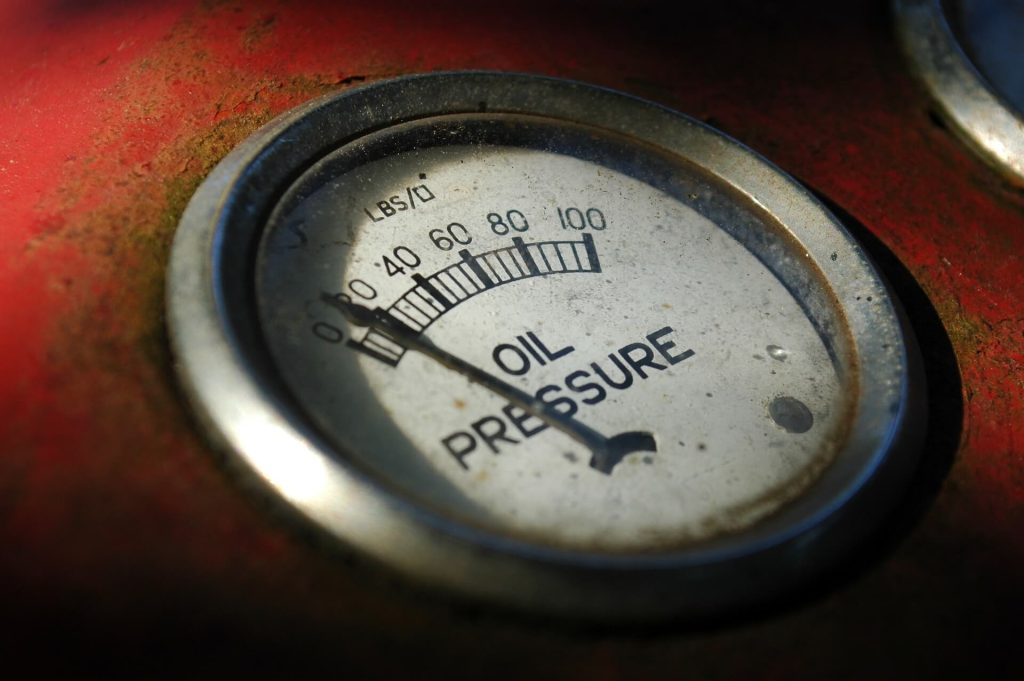
- 2.2 2. Oil Pressure Gauge Reading Zero (But Engine Runs Fine)
- 2.3 3. Oil Pressure Gauge Pegged at Maximum
- 2.4 4. Erratic or Jumping Gauge Readings
- 2.5 5. Oil Warning Light On Despite Full Oil Level
- 2.6 6. Check Engine Light with Oil Pressure Codes
- 2.7 7. Oil Leaking from the Sensor Body
- 2.8 8. Gauge Doesn’t Respond at All
- 3 Bad Sensor vs Real Oil Problem (Critical Differences)
- 4 How to Test if Your Oil Pressure Sensor Is Bad (DIY Steps)
- 5 What Causes Oil Pressure Sensors to Fail?
- 6 How Much Does Oil Pressure Sensor Replacement Cost?
- 7 Can You Drive with a Bad Oil Pressure Sensor?
- 8 How to Replace an Oil Pressure Sensor (Overview)
- 9 Oil Pressure Sensor vs Oil Pressure Switch (What’s the Difference?)
- 10 How to Prevent Oil Pressure Sensor Problems
- 11 FAQs: Symptoms of a Bad Oil Pressure Sensor
- 12 The Bottom Line
What Does an Oil Pressure Sensor Do?
The oil pressure sensor keeps an eye on your engine’s oil. It monitors the force of the oil flowing through the engine. It sends a signal to the dashboard gauge or light. This tells you how the oil pump is working. The sensor is usually near the oil filter. It screws into the engine block.
Sensor vs. Sending Unit vs. Switch
People use these words in different ways. They often mean the same thing. A “sensor” usually gives a range of readings. It tells the gauge a specific number. A “switch” is simpler. It just turns the light on or off. It works like a binary button. But both do the same basic job. They watch the oil pressure.
8 Symptoms of a Bad Oil Pressure Sensor
1. Oil Pressure Warning Light Blinking or Flickering
A blinking light is a very common sign. The light will turn on and off. It might flicker when you stop at a red light. The light often goes away when you speed up. A real oil problem usually makes the light stay steady. If the light flickers, it is often the sensor. It might have a loose wire. The connection breaks when the engine vibrates.
2. Oil Pressure Gauge Reading Zero (But Engine Runs Fine)
Look at your gauge. Does it read zero? Start the car. Does the needle stay at the bottom? Listen to the engine. Does it sound normal? If the engine sounds quiet and smooth, the sensor is likely broken. A real zero pressure reading would destroy the engine fast. If the car runs fine, the sensor is lying to you.
3. Oil Pressure Gauge Pegged at Maximum
Sometimes the gauge does the opposite. It goes all the way to the top. It might say the pressure is 80 or 100 psi. This happens even when the engine is off. This indicates an electrical short inside the sensor. The sensor is stuck sending a “high” signal. It is impossible to have max pressure when the car is off.
4. Erratic or Jumping Gauge Readings
Watch the needle closely. Does it jump around? It might go from 20 psi to 80 psi in one second. Then it drops back down. Real oil pressure cannot change that fast. It takes time for pressure to build or drop. A jumping needle means the sensor is failing. The internal parts are worn out. Or, the wiring is bad.
5. Oil Warning Light On Despite Full Oil Level
You see the warning light. You pop the hood. You check the dipstick. The oil level is perfectly full. You check the engine. It sounds good. This points to a false reading from the sensor. The sensor thinks the pressure is low. But the oil is actually there. Do not ignore this, but check the oil first.
6. Check Engine Light with Oil Pressure Codes
The Check Engine Light might turn on. You need a scanner to see why. You will likely see a “P052X” code. These codes mean there is a problem with the sensor circuit. Here are the common ones:
- P0520: Sensor Circuit Malfunction
- P0521: Sensor Range/Performance Problem
- P0522: Sensor Low Voltage
- P0523: Sensor High Voltage
- P0524: Engine Oil Pressure Too Low
7. Oil Leaking from the Sensor Body
Look at the sensor itself. Is it wet with oil? A bad seal can cause oil to leak out. The sensor might have a crushed washer. The plastic body might crack. You will see oil pooling near the filter. This leak can lower your oil level. It can also make the sensor give bad readings.
8. Gauge Doesn’t Respond at All
You start the car. You look at the gauge. The needle does not move. It stays dead at the bottom. Or it stays at zero even when driving fast. This means a complete electrical failure. The plug might have fallen off. A wire could be cut. The sensor is dead. This leaves you blind to real pressure problems.
Bad Sensor vs Real Oil Problem (Critical Differences)
You must know the difference. One is cheap to fix. The other ruins your car. Here is how to tell.
Signs It’s JUST a Bad Sensor (Safe to Drive Short-Term)
If the sensor is bad, the engine is usually fine. The engine sounds perfectly normal. You do not hear knocking or ticking. The oil level on the dipstick is full. The light flickers or acts strange. The gauge gives readings that make no sense. There is no burning smell. In this case, you can drive carefully. But get it fixed soon so you know the real pressure.
Signs It’s a REAL Oil Pressure Problem (Stop Driving)
If the engine is in trouble, stop the car. You will hear loud knocking, ticking, or grinding. This means metal parts are hitting each other. The oil light stays on steadily. It does not blink. The dipstick shows the oil is low. You might smell burning oil. The engine might overheat. Do not drive if you see these signs. Tow the car to a shop.
How to Test if Your Oil Pressure Sensor Is Bad (DIY Steps)
You can test the sensor yourself. It is not too hard. Follow these steps to be sure.
Step 1: Check Oil Level with Dipstick
First, check the easy thing. Pull the dipstick out. Wipe it clean. Put it back in. Pull it out again. The oil should be between the min and max marks. If the oil is low, add more. Low oil causes low pressure. If the oil is full, move to the next step.
Step 2: Listen to Your Engine
Start the engine. Let it run for a minute. Get out and listen. Lift the hood if you need to. A healthy engine is relatively quiet. It hums smoothly. If you hear knocking, stop. If it sounds quiet, the sensor is probably the issue.
Step 3: Check for OBD Codes
Plug a scanner into the car’s port. Look for the codes we listed above. Codes P0520 through P0524 are specific to the sensor. If you see these, it confirms an electrical issue. If you have no codes, the light might be mechanical.
Step 4: Wiggle Test (Quick Connector Check)
This is a simple test. Start the engine. Be very careful of moving parts. Gently wiggle the wire connector on the sensor. Watch the gauge while you wiggle it. If the needle moves or jumps, the wire is bad. The connection is loose. Do not unplug the plug while the car is running.
Step 5: Mechanical Gauge Test (Definitive Answer)
This is the best test. You need a mechanical oil pressure gauge. You remove the electrical sensor. Then you screw in the mechanical gauge. Start the car. The mechanical gauge shows the true pressure. Compare this to the dashboard. If the gauge reads 30 psi and the dash says zero, the sensor is bad.
What Causes Oil Pressure Sensors to Fail?
Sensors are tough, but they do break. Heat cycles are a major cause. The engine gets very hot, then cools down. This expands and contracts the sensor parts. Vibration also hurts them. The engine shakes a lot. Over time, this fatigues the metal and plastic.
Age plays a role too. They are not lifetime parts. The seals dry out and crack. Electrical corrosion can happen on the pins. Water or salt gets into the connector. Sometimes, the oil itself damages the sensor. Very dirty oil can clog the sensor hole.
How Much Does Oil Pressure Sensor Replacement Cost?
Fixing a sensor is usually cheap. The parts are very affordable. The main cost is often labor. Some sensors are easy to reach. Others are buried deep in the engine.
| Repair Type | Estimated Cost |
|---|---|
| Part Only (DIY) | $20 – $80 |
| Labor Cost | $50 – $150 |
| Total (Professional) | $70 – $230 |
DIY savings: You can save the labor fee if you do it yourself. It is often a simple screw-in job. Just make sure you have the right socket.
Can You Drive with a Bad Oil Pressure Sensor?
The short answer is yes, but only if you are sure. You must verify that the engine has oil pressure. If the gauge is broken, you cannot see a warning. If the pump fails while you are driving, you won’t know. This is a big risk. If the real pressure drops, you could wreck the engine.
You should replace it as soon as possible. If you must drive, check the dipstick often. Listen very closely to the engine noise. Do not drive long distances. It is not worth the risk of a blown engine.
How to Replace an Oil Pressure Sensor (Overview)
This is a moderate DIY job. You will need a few specific tools.
- Tools needed: A wrench or deep socket (often 1 1/16 inch or 22mm). A new sensor with a new washer. A rag for spills.
- Basic steps:
- Disconnect the negative battery cable.
- Locate the sensor near the oil filter.
- Unplug the electrical connector.
- Unscrew the old sensor. Be ready for some oil to spill.
- Screw in the new sensor. Do not overtighten it.
- Plug in the connector and clean up the spill.
- When to call a pro: If the sensor is hard to reach, call a mechanic. You don’t want to strip threads in the engine block.

Oil Pressure Sensor vs Oil Pressure Switch (What’s the Difference?)
It helps to know which part you have. A sensor provides a variable resistance. It changes based on pressure. It sends a range of data to the computer. This drives a gauge with numbers on it.
A switch is simpler. It is either on or off. It works like a light switch in your house. When pressure is low, the switch opens. The light turns on. When pressure is good, it closes. You can tell which you have by looking at your dashboard. A gauge means a sensor. A simple red light usually means a switch. Replacing them is very similar.
How to Prevent Oil Pressure Sensor Problems
You can avoid some of these issues. Use high-quality OEM sensors. Cheap aftermarket sensors fail faster. When you install it, torque it right. Do not crush the gasket or washer.
Keep the area clean. Dry off any oil spills near the sensor. This keeps the connector clean. Regular oil changes help too. Clean oil protects the sensor internals. Fix small oil leaks right away. If the sensor gets coated in grime, it might fail.
FAQs: Symptoms of a Bad Oil Pressure Sensor
What is the oil pressure for a C7 cat?
The Caterpillar C7 engine should maintain specific pressure. At idle, it should be around 15 to 30 psi. At full operating speed, it should be 30 to 75 psi. Always check the manual for your specific machine.
What are the three most common oil pressure problems?
The most common problems are low oil level, a failing oil pump, and a bad sensor. Worn engine bearings can also cause low pressure.
What happens if the oil pressure sensor is unplugged?
If you unplug the sensor, the dashboard light will usually turn on. The computer sees a broken circuit. It thinks the pressure is zero. It will warn you to protect the engine.
How to tell if an oil pressure sensor is working?
The best way is to use a mechanical gauge. If the mechanical gauge shows good pressure, but the dash says zero, the sensor is broken.
What does P0521 code mean?
This code means “Oil Pressure Sensor/Switch Range/Performance.” It means the signal from the sensor is erratic. It does not match the expected RPM of the engine.
The Bottom Line
Don’t panic when the oil light comes on. It might just be a $50 part. Verify the problem with your dipstick and ears first. Most flickering lights are just a bad sensor. Use a mechanical gauge to be 100% sure. It is an inexpensive and important fix. Protect your engine by knowing the difference.
Quick Summary
- Flickering Light: A blinking light often means a bad sensor.
- Check Dipstick: Full oil with a light on points to the sensor.
- Listen: Engine knocking means real trouble, not a sensor.
- Gauge Behavior: A gauge stuck at zero or max is likely broken.
- Test It: Use a mechanical gauge for the true answer.
- Cost: Repair usually costs between $70 and $230.
- Don’t Ignore: Fix the sensor so you can see real warnings.