
This article was updated in January 27, 2026 with new products and information by Mark S. Taylor
Hearing a grinding or humming noise from your wheels that gets louder as you drive faster? Your wheel hub bearing might be failing. This part lets your wheels spin freely. It also holds the weight of your car. I have fixed many of these in my shop. Ignoring it is not safe. Here are 8 symptoms of a bad wheel hub to watch for. We will also show you how to test your car.
Contents
- 1 What Is a Wheel Hub and What Does It Do?
- 2 8 Common Symptoms of a Bad Wheel Hub
- 3 How to Diagnose a Bad Wheel Hub: Step-by-Step Tests
- 4 Front vs. Rear Wheel Hub Differences
- 5 What Causes Wheel Hub Failure?
- 6 Can You Drive with a Bad Wheel Hub?
- 7 Wheel Hub Replacement Cost
- 8 DIY vs. Professional Replacement
- 9 Preventing Wheel Hub Failure
- 10 FAQ About Symptoms of a Bad Wheel Hub
- 11 Bottom Line: Don’t Ignore Wheel Hub Symptoms
What Is a Wheel Hub and What Does It Do?
A wheel hub connects your wheel to the car. It holds the bolts that keep the wheel on. It lets the wheel turn smoothly.
Wheel Hub Basics
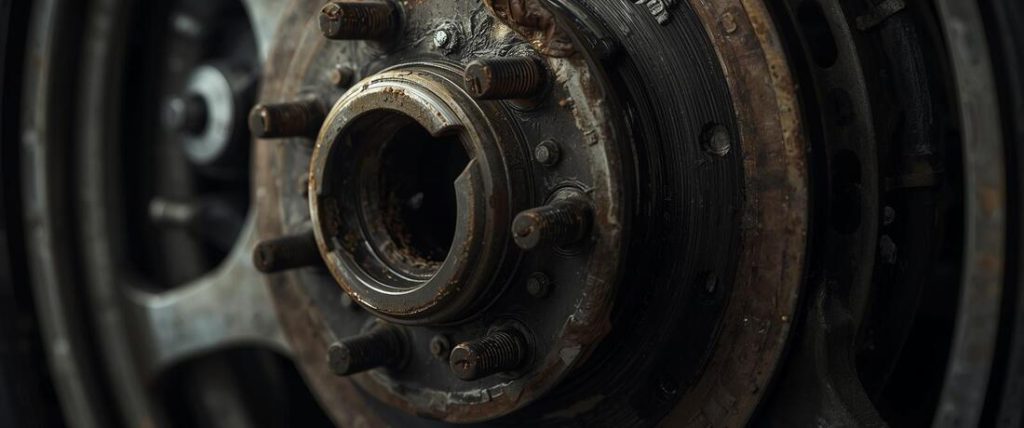
The hub attaches to the axle or suspension. It holds the wheel bearing inside. The bearing reduces friction as you drive. This part supports the whole weight of the vehicle. It is vital for safe steering and braking.
Components of a Wheel Hub Assembly
The assembly contains a few key parts. The wheel bearing is the main part. It has steel balls or rollers. The hub flange is where the lug nuts go. An ABS sensor is often attached to modern hubs. Wheel studs screw into the flange. Seals keep dirt out and grease in.
Wheel Hub vs. Wheel Bearing: What’s the Difference?
People often use these terms the same way. The bearing is just the metal balls inside. The hub is the whole metal unit. In modern cars, they are one sealed piece. Older cars had separate parts you could grease. Today, you usually replace the whole hub.
8 Common Symptoms of a Bad Wheel Hub
Bad hubs make noise and affect safety. Look for these signs early.
1. Grinding, Humming, or Roaring Noise
A loud growl that gets louder with speed is a classic sign. You might hear a grinding sound at low speeds. It changes to a roar or hum on the highway. It sounds like an airplane taking off.
Why It Happens: The bearing surface wears down over time. Metal rubs on metal without grease. Grease can leak out or dry up. Metal flakes grind together and make noise.
How to Identify: Try the turn test. Turn the steering wheel left. Does the noise get louder? If so, the right hub is likely bad. Turn right. If noise increases, the left hub is bad. Noise from a bearing is constant. Tire noise changes with the road surface.
Urgency: Medium to High. It will get worse fast.
2. Vibration in Steering Wheel
A shaky steering wheel is a warning sign. You feel it most at highway speeds. The shaking does not stop.
Why It Happens: A worn bearing creates too much play. The wheel wobbles slightly as it spins. This wobble travels up to your steering wheel.
How to Identify: The shake gets worse as you drive faster. It does not go away like a balance issue. You often hear noise along with the shake.
Urgency: Medium to High. It affects how you steer.
3. ABS Warning Light or Traction Control Light
A warning light on the dash can mean a bad hub. Newer cars have sensors in the hub.
Why It Happens: The ABS sensor monitors wheel speed. If the bearing is loose, the sensor reads the wrong speed. The computer sees a fault. It turns on the ABS or traction light.
Diagnostic Codes: A scanner can show codes like C0035. These tell you which wheel has the problem.
Urgency: High. You need your ABS for safety.
4. Excessive Play or Looseness in Wheel
A loose wheel is a dangerous sign. You might feel a clunk when you change lanes.
How to Test (DIY): Jack up the car safely. Grab the tire at the top and bottom. Rock it in and out. A good wheel feels solid. A bad hub has noticeable wiggle.
What’s Normal: Very tiny movement is okay. Anything you can see is too much.
Urgency: High. The wheel could come off.
5. Uneven or Premature Tire Wear
Check your tires often for odd wear patterns. A bad hub ruins tires quickly.
Wear Patterns: Look for wear on just one edge. You might see cupping or scallops. One tire wears much faster than the others.
Why It Happens: The loose wheel tilts. This messes up the alignment angles. The tire does not sit flat on the road.
Urgency: Medium. Your tires are getting damaged.
6. Wheel Wobble (Visible)
You can sometimes see the wobble with your own eyes. The wheel shakes side to side.
How to Test: Jack up the car. Spin the wheel by hand. Watch it from the front. Compare it to the other side.
Why It Happens: The bearing is severely worn. The race inside is broken. The wheel is not stable.
Safety Risk: Do not drive like this. The wheel could separate. You could crash.
7. Snapping, Clicking, or Popping Noises (When Turning)
Clicking sounds usually happen when you turn. It sounds like a CV joint, but it might be the hub.
Why Wheel Hub Makes This Sound: The bearing is falling apart inside. Metal pieces are breaking loose. It happens in advanced stages of failure.
Urgency: High. The part is about to fail completely.
8. Brake Pulsation or Pulling (Severe Cases)
Bad bearings can even feel like brake problems. The car pulls to one side when you stop. The pedal vibrates.
Why Severe Bearing Wear Affects Brakes: The wobbly wheel moves the brake rotor. The rotor cannot spin straight. The brake pads grab unevenly.
Urgency: High. Your brakes are not working right.
How to Diagnose a Bad Wheel Hub: Step-by-Step Tests
You can find a bad hub at home. Use these tests to be sure.
Test 1: Listen for Noise (Drive Test)
Find a quiet, smooth road. Roll your windows down. Drive at about 40 mph. Listen for a hum or roar. Then, perform the turn test. Swerve gently left. Listen to the sound. Swerve gently right. Listen again. The noise gets louder on the side of the bad bearing.
Test 2: Check for Play (Jack Test)
Park on a flat spot. Loosen the lug nuts. Jack up the wheel. Secure it on a jack stand. Grab the tire at 12 and 6 o’clock. Push in and pull out hard. Any movement means the hub is bad. Also, grab at 3 and 9 o’clock. Shake side to side. Play here might be tie rods, not the hub.
Test 3: Spin and Listen Test
Keep the wheel in the air. Spin it by hand. Put your ear near the hub. A good hub is silent. A bad hub feels rough and sounds scratchy. You can use a long screwdriver as a stethoscope if you are careful.
Test 4: Compare Wheels (Heat Test – Advanced)
Drive for 15 minutes. Park safely. Carefully feel the center of each wheel hub. Use an infrared thermometer if you have one. A bad bearing generates much more heat. If one is much hotter than the others, it is failing.
Front vs. Rear Wheel Hub Differences
Front hubs usually fail first. They work harder than the rear.
Front Wheel Hubs
Front hubs hold the heavy engine weight. They handle the stress of turning. They connect to the CV axles on front-wheel drive cars. They wear out faster because of all this work.
Rear Wheel Hubs
Rear hubs have an easier job. They just follow the front wheels. They usually last longer. On trucks, they might be part of the solid axle.
What Causes Wheel Hub Failure?
Most hubs fail from old age or damage. Sometimes bad installation causes issues.
Normal Wear and Tear
Bearings spin thousands of times per mile. The grease inside breaks down eventually. Most last between 75,000 and 150,000 miles.
Water and Contamination
Driving through deep water is bad for hubs. Water gets past the seals. Road salt causes rust. This ruins the smooth surfaces inside.
Improper Installation
Mechanics must torque the axle nut correctly. If it is too loose, the bearing fails. If it is too tight, it overheats.
Impact Damage
Hitting a big pothole can damage a hub. A curb strike can do it too. The impact creates tiny pits in the bearing races.
Lack of Maintenance
This applies mostly to older trucks. You must grease older bearings. If you ignore them, they will fail.
Can You Drive with a Bad Wheel Hub?
You can drive a short way, but be careful. It is risky to ignore it.
Short Distance (If Necessary)
Drive slowly if you must go to a shop. Avoid the highway. Take turns slowly. Do not carry heavy loads.
DO NOT DRIVE If:
You see the wheel wobbling. The grinding is extremely loud. The steering feels loose. You have a bad wobble plus an ABS light.
Risks of Driving on Bad Wheel Hub:
The bearing can seize up. The wheel could lock or fall off. You might damage your CV axle or brake parts.
Wheel Hub Replacement Cost
Costs vary by car type. Here is a general guide.
| Vehicle Type | Parts Cost | Labor Cost | Total (Per Wheel) |
|---|---|---|---|
| Economy Car | $80-$200 | $100-$200 | $180-$400 |
| Mid-Size Sedan | $100-$250 | $120-$250 | $220-$500 |
| SUV/Truck | $150-$350 | $150-$300 | $300-$650 |
| Luxury/Perf. | $200-$600+ | $200-$500 | $400-$1,100+ |
Factors Affecting Cost: Front-wheel drive cars take more labor. An ABS sensor adds to the part cost. AWD vehicles are harder to work on.
DIY vs. Professional Replacement
Replacing a hub is moderate to hard work. You need good tools.
DIY Wheel Hub Replacement
Difficulty: Moderate to Difficult. Tools Needed: You need a jack and stands. A breaker bar helps loosen bolts. A torque wrench is mandatory. You might need a slide hammer.
Time Required: Plan on 2 to 4 hours per side. Challenges: Rust makes bolts very hard to remove. Some hubs are pressed in tight. You must torque the nut to the exact spec.
Professional Replacement Recommended If:
You have a press-fit hub. The bolts are rusted solid. You lack a torque wrench. You have an AWD or 4WD vehicle.
Preventing Wheel Hub Failure
You cannot prevent all failures. But you can reduce the risks.
Regular Inspections
Check your wheels when you rotate your tires. Wiggle them to check for play. Listen for strange sounds.
Avoid Damage
Slow down for potholes. Do not hit curbs. Try not to drive through deep puddles.
Use Quality Parts
Buy reputable brands like Timken or SKF. Cheap hubs often fail quickly. Check the warranty on the box.
Proper Installation
Always torque the axle nut. Use new cotter pins. Make sure the sensor wiring is secure.
FAQ About Symptoms of a Bad Wheel Hub
How do you know if your wheel hub is bad?
You will hear a loud hum or grind. It gets loud when you drive fast. The steering wheel shakes in your hand. This noise is a clear sign your wheel hub is bad.
What can be mistaken as a bad wheel bearing?
Loud tires often sound like a bad bearing. A bad axle joint makes noise too. Listen close to be sure. Tires hum all the time on the road, not just when you turn.
What will happen if you drive with a bad wheel hub?
It is not safe to drive. The wheel can lock up or fall off. It hurts your brakes too. Fix the bad wheel hub fast to stay safe on the road. Do not ignore the noise.
What are the first signs of bearing failure?
You will hear a soft hum first. It sounds like a growl at high speed. The noise gets worse with time. Do not wait to check the bearing failure signs early on.
How much does wheel hub replacement cost?
The cost is two to five hundred dollars. It costs more for a truck. The price goes up for labor time. It is vital to fix a bad hub replacement right away.
Bottom Line: Don’t Ignore Wheel Hub Symptoms
A bad wheel hub isn’t something to put off. What starts as a faint humming noise can quickly progress to dangerous steering vibration, ABS failure, or even catastrophic wheel separation. The good news? Early detection and repair prevent expensive secondary damage and keep you safe.
Key takeaways:
- Most common symptom: Grinding or humming noise that increases with speed.
- Easy DIY test: Turn test (left turn = right bearing bad, right turn = left bearing bad).
- Cost: $180-$650 per wheel typically (economy to SUV/truck).
- Lifespan: 75,000-150,000 miles under normal conditions.
- Safety risk: Severe cases can cause wheel separation—don’t delay repair.
If you hear unusual noise from your wheels, perform the turn test and jack test to confirm. Most wheel hub failures give plenty of warning before complete failure, but ignoring symptoms accelerates damage to other expensive components like CV axles and suspension parts.
When replacing wheel hubs, use quality parts (OEM or premium aftermarket like Timken, SKF, or NTN) and ensure proper installation torque. A $50 difference in parts quality can mean the difference between 50,000 miles of service and 150,000 miles.