
This article was updated in July 31, 2026 with new products and information by Mark S. Taylor
our engine cranks slow, maybe not at all. You’re stranded, stuck in a parking lot, sweating. The first thing you think is, “It must be the cold.” But if it’s 90 degrees outside, your battery’s actual killer isn’t the winter chill you fear; it’s the relentless summer heat. For the past 20 years, I’ve seen more drivers dead on the road in July than in January because their battery gave up the ghost. So, let’s cut the guessing game. We’re going to figure out exactly why your car battery life in hot climates takes such a beating, how to spot the early warning signs, and what you can do to keep your ride starting reliably.
Contents
- 1 The Silent Killer: How Heat Murders Your Car Battery
- 2 What’s Inside? Understanding Your Car’s Battery
- 3 The Hot Truth: Why Summer is Worse Than Winter for Your Battery
- 4 Warning Signs: How to Spot a Battery Dying From Heat Stress
- 5 Diagnosing a Heat-Stressed Battery: What I Do in the Shop
- 6 Can You Drive With a Dying Battery in Hot Weather? (Hint: Don’t Push It)
- 7 What Does a New Car Battery Cost? (Parts & Labor Breakdown)
- 8 DIY vs Shop: Should You Replace Your Own Battery?
- 9 Extend Your Battery’s Life: My Top Hot Climate Survival Tips
- 10 FAQs About Car Battery Life in Hot Climates
- 10.1 Q1: How often should I get my car battery tested in a hot climate?
- 10.2 Q2: Are AGM batteries better for hot climates than standard lead-acid?
- 10.3 Q3: Can a battery blanket help in hot weather?
- 10.4 Q4: My car battery died, and now my radio doesn’t work. What happened?
- 10.5 Q5: How long do car batteries typically last in hot climates?
- 11 The Shop Verdict: Protect Your Power in the Sun
The Silent Killer: How Heat Murders Your Car Battery
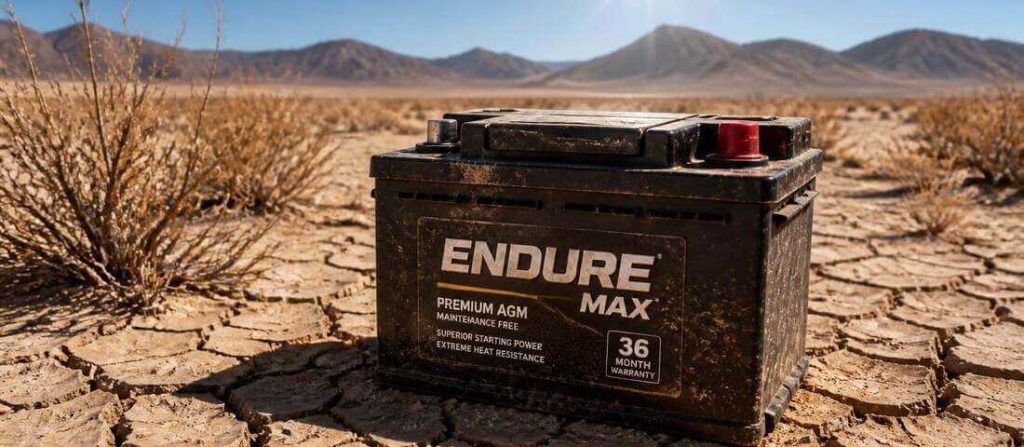
Most folks think cold weather is what truly kills a car battery. Nope. Cold weather merely exposes a battery that’s already been fatally wounded by months, or even years, of scorching temperatures. Think of it this way: the harsh snap of winter is just the final nail in the coffin, but the real damage, the silent murder, happens when it’s sweltering. The engine bay itself can hit well over 200 degrees Fahrenheit, and that constant, extreme heat is a battery’s worst enemy, accelerating every negative chemical process within it.
What’s Inside? Understanding Your Car’s Battery
At its core, your car’s 12-volt battery is a lead-acid chemical power plant. It’s packed with positive and negative lead plates, separated by a dilute sulfuric acid solution known as electrolyte. When you start your car, a chemical reaction between these plates and the electrolyte generates electricity to power your starter motor and get the engine turning. Once the engine is running, your alternator takes over, recharging the battery and supplying power to the rest of your vehicle’s electrical system. This dance of discharge and recharge is critical, and any interruption can leave you stalled.
The Hot Truth: Why Summer is Worse Than Winter for Your Battery
The relationship between your car battery and high temperatures is brutal. Here’s the real breakdown of why summer is so much harder on it than winter:
- Electrolyte Evaporation: The sulfuric acid and water mix inside your battery literally boils away faster in the heat. When the water evaporates, it leaves a higher concentration of acid, which corrodes the internal plates even quicker. This is why some older batteries have caps for you to add distilled water – to replace what the heat has cooked off.
- Accelerated Chemical Reactions: Every chemical reaction speeds up with heat. This means the very processes that charge and discharge your battery happen faster, but so do the degenerative processes like sulfation and internal corrosion. The plates become brittle, and the connections weaken.
- Sulfation: This is the buildup of lead sulfate crystals on the battery plates. In hot weather, this process accelerates, insulating the plates and reducing the battery’s ability to store and release energy. It effectively chokes the battery from the inside out.
- Internal Plate Degradation: High temperatures cause the lead plates to warp, buckle, and shed their active material more rapidly. This reduces the surface area available for chemical reactions, severely diminishing the battery’s capacity and cranking power.
It’s a double whammy. The heat literally cooks the water out of the electrolyte, making it more concentrated and harder on the plates. Then, that same heat speeds up sulfation and corrosion internally. You lose water, you lose capacity. Simple as that.
Warning Signs: How to Spot a Battery Dying From Heat Stress
Ignoring these early warnings is how you end up calling a tow truck. Pay attention to your car, especially when the mercury climbs above 90 degrees Fahrenheit.
- Slow Crank, Not a Snap: This is the most common sign. When you turn the key, does your engine sound like it’s struggling to turn over, especially after the car has been sitting in direct sun all day? That sluggish “Ruh-ruh-ruh” instead of a quick “Vroom” means your battery can’t deliver enough amps.
- Dim or Flickering Lights: Before you even start the engine, turn on your headlights. If they look dim or flicker when you attempt to start the car, your battery is losing its punch. The same goes for interior lights or the dashboard display.
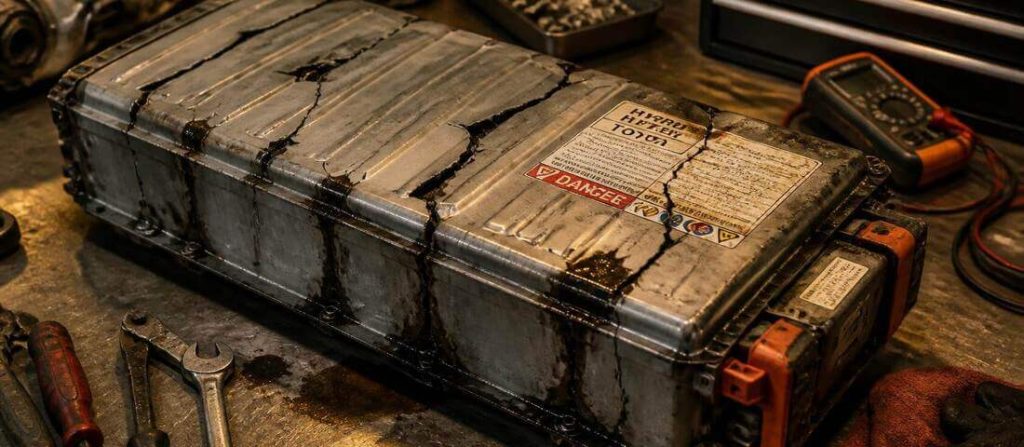
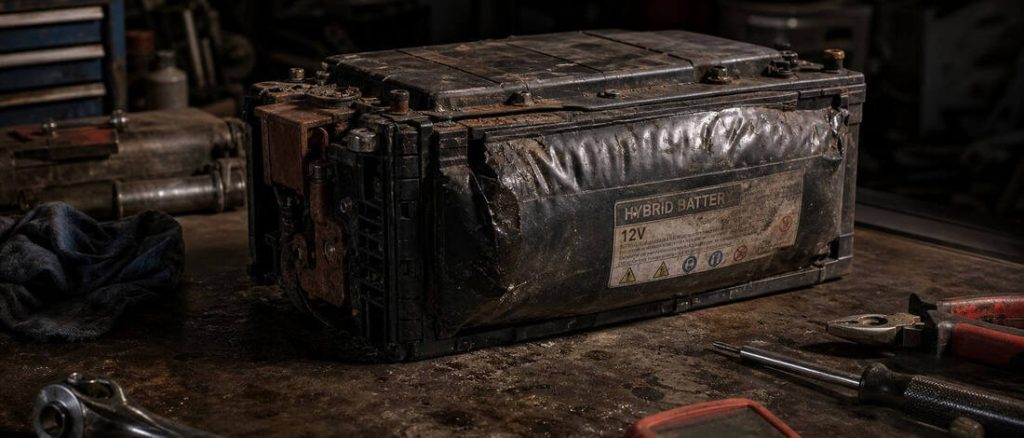
- Swollen Battery Case: This is a serious red flag. Heat can cause the battery’s internal components to gas excessively, leading to pressure buildup that makes the plastic case swell or bulge. If you see this, do not ignore it. It indicates severe internal damage and could be dangerous.
- “Rotten Egg” Smell: If you catch a pungent, sulfuric odor, it means your battery is overheating and venting hydrogen sulfide gas. This is often accompanied by electrolyte boiling. If you ever smell rotten eggs, pull over safely and shut the engine down immediately.
- Dashboard Warning Light: While not specific to heat, your “battery” or “charge system” light coming on means there’s an issue with either the battery itself or the charging system. Don’t assume it’s just the alternator.
Don’t ignore that slower crank on a hot morning. That’s not just the starter getting lazy; that’s your battery losing its guts.
Diagnosing a Heat-Stressed Battery: What I Do in the Shop
When a car rolls into my bay with a “won’t start” or “slow crank” complaint in summer, I follow a strict diagnostic protocol. It’s not just about replacing the battery; it’s about making sure the whole system is healthy.
- Visual Inspection (First Look): Before touching anything, I pop the hood. I’m looking for visible signs of distress:
- Corrosion: White or bluish-green powdery buildup around the battery terminals indicates poor connection or acid leakage. This needs to be cleaned.
- Swelling or Cracks: As mentioned, a bulging or cracked battery case is a critical failure sign.
- Loose Connections: I’ll gently tug on the battery cables. They should be snug. Loose connections can mimic a dead battery.
- Fluid Leaks: Any signs of electrolyte pooling on the battery tray or surrounding components.
- Battery Hold-Down: Is it secure? A battery bouncing around in a hot engine bay shortens its lifespan dramatically.
- Static Voltage Test (The Quick Check): Using a good quality digital voltmeter, I connect it directly to the battery terminals.
- A fully charged 12-volt battery should read around 12.6 volts or higher when the engine is off and hasn’t been run for a few hours.
- Anything consistently below 12.4 volts usually means the battery is discharged or weak. This doesn’t tell the whole story, but it’s a good starting point.
- Load Test (The Real Test): This is crucial. A battery can show good static voltage but still fail under load. A specialized load tester draws a significant amount of current from the battery for a short period, simulating engine cranking.
- A healthy battery will maintain a voltage above 9.6 volts during a 15-second load test. If it drops below that, especially in hot weather, it’s toast.
- Don’t just trust the green dot on some cheap testers; those are unreliable. A proper load test is the best way to determine if a battery has the grunt to start your engine.
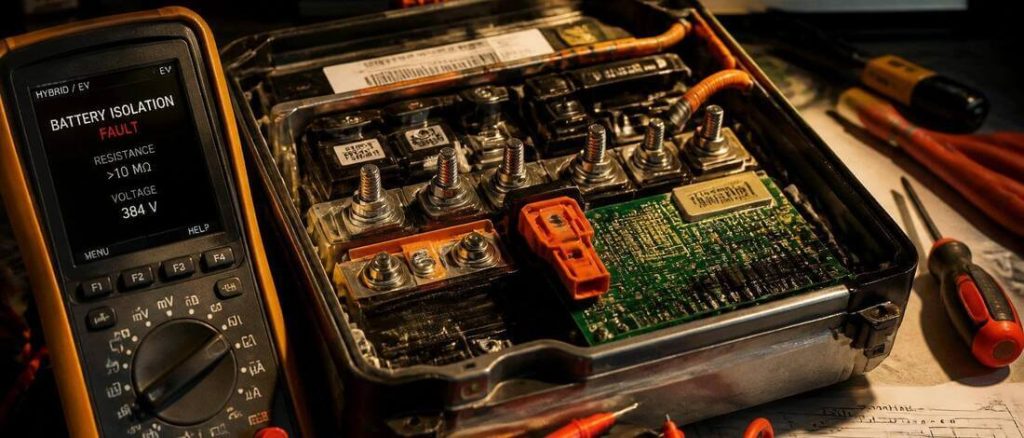
- Charging System Check: If the battery passes the load test, the next step is to check the alternator. With the engine running, the voltage across the battery terminals should be between 13.8 and 14.5 volts. If it’s outside this range, you have an alternator or voltage regulator issue, which will drain even a new battery.
- Parasitic Draw Test (The Stealth Drain): If a battery keeps dying even after being charged or replaced, I suspect a parasitic draw. This means something in the car is still consuming power when the engine is off. This requires connecting an ammeter in series with the battery cable and checking for excessive current draw after the vehicle has “gone to sleep.” This can be tricky to pinpoint but is essential for intermittent battery issues.
The first thing I do is a visual inspection. Check for swelling, corrosion, and a secure hold-down. Then, it’s a multi-tool approach: voltmeter for static voltage (should be 12.6V or higher), a good load test (the real test), and sometimes, especially with repeated failures, a parasitic draw test.
Can You Drive With a Dying Battery in Hot Weather? (Hint: Don’t Push It)
Look, I get it. You’ve got places to be. But pushing your luck with a compromised battery, especially when it’s scorching outside, is a surefire way to escalate a cheap fix into a much more expensive headache.
- The Stranding Risk: This is the most immediate danger. A weak battery can die without warning, leaving you stranded in an unfamiliar parking lot or, worse, on the side of a busy highway. In triple-digit heat, that’s not just inconvenient; it’s a health risk.
- Alternator Overwork: Your alternator isn’t designed to constantly charge a dead battery. Its job is to maintain the battery and power the car after the engine starts. If the battery is weak, the alternator has to work overtime, generating excessive heat itself, and dramatically shortening its lifespan. You could cook the alternator, turning a $200 battery problem into a $600-$800 battery and alternator problem.
- Electrical System Strain: A weak battery can lead to unstable voltage, which can confuse or even damage sensitive electronic components
- Electrical System Strain: A weak battery can lead to unstable voltage, which can confuse or even damage sensitive electronic components in your vehicle, including the engine control unit (ECU) or infotainment system. These repairs can easily run into hundreds or even thousands of dollars.
- Safety Hazard: Imagine your engine suddenly cutting out on the interstate at 65 MPH because the alternator finally failed trying to compensate for a dying battery. You lose power steering assist, power brakes, and suddenly your car becomes a lot harder to control.
A weak battery isn’t just an inconvenience; it puts stress on your whole charging system. Your alternator wasn’t designed to constantly charge a dead battery. You’ll cook the alternator, and then you’ve got two problems instead of one. Get it checked.
What Does a New Car Battery Cost? (Parts & Labor Breakdown)
Nobody likes unexpected repair bills, but understanding what you’re paying for makes it easier to swallow. When your car battery life in hot climates finally gives up, here’s a realistic breakdown of replacement costs:
| Component | Estimated Cost Range (USD) | Notes |
|---|---|---|
| Battery (Part) | ||
| Standard Lead-Acid | $120 – $200 | Most common type for everyday vehicles. Quality can vary. |
| AGM (Absorbed Glass Mat) | $200 – $350 | More expensive but offer better vibration resistance, deeper discharge cycles, and often longer life in extreme conditions. Common in start/stop vehicles. |
| EFB (Enhanced Flooded Battery) | $180 – $280 | A step up from standard lead-acid, found in some basic start/stop cars. Better than standard for heat but not as robust as AGM. |
| Labor (Installation) | $40 – $100 | Varies by vehicle complexity (e.g., battery under the seat or in the trunk is more labor-intensive) and shop rates. Most are a quick 15-30 minute job. |
| Core Charge | $15 – $25 | A refundable deposit charged until you return your old battery for recycling. Don’t forget to bring it back! |
| Battery Terminal Cleaner/Protector | $5 – $15 | Often an add-on during installation, helps prevent corrosion on new terminals. |
| Total Estimated Cost | $165 – $480+ | This range covers a basic lead-acid replacement to a more complex AGM installation. If a shop quotes you over $350 total for a standard four-cylinder, get a second opinion. |
A decent lead-acid battery for a standard car usually runs $120 to $200. AGMs? Expect $200 to $350 or more. Labor is another $40 to $100 depending on your market and how buried the battery is. Don’t forget the core charge, usually $15-$25, which you get back when you return your old battery.
DIY vs Shop: Should You Replace Your Own Battery?
Replacing a car battery can be a straightforward DIY job for many, but it’s not without its considerations, especially with modern vehicles.
DIY Battery Replacement:
- Pros: Saves on labor costs ($40-$100), gives you control over the battery choice, and it’s a good learning experience.
- Cons: Requires basic tools (wrenches, battery terminal cleaner, safety glasses), handling corrosive acid, and the risk of losing vehicle computer settings. Modern cars with complex electronics often require a “memory saver” tool ($10-$30) to maintain power to the computer while the old battery is disconnected. Without it, you could lose radio presets, power window settings, or even cause idle issues.
- Safety: Always wear safety glasses and gloves. Disconnect the negative terminal first, then the positive. Reconnect positive first, then negative. This prevents accidental short circuits.
Professional Battery Replacement:
- Pros: Guaranteed work, disposal of the old battery, proper cleaning of the battery tray and terminals, and assurance that vehicle electronics are maintained. Mechanics have specialized tools and knowledge for complex installations.
- Cons: Higher overall cost due to labor charges.
If it’s easily accessible and you’re comfortable with basic hand tools, go for it. But remember, modern cars hate losing power to their computers; a memory saver is a smart move. And always, always wear eye protection. That battery acid isn’t a joke.
Extend Your Battery’s Life: My Top Hot Climate Survival Tips
Even in the most brutal summer heat, you can significantly prolong your car battery life in hot climates with a few simple, proactive steps.
- Keep it Clean: Regularly inspect and clean your battery terminals. White or bluish-green corrosion builds up and acts as an insulator, preventing a good electrical connection. Use a battery terminal brush and a baking soda and water mixture to neutralize the acid, then rinse and dry thoroughly. Once clean, apply a thin layer of dielectric grease or anti-corrosion spray. Don’t just clean the terminals; use a specific battery terminal cleaner and an anti-corrosion spray.
- Check Electrolyte Levels (If Applicable): For non-sealed, conventional lead-acid batteries, check the fluid levels every few months. If the level is low (below the bottom of the vent well), carefully add distilled water only to just cover the plates. Never use tap water.
- Insulate Against Heat: If your car doesn’t have one, consider adding a battery heat shield or thermal blanket. These are designed to reflect engine heat away from the battery, reducing its operating temperature.
- Avoid Short Trips: Frequent short drives, especially in hot weather, don’t allow your alternator enough time to fully recharge the battery. This leads to a perpetually undercharged state, accelerating sulfation. If most of your drives are short, consider a battery maintainer.
- Use a Battery Maintainer/Tender: If your car sits for extended periods (more than a few days) in hot weather, a smart battery maintainer will keep it topped off without overcharging, preventing deep discharge and extending its lifespan. A battery tender is cheap insurance.
- Secure the Battery: Ensure your battery is properly secured in its tray with a hold-down clamp. A vibrating battery sustains internal damage more quickly.
- Test Annually: Get your battery tested professionally every year, especially before summer hits. Most auto parts stores offer this service for free. A proper load test will tell you its true health, not just its voltage.
FAQs About Car Battery Life in Hot Climates
Q1: How often should I get my car battery tested in a hot climate?
A: I recommend getting it tested at least once a year, ideally in late spring or early summer, before the most intense heat sets in. This proactive check can help catch a weakening battery before it leaves you stranded.
Q2: Are AGM batteries better for hot climates than standard lead-acid?
A: Yes, generally. AGM (Absorbed Glass Mat) batteries are more resistant to vibration and can handle deeper discharge cycles. While heat is still a factor, their sealed design reduces electrolyte evaporation, which is a major killer of traditional batteries in hot environments. They often come with a longer warranty too.
Q3: Can a battery blanket help in hot weather?
A: No, battery blankets are designed to insulate against cold, to keep the battery warm and prevent freezing. For hot climates, you want a battery heat shield or thermal wrap that reflects heat away from the battery, not insulates it.
Q4: My car battery died, and now my radio doesn’t work. What happened?
A: Many modern vehicles have anti-theft features on their radios that require a security code to reactivate after the battery has been disconnected. Check your owner’s manual or contact your dealership for the code. This is one reason a memory saver tool is handy during battery replacement.
Q5: How long do car batteries typically last in hot climates?
A: While a battery might last 5-7 years in a mild climate, expect only 2-3 years in consistently hot regions like Arizona, Texas, or Florida. Extreme heat significantly reduces its lifespan, making regular checks even more important. Many warranties are pro-rated, meaning you only get partial credit for replacement if it fails early.
The Shop Verdict: Protect Your Power in the Sun
Your battery works hardest in the heat. It battles internal corrosion, evaporates its lifeblood, and fights to maintain its charge against a constantly hostile environment. A little preventative maintenance – keeping it clean, secure, and periodically tested – combined with paying attention to those early warning signs, will save you a tow truck bill and a lot of headaches. Don’t get stranded in the summer swelter; stay ahead of the game and give your battery the attention it deserves.