
This article was updated in June 14, 2026 with new products and information by Mark S. Taylor
There is never a convenient time for your power windows to stop working. Whether your glass gets stuck completely down right before a heavy rainstorm, or stays jammed open in a public parking lot overnight, a dead power window introduces an immediate safety and vehicle security risk.
When all windows fail simultaneously, you are usually dealing with a simple blown fuse. However, if a single passenger window refuses to budge, the troubleshooting gets a bit more mechanical.
As a workshop mechanic, I know that your immediate goal when a window dies isn’t always fixing the motor right away—it’s getting that glass safely rolled back up to secure your car. In this guide, we will cover quick diagnostic checks and an emergency manual hack to force a stuck power window up.
Contents
- 1 How Power Windows Function: System Basics
- 2 The Emergency “Slam Hack” to Roll Up a Stuck Window
- 3 Power Window Diagnostic Matrix
- 4 3 Quick Diagnostic Steps to Isolate the Electrical Fault
- 5 8 Common Causes of Power Window Failure
- 5.1 1. Blown Main Circuit Fuse
- 5.2 2. Burnt-Out Window Motor
- 5.3 3. Failed or Carbon-Arced Switch Contacts
- 5.4 4. Snapped Window Regulator Cables
- 5.5 5. Wire Harness Fatigue in the Door Jamb
- 5.6 6. Track Binding and Friction Overhead
- 5.7 7. Engaged Child Safety Lockout
- 5.8 8. Malfunctioning Power Control Relay
- 6 Step-by-Step Electrical Troubleshooting Guide
- 7 Emergency Protocol: How to Raise a Stuck Window
- 8 Preventing System Failure
- 9 FAQs About Power Windows Not Working
- 10 The Bottom Line from the Garage
How Power Windows Function: System Basics
To isolate an electrical or mechanical fault, it helps to understand the underlying loop inside your car door. The system relies on four main pillars:
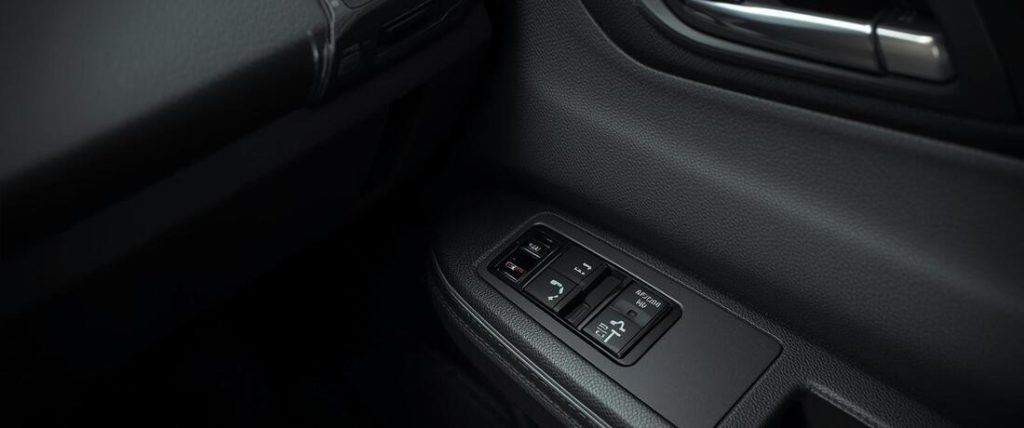
- The Master Switch Assembly: Located on the driver’s door panel, this acts as the primary control hub. It routes power down to the individual passenger doors.
- The DC Window Motor: A small, high-torque electric motor hidden inside the door cavity. It uses polarity reversal—switching which wire receives positive 12V power and which receives ground—to change the spinning direction and move the glass up or down.
- The Window Regulator: The physical scissor-lift mechanism or cable-and-pulley track that clamps onto the bottom of the glass pane and guides it smoothly along the window channels.
- Circuit Protection: Fuses and relays designed to blow or trip if the motor draws too much electrical current, preventing wire harnesses from melting.

The Emergency “Slam Hack” to Roll Up a Stuck Window
If your window motor has a flat spot on its internal carbon brushes, it will completely stop communicating with the switch. You can often trick the motor into working one last time using kinetic force to safely roll the glass up.
The Step-by-Step Emergency Workflow:
- Turn your vehicle’s ignition key to the ON / RUN position (do not crank the engine, just power up the electrical dash modules).
- Press and hold down the window switch in the “UP” position continuously.
- While maintaining hard upward pressure on the switch, open the car door and slam it firmly shut.
- Why this works: The physical vibration of the door slamming often jars the seized electrical brushes inside the 12V DC motor, making a brief contact that allows the motor to spin the regulator and raise the window safely to the top. Once it rolls up, do not touch that switch again until the motor is replaced.
Power Window Diagnostic Matrix
Use this quick-reference chart to cross-examine your symptoms against typical component failures, real-world shop pricing, and immediate safety implications.
| Window Symptom | Probable Culprit | Failure Mechanism | Safety/Security Risk | Est. Shop Repair Cost |
| All doors completely dead | Blown Master Fuse or Relay | Overcurrent spike or dead control module | High (Trapped in cabin / no ventilation) | $20 – $75 |
| One window silent, zero movement | Failed Actuator Motor or Switch | Burned motor windings or oxidized switch contacts | High (If stuck open to weather/theft) | $150 – $350 |
| Motor whirs/grinds, glass sinks | Snapped Regulator Cable | Broken plastic pulleys or frayed steel lifter lines | Critical (Glass can drop into door frame) | $250 – $550 |
| Rear windows fail from back seats only | Child Lockout Switch | Accidental mechanical engagement or shorted lockout circuit | None (User error / bypass available) | $0 (Free DIY) |
| Window moves slowly or stalls halfway | Dry Guide Tracks or Weak Motor | Friction build-up from dirty rubber channels or age | Moderate (Imminent total failure) | $30 (DIY lube) to $300 |

3 Quick Diagnostic Steps to Isolate the Electrical Fault
Before unbolting your door trim panel, you can isolate the electrical root cause from the driver’s seat:
1. Check the Master Window Lock Out Switch
It sounds incredibly simple, but thousands of drivers visit repair shops every year only to find out they accidentally bumped the Window Lock button on the driver’s master control panel. Ensure this switch is disengaged before assuming a mechanical failure.
2. The Dashboard Dome Light Amperage Test
Turn on your vehicle’s interior cabin dome light and watch it closely while you press the failing window switch.
- If the dome light dims slightly: This indicates the switch is healthy and sending a massive 12V current down to the door, but the motor is mechanically locked up or jammed.
- If the dome light does not dim at all: The electrical current is not reaching its destination. You are dealing with a dead window switch, a broken wiring harness inside the door boot, or a blown fuse.
3. The Multi-Switch Verification Test
Attempt to operate the broken window using the driver’s main control panel, and then try using the specific button on the passenger door itself. If the window moves from the driver’s control but not the passenger door, the issue is simply a localized $40 window switch block failure, not a dead motor.
8 Common Causes of Power Window Failure
1. Blown Main Circuit Fuse
If every single window in your vehicle stops moving simultaneously, it is statistically impossible for all four motors to have died at the exact same moment. The circuit has lost its primary power feed.
- The Reality: Fuses blow to protect your car from electrical fires. Look under your steering column or inside the engine bay fuse box for labels marked “WIN,” “PWR WDO,” or “DOOR.” Expert Tip: Never just look at a fuse. A hairline fracture can hide from plain sight. Use a 12-volt test light or a digital multimeter to verify power on both test pins on top of the fuse.
2. Burnt-Out Window Motor
Electric motors rely on internal carbon brushes to pass electricity to a spinning armature. Over time, these brushes wear down to dust, or the internal windings overheat and short out.
- The Symptoms: If you press the switch and hear a single, distinct “click” from inside the door panel but the glass stays completely still, power is successfully reaching a jammed or dead motor.
3. Failed or Carbon-Arced Switch Contacts
Automotive switches are prone to environmental damage. Rain leaking in from an open door or spilled drinks can seep past the plastic trim, causing corrosion or carbon arcing across the copper contact pads inside.
- The Diagnostics: If a passenger window refuses to budge using the driver’s master control panel but operates perfectly from the button on its own door, your passenger motor is fine—the driver’s master switch board has failed internally.
4. Snapped Window Regulator Cables
The regulator holds the heavy weight of the window glass. Many modern vehicles use a system of braided steel cables running over plastic nylon pulleys. Over time, the plastic pulleys crack from UV exposure and stress, causing the cable to jump off track or snap.
- The Symptoms: When you press the button, you will hear the motor spinning smoothly or a loud, messy grinding sound inside the door, but the glass won’t move. In many cases, the glass will slowly slide down into the door frame on its own.
5. Wire Harness Fatigue in the Door Jamb
Every time you open and close your car door, the electrical wiring harness inside the protective rubber accordion boot bends. Over a decade of use, this constant flexing causes the copper strands inside the wires to experience metal fatigue and snap.
- The Clue: The window works intermittently depending on how wide open the door is. Wiggling the rubber boot between the door and the car frame while holding the window button down is a classic way to reveal this break.
6. Track Binding and Friction Overhead
The window glass slides inside rubber channels lined with a soft felt material called run-channels. If road grime, tree sap, or ice builds up in these tracks, it creates immense physical friction. Modern cars have safety pinch-sensors; if the system detects too much resistance, it cuts power to prevent pinching fingers, stopping the window halfway.
- The Fix: Lower the window completely and thoroughly clean the vertical rubber tracks. Spray a generous coat of dry silicone spray lubricant directly into the channels to reduce friction.
7. Engaged Child Safety Lockout
This is the simplest and most common user error. The driver’s master door panel features a window lockout button designed to isolate the passenger and rear seat switches so children cannot tamper with them.
- The Fix: Toggle the switch back and forth firmly. Sometimes dust gets trapped inside the lockout toggle, causing it to remain stuck in the “cut-off” position even when flush.
8. Malfunctioning Power Control Relay
Relays use a small low-amperage current to trigger a heavy mechanical switch that handles high-amperage loads. If the power window relay burns out, power cannot reach the master switch board.
- The Test: Locate the power window relay inside your fuse center. You can temporarily swap it with an identical, non-essential relay from the same block (such as the rear defroster or horn relay) to see if functionality returns.

Step-by-Step Electrical Troubleshooting Guide
If you want to track down the issue like a professional technician before purchasing replacement parts, follow this structured troubleshooting path:
1. Isolate the Fault Boundary
Rule Out User Error
Cycle the child lockout button on and off. Attempt to operate every single window from the driver’s master panel, then walk to each individual door and test its independent switch. Jot down exactly which paths are dead.
2. Verify Circuit Protection
Inspect Power Supply
Consult your owner’s manual to find the dedicated power window fuse. Pull it and test it using a multimeter set to Ohms (Continuity). If resistance reads infinite (∞), the fuse is blown and must be replaced with one of identical amperage.
3. Perform the Sound Test
Acoustic Testing
Turn off your radio, close the vehicle doors, and turn the ignition key to the ‘Run’ position. Press the failing window switch while listening closely to the bottom of the door panel. Listen carefully for an internal motor hum, a physical mechanical click, or absolute silence.
4. Probe for Power at the Motor
Volt Drop Verification
If you are comfortable removing the plastic interior door panel panel clips, unplug the two-wire connector directly at the window motor. Connect a digital voltmeter across the terminals and press the switch. If it reads 12V in one direction and -12V in the other, your switches and wiring are flawless—the motor is internally dead.
Emergency Protocol: How to Raise a Stuck Window
If your window is stuck wide open and rain is actively forecasted, use these temporary methods to protect your interior:
The Palm-Sandwich Mechanical Lift
If the motor is simply weak or has a flat spot on its internal armature, you can sometimes manually assist it:
- Turn the ignition key to the On/Run position.
- Have an assistant hold down the window switch in the Up position.
- Open the door, stand over the frame, and place one flat palm on the inside of the glass and your other palm on the outside.
- Squeeze your hands tightly together to sandwich the glass pane and pull firmly upward toward the roofline while your helper holds the switch.
Warning: Never attempt this if you hear grinding cables inside the door, as forcing the glass can shatter it completely or warp the regulator frame.
The Heavy-Duty Vapor Barrier Solution
If the regulator has snapped and the glass refuses to pull up, slide the window pane as far up as possible by hand and wedge a plastic wedge or folded cardboard between the glass and the lower weatherstripping to hold it temporarily. If it falls back down, overlay a heavy-duty contractor trash bag over the exterior window opening and seal it completely using blue painter’s tape (which leaves no sticky residue on your car’s paintwork).
Preventing System Failure
Like any mechanical system, regular maintenance prevents unexpected failures:
- Twice-Yearly Lubrication: Make it a habit to apply dry silicone spray to your window run channels every spring and fall. This keeps the rubber pliable and significantly lowers the mechanical load on your motor.
- Avoid Freezing Operations: In winter weather, ice often glues the window glass to the outer door moldings. If you press the window button while the glass is frozen shut, the motor will stall and instantly pull maximum current, which can quickly burn out the internal armature windings or blow your main fuse. Clean your windows completely of ice before attempting to roll them down.
FAQs About Power Windows Not Working
How do I fix my power window not working?
First, check the child lock button. Next, check the fuse. If those are good, listen for motor noise. If it makes noise but doesn’t move, you likely need a new regulator.
What causes electric car windows to stop working?
The most common causes are a blown fuse, a bad switch, or a burnt-out window motor. Mechanical regulators also break frequently.
How do I reset my power window?
Roll the window all the way down and hold the button for 5 seconds. Then roll it all the way up and hold for 5 seconds. This resets the “Auto” limits.
Can a single blown fuse stop just one power window from working?
In most US vehicles, the power window circuit utilizes one central high-amperage fuse (typically 30A) to protect the entire network. If only one window fails while the other three operate perfectly, your fuse is completely healthy—the failure is isolated inside that specific door panel.
Is it safe to force a stuck car window up using my bare hands?
If your window regulator utilizes a cable-and-spool design, physically grabbing the glass and forcing it up can snap the plastic internal guide clips or strip the motor gear teeth. Only attempt to pull the glass upward while someone else is actively depressing the power switch to alleviate strain on the gears.
The Bottom Line from the Garage
If none of your windows are responding, always open your engine bay or passenger footwell fuse box first to look for a popped metal filament. If it’s an isolated window, use the door-slam hack to seal your car from elements, then plan a proper inspection of your door’s internal components.
(Want to understand the deeper engineering breakdown behind why these internal components lock up over time? Read our master diagnostic guide on Reasons Why Window Motors and Regulators Fail or explore The Car Buzz Official Editorial Integrity Policy).