
This article was updated in June 30, 2026 with new products and information by Mark S. Taylor
Is your car idling rough, hesitating violently when you accelerate, or burning significantly more fuel than usual? You might have a failing throttle body. The symptoms of a compromised air intake valve can be dangerous and unpredictable, causing everything from a sudden dashboard warning light to catastrophic highway stalls. The symptoms of a bad throttle body can be scary and annoying. I have seen this issue cause everything from a check engine light to dangerous stalls.
As an ASE-Certified Master Technician, I have seen too many drivers spend hundreds of dollars replacing expensive sensors when the real culprit was simply a thick layer of carbon sludge blocking the internal air channels. In this comprehensive workshop guide, we will break down the precise symptoms of electronic throttle failure, map out an accurate diagnostic procedure that works on modern Drive-by-Wire systems, and review the exact step-by-step cleaning routine.
Contents
- 1 What Is a Throttle Body and What Does It Do?
- 2 7 Common Symptoms of a Bad Throttle Body
- 2.1 1. Check Engine Light Illuminated (DTC P0121 or P2135)
- 2.2 2. Rough, Fluctuating, or Erratic Idle
- 2.3 3. Sluggish Performance and Acceleration Hesitation
- 2.4 4. Immediate Engine Stalling at Low Speeds
- 2.5 5. Drastic Reduction in Fuel Economy
- 2.6 6. Unstable, Excessively High Idle Speed
- 2.7 7. Violent Jerking, Bucking, or Lurching While Cruising
- 3 Modern Pro Diagnostics: Isolate the Fault accurately
- 4 DIY Throttle Body Cleaning Pipeline
- 5 US Cost Metrics: Repair vs. Replacement
- 6 FAQ About Symptoms of a Bad Throttle Body
- 7 The Bottom Line
What Is a Throttle Body and What Does It Do?
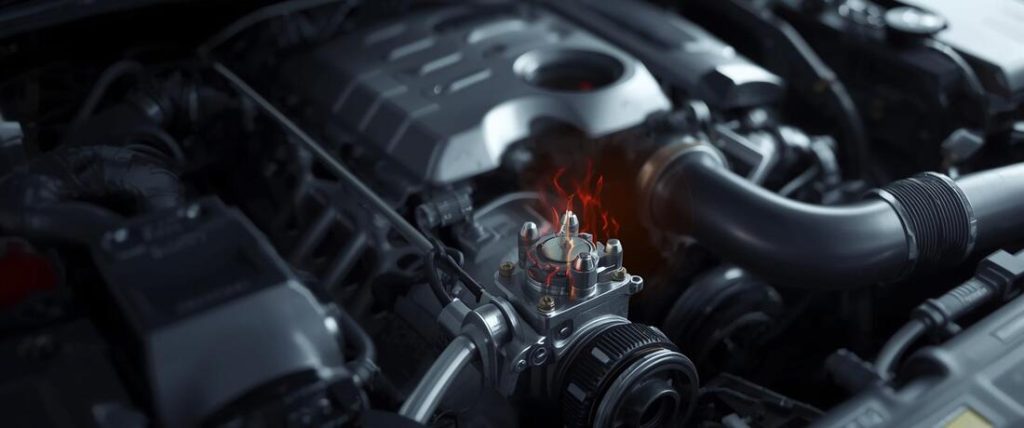
The throttle body is the primary butterfly valve assembly that regulates the precise volume of atmospheric air entering the engine’s intake manifold.
It acts as the engine’s ultimate gatekeeper. In older classic vehicles, a physical steel cable connected your gas pedal directly to this metal flap (Mechanical Throttle).
However, modern production vehicles utilize an Electronic Throttle Body (ETB), often referred to as a Drive-by-Wire system. In this modern loop, when you press the accelerator pedal, a sensor measures the pedal’s physical depth and sends a data packet to the Engine Control Module (ECM). The computer then commands a high-torque electric motor mounted on the side of the throttle body to swing the internal plate open.

7 Common Symptoms of a Bad Throttle Body
1. Check Engine Light Illuminated (DTC P0121 or P2135)
Your vehicle’s computer continuously tracks the correlation between the Throttle Position Sensor (TPS) and the Mass Airflow sensor data. If the ECM commands the butterfly valve to open but detects an airflow mismatch due to carbon blockage or an internal motor short, it instantly triggers a dashboard light.
2. Rough, Fluctuating, or Erratic Idle
When your vehicle is stopped at a red light, the throttle plate must rest at a highly precise micro-gap to let just enough air in to keep the engine idling smoothly. If oil vapors and carbon dirt form a hard ridge around the inner walls, the air gap becomes restricted, causing your RPM needle to jump up and down or shake violently.
3. Sluggish Performance and Acceleration Hesitation
When you step on the gas to merge onto a highway, you need an instant engine response. If the electrical contact tracks inside the integrated TPS sensor are worn out, or the internal nylon gear teeth are stripped, the butterfly valve will lag behind your foot, causing a dangerous acceleration delay.
4. Immediate Engine Stalling at Low Speeds
If the carbon buildup is heavy enough to seal the default idle air gap completely, the moment you drop the throttle to coast to a stop, the engine will instantly suffocate from a lack of oxygen. The engine shuts down silently right as you slow down.
5. Drastic Reduction in Fuel Economy
When the TPS sensor grid fails, it begins sending erratic, noisy voltage signals to the engine computer. Lacking precise data, the ECU defaults to a “fail-safe rich map,” dumping excessive, uncalculated gasoline into the cylinders to prevent engine damage, severely hurting your wallet.
6. Unstable, Excessively High Idle Speed
If your engine is racing at 1,500 to 2,000 RPM while parked without your foot touching the pedal, the throttle plate is likely sticking physically open due to a degraded return spring, or unmetered air is leaking directly past a dry, cracked throttle body mounting gasket.
7. Violent Jerking, Bucking, or Lurching While Cruising
An electronic glitch in the internal actuator motor can cause the throttle plate to snap open and shut rapidly without driver input. This structural fluctuation causes the vehicle to lurch or buck forward aggressively, creating an immediate crash hazard.

Modern Pro Diagnostics: Isolate the Fault accurately
Before buying expensive components, follow this precise technician diagnostic sequence to isolate the failure correctly:
Step 1: Scan for System Calibration Codes
Plug your diagnostic scan tool directly into the OBD2 port beneath the steering column. Scan for stored, pending, or historical trouble codes. Pay close attention to powertrain codes like P0121 (TPS Sensor Circuit Performance) or P2135 (Throttle Position Voltage Correlation).
Step 2: The Electronically Primed Visual Test
Important Safety Rule: On modern Drive-by-Wire cars, you cannot accurately test the throttle plate by simply turning the key to “On” with the engine off; the computer locks out the motor to protect your fingers.
- The Correct Method: Unbolt the rubber air intake duct from the throttle body housing to expose the butterfly plate. Have an assistant start the engine and safely run it at an idle. Use a diagnostic scan tool to monitor Absolute Throttle Position Live Data while your assistant raises the engine RPM slightly. The metal plate should swing smoothly in perfect synchronization with the live tool data readout.
Step 3: Check for Vacuum Path Hissing
With the engine idling, spray a light mist of electronic parts cleaner solvent directly around the mating seam where the throttle body bolts to the plastic intake manifold. If the engine idle speed drops or suddenly smooths out, your throttle body housing is structurally fine, but the rubber gasket underneath has failed and is drawing in raw vacuum air.

DIY Throttle Body Cleaning Pipeline
If your inspection reveals a heavy black layer of soot inside the housing, a simple cleaning will fix the problem 80% of the time.
Necessary Tools & Supplies:
- A specialized can of Throttle Body Cleaner solvent (Never use harsh brake cleaner, as it strips the protective molybdenum coating off the internal walls)
- A clean microfiber rag
- A soft-bristle nylon toothbrush
- Protective nitrile gloves
1. Disconnect the Vehicle Battery: 2 min.
Loosen the negative terminal clamp on your car battery and pull it off the post. This cuts all raw power to the electronic actuator motor, protecting the internal electronics and your hands during the scrub phase.
2.Extract the Air Intake Ducting:5 min.
Use a screwdriver or socket to loosen the metal gear clamps holding the flexible black rubber intake tube to the mouth of the throttle body. Pull the hose off carefully and inspect it for dry-rot holes.
3.Execute a Controlled Chemical Scrub:10 min.
Spray your specialized throttle body cleaner solvent directly onto your microfiber rag or nylon brush. Never spray the solvent directly into the housing, as the fluid can easily seep past the throttle shaft seals and permanently fry the electric motor circuitry inside. Gently wipe and scrub away the black carbon ridge from the walls and the edges of the butterfly valve.
4.Reassemble the Air Path Infrastructure:5 min.
Wipe the entire bore with a dry portion of the rag until the metal shine returns. Slide the rubber air intake hose back onto the housing inlet, tighten the gear clamps securely, and reconnect your battery terminal.
5.Perform the Electronic Throttle Re-Learn Procedure:10 min.
Because you cleaned away the carbon gap restrictions, the computer must re-calibrate its base idle parameters. Start the engine and let it idle completely undisturbed for 10 minutes without touching the radio, A/C, or gas pedal. Turn the engine off for 1 minute, restart it, and take a short test drive to confirm the smooth idle has returned.
US Cost Metrics: Repair vs. Replacement
| Service Pathway | Average DIY Parts Cost | Professional Shop Bill (Labor Included) | Operational Skill Level |
| Throttle Body Cleaning Loop | $10 (Can of solvent) | $75 – $200 | Beginner Driveway Task |
| Throttle Position Sensor (TPS) | $45 – $90 | $150 – $320 | Intermediate |
| Complete Electronic Throttle Body | $120 – $350 | $300 – $650 | Intermediate |
| Intake Manifold Gasket Swap | $15 – $40 | $180 – $400 | Advanced Engine Work |
FAQ About Symptoms of a Bad Throttle Body
How can you tell if your throttle body is bad?
A bad throttle body makes the car run rough. You will see a check engine light. The car may stall at a stop. It will not speed up fast when you press the gas pedal.
Can a dirty throttle body cause jerking when accelerating?
Yes, a bad throttle body hurts the idle. Dirt blocks the small air gap. This makes the engine shake or stall when you stop. The idle speed goes up and down a lot.
Does a bad throttle body affect idle?
Yes, a bad throttle body hurts the idle. Dirt blocks the small air gap. This makes the engine shake or stall when you stop. The idle speed goes up and down a lot.
What are the symptoms of a bad throttle body gasket?
A bad throttle body gasket lets extra air in. You will hear a loud hiss sound. The engine will run too fast at a stop. The check engine light will turn on soon.
What are the first signs of a bad throttle body?
The first signs are small. You feel a tiny shake at a red light. The gas mileage drops a bit. You might feel a lag when you step on the gas. Fix it now to save cash.
The Bottom Line
A malfunctioning throttle body severely compromises your engine’s ability to breathe properly. Ignoring a fluctuating idle or acceleration flat spots will rapidly waste expensive fuel, accelerate internal engine carbon fouling, and risk triggering a sudden stall in fast highway traffic. Spend an hour executing a proper visual inspection, read your live trim parameters, and clear away the internal soot early to safeguard your vehicle’s safety margins.
Intake System Diagnostics: If your throttle body cleaning is complete but your engine continues to register unmetered air imbalances or severe stalling tendencies, check our diagnostic guide on How to Read Check Engine Light Codes Without a Scannerto check for underlying powertrain faults. For alternative wheel tracking issues or transmission-related speed calculation codes, read our comprehensive guide on the Symptoms of a Bad Speed Sensor.