
This article was updated in April 10, 2026 with new products and information by Mark S. Taylor
Is your car overheating or leaking coolant? A failing water pump could be the culprit. The symptoms of a bad water pump are clear if you know what to look for. This part is the heart of your cooling system. If it fails, your engine can get very hot. We will cover the signs, costs, and when to act. Spotting these signs early can save you from a massive repair bill.

Contents
- 1 What Does a Water Pump Do?
- 2 7 Common Symptoms of a Bad Water Pump
- 3 Water Pump vs. Thermostat vs. Radiator Cap: How to Tell the Difference
- 4 How to Diagnose a Failing Water Pump
- 5 Water Pump Replacement Cost
- 6 How Long Does a Water Pump Last?
- 7 Can You Drive with a Bad Water Pump?
- 8 How to Prevent Water Pump Failure
- 9 FAQs About Symptoms of a Bad Water Pump
- 10 Bottom Line: Don’t Ignore These Warning Signs
What Does a Water Pump Do?
The water pump moves coolant through the engine to keep it cool. It pushes the fluid from the radiator into the engine block. The fluid picks up heat and carries it away. Without this flow, the engine gets too hot. Most pumps last between 60,000 and 90,000 miles. It is a critical part for your car’s health.
7 Common Symptoms of a Bad Water Pump
1. Coolant Leak Near the Front of the Engine
A puddle under the front of your car is a major sign. Water pumps have a “weep hole.” This hole drips coolant when the internal seal fails. You might see green, orange, or pink liquid on the ground. The gasket might also wear out and leak. How to check: Look for dried coolant trails on the pump housing. Urgency: High. Fix the leak to avoid overheating.
2. Engine Overheating
The temperature gauge going into the red is a serious warning. The water pump might not be moving enough coolant. The dashboard warning light may also turn on. You might see steam coming from the hood. This means the engine is running too hot. How to check: Watch the gauge while driving. Urgency: Critical. Pull over immediately to prevent damage. Learn more about what to do when your car overheats.
3. Grinding or Whining Noise from Engine
A loud noise from the front of the engine is a bad sign. It often sounds like a whine or a grind. This noise usually means the bearing inside the pump is worn out. The sound gets louder as you rev the engine. It might sound like metal rubbing on metal. How to check: Listen near the front of the engine bay. Urgency: Medium to High. The pump could seize up soon.
4. Steam Rising from Radiator
Seeing steam is never a good thing. This happens when coolant boils over. The pump is not circulating the fluid, so it gets too hot. You will likely smell something sweet like syrup. This is the antifreeze burning. How to check: Look for steam when you stop the car. Urgency: Critical. Stop driving right away.
5. Wobbling or Loose Water Pump Pulley
The pulley on the pump should spin straight. If it wobbles, the shaft is bent or the bearing is shot. You might see the belt shaking too. A loose pulley can throw the serpentine belt off. How to check: Look at the pulley with the engine off. Wiggle it gently with your hand. Urgency: High. The pump needs replacement soon.
6. Rust or Corrosion on the Water Pump
Look at the pump itself. Do you see rust or white crusty buildup? This means coolant has been leaking slowly. Corrosion eats away at the metal housing. It means the pump is old and failing. How to check: Use a flashlight to look behind the pulley. Urgency: Medium. Plan to replace it soon.
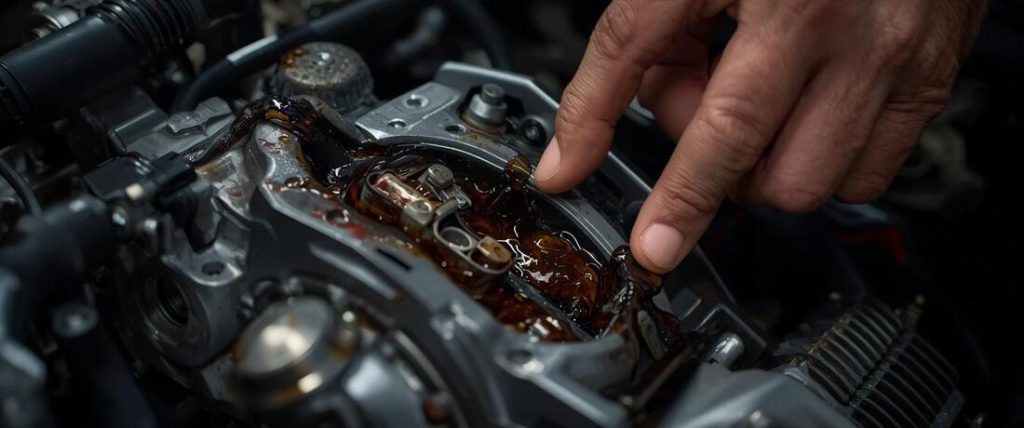
7. Coolant Mixing with Oil (Rare but Serious)
This is a worst-case scenario. If the seal fails inside, coolant can mix with engine oil. Check your oil dipstick. Does the oil look like a milky milkshake? This means water is in the oil. How to check: Pull the dipstick and look at the color. Urgency: Critical. Stop driving the car immediately.
Water Pump vs. Thermostat vs. Radiator Cap: How to Tell the Difference
It can be hard to know which part is bad. Use this table to help you guess.
| Symptom | Water Pump | Thermostat | Radiator Cap |
|---|---|---|---|
| Coolant Leak | Leak at front of engine | No leak | Leak near cap or overflow |
| Noise | Grinding/whining | Silent | Silent |
| Overheating | Constant or random | Rapid spikes | Slow boil over |
| Heat in Cabin | Low heat | Low heat then normal | Normal |
| Visuals | Wobbly pulley, rust | No visual signs | Rust on cap neck |
How to Diagnose a Failing Water Pump
You can check the water pump yourself with simple tools. Start with a visual inspection. Look for leaks or crusty residue around the pump. Check the pulley for wobble. Squeeze the upper radiator hose to feel if coolant is flowing. Listen for the whining noise when the car runs. You can also check the coolant level. If it drops often but you see no leak, the pump might be burning it. For a sure answer, a mechanic can do a pressure test. This finds hidden leaks. If you are unsure, it is best to see a pro.
Water Pump Replacement Cost
Average Cost Breakdown
Replacing a water pump is a standard repair. It is not cheap, but it is necessary.
- Parts: $50–$300
- Labor: $200–$600
- Total: $250–$900
Factors That Affect Cost
The price changes based on the car. Luxury cars cost more. You can choose OEM or aftermarket parts. OEM parts last longer but cost more. If the water pump is driven by the timing belt, the cost goes up. Mechanics often replace both at the same time. This adds $300–$800 to the bill. Dealerships charge more than local shops.
Can You Replace a Water Pump Yourself?
This is an intermediate to advanced job. You need good tools and a repair manual. It usually takes 2 to 4 hours. You have to drain the coolant and remove belts. If you make a mistake, you can cause engine damage. If your pump is hard to reach, hire a professional.
How Long Does a Water Pump Last?
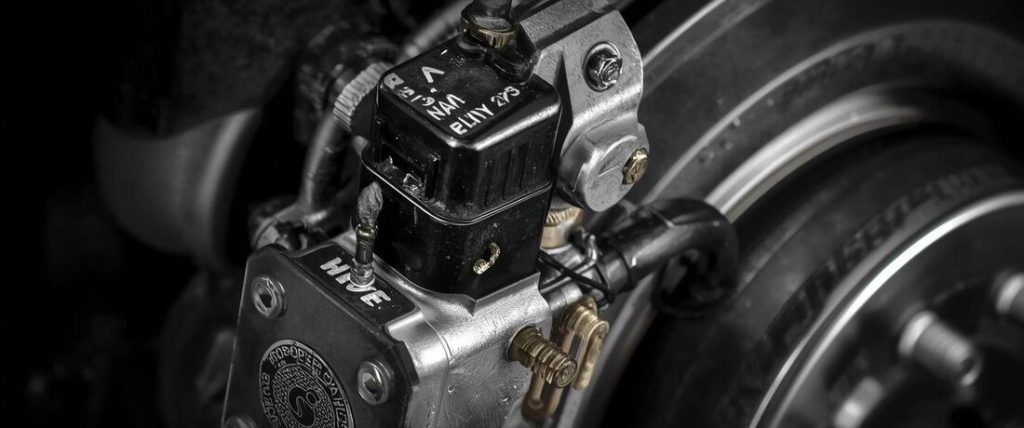
Most water pumps last a long time. The typical lifespan is 60,000 to 90,000 miles. Cheap parts or bad coolant can make it fail sooner. Rust and corrosion also shorten its life. Many mechanics suggest replacing the pump preventively. If you replace the timing belt, replace the pump too. This saves on labor costs later.
Can You Drive with a Bad Water Pump?
The short answer is no. You should not drive with a bad water pump. If the pump fails, coolant stops moving. The engine will overheat in minutes. This can warp the cylinder head or crack the engine block. These repairs cost thousands of dollars. If the pump fails while you are driving, pull over safely. Turn off the engine and call for a tow. It is not worth the risk.
How to Prevent Water Pump Failure
You can help your water pump last longer. Always use the correct coolant type. Flush the cooling system on schedule. Old coolant gets acidic and eats the seals. Have the pump inspected during routine maintenance. If you have a timing belt, change the pump with it. This prevents a double repair bill later. For safe driving tips, check resources from the National Highway Traffic Safety Administration.
FAQs About Symptoms of a Bad Water Pump
How can you tell if your water pump is bad?
Look for coolant leaks at the front of the engine. Listen for a whining noise. Watch for the engine overheating or steam coming from the radiator.
How can I test my water pump?
You can do a visual check for leaks and wobble. You can also squeeze the radiator hose to feel for flow. A mechanic can use a pressure test to confirm a failure.
How does a car act when a water pump is going out?
The car will often overheat. You may hear a high-pitched whine from the engine bay. You might also see puddles of coolant under the car.
Can a water pump be bad without leaking?
Yes. The bearings can wear out and make noise without leaking. The impeller inside can also break, stopping flow without an external leak.
What happens if you ignore a bad water pump?
The engine will overheat. This leads to major damage like a blown head gasket or a cracked block. The repair cost will jump from hundreds to thousands of dollars.
Bottom Line: Don’t Ignore These Warning Signs
A bad water pump can destroy your engine fast. Watch for the top three signs: a coolant leak, overheating, or a whining noise. If you see these, act fast. Getting a diagnostic check early can save you money. Replacing a pump is much cheaper than fixing an engine. Do not wait until you are stuck on the side of the road.
Need help? Find a trusted mechanic near you to inspect your cooling system.
Quick Summary
- The function: The water pump keeps coolant moving to stop overheating.
- Top signs: Look for leaks, noise, and a rising temperature gauge.
- Visual check: Inspect the pulley for wobble and the pump for rust.
- Replacement cost: Expect to pay between $250 and $900 at a shop.
- Lifespan: Most pumps last between 60,000 and 90,000 miles.
- Risk: Driving with a bad pump can cause severe engine damage.
- Prevention: Flush coolant regularly and replace the pump with the timing belt.