
This article was updated in April 16, 2026 with new products and information by Mark S. Taylor
Chasing more engine power often leads to tough legal choices. Many truck and car owners ask what is an EGR delete to get better performance. As a mechanic who has built many rigs, I have seen the good and bad sides of this mod. This guide explains the parts, the real gains, and the strict laws you must know. Check out our engine tuning guides for safe ways to add power.
Contents
- 1 What Does EGR Stand For?
- 2 What Is an EGR Delete Kit?
- 3 Why Do People Delete Their EGR?
- 4 Benefits of EGR Delete
- 5 Drawbacks and Risks of EGR Delete
- 6 Is EGR Delete Legal?
- 7 How Much Does an EGR Delete Cost?
- 8 EGR Delete vs EGR Bypass vs EGR Disable
- 9 How to Install an EGR Delete Kit (Overview)
- 10 FAQs About What Is an EGR Delete
- 11 The Bottom Line
What Does EGR Stand For?
EGR stands for Exhaust Gas Recirculation, which lowers engine heat to reduce smog. It takes some of your exhaust gas and sends it back into the engine. This sounds bad, but it has a purpose. The hot exhaust gas takes up space in the cylinder. This lowers the peak heat of the combustion chamber. Less heat means the engine makes less nitrogen oxide. Nitrogen oxide is a bad gas that causes smog. Car makers add this part so the car can pass strict emissions rules. You can learn more about how car engines work to see the full picture.
What Is an EGR Delete Kit?
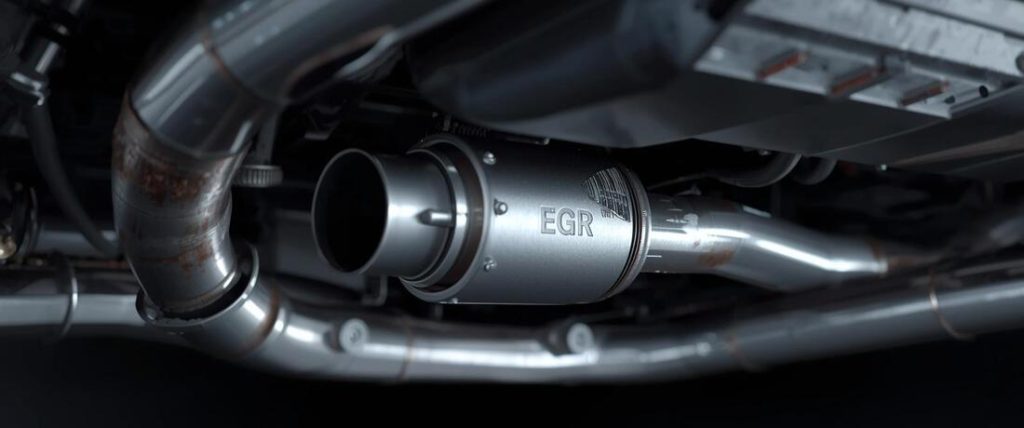
An EGR delete kit removes the factory emissions parts and blocks the exhaust gas from going back into the engine. The kit usually has metal block-off plates and new pipes. You take off the EGR valve and the EGR cooler. Then you bolt the plates over the holes. This stops the exhaust from flowing backward. Some people confuse this with a simple software flash, but a true delete means physically removing the parts. A full delete takes the parts out. A bypass keeps the parts but plugs the hoses. A disable just uses a computer tune modification to turn the valve off.
Why Do People Delete Their EGR?
People delete their EGR system to fix constant breakdowns and gain more engine power. The EGR system runs dirty exhaust gas through delicate valves. Over time, this soot clogs the valve. It gets stuck open or closed. This causes rough idling, stalling, and a check engine light. Taking the truck to the dealer for this fix costs a lot of money. Drivers get tired of paying for these repairs. They also know that removing the part frees up clean air flow for more power.
Benefits of EGR Delete
The main benefit of an EGR delete is more horsepower and much lower repair bills. Taking off the emissions parts changes how the engine runs. Most of these changes are good for performance. Here is what you can expect.
Increased Engine Power
An EGR delete increases horsepower by giving the engine fresh air instead of hot exhaust. When the EGR is gone, the engine only pulls in clean oxygen from outside. More oxygen means the fuel burns much faster and stronger. This gives you a noticeable boost in power. It makes towing heavy loads much easier.
Better Fuel Economy (With Caveats)
An EGR delete can improve your miles per gallon by making the engine run more efficiently. Pure air burns better than air mixed with exhaust. Your engine does not have to work as hard. You might save one or two miles per gallon. But, many drivers drive harder to hear the new power. If you drive aggressive, you will not save any fuel.
Lower Engine Temperatures
Removing the EGR system lowers engine temperatures by stopping hot exhaust from entering the intake. Exhaust gas is extremely hot. Pushing it back into the engine makes the whole motor run hotter. Blocking this hot gas keeps the intake air cool. Cool air is much better for your engine. This helps a lot when you are pulling a heavy trailer up a hill.
Reduced Maintenance Costs
An EGR delete stops expensive repair bills by removing the part that fails the most. EGR valves and coolers are known to break. Replacing a factory EGR cooler can cost over a thousand dollars. By deleting it, you never have to fix it again. You also save money on engine oil changes. The oil stays cleaner much longer without exhaust soot blowing past the valves. Read about common diesel engine problems to see how often this fails.
Longer Engine Life
An EGR delete can make your engine last longer by keeping carbon buildup out of the cylinders. Exhaust gas is full of black soot. This soot coats the intake valves and cylinder walls over time. It acts like sandpaper and wears the engine down. Without the EGR, the inside of your motor stays clean and free from this nasty carbon build-up.

Drawbacks and Risks of EGR Delete
The biggest drawback of an EGR delete is that it breaks federal law and will void your car warranty. You must weigh these risks before you cut any pipes. The problems go far beyond just the engine.
It’s Illegal Under Federal Law
An EGR delete is a federal crime because it removes mandated emissions equipment. The Clean Air Act makes it illegal to tamper with emissions. You cannot legally drive a deleted car on a public road. The EPA enforces this rule very strictly.
Voids Your Warranty
An EGR delete will instantly void your powertrain warranty if the dealer sees it. If your engine blows up, you pay for it. The dealer will see the missing parts or the tuned computer. They will deny your warranty claim on the spot. This can cost you thousands of dollars if a major part fails.
Failed Emissions Tests
You will fail any state smog test if you have an EGR delete. Most states check for working emissions parts. The computer will throw a code if the EGR is missing. You will not be able to register your car or get new license plates. Check your state vehicle emission laws before you do this mod.
Potential Engine Damage
Removing the EGR can sometimes cause engine damage by raising cylinder pressures. The EGR valve actually slows down the burn rate of the fuel. Without it, the fuel burns much faster. This creates higher peak pressure inside the cylinder. In some gas engines, this can cause bad engine knock. Engine knock can melt pistons and ruin the motor.
Insurance Complications
An illegal EGR delete can cause your car insurance company to deny a crash claim. If you get into a bad wreck, the insurance adjuster will inspect the car. If they find illegal mods, they might drop your coverage. They can refuse to pay for your car or the other driver’s car. This is a massive financial risk to take.
Lower Resale Value
A deleted truck is much harder to sell because normal buyers want a legal, stock car. Most people will not buy a car that cannot pass emissions. A dealer will not take it as a trade-in. You are stuck selling it privately to a very small group of buyers. This drops the resale value of your vehicle a lot.

Is EGR Delete Legal?
An EGR delete is illegal for any vehicle driven on a public road in the United States. Federal rules from the EPA ban the removal of these parts. State police and highway patrols enforce these rules on the street. If a cop checks under your hood, you can get a massive fine. These fines can reach up to $25,000 for a shop, or thousands for a driver. The only legal exemption is for pure off-road vehicles. This means farm tractors or race cars that never touch a public street. You can read the EPA tampering penalties to see the exact laws.
How Much Does an EGR Delete Cost?
An EGR delete costs between $200 and $1,500 depending on your vehicle type and who installs it. The parts are not too expensive. The labor is what costs the most money. Here is a quick look at the average prices.
| Vehicle Type | Kit Cost | Labor Cost | Total Cost |
|---|---|---|---|
| Diesel Truck | $300 – $800 | $300 – $700 | $600 – $1,500 |
| Gas Car | $100 – $300 | $150 – $400 | $250 – $700 |
| DIY Install | $100 – $800 | Free | $100 – $800 |
A full kit for a diesel truck costs more because the pipes are bigger. Gas car kits are cheaper and easier to build. If you can turn a wrench, doing it yourself saves a ton of cash.
EGR Delete vs EGR Bypass vs EGR Disable
An EGR delete physically removes the parts, while a bypass or disable just stops them from working. All three methods still break federal law. But they work in very different ways. You should know the difference before you buy parts.
| Method | How It Works | What It Does | Best For |
|---|---|---|---|
| Full Delete | Removes parts, blocks holes | Full power gain | Dedicated off-road rigs |
| Bypass | Blocks flow, keeps parts | Stops clogging | Hidden look |
| Disable | Software turns valve off | Valve stays shut | Easy reversibility |
A full delete gives you the most power. A bypass keeps the engine bay looking stock for sneaky mods. A software disable is the easiest because you just plug in a tuner. But a disable does not stop carbon buildup on the intake manifold like a physical delete does.
How to Install an EGR Delete Kit (Overview)
Installing an EGR delete kit involves removing intake parts, taking out the valve, and sealing the holes with plates. This is a moderate job for a home mechanic. You need basic hand tools, a socket set, and safety glasses.
First, you disconnect the battery. Next, you remove the intake tubes to access the EGR valve. Then, you unbolt the EGR valve and the cooler from the engine block. You scrape off the old gasket material. After that, you bolt the block-off plates over the holes. Finally, you reinstall the intake pipes. You must plug a computer tuner into the OBD2 port. This tells the engine computer to ignore the missing EGR valve. A pro shop can do this in three to four hours. Doing it yourself in your driveway might take a whole Saturday afternoon.
FAQs About What Is an EGR Delete
Is an EGR delete a good idea?
It is only a good idea for pure off-road race trucks. It is a bad idea for daily driven street cars because of the strict legal risks.
Is an EGR delete illegal?
Yes, it is strictly illegal under the federal Clean Air Act to remove emissions equipment from street vehicles.
How much does an EGR delete cost?
A full EGR delete with parts and labor costs between $600 and $1,500 for most diesel trucks.
Does EGR reduce engine life?
Yes, the EGR system can reduce engine life by pushing dirty soot into the intake, which causes carbon buildup over time.
Does EGR delete increase HP?
Yes, an EGR delete increases horsepower by letting the engine burn pure, cool air instead of hot exhaust gas.
The Bottom Line
The bottom line is that EGR deletes offer real power gains but carry severe legal and financial risks. Your truck will run cooler, stronger, and cleaner on the inside. But the legal issues are not up for debate. You will break federal law and void your warranty. For most daily drivers, keeping the stock system is the smartest and safest choice. If you want more power, look into legal performance upgrades instead of deleting emissions parts.
Quick Summary
- An EGR delete removes parts that put exhaust gas back into the engine.
- The main benefits are more power, cooler temps, and fewer clogged valves.
- It is highly illegal to drive a deleted car on public roads in the USA.
- Deleting the EGR will instantly void your factory car warranty.
- You will fail state emissions and smog tests.
- A full delete costs between $600 and $1,500 for most trucks.
- Keep your EGR system intact if you drive on public streets.