
This article was updated in August 6, 2026 with new products and information by Mark S. Taylor
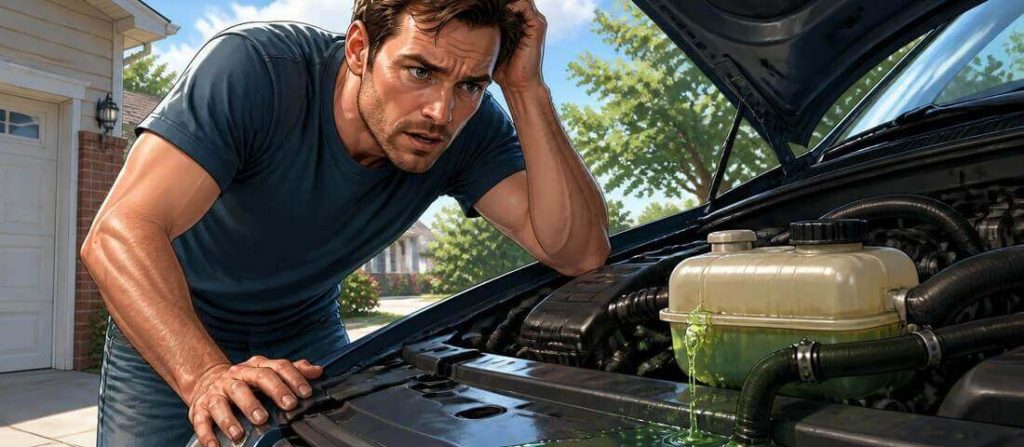
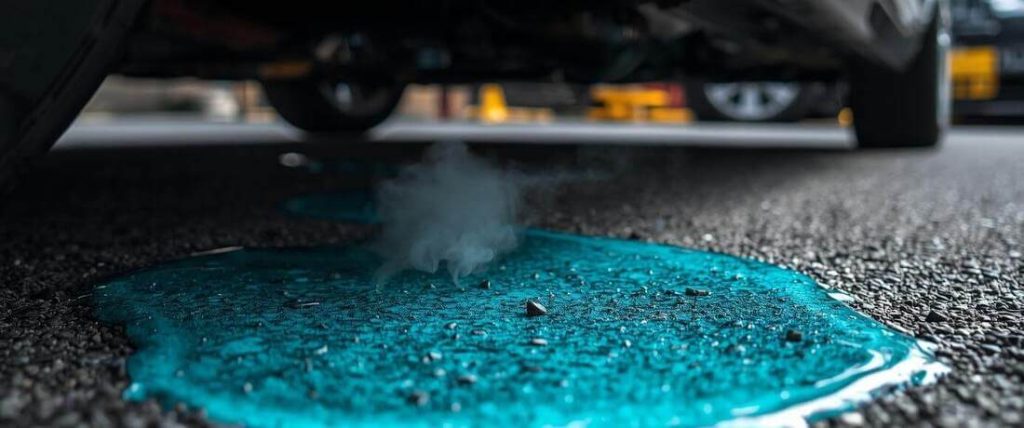
So, you’ve noticed a green, orange, or pink puddle under your car, or perhaps a sweet smell in the air, and your heart sinks. A coolant leak. Your immediate thought is probably, “How long can I drive with a coolant leak?” Let me tell you straight: a coolant leak is not something to take lightly. It’s not just an inconvenience; it’s a direct threat to your engine’s life. I’ve seen countless engines cooked because a driver thought they could push it “just a little further.” This isn’t a problem that fixes itself. We’re going to break down the real risks, how to tell how bad it is, and exactly what you need to do to avoid turning a repair into a complete engine replacement.
Contents
- 1 The Job of Your Cooling System: Why Coolant Matters
- 2 Your Dashboard’s Verdict: Temperature Gauge & Warning Lights
- 3 The Mechanic’s Urgent Decision: Three-Tier Leak Urgency Guide
- 4 What Happens When Your Engine Overheats? (The Damage Report)
- 5 Roadside Emergency: What to Do (And What NOT to Do)
- 6 Common Causes of Coolant Leaks (Where to Look)
- 7 Repair Cost Breakdown: Fixing a Coolant Leak
- 8 FAQs About How Long Can I Drive With a Coolant Leak?
- 8.1 Q: Can I just use water instead of coolant to top off?
- 8.2 Q: Are those “radiator stop leak” products effective?
- 8.3 Q: What do the different coolant colors mean (green, orange, pink)?
- 8.4 Q: Can a small coolant leak cause my car to overheat if the temperature gauge stays normal?
- 8.5 Q: Is it okay to add coolant to a hot engine?
- 9 The Verdict: Don’t Risk It, Get It Fixed
The Job of Your Cooling System: Why Coolant Matters
Think of your engine as a controlled explosion happening thousands of times a minute. That generates a lot of heat. Without a way to manage it, your engine would quickly melt itself into a very expensive paperweight. That’s where your cooling system comes in. Coolant, a mix of antifreeze and water, circulates through your engine, absorbing that intense heat. It then travels to the radiator, where air flowing over the fins cools it down, and then it goes back to the engine to repeat the process. Coolant isn’t just plain water; it’s specially formulated with additives to prevent freezing, boiling, and corrosion. When it leaks out, your engine loses its primary defense against destructive heat.
Your Dashboard’s Verdict: Temperature Gauge & Warning Lights
Your car’s dashboard isn’t just for looks; it’s your early warning system. When it comes to your cooling system, the temperature gauge is your best friend. Normally, that needle should sit right in the middle. If it starts creeping towards the ‘H’ or into the red zone, you’re in trouble. Even if you don’t see steam, a high-reading gauge means your engine is getting dangerously hot.
Many newer cars also have a dedicated coolant temperature warning light, usually shaped like a thermometer submerged in wavy lines. If this light comes on, especially if it’s red, you’re already past the point of casual concern. The needle moving into the red is your absolute last warning before serious damage begins. Don’t wait for the engine to start steaming from under the hood; your car is telling you something now.
The Mechanic’s Urgent Decision: Three-Tier Leak Urgency Guide
When a customer calls me about a coolant leak, my first questions are about the severity and the temperature gauge. Based on those answers, here’s my no-nonsense guide for what you should do:
Tier 1: Stop Driving Immediately (Code Red)
- Leak Description: Gushing stream, large puddle forming rapidly, or steam/smoke billowing from under the hood. You’re losing coolant fast.
- Temperature Gauge: High (approaching or in the red zone).
- Warning Lights: Coolant temperature warning light is ON.
- Driver Experience: You might smell burning, hear odd engine noises, or feel a significant loss of power.
- My Verdict: Pull over to a safe spot, turn off the engine immediately. Do not try to drive it another inch, even to the next exit or around the corner. You are actively destroying your engine. Call a tow truck. Period. Trying to drive this will lead to a seized engine, warped cylinder heads, or a blown head gasket, turning a few hundred dollar repair into thousands, or even a total loss.
Tier 2: Caution – Drive Only to the Nearest Safe Location (Code Yellow)
- Leak Description: Steady drip, visible small puddle after parking, or you need to add coolant frequently (daily or every few days). No visible steam while driving.
- Temperature Gauge: Fluctuating, slightly above normal, or occasionally spikes before coming back down. It’s not in the red, but it’s not stable in the middle either.
- Warning Lights: Might be off, or occasionally flicker.
- Driver Experience: No obvious signs of overheating beyond the leak itself.
- My Verdict: This is a precarious situation. If you are very close to home or a trusted mechanic (within a few miles), you might be able to drive it, but with extreme caution. Watch that temperature gauge like a hawk. Drive slowly, avoid hills, and use your heater on full blast (it helps pull heat away from the engine). Have extra coolant (or water) with you and be prepared to stop and top off if the gauge rises. But honestly, your best bet is still a tow, or at minimum, get it checked out within hours, not days. The engine is losing coolant, and it’s just a matter of time before it reaches Code Red.
Tier 3: Monitor Closely – Get Checked Soon (Code Green)
- Leak Description: Very slow, intermittent drip (e.g., a few drops overnight), or you only need to add a small amount of coolant every week or two.
- Temperature Gauge: Stable, always in the normal range.
- Warning Lights: Off.
- Driver Experience: No noticeable changes in driving performance or engine behavior.
- My Verdict: While less urgent, this is still a leak, and leaks get worse. You can probably drive it for a bit, but don’t ignore it. It’s safe to drive to your mechanic for an inspection at your earliest convenience – within a week, not a month. A small leak now is a simple hose clamp or a minor part; if you wait, it becomes a bigger, more urgent problem. Schedule a diagnostic check to pinpoint the source of the leak before it escalates.
What Happens When Your Engine Overheats? (The Damage Report)
So, what’s the big deal if that temperature needle creeps up? It’s not just a warning; it’s the sound of money leaving your wallet at an alarming rate. When your engine overheats, it’s not simply “hot”; it’s experiencing extreme thermal stress that metal components aren’t designed to handle. Here’s the damage report:
- Blown Head Gasket: This is the most common and costly outcome. The head gasket seals the combustion chambers and coolant passages between the engine block and cylinder head. Extreme heat can warp the cylinder head or block, causing the gasket to fail. Coolant can then mix with oil, or exhaust gases can enter the cooling system. This often means a milky substance in your oil or white smoke from your exhaust.
- Warped Cylinder Head: Aluminum cylinder heads are particularly susceptible to warping under extreme heat. Once warped, they can’t create a proper seal, leading to persistent leaks and misfires. Machining the head flat can sometimes fix it, but often replacement is needed.
- Cracked Engine Block or Cylinder Head: In the most severe cases, the metal itself can crack. This is catastrophic. A cracked block usually means the engine is toast and needs to be replaced entirely, which is effectively buying a new car without the body.
- Damaged Bearings: The oil inside your engine loses its lubricating properties at extremely high temperatures. This can lead to excessive friction on critical components like connecting rod bearings and crankshaft bearings, causing them to wear rapidly and eventually seize the engine.
- Piston and Cylinder Wall Damage: Overheating can cause pistons to expand unevenly, scouring the cylinder walls. This leads to loss of compression, excessive oil consumption, and significant power loss.
It’s not just a “blown engine”; it’s metal distorting and cracking under extreme stress, often making the engine irreparable. A small coolant leak is a cheap fix; ignoring it until the engine overheats turns it into a four-figure nightmare.
Roadside Emergency: What to Do (And What NOT to Do)
If your temperature gauge shoots into the red or that warning light flashes on, here’s my immediate advice:
- Pull Over Immediately: Find the nearest safe spot and pull over. Do not try to make it home or to a distant shop.
- Turn Off the Engine: Once safely stopped, turn off the engine. Let it cool down for at least 20-30 minutes.
- DO NOT Open the Radiator Cap or Reservoir Cap if Hot: This is critical. The cooling system is under pressure when hot, and opening the cap can release scalding steam and coolant, causing severe burns. Wait until the engine is completely cool before attempting to check the coolant level.
- Visually Inspect (from a distance): While waiting, you can cautiously look for obvious signs of a leak – puddles, steam from a hose or radiator, a sweet smell.
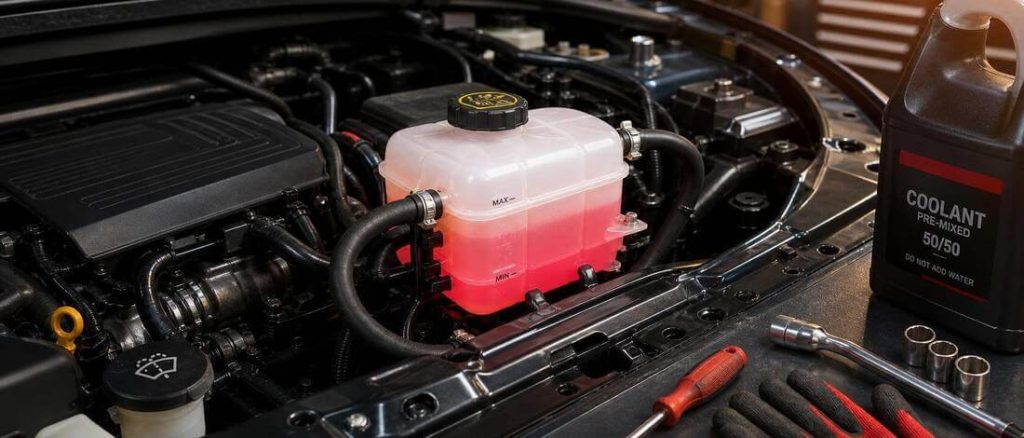
- Add Coolant (Only When Cool): Once the engine is cool, carefully open the reservoir cap (or radiator cap if your car doesn’t have a separate reservoir) and add a 50/50 mix of the correct coolant. If you don’t have coolant, plain water is better than nothing in an emergency, but remember to flush and replace with proper coolant ASAP.
- Attempt to Drive (with Extreme Caution): If the leak seems minor and the gauge stays normal after refilling, you might try to drive to the nearest shop, watching the temperature gauge constantly. If it starts to climb again, pull over immediately.
- Call for a Tow: If the leak is significant, the gauge goes straight back into the red, or you’re unsure, save your engine. Call a tow truck.
Common Causes of Coolant Leaks (Where to Look)
Coolant leaks often stem from common points of failure in the cooling system. Here are the usual suspects:
- Radiator Hoses: These rubber hoses carry coolant to and from the radiator. Over time, they can become brittle, crack, or soften, leading to leaks, especially at their connections.
- Radiator: Made of aluminum or plastic, radiators can develop cracks in their plastic end tanks or corrode, causing pinhole leaks in the core. Road debris can also puncture them.
- Water Pump: The water pump circulates coolant. Its seals or bearings can wear out, leading to a leak that often drips from the front of the engine.
- Thermostat Housing: This is where the thermostat is located, controlling coolant flow. It can crack or its gasket can fail, causing leaks.
- Heater Core: Located inside your dashboard, the heater core uses engine coolant to heat your cabin. A leak here means a sweet smell inside the car, fogging windows, and a damp passenger-side floorboard.
- Reservoir (Expansion Tank): The plastic reservoir that holds excess coolant can crack due to age or stress.
- Head Gasket: As mentioned, a blown head gasket can leak coolant externally (down the side of the engine) or internally (into the oil or combustion chambers). Many leaks start small and are often due to old, brittle rubber hoses or plastic components.
Repair Cost Breakdown: Fixing a Coolant Leak
The cost to fix a coolant leak depends entirely on the source. A simple hose might be pocket change, but a head gasket is a different story. Here’s a realistic look at potential repair costs (parts and labor) for common coolant leak culprits.
| Repair Item | Average Parts Cost | Average Labor Cost | Total Cost Range |
|---|---|---|---|
| Hose Replacement | $20 – $80 | $50 – $150 | $70 – $230 |
| Radiator Cap | $15 – $40 | $0 (DIY) | $15 – $40 |
| Radiator Replacement | $150 – $400 | $200 – $500 | $350 – $900 |
| Water Pump Replacement | $80 – $300 | $250 – $700 | $330 – $1,000 |
| Thermostat/Housing | $30 – $100 | $100 – $300 | $130 – $400 |
| Coolant Reservoir | $50 – $150 | $50 – $150 | $100 – $300 |
| Heater Core Replacement | $100 – $300 | $400 – $1,000+ | $500 – $1,300+ |
| Head Gasket Replacement | $100 – $300 (gasket set) | $1,000 – $2,000+ | $1,100 – $2,300+ |
| Diagnostic Fee | N/A | $80 – $150 | $80 – $150 |
Remember: A diagnostic fee, typically $80-$150, is money well spent. It ensures your mechanic accurately identifies the leak, preventing you from replacing parts that aren’t actually broken. A head gasket job is basically an engine rebuild; it’s expensive because of the massive amount of labor involved to tear down and reassemble the top end of your engine.
FAQs About How Long Can I Drive With a Coolant Leak?
Q: Can I just use water instead of coolant to top off?
A: In a true emergency to prevent overheating, yes, water is better than nothing. However, water doesn’t have the same boiling point, freezing point, or corrosion inhibitors as proper coolant. It will eventually cause rust and sediment in your system. If you use water, get your system flushed and refilled with the correct coolant as soon as possible.
Q: Are those “radiator stop leak” products effective?
A: Radiator “stop leak” products are a temporary, last-resort fix. They work by clogging small holes, but they can also clog other vital parts of your cooling system, like the heater core or even radiator fins, leading to more expensive problems down the line. They are not a long-term solution and can sometimes cause more problems than they solve. Use them only if stranded and you absolutely must drive a short distance, then get a proper repair.
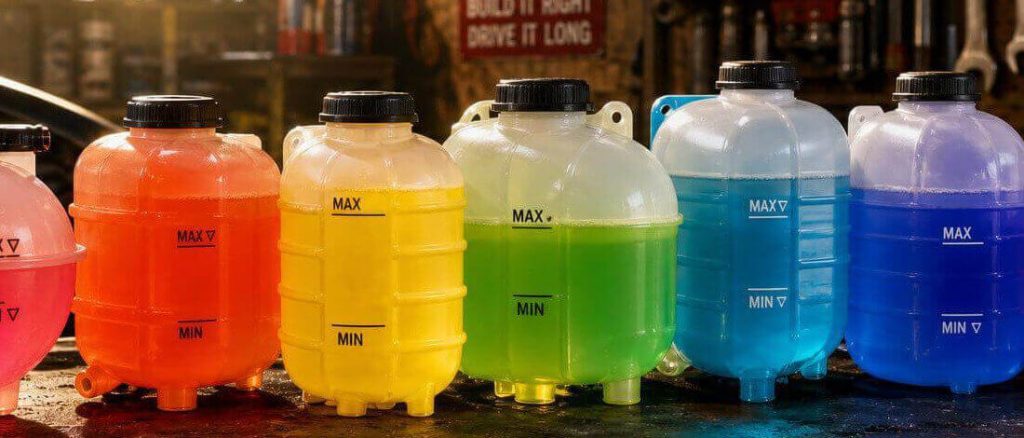
Q: What do the different coolant colors mean (green, orange, pink)?
A: Coolant colors indicate different chemical formulations, not necessarily quality. Green is typically older “inorganic acid technology” (IAT). Orange, pink, or red are usually “organic acid technology” (OAT) or “hybrid organic acid technology” (HOAT). Never mix different types of coolant, as they can react and form sludge, damaging your cooling system. Always use the type specified in your owner’s manual.
Q: Can a small coolant leak cause my car to overheat if the temperature gauge stays normal?
A: Yes. A small leak means a gradual loss of coolant. Eventually, the coolant level will drop so low that the temperature sensor won’t be fully submerged in fluid, giving you a false “normal” reading. By the time the gauge actually moves, severe damage might already be occurring. Always check your coolant reservoir level regularly.
Q: Is it okay to add coolant to a hot engine?
A: No, absolutely not. Adding cold coolant to a hot engine can cause a sudden thermal shock, leading to cracks in the engine block or cylinder head. Always wait until the engine is completely cool before adding any fluid to the cooling system.
The Verdict: Don’t Risk It, Get It Fixed
When it comes to a coolant leak, your car isn’t asking; it’s warning. The phrase “how long can I drive with a coolant leak” implies a gamble, and that’s a gamble your engine rarely wins. Whether it’s a tiny drip or a gushing stream, a coolant leak will get worse, and it will eventually lead to overheating if ignored. The cost of fixing a hose or a radiator is always significantly less than the cost of a new engine or a head gasket replacement. Don’t procrastinate; get it inspected and repaired by a professional as soon as you detect a leak. Your engine (and your wallet) will thank you.