
This article was updated in September 11, 2026 with new products and information by Mark S. Taylor
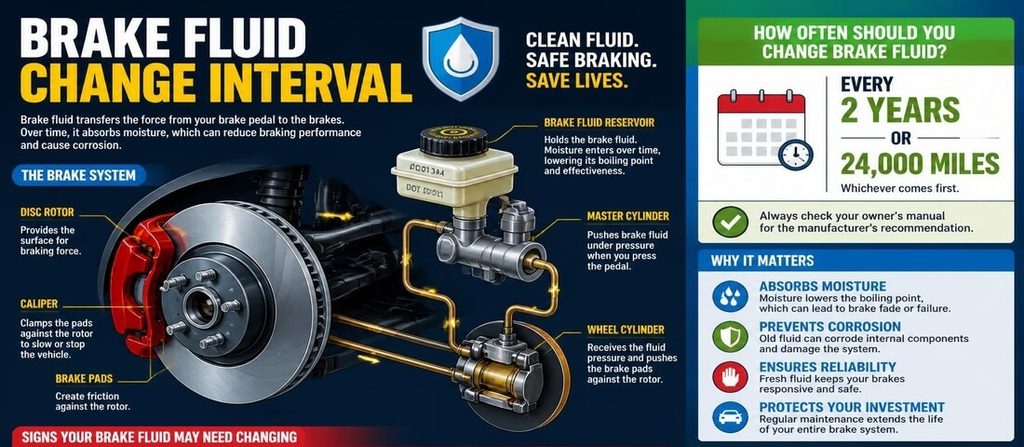
Brake fluid is easy to ignore because you don’t normally see it or think about it during everyday driving. But it is a critical part of your vehicle’s hydraulic braking system, and it can deteriorate with age.
The tricky part is that there is no single brake fluid change interval that applies to every vehicle.
Some manufacturers specify a time-based replacement schedule. Others use mileage and time together, while some maintenance schedules call for inspection and condition-based service.
For example, current Honda owner information calls for brake-fluid replacement every three years if its Maintenance Minder does not trigger the service sooner. A current Hyundai maintenance schedule for one application calls for inspection every 8,000 miles or 12 months and replacement at 48,000 miles or 48 months.
So the safest rule is simple:
Follow the brake-fluid replacement schedule for your specific vehicle.
Contents
- 1 Brake Fluid Change Interval Schedule
- 2 How Often Should You Change Brake Fluid?
- 3 Why Does Brake Fluid Need to Be Changed?
- 4 Does Brake Fluid Go Bad If You Don’t Drive?
- 5 Signs Your Brake Fluid May Need Service
- 6 Brake Fluid Moisture Testing
- 7 Does Brake Fluid Color Tell You When to Change It?
- 8 Brake Fluid Change vs. Brake Fluid Flush
- 9 What Happens If You Never Change Brake Fluid?
- 10 Does Changing Brake Pads Mean You Need New Brake Fluid?
- 11 Which Brake Fluid Should You Use?
- 12 Can You Change Brake Fluid Yourself?
- 13 When Should You Check Brake Fluid?
- 14 Should You Change Brake Fluid Every 2 Years?
- 15 FAQs About Brake Fluid Change Interval Schedule
- 16 Final Verdict
Quick Answer
For many vehicles, brake-fluid replacement falls somewhere around 2–4 years, but that is a planning range—not a universal factory recommendation.
Your owner’s manual or manufacturer maintenance schedule should take priority.
Brake fluid absorbs moisture over time, which can lower its boiling point and contribute to corrosion inside hydraulic brake components.
If your manufacturer specifies a replacement interval, follow it even if the vehicle has accumulated very few miles.
Brake Fluid Change Interval Schedule
There is no one-size-fits-all schedule.
| Example schedule | What it means |
|---|---|
| Every 2 years | Replace on the manufacturer’s time schedule |
| Every 3 years | Common time-based manufacturer approach |
| Every 4 years/48,000 miles | Some schedules combine time and mileage |
| Condition-based | Inspect/test the fluid and replace according to manufacturer criteria |
| No published replacement interval | Follow the manufacturer’s inspection/service instructions |
These examples demonstrate why copying a generic “every two years” rule can be misleading.
Honda currently specifies three years on applicable vehicles.
Hyundai’s 2024 schedule for one application specifies replacement at 48,000 miles or 48 months after annual inspection.
Ford owner-manual information for one application specifies replacement every 36 months with no mileage restriction.
Your vehicle may use a different schedule.

How Often Should You Change Brake Fluid?
Start with the owner’s manual.
If the manufacturer says:
Every 2 years
follow that interval.
If it says:
Every 3 years
follow that instead.
If it says:
Inspect annually and replace at a specified mileage/time
use that schedule.
And if it calls for a condition-based test, don’t replace the fluid simply because an internet article says two years.
The manufacturer’s procedure is more important than a generic number.
Why Does Brake Fluid Need to Be Changed?
Most conventional automotive brake fluids are designed to operate in a sealed hydraulic system, but the system is not perfectly isolated from atmospheric moisture.
Over time, moisture can enter the fluid.
NHTSA explains that moisture contamination can reduce brake-fluid boiling performance and increase the potential for corrosion in the braking system.
That creates two major concerns.
1. Lower boiling point
When brake fluid becomes heavily contaminated with water, its boiling point can fall.
Under repeated heavy braking, extremely high brake temperatures can cause contaminated fluid to form vapor.
Unlike liquid, vapor is compressible.
That can contribute to a soft pedal and reduced braking performance.
2. Internal corrosion
Moisture can also promote corrosion inside hydraulic components.
Potentially affected components include:
- Brake calipers
- Wheel cylinders
- Master cylinders
- Hydraulic control components
- Brake lines and fittings
This is one reason brake-fluid service isn’t simply about making the fluid look clean.
Does Brake Fluid Go Bad If You Don’t Drive?
Yes.
Brake fluid can age even when the vehicle isn’t accumulating many miles.
This is why some manufacturers specify a calendar-based interval rather than relying entirely on mileage.
A car driven only a few thousand miles over several years can still have old brake fluid.
If a vehicle has been sitting for an extended period, don’t assume the brake fluid is automatically good simply because the odometer has barely moved.
Check the manufacturer’s maintenance requirements and inspect the brake system before returning the vehicle to regular use.
Signs Your Brake Fluid May Need Service
Brake fluid condition isn’t always obvious from the driver’s seat.
However, these symptoms deserve attention:
Soft or spongy brake pedal
A soft pedal can have several causes, including air or hydraulic problems.
Old or contaminated brake fluid is only one possibility.
Do not assume a soft pedal means the fluid simply needs changing.
Brake pedal feel changes when the brakes get hot
If pedal feel deteriorates during repeated hard braking, the entire brake system should be evaluated.
Possible causes include overheated brake components, fluid condition, air in the hydraulic system, brake drag or other problems.
Brake fluid is visibly contaminated
Fluid that looks dirty or contaminated should be investigated.
However, color alone isn’t a reliable replacement interval.
Low brake-fluid level
A low reservoir level is not simply a reminder to add fluid.
It can indicate:
- Brake-pad wear
- A hydraulic leak
- Another brake-system problem
NHTSA-filed service information specifically warns against treating fluid addition as a solution for a leak.
Brake warning light
A warning light can indicate a brake-system problem that requires diagnosis.
Don’t assume that replacing the fluid will clear the warning.
Brake Fluid Moisture Testing
A moisture tester can provide more useful information than simply looking at the fluid.
Some manufacturer procedures use a specific moisture threshold to determine when fluid replacement is required.
For example, one NHTSA-filed procedure for a DOT 4 application specifies checking moisture content at every service or at least annually and flushing the fluid when moisture reaches 3% or greater, or every two years, whichever comes first.
That is a vehicle/manufacturer-specific procedure, not a universal rule for every car.
If your vehicle’s service information provides a moisture threshold, use that specification.
Does Brake Fluid Color Tell You When to Change It?
Not reliably.
Fresh brake fluid generally looks cleaner and lighter than heavily contaminated fluid, but color by itself cannot tell you the exact moisture content or boiling performance.
A technician should consider:
- Manufacturer service interval
- Moisture content
- Fluid contamination
- Brake-system condition
- Pedal feel
- Leaks
- Applicable service information
Don’t turn “dark fluid” into an automatic diagnosis.
Brake Fluid Change vs. Brake Fluid Flush
People use these terms interchangeably, but the practical goal is the same: remove old fluid from the hydraulic system and replace it with the correct new fluid.
A proper service generally involves bleeding the hydraulic system according to the vehicle’s specified procedure.
The exact bleeding sequence matters.
Some modern vehicles have ABS hydraulic control units and other components that may require a manufacturer-specific procedure or scan-tool-assisted bleeding.
That’s why a generic four-wheel bleeding sequence should not be treated as universal.
A Hyundai brake-service bulletin, for example, specifically instructs technicians to follow the bleeding sequence for the particular model and brake-system type.
What Happens If You Never Change Brake Fluid?
Nothing may seem wrong for a long time.
That doesn’t mean the fluid is ideal.
As moisture accumulates, the fluid’s boiling performance can decline and corrosion risk can increase.
Potential long-term consequences include:
- Reduced high-temperature braking margin
- Corrosion of hydraulic components
- Internal brake-system wear
- More expensive repairs
- Increased risk of brake-system problems
The exact outcome depends on the vehicle, fluid, environment and condition of the braking system.
Does Changing Brake Pads Mean You Need New Brake Fluid?
Not automatically.
Brake-pad replacement and brake-fluid replacement are different maintenance operations.
During a normal brake-pad replacement, the brake fluid does not automatically need to be flushed simply because the pads are worn.
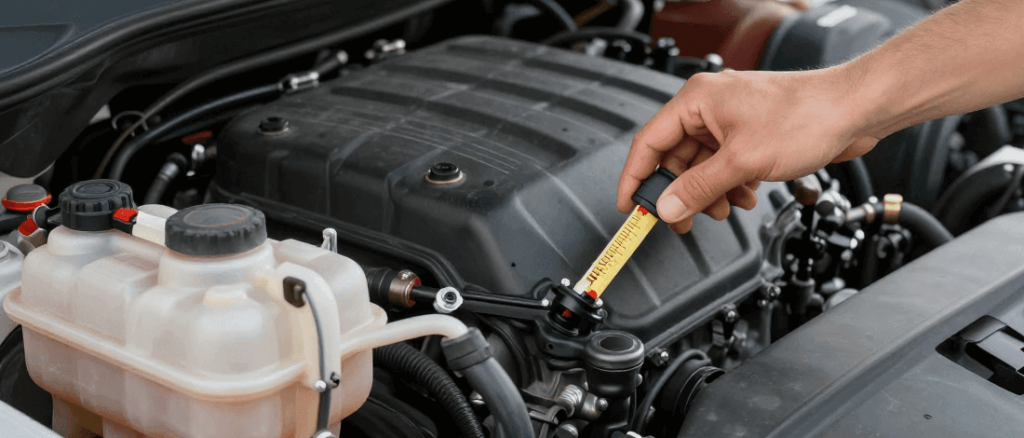
However, the technician should inspect the brake-fluid level and condition and check the hydraulic system for leaks or other problems.
Also remember that brake-fluid level can change as brake-pad friction material wears.
One NHTSA-filed service document specifically warns against adding fluid simply because the level has fallen with normal lining wear.
When new pads are installed, the piston position changes and the fluid level can rise again.
Which Brake Fluid Should You Use?
Use the type specified by the vehicle manufacturer.
Common automotive brake-fluid designations include:
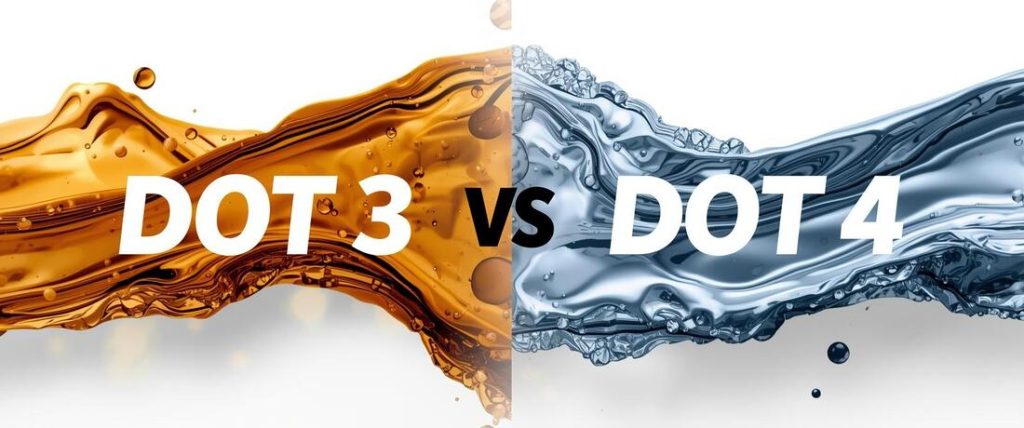
- DOT 3
- DOT 4
- DOT 5
- DOT 5.1
But these labels are not interchangeable simply because the numbers look similar.
For example, DOT 5 silicone-based fluid is different from glycol-based DOT 3, DOT 4 and DOT 5.1 fluids.
Never assume you can substitute one type for another.
NHTSA-required brake-fluid labeling specifically instructs consumers to follow vehicle-manufacturer recommendations and keep brake fluid clean and dry.
Use fluid from a sealed container
Brake fluid should be kept clean and dry.
NHTSA guidance warns that contamination with water or other substances can contribute to brake-system problems, and the fluid container should remain tightly closed to limit moisture absorption.
Don’t pour questionable old fluid from an opened container into a safety-critical hydraulic system.
Can You Change Brake Fluid Yourself?
It is possible on many vehicles, but brake-fluid service is not a good system to learn on by guessing.
You need to:
- Use the correct brake fluid
- Keep contamination out
- Prevent the reservoir from running dry
- Follow the vehicle-specific bleeding sequence
- Correctly bleed the hydraulic system
- Verify the pedal is firm
- Check for leaks
- Confirm proper brake operation
Some vehicles require special procedures for ABS-equipped systems.
A mistake that leaves air in the hydraulic system can reduce braking performance.
If you are not completely comfortable performing the procedure, have the brake system serviced by a qualified technician.
When Should You Check Brake Fluid?
Brake-fluid inspection should be part of routine brake-system maintenance.
Some manufacturers specify inspection at regular service intervals.
For example, Hyundai’s current schedule for one vehicle calls for brake-fluid inspection every 8,000 miles or 12 months.
You can also visually inspect the reservoir between services, but don’t treat the fluid level as a direct measurement of fluid condition.
A low level needs an explanation
If the fluid level is below the expected range, investigate the cause.
Possible reasons include:
- Normal brake-pad wear
- A leak
- Recent hydraulic-system work
- Another brake-system issue
Don’t simply keep adding fluid.
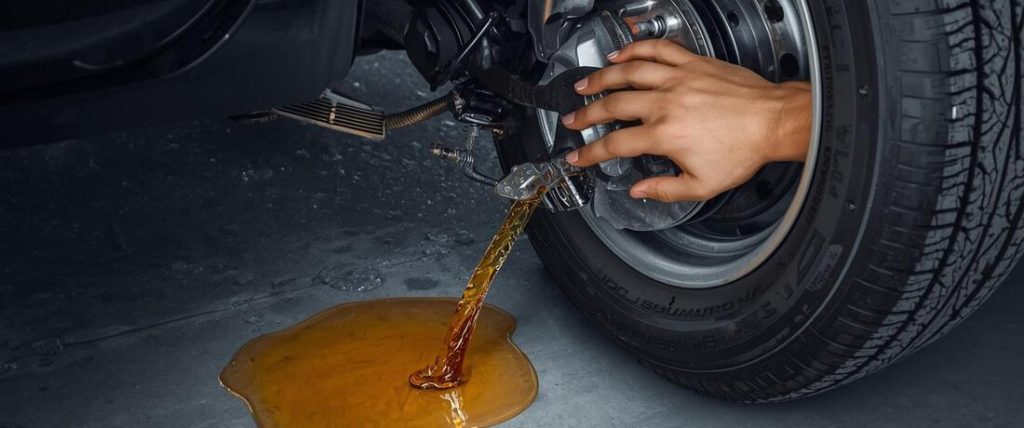
Should You Change Brake Fluid Every 2 Years?
Sometimes—but don’t apply the rule blindly.
A two-year interval is specified in some manufacturer/service procedures. For example, an NHTSA-filed Harley-Davidson procedure calls for DOT 4 fluid replacement every two years or sooner if moisture reaches its specified threshold.
But Honda specifies three years on applicable vehicles, while a current Hyundai schedule cited above uses a 48-month replacement interval for one application.
So the better answer is:
Two years may be appropriate for your vehicle, but check the factory schedule first.
FAQs About Brake Fluid Change Interval Schedule
How often should brake fluid be changed?
There is no universal interval. Many manufacturer schedules use a time-based interval of roughly two to four years, while some use mileage plus time or condition-based inspection. Check the owner’s manual for your vehicle.
Is brake fluid changed every 2 years?
Not every vehicle. Some manufacturers specify two years, others three or four years, and some use condition-based inspection.
Is 3 years too long for brake fluid?
Not necessarily. Honda, for example, specifies replacement every three years on applicable vehicles.
Does brake fluid expire?
Brake fluid in a vehicle can degrade over time, particularly as it absorbs moisture. Unopened fluid stored properly in its original sealed container is a different situation from fluid that has been sitting in a brake system for years.
Can old brake fluid cause a soft brake pedal?
It can contribute to poor brake performance under certain conditions, but a soft pedal has many possible causes. Air, hydraulic leaks, brake-component problems and other faults must also be considered.
Can I tell if brake fluid is bad by its color?
Not reliably. Color can provide a clue that fluid deserves inspection, but it does not measure moisture content or boiling performance.
Final Verdict
The right brake fluid change interval is the one specified for your vehicle—not an internet-wide two-year rule.
Many vehicles use a time-based interval, often around two to four years, but manufacturer schedules differ significantly. Honda currently specifies three years on applicable vehicles, while a current Hyundai schedule for one application specifies replacement at 48 months or 48,000 miles.
Brake fluid deserves attention because moisture contamination can reduce its boiling performance and contribute to corrosion.
If your vehicle is due according to the factory schedule, service it.
If the brake pedal feels abnormal, the fluid level is unexpectedly low, a warning light is illuminated, or you suspect a hydraulic leak, don’t treat the situation as a routine fluid-change reminder.
Brake-fluid maintenance is about preserving hydraulic braking performance—not simply making old fluid look new.