
This article was updated in May 25, 2026 with new products and information by Mark S. Taylor
If your brakes are squeaking while driving — meaning the noise happens when you’re cruising, not when you’re pressing the pedal — the cause is almost always one of three things: a worn brake pad with the metal wear indicator scraping the rotor, a missing or broken anti-rattle clip letting the pad vibrate, or a caliper that’s not fully releasing and keeping the pad in constant contact with the rotor. The good news: most of these are $150–$400 fixes. The bad news: ignoring them turns a pad replacement into a rotor-and-caliper job.
I’ve spent 20 years as an ASE-certified master technician, and “brakes squeaking while driving” is one of the most common complaints that rolls into the shop. The first question I ask every customer: “Does the noise stop when you hit the brake pedal?” That single answer tells me 70% of what I need to know. In this guide, you’ll learn why that question matters, what each cause sounds like, what it’ll cost, and how to check it yourself before you pay for a diagnostic.

Contents
- 1 The #1 Diagnostic Question: Does the Squeak Stop When You Brake?
- 2 Common Causes When the Squeak Stops During Braking
- 3 Common Causes When the Squeak Continues During Braking
- 4 The 2-Minute Visual Inspection (Before the Shop)
- 5 Repair Cost Breakdown (2026 Estimates)
- 6 Can You Drive It? Safety Urgency Guide
- 7 DIY vs. Mechanic: Which Fixes Can You Handle?
- 8 Prevention Tips
- 9 FAQs About Brakes Squeaking While Driving
- 10 The Bottom Line
The #1 Diagnostic Question: Does the Squeak Stop When You Brake?
This is the shortcut that saves you time and money.
If the squeak stops when you apply the brakes: The noise is caused by vibration or a wear indicator. The pressure of braking clamps the pad tight and stops the vibration — or pushes the wear indicator away from the rotor surface. This points to worn pads, missing hardware, or lack of lubrication.
If the squeak continues or gets worse when you brake: The pad is in constant contact with the rotor, or the rotor itself is damaged. This points to a sticking caliper, glazed rotor, or debris embedded in the pad.
If the squeak only happens when you first start driving and fades after a few stops: This is usually surface rust from overnight moisture. It’s normal and harmless.
Write down which scenario matches your car. Everything that follows builds on that answer.
Common Causes When the Squeak Stops During Braking
1. Worn Brake Pads (Wear Indicator)
This is the #1 cause of squeaking while driving, and it’s by design. Modern brake pads have a small metal tab called a wear indicator built into the pad. When the friction material wears down to about 1/8 inch remaining, this tab contacts the rotor and produces a high-pitched squeal.
What you’ll notice: A constant, high-pitched squeal while driving that disappears or changes tone when you brake. The noise may be worse in the morning or after the car sits. It might come and go as the rotor heats up and expands.
Why it stops when braking: The pressure of the caliper pushing the pad against the rotor changes the contact geometry. The wear indicator may no longer scrape, or the pad vibration that amplifies the squeal is dampened by the clamping force.
The mechanic’s take: When a customer says “my brakes squeak but stop when I brake,” I know before I pull the wheel that the pads are thin. The wear indicator is doing exactly what it’s engineered to do — annoy you into replacing the pads before they go metal-on-metal. Ignore it for 500–1,000 miles and you’ll be buying rotors too.
The fix: Replace the brake pads. Inspect the rotors — if they’re grooved, glazed, or below minimum thickness, replace or resurface them.
2. Missing or Broken Anti-Rattle Hardware
Brake pads don’t just sit in the caliper — they’re held by clips, shims, and springs that keep them from vibrating. When these components are missing, worn, or broken, the pad rattles against the caliper bracket and squeals.
What you’ll notice: A rattling or chirping squeak that comes and goes with road bumps. The noise may change when you turn or hit a pothole. It often starts after a recent brake job where the shop reused old hardware.
Why it stops when braking: The caliper pressure clamps the pad firmly against the rotor, eliminating the rattle. When you release the pedal, the pad loosens and vibrates again.
The mechanic’s take: I’ve fixed “mystery” squeaks by replacing $12 worth of clips that the last shop threw away. Always replace hardware when you replace pads. The kit costs $15–$30 and includes new anti-rattle clips, shims, and slide pin boots. Reusing old hardware is false economy.
The fix: Replace the brake hardware kit. Apply high-temperature brake lubricant to the pad backing plates and caliper contact points.
3. Lack of Lubrication on Caliper Slides and Pad Contacts
The caliper must slide freely on its pins, and the pad must move smoothly in the bracket. Without lubrication, metal rubs metal and squeals.
What you’ll notice: A groaning or creaking squeak that gets worse in cold weather. The brake pedal may feel sticky or uneven. One pad may wear faster than the other.
Why it stops when braking: The squeal is from the slide pins or pad contact points, not the friction surface. When you brake, the friction noise overwhelms the lubrication noise.
The fix: Remove the caliper, clean the slide pins with brake cleaner, apply high-temperature brake grease, and reinstall. This is a 30-minute job per axle.
4. Glazed Brake Pads or Rotors
Excessive heat from hard braking or riding the brakes can harden the pad surface and polish the rotor. This smooth, glassy surface causes vibration and squeal.
What you’ll notice: A high-pitched squeal combined with reduced braking performance. The pedal feels firm but stopping distance is longer. The rotor surface looks shiny and smooth instead of matte.
Why it stops when braking: It doesn’t — glazing usually causes squeal during braking too. But early-stage glazing can cause intermittent squeal while driving as the pad skips across the polished rotor.
The fix: Resurface (turn) the rotors and replace the pads. For severe glazing, replace both.

Common Causes When the Squeak Continues During Braking
1. Sticking Caliper (Caliper Hang-Up)
The caliper piston or slide pins can stick, preventing the pad from retracting fully when you release the brake pedal. The pad stays in constant contact with the rotor and squeals continuously.
What you’ll notice: A constant dragging or rubbing sound that never stops. The wheel may feel hot after driving. The car may pull to one side. Fuel economy drops. The brake pedal feels soft or spongy.
Why it continues when braking: The pad is already touching the rotor. Braking just adds more pressure — the noise doesn’t go away, it just gets louder.
The mechanic’s take: A sticking caliper is a safety issue. It overheats the rotor, boils the brake fluid, and can cause brake fade or failure. I’ve seen customers ignore a dragging caliper until the rotor turned blue and cracked. Don’t be that customer.
The fix: Service or replace the caliper. Replace the pads and rotor on that side (they’ve been overheated). Bleed the brake system. Caliper replacement runs $300–$600 per side.
2. Bent or Contacting Rotor Dust Shield
The thin metal shield behind the rotor keeps debris out. If it’s bent from a pothole impact or improper wheel installation, it can rub against the rotor and squeal.
What you’ll notice: A light scraping or rubbing sound that may be rhythmic (once per wheel revolution). The noise doesn’t change when you brake. The rotor surface looks clean and unworn.
Why it continues when braking: The shield contact is independent of brake pressure. It rubs constantly.
The fix: Bend the shield back into place with a screwdriver or pliers. This is often a free fix at a shop during a tire rotation.
3. Embedded Debris
A small stone, piece of metal, or road debris can lodge between the pad and rotor.
What you’ll notice: A sudden, loud squeal or grinding that started after driving on gravel or a dirt road. The noise is constant and may be accompanied by a pulsing brake pedal.
Why it continues when braking: The debris is trapped. Braking grinds it deeper.
The fix: Remove the wheel and inspect the pad. Use a pick or compressed air to remove the debris. If it’s embedded in the pad, replace the pad.
The 2-Minute Visual Inspection (Before the Shop)
You can narrow the cause without pulling the wheels:
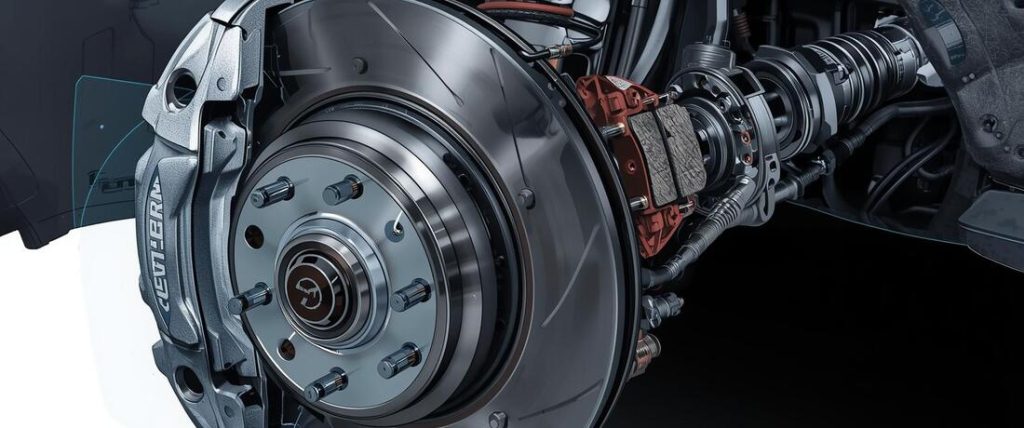
Step 1: Look through the wheel spokes. Shine a flashlight at the brake caliper. Can you see the pad thickness? If the pad looks thinner than a quarter (about 1/8 inch), it’s time for replacement.
Step 2: Check for uneven wear. Is one pad much thinner than the other on the same caliper? That’s a sign of a sticking slide pin.
Step 3: Look at the rotor surface. Is it shiny and smooth (glazed) or grooved and scored? Grooves mean the pads are worn down to metal.
Step 4: Spin the wheel (car jacked up safely). Does the wheel spin freely, or does it feel like the brake is dragging? Drag = sticking caliper.
Step 5: Check the dust shield. Look behind the rotor for a bent metal shield contacting the surface.
If you find thin pads, glazed rotors, or a bent shield, you’ve got your answer before the shop charges you a diagnostic fee.
Repair Cost Breakdown (2026 Estimates)
Table
| Repair | Parts | Labor | Total Cost | DIY Possible? |
|---|---|---|---|---|
| Brake pad replacement (one axle) | $40–$100 | $80–$150 | $150–$300 | Yes — intermediate |
| Brake pad + rotor replacement (one axle) | $100–$250 | $100–$200 | $250–$500 | Yes — intermediate |
| Brake hardware kit + lube service | $15–$40 | $50–$100 | $70–$150 | Yes — easy |
| Rotor resurfacing (per rotor) | N/A | $15–$40 | $15–$40 | No — needs machine |
| Caliper replacement (one side) | $80–$200 | $150–$300 | $250–$550 | No — requires bleeding |
| Brake inspection | N/A | $50–$100 | $50–$100 | N/A |
Cost factors that move the needle:
- Vehicle make: European and trucks often cost 30–50% more due to larger components
- Pad material: Ceramic pads cost more upfront but last longer and squeak less than metallic
- Shop type: Chain shops (Firestone, Jiffy Lube) often run $99–$149 pad specials; dealers charge $300–$500 per axle
Money-saving tip: If you need pads and the rotors are in good shape, ask for a “pad slap” — just pads, no rotor work. Many shops push rotor replacement unnecessarily. A honest shop will measure rotor thickness and show you the spec.
Can You Drive It? Safety Urgency Guide
Table
| Severity | Cause | Can You Drive? | Action |
|---|---|---|---|
| 🟢 Soon | Wear indicator squeal, light surface rust, minor hardware rattle | Yes — short trips | Schedule within 1–2 weeks; 500–1,000 miles left |
| 🟡 This Week | Glazed pads, missing hardware, dragging caliper (early stage) | Short trips only; avoid highways | Schedule within 3–5 days |
| 🔴 Tow Now | Metal-on-metal grinding, smoking brake, seized caliper, brake fade | No — tow it | Immediate repair; safety hazard |
The hard truth: The wear indicator gives you a warning window. Metal-on-metal grinding means you’ve used it up. Every mile you drive with grinding brakes destroys the rotor and risks caliper damage. The $200 pad job becomes a $600 pad-and-rotor job.

DIY vs. Mechanic: Which Fixes Can You Handle?
Table
| Repair | Difficulty | Tools Needed | Time | Worth DIY? |
|---|---|---|---|---|
| Visual inspection | 1/5 | Flashlight | 2 min | Yes — free |
| Brake pad replacement | 3/5 | Socket set, C-clamp, brake grease | 1–2 hours per axle | Yes — saves $100+ |
| Hardware replacement | 2/5 | Pliers, brake grease | 30 min per axle | Yes — easy win |
| Caliper slide pin lube | 2/5 | Socket set, brake cleaner, grease | 30 min per caliper | Yes — prevents future squeak |
| Rotor resurfacing | N/A | Machine shop | N/A | No — shop only |
| Caliper replacement | 4/5 | Socket set, brake bleeder kit, torque wrench | 2–3 hours | No — safety critical |
The mechanic’s honest take: Pad replacement is genuinely doable in your driveway if you have basic tools and a repair manual for your specific car. The critical steps are: compress the piston slowly, torque the caliper bolts to spec, and pump the pedal before driving. Caliper replacement requires brake bleeding — if you’ve never done it, pay the shop. Air in the brake lines is not a “learn as you go” situation.
Prevention Tips
Most brake squeak is preventable with basic maintenance:
- Replace hardware with every pad change. The $20 kit prevents 80% of post-repair squeaks.
- Use ceramic pads for daily drivers. They produce less dust and squeak less than metallic pads.
- Break in new pads properly. Do 10 moderate stops from 30 mph with cooling between. Avoid hard braking for the first 100 miles.
- Lubricate slide pins annually. A 10-minute job that prevents caliper hang-up.
- Clean brakes during tire rotations. Spray brake cleaner to remove dust and debris.
FAQs About Brakes Squeaking While Driving
Why do my brakes squeak while driving but stop when I brake?
This is the classic wear indicator sound. The metal tab on the brake pad contacts the rotor when the pad is thin, creating a high-pitched squeal. When you brake, the caliper pressure changes the contact geometry and dampens the vibration, stopping the noise. Replace the pads soon — you have 500–1,000 miles before metal-on-metal contact.
Is it safe to drive with squeaking brakes?
It depends on the cause. A wear indicator squeal is safe for short trips but needs attention within 1–2 weeks. A grinding noise is never safe — tow the car. If the brake pedal feels soft, the car pulls to one side, or you smell burning, stop driving immediately.
How much does it cost to fix squeaking brakes?
Pad replacement runs $150–$300 per axle. Pad + rotor replacement runs $250–$500 per axle. A simple hardware kit and lubrication service runs $70–$150. Caliper replacement runs $250–$550 per side. Get a written estimate before authorizing work.
Can I fix squeaking brakes myself?
Yes — if it’s pads or hardware. You’ll need a socket set, C-clamp to compress the piston, high-temperature brake grease, and a repair manual for torque specs. Caliper replacement and brake bleeding are shop territory for most DIYers. Never guess on brake work — if you’re unsure, pay a professional.
Why do my new brakes squeak?
New pads and rotors need a “bedding-in” period of 100–500 miles. During this time, a light squeal is normal, especially in damp weather. If the squeal persists beyond 500 miles or is loud enough to be embarrassing, the shop may have skipped hardware replacement or lubrication. Take it back.
What’s the difference between squeaking and grinding brakes?
Squeaking is a high-pitched noise from vibration, wear indicators, or minor contact. Grinding is a low, harsh noise from metal-on-metal contact — the pad backing plate scraping the rotor. Grinding means immediate repair. Every mile of grinding destroys the rotor and risks brake failure.
The Bottom Line
Brakes squeaking while driving is your car’s way of telling you something specific — and in most cases, it’s not catastrophic. If the squeak stops when you brake, you’re almost certainly dealing with a wear indicator or hardware issue that’s a $150–$300 fix. If the squeak never stops, you may have a sticking caliper or rotor contact that needs immediate attention.
Here’s your action plan: Determine if the noise stops when you brake. Do the 2-minute visual inspection. If the pads look thin or the noise is constant, schedule service within the week. Don’t ignore grinding — ever. And don’t let a shop sell you rotors you don’t need; a good mechanic will measure and show you the spec.
Your brakes are the only thing between you and the car in front of you. A squeak is annoying, but it’s also information. Use it.