
This article was updated in September 17, 2026 with new products and information by Mark S. Taylor
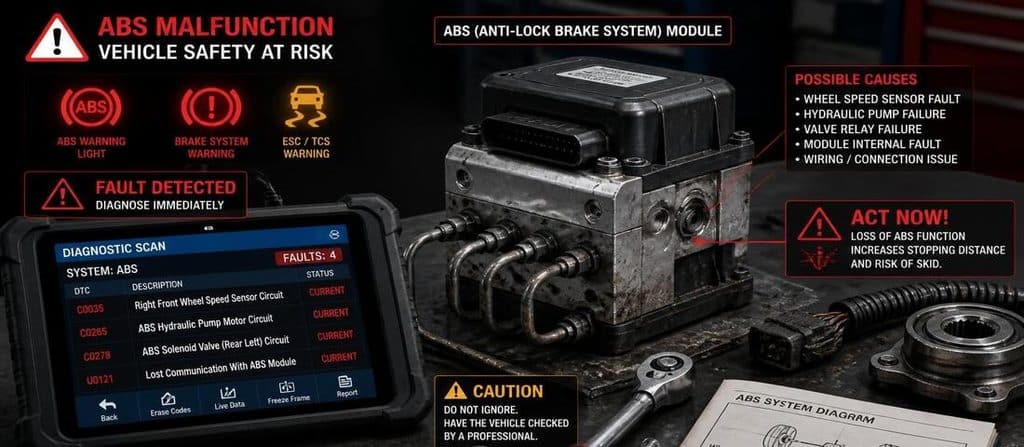
The most common symptom of a bad ABS module is an ABS warning light that stays illuminated, but that’s not enough to prove the module has failed.
A bad wheel-speed sensor, damaged wiring, low battery voltage, blown fuse, hydraulic-unit problem, brake-pressure sensor fault, or communication problem can produce similar symptoms.
The ABS module is the computer that monitors wheel-speed information and controls the anti-lock braking, traction-control and, on many vehicles, electronic stability-control systems. If the module itself fails, several systems may stop working at the same time.
The key is to diagnose the ABS system before replacing the module.
Contents
- 1 What Is an ABS Module?
- 2 9 Symptoms of a Bad ABS Module
- 2.1 1. ABS Warning Light Stays On
- 2.2 2. Traction-Control Light Comes On
- 2.3 3. Stability-Control Warning Appears
- 2.4 4. Multiple ABS Trouble Codes Appear
- 2.5 5. The Scan Tool Cannot Communicate With the ABS Module
- 2.6 6. ABS, Traction Control or Stability Control Stops Working
- 2.7 7. ABS Activates at the Wrong Time
- 2.8 8. ABS Fails to Activate During Hard Braking
- 2.9 9. Intermittent ABS Problems
- 3 Symptoms That Can Look Like a Bad ABS Module
- 4 Bad ABS Module vs. Bad Wheel-Speed Sensor
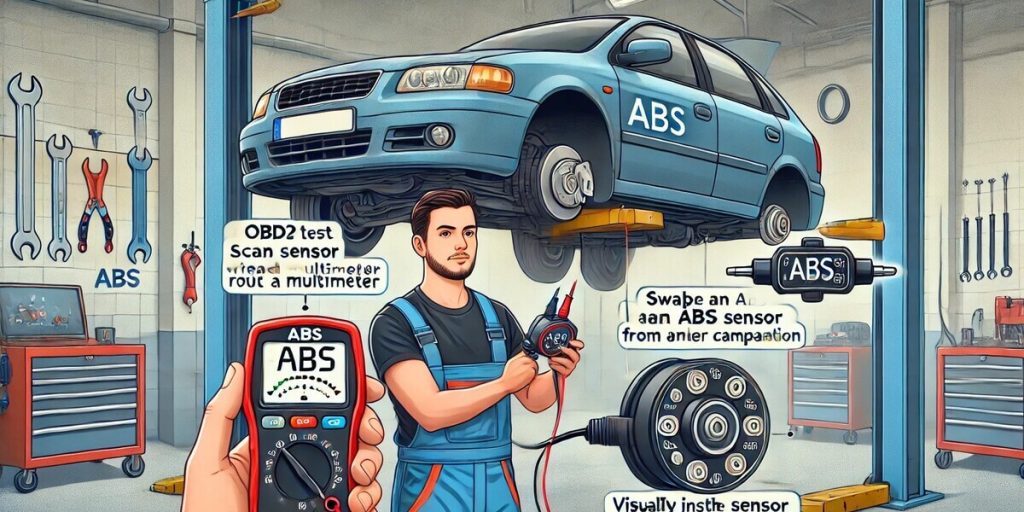
- 5 How to Diagnose a Bad ABS Module
- 5.1 Step 1: Check the ABS Warning Lights
- 5.2 Step 2: Scan the ABS Module
- 5.3 Step 3: Check Battery Voltage
- 5.4 Step 4: Check ABS Fuses
- 5.5 Step 5: Check Module Power and Ground
- 5.6 Step 6: Check Wheel-Speed Data
- 5.7 Step 7: Inspect Wheel-Speed Sensor Wiring
- 5.8 Step 8: Check Communication
- 5.9 Step 9: Follow Vehicle-Specific ABS Tests
- 6 Can a Bad ABS Module Affect the Brakes?
- 7 Can You Drive With a Bad ABS Module?
- 8 What Causes an ABS Module to Fail?
- 9 ABS Module Repair vs. Replacement
- 10 ABS Module Replacement Cost
- 11 Common ABS Module Diagnostic Mistakes
- 11.1 Replacing the module because the ABS light is on
- 11.2 Replacing a wheel-speed sensor because the code names that wheel
- 11.3 Ignoring battery voltage
- 11.4 Using a basic OBD scanner
- 11.5 Ignoring live data
- 11.6 Forgetting calibration after replacement
- 11.7 Treating the ABS warning light as a normal check-engine light
- 12 FAQs About Symptoms of a Bad ABS Module
- 12.1 What is the most common symptom of a bad ABS module?
- 12.2 How do I know if my ABS module is bad?
- 12.3 Can a bad ABS module cause the traction-control light?
- 12.4 Can a bad wheel-speed sensor cause the ABS light?
- 12.5 Can a bad ABS module cause a soft brake pedal?
- 12.6 Can I drive with the ABS light on?
- 13 Final Verdict
Quick Answer: What Are the Symptoms of a Bad ABS Module?
Common symptoms of a potentially faulty ABS module include:
- ABS warning light stays on
- Traction-control warning light comes on
- Stability-control/ESC warning appears
- Multiple ABS-related trouble codes
- Scan tool cannot communicate with the ABS module
- ABS, traction control or stability control stops working
- ABS activates unexpectedly
- ABS fails to operate during hard braking
- Intermittent ABS faults return after clearing codes
However, these symptoms can also be caused by wheel-speed sensors, wiring, low system voltage, fuses, hydraulic components or other ABS/ESC sensors.
An ABS warning light is a symptom of an ABS-system problem—not automatic proof that the ABS module is bad.
What Is an ABS Module?
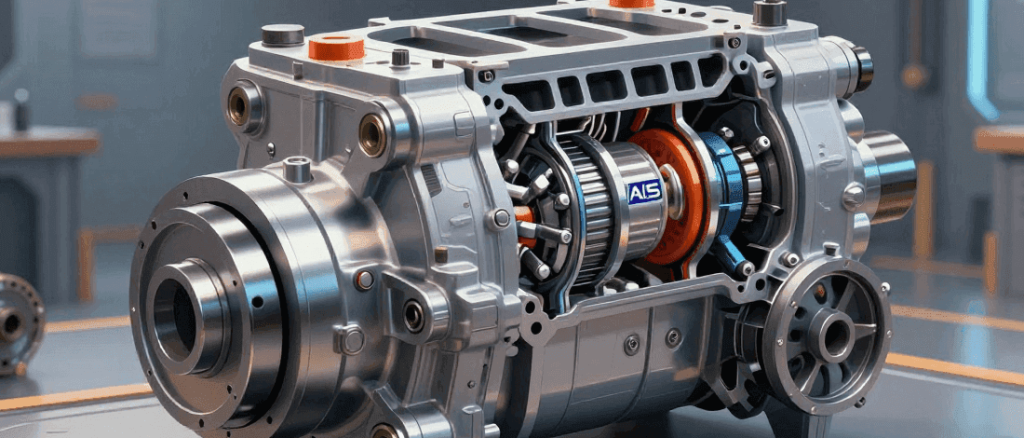
The ABS module is the electronic control unit responsible for monitoring and controlling the vehicle’s anti-lock braking system.
On many modern vehicles, the electronic control unit is mounted directly to or integrated with the hydraulic ABS unit.
The system receives wheel-speed information and other inputs, then controls hydraulic valves and the ABS pump when necessary. On vehicles equipped with traction control and electronic stability control, the same unit may also participate in those systems.
During normal driving, the ABS module continuously evaluates sensor information.
When it detects a wheel beginning to lock during braking, it can adjust brake pressure to help maintain wheel rotation.
When the system detects a fault, it can disable affected electronic functions and illuminate warning lights.
9 Symptoms of a Bad ABS Module
1. ABS Warning Light Stays On
This is the symptom most drivers notice first.
Normally, the ABS warning light illuminates briefly during the ignition self-check and then turns off if the system passes its checks.
If it remains illuminated after startup or comes on while driving, the ABS system has detected a fault.
But don’t jump straight to the module.
A wheel-speed sensor, damaged sensor wiring, low voltage, hydraulic fault or another ABS component can cause the same warning.
HELLA recommends reading the fault memory and performing system checks rather than treating the warning light itself as proof of a failed component.
2. Traction-Control Light Comes On
A bad ABS module can affect traction-control operation because the traction-control system relies heavily on wheel-speed information and ABS hardware.
If the ABS module detects a serious fault, traction control may be disabled.
You may see:
- Traction-control light
- “TCS OFF”
- “Traction Control Disabled”
- Stability-control warning
But again, a bad wheel-speed sensor can produce the same result.
3. Stability-Control Warning Appears
On vehicles equipped with electronic stability control, an ABS-system fault can also trigger an ESC or stability-control warning.
This happens because stability control depends on accurate wheel-speed and vehicle-dynamics information.
The ABS/ESP control unit can coordinate braking and engine-management interventions to help stabilize the vehicle.
If several related warning lights appear simultaneously, don’t assume that means several separate parts failed.
One ABS-system fault can disable several interconnected functions.
4. Multiple ABS Trouble Codes Appear
A failing module may store multiple communication, internal-control, sensor-input or hydraulic-control codes.
However, multiple codes do not automatically mean the module is defective.
For example, one damaged wiring harness can affect several wheel-speed circuits.
Low system voltage can also create multiple seemingly unrelated ABS faults.
The correct approach is to look for a common cause.
5. The Scan Tool Cannot Communicate With the ABS Module
This is one of the more significant warning signs.
If your scan tool can communicate with the engine computer but cannot communicate with the ABS control unit, investigate:
- ABS fuse
- Module power supply
- Ground connections
- CAN/network wiring
- Battery voltage
- Connector condition
- Communication circuits
- The module itself
A loss of communication can point toward a module or network problem, but it still doesn’t prove the module has failed.
HELLA’s ABS diagnostic procedure emphasizes sufficient battery voltage and proper electrical connections when establishing communication with the control unit.
6. ABS, Traction Control or Stability Control Stops Working
If the ABS module detects a fault serious enough to disable the system, the vehicle may retain normal conventional braking while losing electronic brake-assistance functions.
HELLA notes that when an ABS/ESP electrical fault is detected, the ABS/ESP system can be switched off while the conventional brake system continues to operate normally.
That does not mean the vehicle is operating normally.
Without ABS, the wheels can lock under hard braking.
Without stability control, the vehicle may not receive automatic braking or engine interventions designed to help maintain stability.
7. ABS Activates at the Wrong Time
Unexpected ABS activation is another important symptom.
You may feel the brake pedal pulse or hear the ABS pump operating even though the road doesn’t appear slippery.
But this symptom is often caused by bad or inconsistent wheel-speed information rather than a failed ABS module.
HELLA documents faulty wheel-speed sensors as capable of causing incorrect or “pseudo” ABS regulation interventions.
A damaged encoder ring, wheel bearing play or wiring problem can create an incorrect wheel-speed signal.
Therefore, unexpected ABS activation should trigger diagnosis of the entire wheel-speed system, not automatic module replacement.
8. ABS Fails to Activate During Hard Braking
A failed ABS system may not intervene when a wheel is actually approaching lockup.
A driver may notice that the vehicle behaves differently during hard braking.
However, never deliberately test ABS operation on public roads.
If the ABS warning light is on, assume the electronic system may not be available until the fault has been diagnosed.
9. Intermittent ABS Problems
Some ABS module failures are intermittent.
The warning light may:
- Appear after driving for a while
- Disappear after restarting
- Return over bumps
- Appear when the vehicle gets hot
- Appear during wet weather
- Clear temporarily after battery voltage changes
Intermittent faults are particularly difficult because the vehicle may test normally when it arrives at a repair shop.
This is where stored codes, freeze-frame information, live data and intermittent-condition testing become valuable.
Symptoms That Can Look Like a Bad ABS Module
Before condemning the module, check the common alternatives.
| Symptom | Possible alternative cause |
|---|---|
| ABS light | Wheel-speed sensor |
| ABS + traction light | Wheel-speed signal problem |
| Multiple ABS codes | Low voltage or shared wiring |
| No ABS communication | Fuse, power, ground or CAN fault |
| False ABS activation | Sensor/encoder ring/wheel bearing |
| ABS disabled | Sensor or hydraulic-system fault |
| Intermittent warning | Wiring/connector/battery issue |
| Brake-pressure code | Pressure sensor/hydraulic unit |
| ABS light after wheel work | Damaged sensor/wiring |
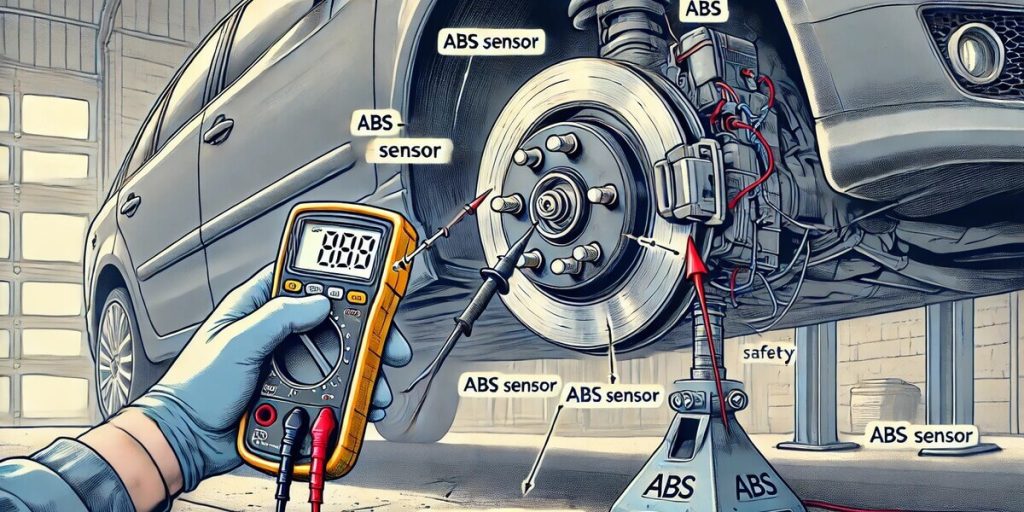
HELLA specifically recommends checking battery voltage, system fuses, wheel bearings, suspension, brake-fluid level, sensor wiring and sensor installation before replacing a wheel-speed sensor.
That’s an important diagnostic principle:
The code identifies the system or circuit where the problem was detected. It doesn’t automatically identify the failed part.
Bad ABS Module vs. Bad Wheel-Speed Sensor
This is one of the most important sections for search intent.
More suggestive of a wheel-speed sensor problem
- One specific wheel-speed sensor code
- One wheel shows an implausible speed
- Damaged sensor wiring at one wheel
- Damaged encoder/tone ring
- Wheel bearing play affecting the sensor signal
- Fault follows the sensor when properly tested/swapped where applicable
More suggestive of an ABS module or module-circuit problem
- No communication with the ABS module
- Verified module power and ground but still no communication
- Internal module DTCs
- Multiple unrelated ABS circuits failing simultaneously
- Verified-good sensor inputs but the module does not process them correctly
- Documented module-specific fault from manufacturer diagnostics
This is not a universal rule.
A professional diagnosis still requires the vehicle’s wiring diagram, DTC definitions and manufacturer test procedure.
How to Diagnose a Bad ABS Module
Step 1: Check the ABS Warning Lights
Record exactly which warning lights are illuminated.
Look for:
- ABS
- Traction control
- ESC/ESP
- Brake warning
- AWD/4WD
- Other chassis-system warnings
Multiple warnings can help identify how the systems are interacting.
Step 2: Scan the ABS Module
A basic engine-code scanner may not be able to access the ABS system.
You need a diagnostic tool capable of communicating with the vehicle’s ABS/chassis module.
Read:
- Current codes
- Pending/history codes
- Freeze-frame data
- Live wheel-speed data
- Module information
- Communication faults
Step 3: Check Battery Voltage
Low voltage can create strange electronic faults.
HELLA specifically recommends checking battery voltage during ABS diagnosis because insufficient voltage can cause system failure or incorrect measurements.
If the battery or charging system is weak, fix that before condemning an expensive ABS module.
Step 4: Check ABS Fuses
Check every fuse associated with:
- ABS
- ESP/ESC
- Brake control
- ABS pump
- Ignition supply
Use the manufacturer’s fuse diagram.
Don’t assume a fuse labeled only “ABS” is the only power supply involved.
Step 5: Check Module Power and Ground
If communication with the module is impossible, verify its power and ground circuits.
A module with no power cannot communicate.
This is a simple but frequently overlooked distinction.
Step 6: Check Wheel-Speed Data
Look at all four wheel-speed readings while driving in a safe diagnostic environment.
The readings should be plausible and consistent with actual vehicle speed.
A single wheel that suddenly drops to zero or differs significantly from the others can point toward:
- Sensor
- Wiring
- Encoder ring
- Wheel bearing
- Installation problem
HELLA recommends comparing measured values or signal curves from all wheel-speed sensors rather than replacing a sensor solely because the diagnostic code names that sensor.
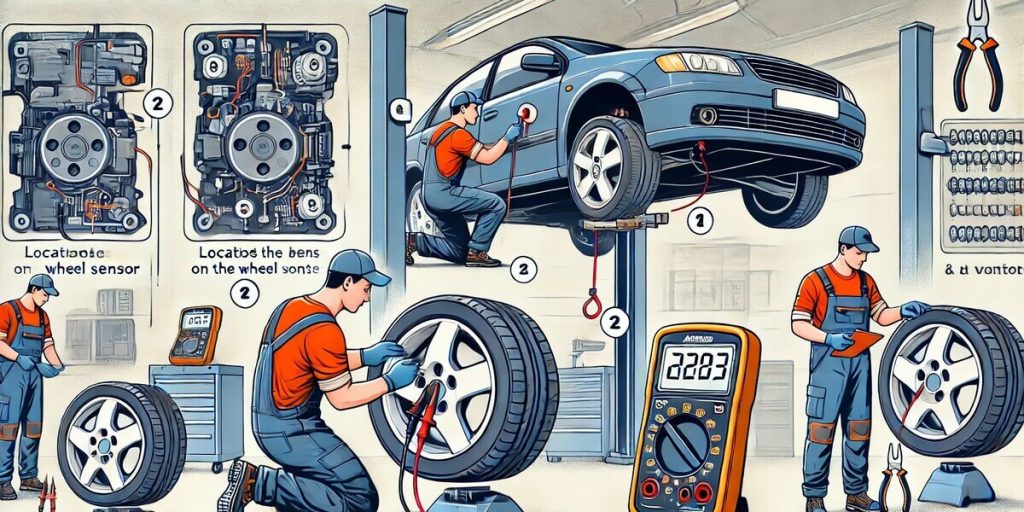
Step 7: Inspect Wheel-Speed Sensor Wiring
Inspect each affected wheel.
Look for:
- Broken wires
- Chafing
- Loose connectors
- Corrosion
- Damaged sensor
- Incorrect routing
Also inspect the encoder/reluctor ring and wheel-bearing condition.
Step 8: Check Communication
If the ABS module cannot communicate, investigate:
- Module power
- Module ground
- Network wiring
- CAN communication
- Connectors
- Battery voltage
Only after these checks should you seriously consider an internal module failure.
Step 9: Follow Vehicle-Specific ABS Tests
ABS systems vary considerably.
Some use separate hydraulic and electronic units.
Others combine the controller and hydraulic unit.
Some vehicles require module coding, calibration or relearning after replacement.
For example, Nissan documentation for an ABS control-unit replacement specifies steering-angle and deceleration-sensor calibration as part of the replacement procedure.
That means replacing an ABS module is not necessarily a simple “remove the old one and plug in the new one” repair.
Can a Bad ABS Module Affect the Brakes?
It can affect ABS-controlled braking functions, but the exact effect depends on the failure and vehicle design.
The conventional hydraulic brake system may continue operating when the electronic ABS/ESP function is disabled. HELLA notes this behavior as a general ABS/ESP fault response.
But you should not interpret that as “the brakes are fine.”
Without ABS, the wheels can lock during hard braking.
If the fault also involves the hydraulic unit, brake-pressure control or another brake-system component, braking performance can be affected more directly.
If the red brake warning light is also illuminated, the brake pedal feels soft, the vehicle pulls during braking, or braking performance has changed, stop treating the problem as merely an ABS-light issue and have the vehicle inspected promptly.
Can You Drive With a Bad ABS Module?
If the ABS warning light is on, you should assume the ABS function may be unavailable until the system has been diagnosed.
The conventional brakes may still work, but the vehicle may no longer have anti-lock braking, traction control or electronic stability control.
Avoid unnecessary driving if:
- The brake pedal feels abnormal
- Braking distance has increased
- The red brake warning light is on
- The vehicle pulls during braking
- ABS activates unexpectedly
- Multiple brake-system warnings appear
- You have lost communication with multiple chassis systems
If braking performance itself is impaired, have the vehicle transported for inspection rather than driving it.
What Causes an ABS Module to Fail?
Possible causes include:
Electrical problems
- Low voltage
- Voltage spikes
- Poor grounds
- Wiring faults
- Connector corrosion
Environmental damage
- Water intrusion
- Corrosion
- Excessive heat
- Physical damage
Internal electronic failure
The control electronics can fail internally.
Hydraulic-unit problems
On integrated ABS units, a hydraulic or pressure-control fault can be associated with the complete assembly.
For example, HELLA documents an application where a pressure sensor is integrated into the ABS hydraulic unit, meaning a sensor fault requires service of the larger unit on that particular vehicle.
Software/configuration problems
Some ABS modules can require software updates, coding or calibration.
An OEM bulletin can therefore be critical before replacing a module.
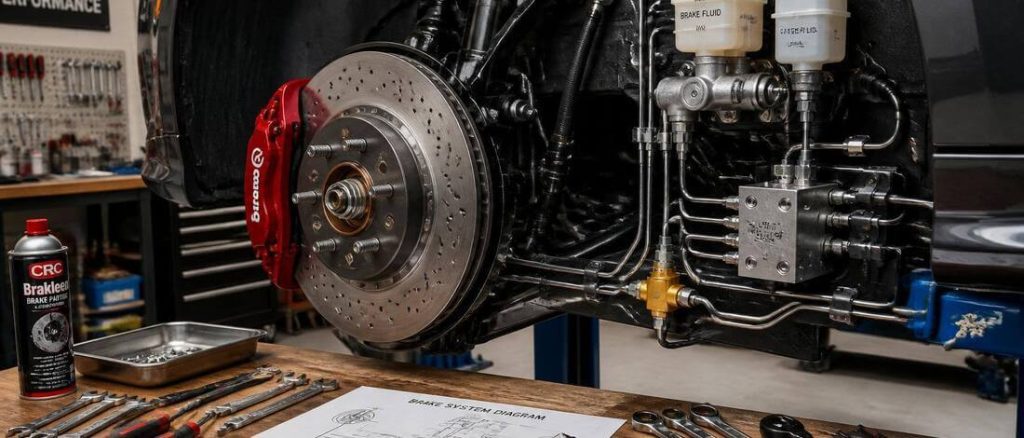
ABS Module Repair vs. Replacement
Not every ABS module needs to be replaced.
Depending on the vehicle, options may include:
- Wiring repair
- Connector repair
- Software update
- Module reprogramming
- Hydraulic-unit repair
- Electronic-module repair by a specialist
- Complete ABS hydraulic/control-unit replacement
The correct option depends heavily on the vehicle and the exact fault.
Never assume that an ABS warning light automatically requires a $1,000-plus module.
Diagnose the cause first.
ABS Module Replacement Cost
ABS module costs vary widely by vehicle.
A replacement can involve:
- Electronic control unit
- Hydraulic assembly
- Programming/coding
- Calibration
- Brake bleeding
- Labor
Some vehicles use a relatively accessible electronic module, while others combine the electronics with the hydraulic unit.
After replacement, the vehicle may require:
- Coding
- Configuration
- Steering-angle calibration
- Yaw/deceleration sensor calibration
- ABS bleeding procedure
- Diagnostic initialization
OEM documentation demonstrates that calibration/configuration can be part of ABS control-unit replacement.
Because of these differences, a generic “ABS module replacement costs $X” figure can be misleading.
Get a vehicle-specific estimate after diagnosis.
Common ABS Module Diagnostic Mistakes
Replacing the module because the ABS light is on
The light tells you there is a system fault.
It doesn’t tell you the module itself failed.
Replacing a wheel-speed sensor because the code names that wheel
The code can identify the circuit where the fault was detected, while the actual problem may be wiring, bearing play or an encoder ring.
HELLA explicitly warns against replacing components solely from the fault-code description.
Ignoring battery voltage
Low voltage can create multiple electronic faults.
Using a basic OBD scanner
Many basic scanners read engine codes but don’t provide full ABS-module diagnostics.
Ignoring live data
Comparing all four wheel-speed signals can quickly separate a sensor problem from a broader control-unit issue.
Forgetting calibration after replacement
Some vehicles require programming or sensor calibration after ABS-module replacement.
Treating the ABS warning light as a normal check-engine light
ABS is a safety system.
If the warning light remains illuminated, the system should be diagnosed rather than ignored.
FAQs About Symptoms of a Bad ABS Module
What is the most common symptom of a bad ABS module?
An illuminated ABS warning light is one of the most common symptoms, but it is not specific to module failure. Wheel-speed sensors, wiring, low voltage and other ABS components can cause the same warning.
How do I know if my ABS module is bad?
A diagnosis should confirm module power and ground, communication, stored ABS codes, sensor inputs and related wiring. A module should generally be considered faulty only after other likely causes have been eliminated.
Can a bad ABS module cause the traction-control light?
Yes. Because ABS, traction control and stability control can share the same control unit and wheel-speed information, an ABS-system fault can disable or trigger warnings for those systems.
Can a bad wheel-speed sensor cause the ABS light?
Yes. A faulty sensor, damaged wiring, encoder ring or wheel-bearing problem can cause the ABS warning light and disable related systems.
Can a bad ABS module cause a soft brake pedal?
Not necessarily. A soft pedal requires brake-system diagnosis and can indicate hydraulic, air, fluid or mechanical problems. Don’t assume a soft pedal is caused by the electronic ABS module.
Can I drive with the ABS light on?
The conventional brakes may still operate, but ABS and other electronic chassis functions may be disabled. If braking performance has changed or the red brake warning light is also on, don’t continue driving until the vehicle is inspected.
Final Verdict
The symptoms of a bad ABS module can include a persistent ABS light, traction/stability warnings, loss of ABS operation, communication problems and multiple ABS-related faults. But none of those symptoms alone proves the module has failed.