
This article was updated in August 5, 2026 with new products and information by Mark S. Taylor
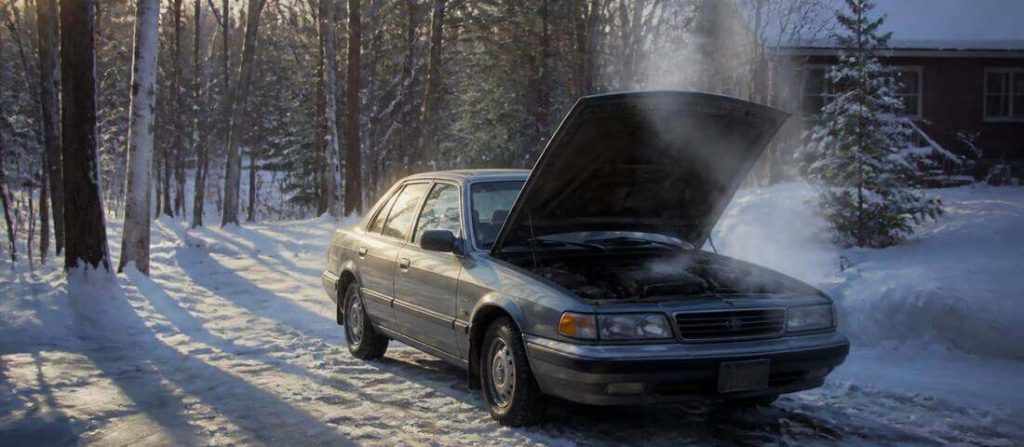
Few things are as unsettling as starting your car on a chilly morning, only for the engine to shudder, cough, and hesitate. That rough, uneven running, often accompanied by a flashing “Check Engine” light, is what we mechanics call a “misfire.” The real head-scratcher is when it goes away as soon as the engine warms up, making the problem seem to vanish just as you’re about to show it to a mechanic. This “cold-only” misfire is a very specific symptom, pointing to components or conditions that are particularly sensitive to low temperatures. While it might seem to resolve itself, ignoring it can lead to bigger, more expensive problems down the road. Let’s dig into exactly why your car misfires when cold, what it means, and if it’s safe to keep driving.
Contents
- 1 The Cold Start Challenge: Why Misfires Happen in Low Temperatures
- 2 Recognizing the Cold Misfire: What Does It Feel and Sound Like?
- 3 Common Culprits: What’s Failing When Your Car is Cold?
- 4 Diagnosing a Cold Misfire: A Mechanic’s Approach
- 5 Can You Drive With It? Safety & Urgency of a Cold Misfire
- 6 Repair Cost Breakdown: Fixing That Cold Misfire
- 7 DIY vs. Mechanic: Who Should Tackle a Cold Misfire?
- 8 Prevention Tips: Keeping Your Engine Smooth on Cold Starts
- 9 FAQs About Why Does My Car Misfires When Cold
- 9.1 Q: My Check Engine Light flashes during the cold misfire, then stays on. What does that mean?
- 9.2 Q: Can bad gas cause a misfire only when cold?
- 9.3 Q: My car smells like gasoline during a cold misfire. Is that normal?
- 9.4 Q: My mechanic said it’s probably just “condensation.” Is that a real thing?
- 9.5 Q: Should I let my car warm up for a long time if it misfires when cold?
- 10 Verdict: The Bottom Line
The Cold Start Challenge: Why Misfires Happen in Low Temperatures
Your engine’s first moments of operation after a cold soak are arguably its most challenging. Here’s why misfires are so common under these conditions:
- Fuel Atomization: Gasoline doesn’t vaporize as easily when it’s cold. The colder the engine and intake manifold, the more fuel droplets remain liquid, leading to a “lean” condition in the combustion chamber where a misfire is more likely. To compensate, the engine computer (ECU) commands a much richer fuel mixture, which can also lead to misfires if too rich, or if the spark is weak.
- Air Density: Cold air is denser than warm air, meaning more oxygen enters the cylinders. While this is generally good for power, it requires precise fuel metering and strong ignition to ensure proper combustion.
- Thermal Contraction: Gaskets, seals, and plastic components (like vacuum lines or ignition coils) can contract slightly when very cold. This can temporarily open up small vacuum leaks or create micro-cracks in ignition components that seal up as the engine warms and expands.
- Condensation: Moisture can build up in the exhaust system, ignition components, or even the fuel tank. This water can interfere with combustion until it’s burned off or evaporated by engine heat.
- Sensor Accuracy: Engine sensors, particularly the Coolant Temperature (ECT) sensor and Oxygen (O2) sensors, are crucial for the ECU to determine the correct air-fuel mixture. If any of these sensors are slow to react or provide inaccurate readings when cold, the ECU’s “cold start strategy” can be thrown off, leading to an incorrect mixture and misfires.
- Oil Viscosity: Cold oil is thicker, making the engine harder to turn over and potentially slowing down component movement. While not a direct cause of misfire, it adds to the overall stress of a cold start.
Essentially, a cold engine is a less efficient engine. It’s a precise balancing act of fuel, air, and spark, and any weakness in these systems is magnified when the engine is trying to operate far outside its optimal temperature range.
Recognizing the Cold Misfire: What Does It Feel and Sound Like?
A misfire means one or more cylinders aren’t firing correctly. When this happens on a cold engine, you’ll typically notice a specific set of symptoms:
- Rough Idle: The most common sign. The engine will shake, shudder, or vibrate excessively, especially noticeable in the steering wheel or seat. The RPMs might fluctuate wildly.
- Engine Hesitation or Lack of Power: When you try to accelerate, the car feels sluggish, almost like it’s struggling to move forward smoothly. It might bog down or feel like it’s “skipping” a beat.
- Flashing Check Engine Light (CEL): This is a critical indicator. A flashing CEL during a misfire means the ECU has detected a severe misfire event that is actively dumping unburnt fuel into the exhaust. This can rapidly damage your catalytic converter. If the misfire is intermittent, the light might flash, then go solid, or even turn off once the engine warms up and the misfire stops.
- Fuel Smell: You might notice a strong smell of raw gasoline from the exhaust, especially right after starting, due to unburnt fuel exiting the engine.
- Popping from Exhaust: In some cases, unburnt fuel igniting in the exhaust system can cause popping or backfiring sounds.
- Engine Noise: The engine might sound “lumpy” or uneven, rather than the smooth hum of a properly firing engine.
If these symptoms consistently appear only when the engine is cold and disappear once it reaches operating temperature, you’ve likely got a “cold misfire” on your hands.
Common Culprits: What’s Failing When Your Car is Cold?
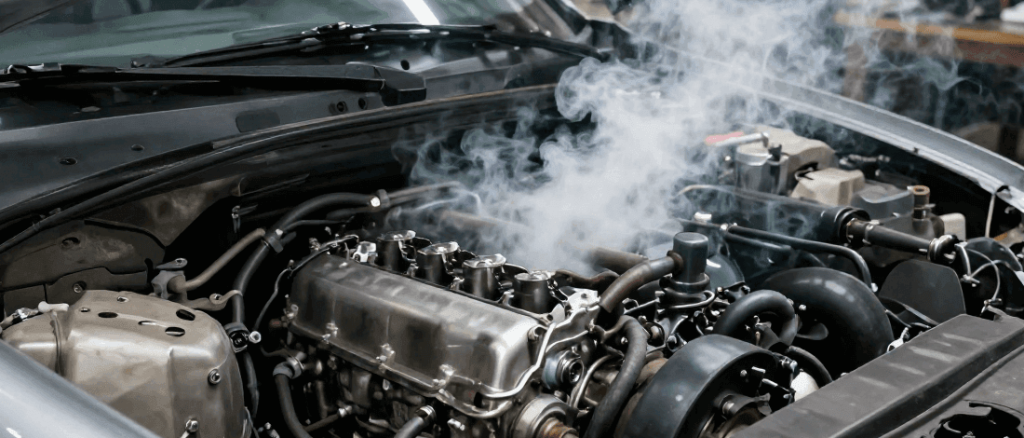
The “cold” aspect is the key diagnostic filter. While many things can cause a misfire, these are the most common culprits specifically when the engine is still chilly:
- Spark Plugs:
- Worn or Fouled: A spark plug needs to create a strong, consistent spark. If a plug is worn, carbon-fouled, or oil-fouled, it might struggle to ignite the cold, rich fuel mixture effectively, leading to a misfire that clears up when the engine warms and burns off deposits.
- Incorrect Gap: An improperly gapped plug (too wide) requires more voltage to spark, which is harder for a cold engine to provide.
- Ignition Coils (or Wires/Distributor Cap in older cars):
- Cracked or Weak: Coil packs (or spark plug wires/distributor caps in older vehicles) can develop micro-cracks or become brittle when cold. This can cause the spark to “leak” or be too weak to ignite the fuel, leading to a misfire. As the engine warms, the plastic expands, sealing the crack and allowing the coil to function normally.
- Moisture Intrusion: Condensation or moisture can accumulate on or within ignition components overnight, causing a short or weak spark until it evaporates.
- Fuel Injectors:
- Clogged or Leaking: A partially clogged injector might not atomize fuel properly, especially in a cold engine, leading to a lean misfire. A leaky injector can create an overly rich condition. The cold, thick fuel is harder to spray efficiently, making any injector weakness more apparent.
- Uneven Spray Pattern: A poor spray pattern makes it harder for the fuel to mix with air and ignite.
- Vacuum Leaks:
- Thermal Contraction: Rubber or plastic vacuum lines, intake manifold gaskets, or PCV valve components can contract when cold, creating a temporary leak. This allows unmetered air into the engine, leaning out the mixture and causing a misfire. As the engine warms, the components expand, sealing the leak, and the misfire disappears. This is a classic “disappearing act” misfire cause.
- Coolant Temperature Sensor (ECT Sensor):
- Inaccurate Readings: This sensor tells the ECU how cold the engine is. If it’s faulty and sends an incorrect, warmer-than-actual reading to the ECU, the computer will command a leaner fuel mixture than needed for a cold engine. This lean condition will cause a misfire until the engine genuinely warms up and the lean mixture becomes appropriate. This is a very common cold misfire culprit.
- Oxygen (O2) Sensors:
- Slow to React: O2 sensors need to be hot to function accurately. A failing or lazy O2 sensor might take too long to warm up and provide correct readings, causing the ECU to guess at the proper air-fuel ratio, potentially leading to misfires until it’s fully operational.
- Carbon Buildup:
- On Valves or Pistons: Excessive carbon buildup, particularly in direct injection engines, can absorb fuel in a cold engine, preventing proper combustion until the engine is hot enough to burn it off more effectively. It can also physically impede valve function.
- PCV Valve: A faulty PCV (Positive Crankcase Ventilation) valve can create a vacuum leak or cause excessive oil vapor to be drawn into the intake, leading to a misfire, especially when cold.
Diagnosing a Cold Misfire: A Mechanic’s Approach
Diagnosing a cold misfire can be challenging because the symptom often vanishes before the car makes it to the shop. Your observations as the driver are paramount.
- Driver’s Detailed Report (Your Role): Before calling the mechanic, observe and document:
- Temperature: What’s the outside temperature when it happens?
- Duration: How long does the misfire last (e.g., 30 seconds, 2 minutes, until full operating temp)?
- CEL: Does the Check Engine Light come on? Does it flash? Does it stay on, or turn off later?
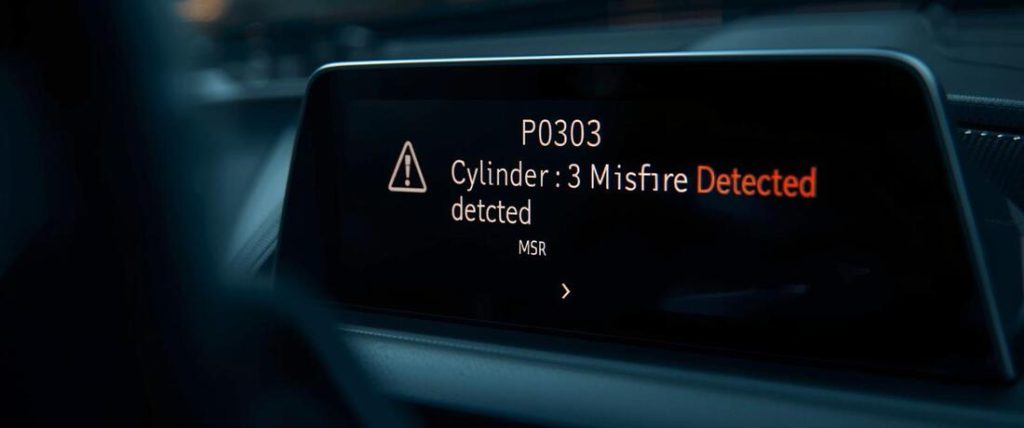
- Cylinder? If you have an OBD-II scanner, note any specific misfire codes (e.g., P0301 for cylinder 1 misfire).
- Smell: Do you smell fuel from the exhaust?
- Driving: Does it misfire at idle only, or when driving cold?
- Basic DIY Checks (If comfortable):
- Visual Check: With the engine off and cool, inspect spark plug wires (if applicable) for cracks or signs of arching. Look for obviously cracked or loose vacuum lines.
- Battery Test: A weak battery can make cold starts harder. Get your battery tested.
When your car comes to my shop, especially for an intermittent cold misfire, here’s my systematic approach:
- Confirm the Complaint & Cold Soak: The most effective way to diagnose a cold misfire is to “cold soak” the vehicle overnight at the shop. This ensures the engine is genuinely cold when diagnostics begin. I’ll read your detailed report carefully.
- Scan Tool – Codes & Live Data (Cold Start): With the engine cold, I’ll connect an advanced OBD-II scan tool. Before even starting, I’ll check for any stored or pending Diagnostic Trouble Codes (DTCs), especially misfire codes (P030x) or fuel trim codes. Then, during the cold start and while the misfire is occurring, I’ll monitor live data:
- Misfire Counters: Identify which specific cylinder(s) are misfiring.
- Coolant Temperature Sensor (ECT): Compare its reading to the actual ambient temperature; if it’s off, it’s a huge clue.
- Oxygen Sensor (O2) Readings: How quickly do they become active? Are they fluctuating correctly?
- Fuel Trims: Are they excessively positive (lean) or negative (rich)?
- MAF/MAP Sensor: Are readings plausible for a cold engine?
- Visual Inspection (Focused): Based on the misfire data, I’ll focus my visual inspection on the suspected cylinder(s) and relevant systems:
- Ignition: Remove spark plugs to inspect their condition (fouling, wear, gap). Inspect coils for cracks or discoloration.
- Fuel: If suspected, check fuel pressure and for leaking injectors (usually by removing them).
- Air: Perform a smoke test to definitively locate vacuum leaks, especially in areas prone to thermal contraction (intake gaskets, PCV hoses).
- Advanced Testing (If needed): If live data and visual checks don’t pinpoint it, I might proceed with:
- Fuel Pressure Test: To check for low fuel pressure or a faulty fuel pump.
- Compression Test / Leak-Down Test: To rule out internal engine issues like worn piston rings or valve problems, although these typically cause misfires at all temperatures.
- Injector Flow Test: To check for clogged or poorly atomizing injectors.
The most critical step in diagnosing a cold misfire is being able to observe it while it’s happening, either by reproducing it in the shop or through your detailed observations.
Can You Drive With It? Safety & Urgency of a Cold Misfire
While a cold misfire might seem to “fix itself” once the engine warms up, it’s not a harmless condition and should not be ignored.
- Immediate Danger (Severe Misfire): If the misfire is so severe that the car is barely drivable, shaking violently, or if the Check Engine Light is flashing consistently, you should limit driving or arrange a tow. A flashing CEL indicates that raw fuel is being dumped into the catalytic converter, which can rapidly overheat and permanently damage this very expensive component. Continued driving with a severe misfire can also lead to engine damage from unburnt fuel washing oil off cylinder walls.
- Urgent Attention (Drive with Caution): Even if the misfire is mild and clears quickly, it needs prompt attention. Aside from the catalytic converter risk, a persistent cold misfire means your engine is running inefficiently, increasing fuel consumption and emissions. It also indicates an underlying weakness that will only worsen over time, potentially leading to a misfire at all temperatures.
- Monitor (But Don’t Ignore): If it’s a very occasional, single “hiccup” on an exceptionally cold morning, and the CEL doesn’t illuminate, you might monitor it for a very short period. However, any recurring misfire, even a slight one, is a symptom of an issue that needs to be resolved. Don’t ever assume a misfire is harmless just because it goes away. It’s a clear signal that something is not right, and delaying diagnosis will almost always lead to a more expensive repair down the road.
Repair Cost Breakdown: Fixing That Cold Misfire
The cost to fix a misfire that only occurs when your engine is cold can vary significantly, depending on the root cause. Catching the problem early is crucial, as ignoring it can lead to exponentially higher costs, such as replacing a damaged catalytic converter. Here’s a breakdown of typical repair costs for the most common cold misfire culprits:
| Component Causing Misfire | Parts Cost (Estimated) | Labor Cost (Estimated) | Total Cost Range (Typical) | Key Factor Affecting Price |
|---|---|---|---|---|
| Spark Plugs (4-cylinder engine) | $20 – $80 | $60 – $150 | $80 – $230 | Type of plugs (copper, iridium, platinum), accessibility |
| Ignition Coil (one) | $50 – $150 | $40 – $100 | $90 – $250 | OE vs. aftermarket, accessibility, number of cylinders |
| Fuel Injector (one) | $100 – $300 | $100 – $300 | $200 – $600 | Direct vs. port injection, accessibility, cleaning vs. replacement |
| Vacuum Leak Repair | $10 – $100 | $80 – $300 | $90 – $400 | Size and location of leak, hose replacement vs. manifold gasket |
| Coolant Temp Sensor (ECT) | $20 – $80 | $50 – $150 | $70 – $230 | Sensor type, accessibility, system refill |
| MAF Sensor Cleaning/Replacement | $10 (cleaner) / $100-$300 | $0 (DIY) / $50-$100 | $10 – $400 | Cleaning often solves it; replacement is more costly |
| Catalytic Converter | $500 – $2000+ | $200 – $500 | $700 – $2500+ | If damaged by prolonged misfire; vehicle type, emission standards |
These figures are general estimates for a typical passenger vehicle in the USA and can fluctuate based on your location, vehicle make/model, whether you use OEM or aftermarket parts, and the specific labor rates of the shop.
The critical takeaway here is the potential for catalytic converter damage. A simple $100 spark plug issue, left unaddressed, can lead to a $1000+ catalytic converter replacement because the misfire dumps raw fuel into the exhaust, causing the converter to overheat and melt its internal structure.
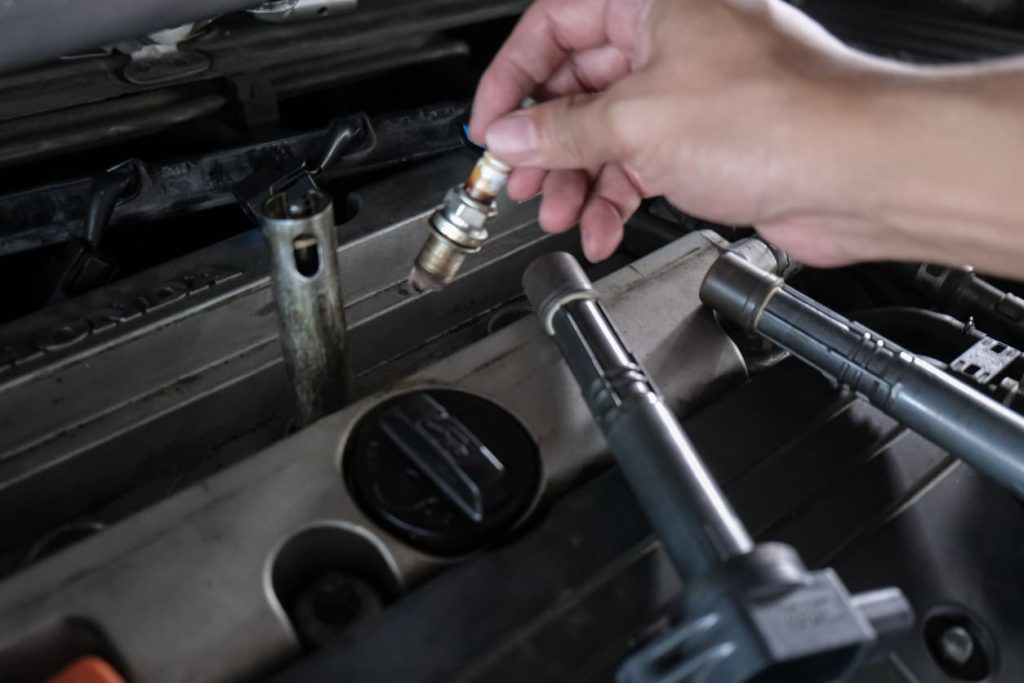
DIY vs. Mechanic: Who Should Tackle a Cold Misfire?
Diagnosing and repairing a cold misfire ranges from relatively simple DIY tasks to complex professional diagnostics. It truly depends on your skill level, tools, and the specific cause.
- DIY Feasible (with caution and knowledge):
- Reading OBD-II codes with a simple scanner.
- Inspecting spark plugs and wires (if easily accessible).
- Checking for obviously loose or cracked vacuum lines.
- Cleaning a Mass Air Flow (MAF) sensor.
- Why: These tasks are generally straightforward, require basic tools, and carry a lower risk of causing further damage.
- Mechanic Recommended (or Required):
- Diagnosing intermittent cold misfires with live data monitoring.
- Replacing fuel injectors or diagnosing fuel system pressure.
- Replacing coolant temperature sensors (especially if difficult to access).
- Performing smoke tests for vacuum leaks.
- Any misfire that is severe, persistent, or triggers a flashing Check Engine Light.
- Why: Advanced diagnostic tools (professional scan tools, smoke machines, fuel pressure testers) and experience are often required to pinpoint the exact, elusive cause of a cold-only misfire. Incorrect diagnosis or repair can lead to continued misfires, catalytic converter damage, or other engine problems. If you’re uncertain about any step, or if the misfire persists after basic checks, a professional mechanic will save you time, money, and headaches.
Prevention Tips: Keeping Your Engine Smooth on Cold Starts
Preventing cold misfires largely comes down to diligent, proactive maintenance and using quality components:
- Adhere to Maintenance Schedule: Follow your vehicle manufacturer’s recommended service intervals for spark plug replacement, air filter changes, and fuel filter replacement (if applicable).
- Use Quality Fuel: Stick with reputable fuel stations. Lower quality fuel can contain more impurities or moisture, impacting combustion.
- Regular Fuel System Cleaner: Occasionally use a high-quality fuel system cleaner (e.g., PEA-based) to help keep fuel injectors clean and prevent carbon buildup.
- Inspect Vacuum Lines: Periodically check rubber and plastic vacuum lines for cracks, brittleness, or disconnections.
- Monitor Battery Health: A weak battery can cause lower voltage to ignition components, making a cold start misfire more likely. Ensure your battery is in good condition, especially before winter.
- Warm-Up Sensibly: Avoid revving a cold engine hard. Give it 30-60 seconds to circulate oil, then drive gently until it reaches operating temperature.
FAQs About Why Does My Car Misfires When Cold
Q: My Check Engine Light flashes during the cold misfire, then stays on. What does that mean?
A: A flashing Check Engine Light indicates a severe misfire that is actively damaging your catalytic converter by sending unburnt fuel into the exhaust. When it stops flashing and remains solid, it means the misfire is still detected but is less severe or intermittent. Regardless, a flashing light means immediate attention is needed.
Q: Can bad gas cause a misfire only when cold?
A: Yes. “Bad” gas, especially with water contamination, can certainly cause misfires that are more pronounced when cold. Water and fuel don’t mix, and the water is harder to vaporize or emulsify in cold temperatures, leading to ignition problems until the engine warms up.
Q: My car smells like gasoline during a cold misfire. Is that normal?
A: No, it’s a symptom, not normal. A strong smell of raw gasoline indicates unburnt fuel is exiting the exhaust. This happens during a misfire because the fuel isn’t combusting in the cylinder. It’s a key sign of a misfire and a major contributor to catalytic converter damage.
Q: My mechanic said it’s probably just “condensation.” Is that a real thing?
A: Yes, “condensation” can be a factor. Moisture can accumulate in ignition components (like spark plug boots) or in the exhaust system. This can cause a temporary misfire until the engine heats up and evaporates the moisture. However, it’s rarely the sole cause for a persistent, severe misfire and often points to an underlying issue (e.g., poor seal on a coil, faulty PCV system).
Q: Should I let my car warm up for a long time if it misfires when cold?
A: While it’s good to let the engine run for about 30-60 seconds to circulate oil before driving, excessive idling, especially with a misfire, is generally counterproductive. It prolongs the period of inefficient operation, contributes to carbon buildup, and in the case of a flashing CEL, prolongs catalytic converter damage. It’s better to drive gently once oil pressure is up, as driving helps the engine warm up faster.
Verdict: The Bottom Line
A misfire that only occurs when your car is cold is your engine’s clear signal that one or more of its critical systems – ignition, fuel, or air – is struggling under less-than-ideal operating conditions. While the problem might disappear as the engine warms, ignoring it is a costly gamble that can lead to significant damage to expensive components like your catalytic converter, reduced fuel efficiency, and unreliable performance. Pay close attention to its symptoms, provide detailed information to a trusted mechanic, and address the issue promptly. A healthy engine is a happy engine, and a properly diagnosed and repaired cold misfire ensures smooth, efficient, and reliable starts every time.