
This article was updated in August 7, 2026 with new products and information by Mark S. Taylor
There’s nothing quite as frustrating as pulling up to a red light, taking your foot off the gas, and feeling your car shudder, then die. Even worse when it only happens at stop signs, making you look like you forgot how to drive. If your car only stalls when you come to a complete stop, you’re not alone. I’ve seen this exact problem roll into my shop more times than I can count. It’s a specific symptom, and that means we can narrow down the potential culprits quickly. This isn’t random; it points to particular issues with how your engine handles low-speed operation. Let’s cut to the chase and figure out why your car is giving you grief at every intersection.
Contents
- 1 Understanding Your Car’s Idle: The Delicate Balance
- 2 The Mechanic’s Stalling Checklist: What to Rule Out First
- 3 Is It Safe to Drive? The Risk Assessment for Stalling
- 4 What Other Symptoms Point to the Problem?
- 5 Repair Cost Breakdown: Fixing Stalling at Stop Signs
- 6 DIY vs. Mechanic: When to Grab the Wrench
- 7 Preventing Future Stalling Issues
- 8 FAQs About Why Does My Car Only Stall at Stop Signs?
- 8.1 Q: My car stalls, but the Check Engine Light isn’t on. What does that mean?
- 8.2 Q: Why does my car stall only when the AC is on and I stop?
- 8.3 Q: My car stalls, but starts right back up. Is that less serious?
- 8.4 Q: Can a dirty air filter cause my car to stall at stop signs?
- 8.5 Q: My car stalled once, but hasn’t done it again. Should I still worry?
- 9 The Verdict: Don’t Live with a Stalling Car
Understanding Your Car’s Idle: The Delicate Balance
Your car’s engine is designed to run at various speeds, but idle is special. When you’re driving, the throttle body is open, letting in plenty of air. But at a stop, with your foot off the accelerator, the throttle plate is almost closed. So, how does the engine keep running? That’s where your engine control unit (ECU) and a few key sensors come in. The ECU constantly adjusts the air-fuel mixture and timing to maintain a steady, low RPM. It does this by subtly bypassing the main throttle plate, allowing a precise amount of air into the engine, typically controlled by an Idle Air Control (IAC) valve. If any part of this delicate balance of air, fuel, or spark at low RPM gets messed up, your engine can’t sustain itself, and it dies.
The Mechanic’s Stalling Checklist: What to Rule Out First
When a car only stalls at stop signs, I don’t just start throwing parts at it. There’s a logical flow to diagnosis. Here’s what I check first, because these are the most common and often easiest to identify:
- The Idle Air Control (IAC) Valve: This is probably my number one suspect for stalling only at idle. The IAC valve is a small motor-driven valve that opens and closes to control the amount of air bypassing the throttle plate when your foot is off the gas. If it gets clogged with carbon, sticks, or fails electrically, your engine can’t get the correct amount of air to maintain idle RPM, and it chokes out. Symptoms: Often starts with an erratic idle, then progresses to stalling. You might notice it restarts easily after stalling.
- Vacuum Leaks: Your engine relies on a sealed system to maintain specific vacuum pressures, which are vital for many sensors and functions. A cracked, brittle, or disconnected vacuum hose (especially small ones) can introduce “unmetered” air into the engine. This upsets the air-fuel ratio, and the engine struggles to compensate, particularly at idle when the vacuum signal is highest. Symptoms: A hissing sound under the hood, rough idle, and sometimes a Check Engine Light.
- Dirty Throttle Body: Over time, carbon deposits build up around the throttle plate inside the throttle body. These deposits can restrict the small amount of air needed for idle, or even prevent the throttle plate from fully closing. When you lift your foot off the gas, there isn’t enough air to keep the engine going, and it stalls. Symptoms: Rough idle, hesitant acceleration, and stalling at low speeds.
- Mass Air Flow (MAF) Sensor: The MAF sensor measures the amount of air entering the engine. If it’s dirty or faulty, it sends incorrect information to the ECU. The ECU then injects the wrong amount of fuel, leading to an unbalanced air-fuel mixture. While a bad MAF can cause problems at all speeds, its incorrect readings are often most noticeable when the engine is trying to maintain a very precise idle. Symptoms: Rough idle, hesitation, poor fuel economy, and often a Check Engine Light.
- Faulty Throttle Position Sensor (TPS): The TPS tells the ECU how much the throttle plate is open. If it’s sending an incorrect signal, the ECU might not realize you’ve completely lifted off the gas, or it might interpret the throttle as partly open when it’s not. This confuses the idle control system, causing the engine to die when you stop. Symptoms: Hesitation, surging, and stalling, sometimes accompanied by a Check Engine Light.
- Clogged Fuel Filter / Weak Fuel Pump: Less common for only at idle, but possible. If your fuel delivery system isn’t providing consistent pressure, the engine might starve for fuel, especially when coming to a stop and trying to maintain a precise idle. Symptoms: Engine struggles under acceleration, hesitation, and eventually, stalling. A Check Engine Light for fuel system issues might appear.
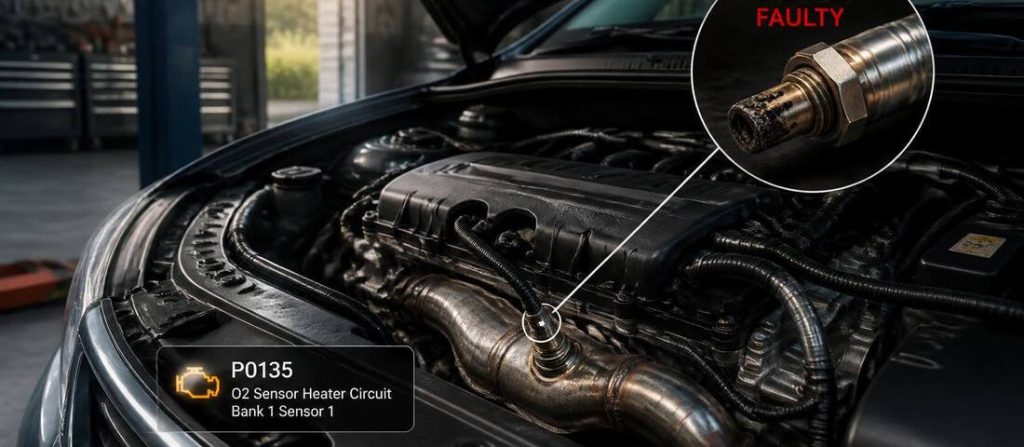
- Check Engine Light (CEL) & Diagnostic Codes: Always check if your Check Engine Light is on. If it is, that’s your first clue. A code scanner will often point you directly to the system (or even the specific sensor) that’s causing the problem. Many of the issues above, like a faulty MAF or TPS, will trigger a code.
Before buying any parts, systematically checking these common points will save you time and money.
Is It Safe to Drive? The Risk Assessment for Stalling
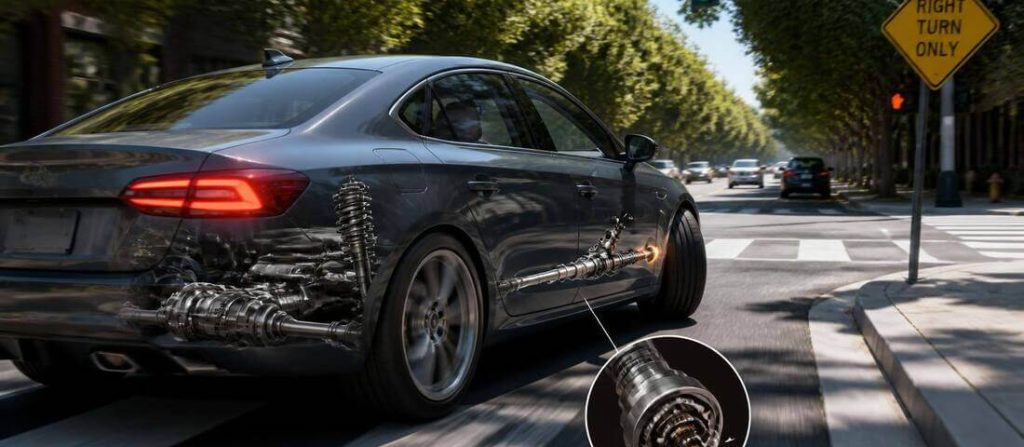
Let’s be clear: a car that stalls is a dangerous car. When your engine dies, you lose power steering and power brakes. While you can still steer and brake, it requires significantly more physical effort. Imagine stalling in the middle of an intersection, or worse, on a busy highway off-ramp. You become a hazard to yourself and everyone around you.
I’ve had customers try to “live with it” for weeks, only for the problem to escalate or for them to have a close call in traffic. A stalling car is an unpredictable car, and unpredictability on the road is dangerous. Even if it restarts easily, the underlying problem is still there and will likely worsen over time. Do not put off getting this fixed. If your car is stalling frequently, especially in traffic, consider it unsafe to drive until it’s diagnosed and repaired. If you absolutely must drive it a short distance to a repair shop, drive with extreme caution, leave plenty of following distance, and be ready to manually steer and brake if it stalls.
What Other Symptoms Point to the Problem?
The stall itself is the main event, but other symptoms can help me, or your mechanic, pinpoint the cause even faster. Pay attention to these details:
- Rough Idle: Before it stalls, does the engine shake or feel lumpy, like it’s struggling to breathe? This often points to an air-fuel mixture issue or ignition problem.
- Engine Hesitation or Poor Acceleration: If the car feels sluggish when you press the gas after it’s been idling, it could be related to fuel delivery, a dirty MAF, or a vacuum leak affecting overall performance.
- Poor Fuel Economy: When your engine isn’t running efficiently, it burns more fuel. This is a common companion to dirty sensors or vacuum leaks.
- Check Engine Light (CEL) Codes: If your CEL is on, get it scanned. Those P0xxx codes are specific clues. For example, a P0505 often points to the IAC system, while various P0171/P0174 codes can indicate lean conditions, often caused by vacuum leaks.
- Hard Starts After Stalling: If the engine struggles to crank or start after it dies, it suggests a more severe fuel delivery issue (like a weak fuel pump) or even ignition trouble. If it restarts easily, it often points to an idle control problem.
- Stalling Only When Warm or Cold: Does it happen reliably only when the engine is cold, or only after it’s been running for a while? This helps narrow down component failures that are temperature-sensitive.
- Stalling with AC On: The AC compressor puts extra load on the engine. If the idle control system isn’t compensating correctly, the added load can kill the engine when you stop.
Pay attention to when it stalls – cold engine, warm engine, or always? That tells me a lot.

Repair Cost Breakdown: Fixing Stalling at Stop Signs
The cost to fix a car that only stalls at stop signs can vary widely depending on the actual culprit. A simple cleaning might be cheap, while a sensor replacement can add up. Here’s what you can expect for common repairs in the US market, including parts and labor.
| Repair Item | Average Parts Cost | Average Labor Cost | Total Cost Range |
|---|---|---|---|
| Throttle Body Cleaning | $10 – $25 (cleaner) | $75 – $150 | $85 – $175 |
| Idle Air Control (IAC) Valve | $80 – $250 | $75 – $150 | $155 – $400 |
| Mass Air Flow (MAF) Sensor | $80 – $300 | $50 – $100 | $130 – $400 |
| Throttle Position Sensor (TPS) | $30 – $100 | $50 – $100 | $80 – $200 |
| Vacuum Leak Repair (Hoses) | $10 – $50 | $100 – $250 | $110 – $300 |
| Fuel Filter Replacement | $20 – $80 | $75 – $150 | $95 – $230 |
| Spark Plugs (4-Cylinder) | $20 – $60 | $100 – $200 | $120 – $260 |
| Diagnostic Fee | N/A | $80 – $150 | $80 – $150 |
A diagnostic fee often saves you money by preventing unnecessary part replacements. Paying a mechanic to accurately identify the problem with proper tools and expertise is a better investment than throwing money at guesswork.
DIY vs. Mechanic: When to Grab the Wrench
Some troubleshooting and fixes are DIY-friendly, but others definitely require a pro. Knowing the difference can save you time, money, and frustration.
DIY Friendly (with caution):
- Visual Inspection: Checking vacuum hoses for obvious cracks or disconnections.
- Throttle Body Cleaning: With the right cleaner and some patience, you can often clean a dirty throttle body yourself. Follow instructions carefully.
- MAF Sensor Cleaning: A specific MAF cleaner spray can often clear up a dirty sensor. Be extremely gentle.
- Check Engine Light Scan: Many auto parts stores will scan your codes for free. This gives you a starting point.
- Fuel Filter/Spark Plugs: If you’re comfortable with basic maintenance, these are often replaceable with standard tools.
Call a Mechanic (strongly recommended):
- Complex Vacuum Leaks: If you can’t easily find the leak, a mechanic has smoke machines and other tools to locate it.
- IAC, MAF, or TPS Replacement: While physically easy on some cars, these often require the ECU to “relearn” the new sensor’s parameters, which may need a scan tool. Buying a cheap aftermarket sensor can also cause more problems than it solves.
- Anything Involving Fuel Pressure: Testing fuel pressure requires specialized gauges and can be dangerous if not done correctly.
- Intermittent or Difficult-to-Reproduce Stalls: These are the trickiest. A mechanic can often capture data while driving to identify the exact conditions when the stall occurs.
- Check Engine Light without Clear Cause: If the codes are vague or don’t obviously point to a single component, professional diagnosis is key.
Don’t guess; diagnosing engine performance issues often requires specialized tools and experience.
Preventing Future Stalling Issues
The best fix is prevention. Most idle-related stalling issues stem from a few common maintenance oversights:
- Regular Maintenance Schedule: Stick to your car’s recommended maintenance. This includes air filter changes, fuel filter replacements, and spark plug changes.
- Keep Your Air Intake Clean: Ensure your air filter is clean, and consider a routine throttle body cleaning every 30,000 to 50,000 miles, especially if you drive in dusty conditions.
- Inspect Vacuum Hoses: Periodically (e.g., during an oil change) visually inspect your vacuum lines under the hood. Look for cracks, brittleness, or loose connections.
- Address Check Engine Lights Promptly: Don’t ignore a CEL. It’s often your car’s way of telling you a sensor is going bad before it leads to a drivability issue like stalling.
- Use Quality Fuel: While less common for idle stalls, poor fuel quality can contribute to deposit buildup over time.
Skipping routine maintenance often leads to these ‘mystery’ problems down the road.
FAQs About Why Does My Car Only Stall at Stop Signs?
Q: My car stalls, but the Check Engine Light isn’t on. What does that mean?
A: Not all issues immediately trigger a CEL. Intermittent problems, early sensor failures, or purely mechanical issues like a very dirty throttle body or a small vacuum leak might not set a code right away. This makes diagnosis harder, but doesn’t mean the problem isn’t real.
Q: Why does my car stall only when the AC is on and I stop?
A: The AC compressor puts a significant load on your engine. Your car’s ECU is supposed to compensate for this added load by increasing the idle speed slightly. If your IAC valve is dirty or failing, or if there’s an underlying vacuum leak, the engine might not be able to maintain its idle speed with the extra AC load, leading to a stall.
Q: My car stalls, but starts right back up. Is that less serious?
A: No, it’s still serious. The fact that it restarts easily often points to an issue with idle control (like the IAC valve or throttle body) rather than a complete engine or fuel system failure. However, it’s still dangerous. An easily restarting stall is still a stall, and it’s still unpredictable.
Q: Can a dirty air filter cause my car to stall at stop signs?
A: While a very dirty air filter can affect overall engine performance and fuel economy, it’s less likely to be the sole cause of stalling only at stop signs unless it’s severely clogged. However, it contributes to other problems like a dirty MAF or throttle body, so it’s always worth checking and replacing as part of good maintenance.
Q: My car stalled once, but hasn’t done it again. Should I still worry?
A: Yes. An intermittent stall is often an early warning sign. It could be a sensor on the verge of failing, a vacuum line that flexes just right, or a throttle body just starting to build up carbon. Get it checked out. It’s much easier to diagnose and fix a problem when it’s just starting than after it becomes consistent or leaves you stranded.
The Verdict: Don’t Live with a Stalling Car
A car that stalls, especially when you’re coming to a stop, isn’t just an annoyance – it’s a safety hazard. Losing power steering and brakes in traffic is a recipe for disaster. While many of the common culprits like a dirty IAC valve or a vacuum leak can be relatively straightforward to fix, ignoring the problem will only lead to further frustration, potential danger, and likely more expensive repairs down the line. Don’t procrastinate; get your car diagnosed by a professional. Your peace of mind and safety on the road are worth it.