
This article was updated in September 12, 2026 with new products and information by Mark S. Taylor
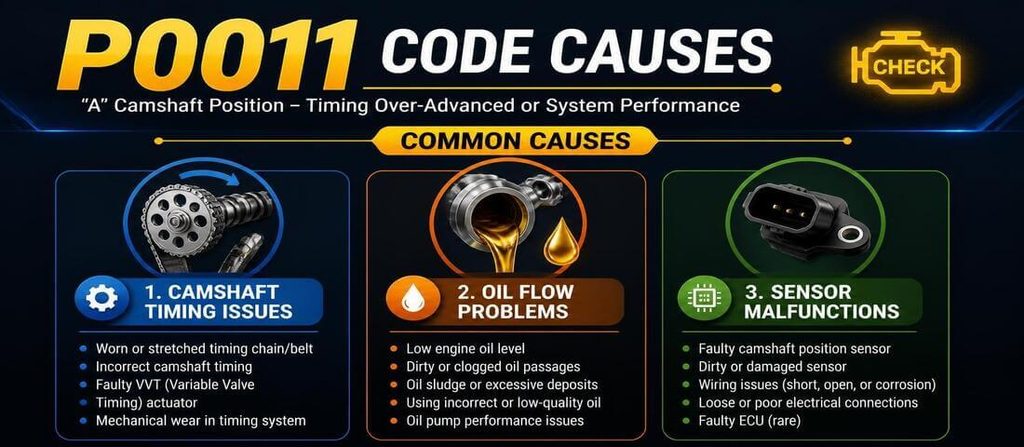
The P0011 code means the engine computer has detected that the “A” camshaft on Bank 1 is more advanced than expected or that the variable valve timing system is not performing within its commanded range.
That sounds like a camshaft sensor problem, but it isn’t necessarily one.
P0011 can be caused by an oil-control problem, a sticking VVT solenoid, restricted oil flow, wiring problems, a camshaft actuator/phaser fault, incorrect mechanical timing, or a vehicle-specific control/software issue.
That is why replacing the camshaft position sensor just because P0011 appears is a common diagnostic mistake.
Contents
- 1 What Does P0011 Mean?
- 2 How Variable Valve Timing Relates to P0011
- 3 P0011 Code Symptoms
- 4 8 Common Causes of P0011
- 4.1 1. Low engine oil
- 4.2 2. Dirty or incorrect engine oil
- 4.3 3. Stuck VVT or oil-control solenoid
- 4.4 4. Restricted VVT oil passage or filter
- 4.5 5. Wiring or connector problem
- 4.6 6. Failed camshaft actuator or phaser
- 4.7 7. Incorrect mechanical timing
- 4.8 8. Vehicle-specific software or calibration issue
- 5 How to Diagnose P0011
- 6 P0011 Fixes
- 7 Can Low or Dirty Oil Cause P0011?
- 8 Can a Bad VVT Solenoid Cause P0011?
- 9 Can a Bad Camshaft Position Sensor Cause P0011?
- 10 Can a Timing Chain Cause P0011?
- 11 P0011 vs. P0010, P0012 and P0014
- 12 Can You Drive With a P0011 Code?
- 13 P0011 Repair Cost
- 14 Common P0011 Diagnostic Mistakes
- 15 FAQs About P0011 Code Causes and Fixes
- 16 Final Verdict
Quick Answer
P0011 means “A” Camshaft Position – Timing Over-Advanced or System Performance, Bank 1.
The most common things to check are:
- Engine oil level and condition
- Correct oil viscosity/specification
- VVT/oil-control solenoid operation
- Solenoid wiring and connectors
- Oil passages and screens
- Camshaft actuator/phaser operation
- Actual camshaft timing
- Timing-chain condition and alignment
- Vehicle-specific software updates or service bulletins
The correct repair depends on which part of the VVT system is actually failing.
A P0011 code tells you where the engine computer detected a timing problem—not automatically which component to replace.
What Does P0011 Mean?
P0011 is a generic OBD-II powertrain diagnostic trouble code.
Its standard description is:
“A” Camshaft Position – Timing Over-Advanced or System Performance (Bank 1).
Let’s break that down.
“A” camshaft
On many engines, the “A” camshaft corresponds to the intake camshaft.
However, manufacturers can define their camshaft terminology differently, so don’t rely solely on a generic code description when diagnosing a specific vehicle.
Bank 1
Bank 1 is the side of the engine containing cylinder No. 1.
On a four-cylinder inline engine, there is normally only one cylinder bank.
On a V6 or V8, identifying Bank 1 correctly matters.
Timing over-advanced
The engine computer commands a particular camshaft position.
It then compares the expected position with the position reported by the engine’s timing sensors.
If the camshaft remains too far advanced or the system cannot control it within the expected range, P0011 can set.
How Variable Valve Timing Relates to P0011
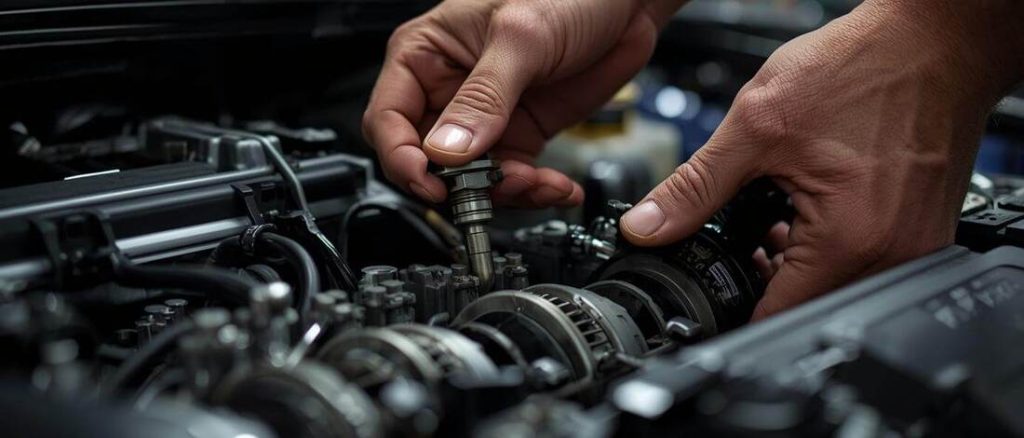
Modern engines use variable valve timing to change camshaft timing according to operating conditions.
The system can use engine oil pressure to move a camshaft actuator or phaser.
An oil-control solenoid regulates oil flow to the timing mechanism.
Toyota’s genuine parts information, for example, describes its cam-timing oil-control valves as regulating oil flow within the variable valve timing system to help adjust camshaft timing.
That means engine oil isn’t just lubricating the engine.
In many VVT systems, oil is also part of the control mechanism.
If oil flow is restricted, incorrect, contaminated or controlled incorrectly, camshaft timing can end up somewhere other than where the ECM expects it.
P0011 Code Symptoms
P0011 symptoms vary by vehicle and by the underlying fault.
Common symptoms include:
- Check Engine Light
- Rough idle
- Hard starting
- Engine hesitation
- Poor acceleration
- Reduced engine performance
- Stalling
- Poor fuel economy
- Engine noise
- Reduced power
Some vehicles may have very few noticeable symptoms besides the Check Engine Light.
Others can run poorly enough to make the vehicle difficult or unsafe to drive.
OBD-II diagnostic references commonly list hard starting, poor idle and stalling among possible P0011 symptoms.
8 Common Causes of P0011
1. Low engine oil
This is one of the first things worth checking.
Many VVT systems depend on engine oil pressure and clean oil passages to move and control the camshaft actuator.
If the oil level is too low, the system may not operate correctly.
But don’t stop the diagnosis at “add oil.”
Find out why the oil level is low.
Oil consumption, leaks or another engine problem may be responsible.
2. Dirty or incorrect engine oil
Old, contaminated or incorrect oil can interfere with VVT operation.
Some VVT systems have small oil passages, screens or control components that can become restricted.
A Subaru service bulletin, for example, includes oil changes in the diagnostic path for certain camshaft timing faults and also calls for checking the related harness.
Use the manufacturer’s specified oil viscosity and specification.
Don’t assume that a thicker oil is a better solution.
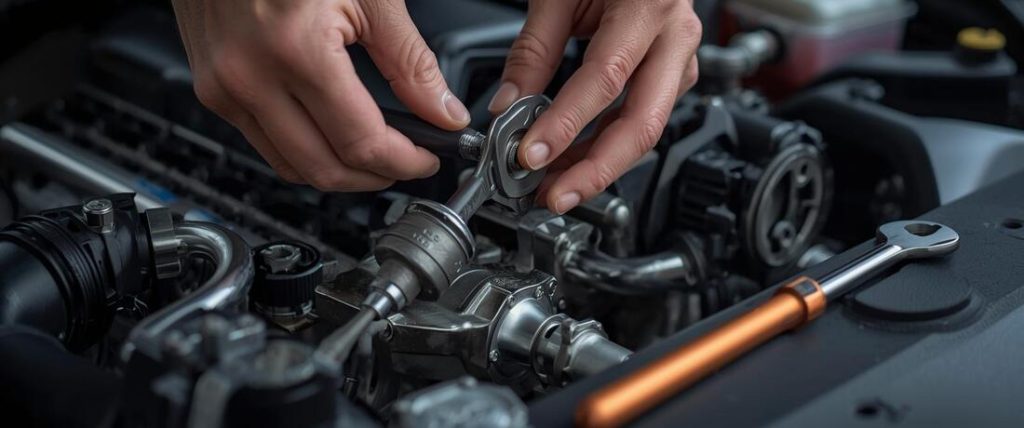
3. Stuck VVT or oil-control solenoid
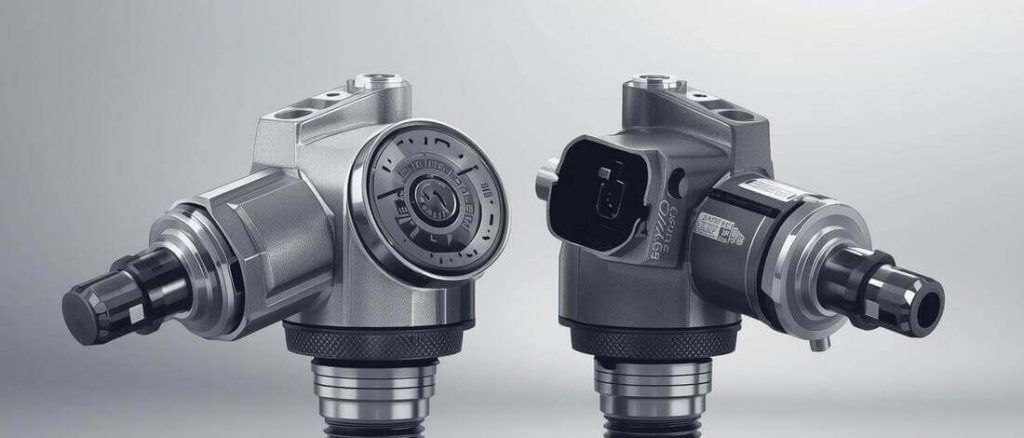
The VVT solenoid controls oil flow to the camshaft timing mechanism.
If the valve sticks, becomes contaminated or otherwise fails to control oil correctly, the camshaft may not move as commanded.
A manufacturer may call this an:
- Oil Control Valve
- OCV
- VVT solenoid
- VCT solenoid
- Camshaft position actuator solenoid
The terminology changes by manufacturer.
Toyota describes its cam-timing oil-control solenoid as regulating oil flow to the variable valve timing system.
4. Restricted VVT oil passage or filter
The solenoid can be perfectly functional while the oil cannot reach the actuator properly.
Possible restrictions include:
- Sludge
- Debris
- Blocked screens
- Contaminated oil passages
- Damaged components
This is one reason simply replacing the solenoid doesn’t always fix P0011.
5. Wiring or connector problem
The ECM has to control and monitor the VVT system electrically.
Damaged wiring, poor connector contact, corrosion or an intermittent connection can interfere with solenoid operation or sensor signals.
A Subaru diagnostic procedure for camshaft timing faults specifically includes checking harness connections between the oil-control valve, cam-angle sensor, crank-angle sensor and ECU.
6. Failed camshaft actuator or phaser
The actuator/phaser is the mechanical component that actually changes camshaft position.
If it sticks, wears internally or cannot hold the commanded position, the ECM can detect a timing-performance problem.
The actuator can therefore be the actual failure even when the solenoid and wiring are good.
7. Incorrect mechanical timing
A stretched, damaged or incorrectly installed timing chain can cause camshaft timing to fall outside the expected range.
This is especially important if P0011 appeared after:
- Timing-chain replacement
- Cylinder-head work
- Camshaft work
- Engine replacement
- Major engine repair
A GM service bulletin documents P0011 and related timing codes appearing after camshaft actuator removal, with the actual issue involving an actuator oil sleeve.
So a recent timing-system repair should immediately change your diagnostic priorities.
8. Vehicle-specific software or calibration issue
Sometimes the hardware is not the problem.
A manufacturer may release a software update to correct how the engine computer monitors or controls the VVT system.
Honda’s 2024 bulletin for certain Civic Type R models with P0011 instructs technicians to check engine oil level, update PGM-FI software and perform camshaft/VTC learning procedures.
Toyota/Lexus also has a documented P0011 application where the correction included an ECM calibration update.
That’s why checking technical service bulletins before replacing expensive parts is worthwhile.

How to Diagnose P0011
The best diagnosis works from the simplest possibilities toward the expensive mechanical ones.
Step 1: Confirm the code
Use a scan tool to verify P0011.
Don’t assume a parts-store code description tells the entire story.
Record:
- Stored codes
- Pending codes
- Freeze-frame data
- Engine RPM
- Engine temperature
- Vehicle speed
- Oil temperature if available
- Camshaft commanded position
- Camshaft actual position
Also look for related codes.
Codes such as P0010, P0012, P0016 or P0017 can change the diagnostic direction.
Step 2: Check the engine oil
Check the oil level using the manufacturer’s procedure.
Then inspect:
- Oil condition
- Correct viscosity
- Correct specification
- Evidence of sludge
- Metal contamination
- Recent oil-change history
If the oil is significantly contaminated or the level is wrong, correct that problem before condemning VVT components.
But remember:
Changing the oil is a diagnostic step only when the oil condition/level is actually suspect.
It isn’t a universal P0011 repair.
Step 3: Check for technical service bulletins
Before replacing a VVT solenoid, camshaft sensor or timing components, search manufacturer service information for P0011 on the exact:
- Year
- Make
- Model
- Engine
- VIN range
This step can save a lot of unnecessary parts replacement.
Manufacturer bulletins demonstrate that the same generic P0011 code can have completely different causes on different engines.
Step 4: Inspect the VVT solenoid and wiring
Inspect the connector and wiring for:
- Broken wires
- Corrosion
- Oil contamination
- Loose terminals
- Damaged insulation
- Poor connector engagement
Then test the solenoid according to the vehicle-specific service procedure.
Do not rely on a generic resistance specification from another vehicle.
Step 5: Check VVT live data
A capable scan tool can show commanded and actual camshaft positions on supported vehicles.
This is extremely useful.
If the ECM commands a camshaft movement but the actual camshaft position doesn’t follow, the problem may be mechanical, hydraulic or electrical.
If the camshaft remains advanced when the system should return toward its base position, a sticking control valve or actuator becomes more suspicious.
The exact values and test conditions are vehicle-specific.
Step 6: Test oil pressure when required
If the VVT system relies on engine oil pressure, verify that pressure when the service procedure calls for it.
Low engine oil pressure can affect more than the VVT system.
Possible causes include:
- Low oil level
- Wrong oil viscosity
- Excessive engine bearing clearance
- Oil-pump problems
- Restricted pickup
- Internal leakage
Do not install a new VVT solenoid to compensate for an engine that cannot produce the required oil pressure.
Step 7: Verify mechanical timing
If the electrical and oil-control checks pass, inspect mechanical timing.
Depending on the engine, this may involve checking:
- Timing-chain alignment
- Camshaft timing marks
- Chain stretch
- Tensioner operation
- Camshaft actuator position
- Crankshaft-to-camshaft correlation
This is where a P0011 diagnosis can become a major repair.
Step 8: Confirm the repair
After the repair:
- Clear the codes.
- Perform required VVT/camshaft learning procedures.
- Follow the specified drive cycle.
- Monitor commanded vs. actual camshaft position.
- Confirm that P0011 does not return.
Some vehicles specifically require a relearn or calibration procedure after VVT-related repairs. Honda’s P0011 bulletin is one example.

P0011 Fixes
The fix depends on the actual cause.
| Cause | Possible repair |
|---|---|
| Low oil | Correct oil level and diagnose the loss |
| Wrong/contaminated oil | Replace with manufacturer-specified oil/filter |
| Sticking VVT solenoid | Clean/test if permitted or replace |
| Restricted oil passage | Clean/repair the affected system |
| Wiring fault | Repair wiring/connectors |
| Failed cam actuator/phaser | Replace affected component |
| Incorrect timing | Correct mechanical timing |
| Timing-chain problem | Repair chain/tensioner/guides as required |
| Software issue | Apply manufacturer-approved update |
| Required relearn | Perform vehicle-specific learning procedure |
Notice what isn’t on the list:
“Replace the camshaft sensor because the code says camshaft.”
That is not a diagnosis.
Can Low or Dirty Oil Cause P0011?
Yes, on engines whose VVT system depends on engine oil flow and pressure.
Oil level and condition should therefore be checked early in the diagnostic process.
But don’t turn this into another oversimplified rule:
“P0011 = change the oil.”
If the oil is clean and at the correct level, the problem may be the solenoid, oil passage, actuator, wiring, mechanical timing or software.
A Subaru diagnostic bulletin, for example, includes oil replacement within a specific diagnostic procedure for certain applications, demonstrating that oil can be part of the solution—but only in the context of that particular engine and test procedure.
Can a Bad VVT Solenoid Cause P0011?
Yes.
A VVT solenoid that sticks open, sticks closed or cannot properly regulate oil flow can prevent the camshaft from reaching the commanded position.
But don’t replace it automatically.
Test it according to the vehicle’s service information.
Some solenoids can be contaminated.
Others may have electrical faults.
Still others may operate electrically but fail mechanically.
And even a perfectly functioning solenoid cannot compensate for a damaged cam actuator or incorrect mechanical timing.
Can a Bad Camshaft Position Sensor Cause P0011?
It can contribute to camshaft timing-related faults on some vehicles, but P0011 does not automatically condemn the camshaft position sensor.
The ECM uses camshaft and crankshaft position information to determine whether actual camshaft timing matches the expected position.
A signal problem can therefore create misleading timing-related codes.
But the diagnosis should determine whether the sensor signal is actually faulty before replacing the sensor.
This is exactly why a P0011 code should be interpreted together with the other stored codes, live data and vehicle-specific diagnostic procedure.
Can a Timing Chain Cause P0011?
Yes.
Incorrect mechanical timing can produce P0011.
This becomes particularly suspicious if the code appeared immediately after timing-chain or cylinder-head work.
A stretched chain, incorrectly installed timing components, damaged tensioner or actuator problem can all create camshaft timing errors.
Some applications can also develop unusual mechanical failures that trigger P0011 and related correlation codes. GM has documented a specific 2.7L application where loose intake cam-actuator cover-plate screws could produce P0011/P0016, abnormal noise, oil debris, no-start and loss of compression.
That example is important because it shows why engine noise + P0011 deserves more attention than a simple “replace the solenoid” approach.
P0011 vs. P0010, P0012 and P0014
These codes are related but not identical.
| Code | General meaning |
|---|---|
| P0010 | “A” camshaft position actuator circuit, Bank 1 |
| P0011 | “A” camshaft timing over-advanced/system performance, Bank 1 |
| P0012 | “A” camshaft timing over-retarded, Bank 1 |
| P0014 | “B” camshaft timing over-advanced/system performance, Bank 1 |
The generic P00xx code listing confirms these distinctions.
The diagnostic direction changes depending on which code is present.
For example, P0010 points more directly toward the actuator-control circuit, while P0011 indicates that the actual camshaft timing is too advanced or the system isn’t performing as expected.
Can You Drive With a P0011 Code?
It depends on the symptoms and the underlying cause.
If the vehicle has only a Check Engine Light and runs normally, it may still be drivable for a short distance to obtain diagnosis.
But don’t ignore P0011 indefinitely.
Stop driving and have the vehicle inspected promptly if you also have:
- Severe engine noise
- Stalling
- Major loss of power
- Hard starting
- No-start condition
- Low oil pressure warning
- Flashing Check Engine Light
- Severe rough running
This is especially important when P0011 is accompanied by unusual timing-chain or camshaft noise.
Certain manufacturer-specific P0011 cases have involved serious mechanical faults, including potential no-start and loss of compression.

P0011 Repair Cost
There is no honest universal P0011 repair price.
The cost depends heavily on what actually failed.
A basic oil/filter service may be relatively inexpensive.
A VVT solenoid can be considerably more.
A cam actuator/phaser or timing-chain repair can become a major labor-intensive engine repair.
Potential cost categories include:
| Repair | Relative cost |
|---|---|
| Oil/filter service | Low |
| Wiring repair | Low–moderate |
| VVT solenoid | Low–moderate |
| Sensor replacement | Low–moderate |
| Oil-passage repair | Moderate |
| Cam actuator/phaser | Moderate–high |
| Timing-chain repair | High |
| Internal engine repair | Very high |
Treat these as relative categories, not quotes.
Labor accessibility and the exact engine can make a huge difference.
Common P0011 Diagnostic Mistakes
Replacing the camshaft sensor first
The word “camshaft” appears in the code, so it is tempting.
But the code describes a timing-performance condition, not necessarily a failed sensor.
Replacing the VVT solenoid without testing it
The solenoid is a common suspect, but not every P0011 is caused by the solenoid.
Changing the oil and assuming the repair is complete
If contaminated oil caused the problem, an oil change may help.
If the actual problem is mechanical timing, the code will return.
Ignoring the timing chain
A P0011 that appears after timing-chain work deserves immediate attention to mechanical timing.
Ignoring service bulletins
Manufacturer-specific problems can have specific fixes.
Honda, Toyota/Lexus and GM have all documented different P0011-related causes and corrective procedures.
Using generic electrical specifications
VVT systems differ considerably.
Use the exact resistance, voltage, oil-pressure and scan-data specifications for the engine being diagnosed.
FAQs About P0011 Code Causes and Fixes
What is the most common cause of P0011?
There is no single cause across all vehicles. Oil-related VVT problems, sticking oil-control solenoids, restricted oil passages, wiring issues and mechanical timing problems can all cause P0011.
Can an oil change fix P0011?
It can if incorrect, degraded or contaminated oil is interfering with the VVT system. But an oil change will not repair a failed solenoid, actuator, wiring problem or incorrect mechanical timing.
Is P0011 serious?
It can be. A mild VVT control issue may cause drivability problems without immediate engine damage, but P0011 combined with engine noise, severe running problems or loss of compression can indicate a more serious mechanical fault.
Can I clear P0011 myself?
You can clear a diagnostic code with an appropriate scan tool, but clearing it doesn’t fix the underlying problem. If the fault remains, the code will return.
Does P0011 mean the timing chain is bad?
No. A timing-chain problem is one possible cause, but oil flow, VVT components, wiring and other issues can produce the same code.
Does P0011 mean the VVT solenoid is bad?
No. A sticking or faulty VVT solenoid is one possible cause, but it needs to be tested before replacement.
Final Verdict
P0011 is a camshaft timing-performance code, not a parts-replacement instruction.
Start with the basics: check oil level and condition, confirm the correct oil specification, inspect the VVT solenoid and wiring, look at scan-tool data, and check manufacturer service information.
If those checks don’t explain the fault, move toward oil-pressure testing, camshaft actuator testing and mechanical timing inspection.
And if P0011 appeared after timing-chain or engine work, don’t overlook the possibility of an installation or mechanical problem.
The best diagnostic rule is the same one that applies to most OBD-II codes:
The code tells you where the computer sees a problem. Your testing tells you which part actually failed.