
This article was updated in August 9, 2026 with new products and information by Mark S. Taylor
You press the brake pedal, expecting a smooth, controlled stop, but instead, your car veers sharply to one side. This isn’t just an inconvenience; it’s a critical safety issue that demands immediate attention. A car pulls when braking means there’s an imbalance in your vehicle’s stopping power, and it can significantly compromise your ability to steer and stop safely, especially in an emergency. As a mechanic, I’ve seen how quickly a minor pull can turn into a dangerous situation. This guide will walk you through why your car might be pulling, what type of pull you’re experiencing, and the crucial steps to diagnose and resolve this serious problem.

Contents
- 1 Is It Safe to Drive When Your Car Pulls While Braking?
- 2 The Mechanic’s Diagnostic Decision Tree: What Kind of Pull Is It?
- 3 Top 5 Reasons Your Car Pulls When Braking (And How It Happens)
- 4 Beyond the Brakes: Other Causes of Braking Pull
- 5 Repair Cost Breakdown: What to Expect
- 6 DIY Initial Checks: What You Can Safely Inspect
- 7 FAQs About Car Pulls When Braking?
- 7.1 Q: My car pulls when braking after I just had new brake pads installed. What happened?
- 7.2 Q: Can a pulling sensation sometimes be accompanied by the ABS light coming on?
- 7.3 Q: What if my car makes a grinding noise and pulls when braking?
- 7.4 Q: My car pulls when braking and the brake pedal feels soft or goes to the floor. What’s wrong?
- 7.5 Q: Could a wheel bearing cause my car to pull when braking?
- 8 The Verdict: Don’t Compromise Your Stopping Power
Is It Safe to Drive When Your Car Pulls While Braking?
Let’s cut straight to the chase: A car pulling when braking is never truly “safe” and should be addressed as soon as possible. Your braking system is your car’s most important safety feature. Any imbalance in stopping power increases your stopping distance and makes your vehicle unpredictable under stress.
- If the pull is sudden, severe, or causes you to significantly fight the steering wheel to maintain control: DO NOT DRIVE THE VEHICLE. This indicates a major failure (like a seized caliper or a completely collapsed brake hose) that could lead to complete loss of braking on one wheel or even wheel lock-up. Call a tow truck immediately.
- If the pull is gradual, mild, and you can easily counteract it with steering input, and there are no strange noises or smells: You might be able to drive it directly to a trusted mechanic, but with extreme caution. Drive slowly, leave extra following distance, and avoid sudden braking. Understand that even a mild pull can become severe without warning.
- If you notice any new grinding, burning smells, or a soft/spongy brake pedal accompanying the pull: This combination indicates a more serious brake system failure. Again, a tow truck is your safest option.
Never compromise your ability to stop and steer. When in doubt, get it towed.
The Mechanic’s Diagnostic Decision Tree: What Kind of Pull Is It?
When diagnosing a car that pulls, I mentally go through a decision tree, starting with critical distinctions. Your observations are key here, so pay close attention to when and how the pulling occurs.
1. Does the Car Pull All the Time, or Only When Braking?
This is the most crucial differentiator.
- If the car pulls constantly, even when you’re not touching the brakes, and just driving straight down the road:
- This is typically a wheel alignment problem, uneven tire pressure, or a worn/damaged suspension component (like a ball joint or control arm bushing). While these can worsen during braking, the primary issue isn’t the brake system itself.
- Action: Check tire pressure first. If that doesn’t fix it, an alignment shop is your next stop.
- If the car drives perfectly straight until you press the brake pedal, and then it pulls:
- This points overwhelmingly to an issue within your brake system, or sometimes a severe suspension issue that only manifests under braking load. This is the focus of the rest of this guide.
- Action: Proceed to the next diagnostic questions below.
2. When Braking, Is the Pull Hard or Soft? Gradual or Sudden?
The nature of the pull itself provides more clues.
- Hard, Sharp, or Sudden Pull (especially if new or worsening quickly):
- This suggests a significant, rapid difference in braking force from one side to the other.
- Most Likely Causes: A seized brake caliper (one side is constantly applying too much brake force) or a collapsed internal brake hose (restricting fluid to one side, causing that side to under-brake). Also, a completely contaminated brake pad on one side.
- Action: Given the severity, limit driving to the absolute minimum, or tow the car to a shop. This requires immediate professional attention.
- Softer, Gradual Pull (often worsening over time):
- Indicates a less dramatic, but still problematic, imbalance.
- Most Likely Causes: Unevenly worn brake pads/rotors (due to normal wear or minor caliper issues), mildly warped brake rotors, or minor tire pressure differences becoming pronounced under braking load. Can also be a slowly deteriorating suspension component.
- Action: Get it inspected by a mechanic as soon as possible. While less immediate, it will worsen and compromise safety.
3. Is the Pull Accompanied by Any Other Symptoms?
Listen and feel for anything else out of the ordinary.
- Pulling with a Vibration/Pulsation in the Brake Pedal or Steering Wheel:
- This often points to warped brake rotors on the front wheels. When the pads clamp down on an uneven rotor surface, it creates a pulsating sensation. If only one side is significantly warped, it can cause a pull.
- Action: Professional brake inspection and likely rotor replacement/resurfacing.
- Pulling with a Burning Smell (especially after braking):
- A burning smell (often like hot plastic or rubber) almost always indicates a stuck brake caliper or a severely dragging brake pad on one side. The constant friction generates intense heat and a distinct odor.
- Action: Stop driving and have it towed. The caliper is likely overheating, which can boil brake fluid, damage other brake components, and even cause a fire.
- Pulling with a Squealing, Grinding, or Scraping Noise:
- This indicates severely worn brake pads that are now metal-on-metal. If only one side is making the noise and causing a pull, it points to uneven pad wear.
- Action: Replace brake pads and inspect rotors immediately. Continuing to drive will damage the rotors beyond repair.
- Pulling with a Spongy or Low Brake Pedal:
- This combination is extremely serious. A soft pedal suggests air in the brake lines or a failing master cylinder. When coupled with a pull, it means that even the reduced braking force is unevenly distributed.
- Action: DO NOT DRIVE. This is a critical safety issue that could lead to complete brake failure. Have it towed.
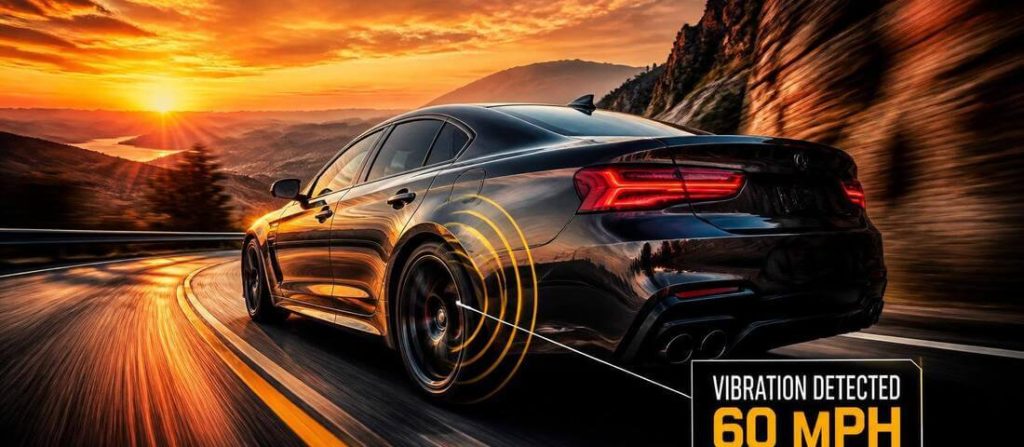
Top 5 Reasons Your Car Pulls When Braking (And How It Happens)
If your car only pulls when you apply the brakes, the problem almost certainly lies within your braking system. Here’s how the most common issues mechanically cause that dangerous pull:
1. Seized Brake Caliper
- What it is: The brake caliper houses the brake pads and hydraulic pistons. When you press the brake pedal, brake fluid pressure pushes these pistons, forcing the pads against the rotor. If a caliper’s piston, guide pins, or slide mechanisms seize up (due to rust, dirt, or old age), it can’t retract properly or, worse, it can’t release.
- How it causes pulling: A seized caliper on one side means that wheel is either constantly dragging (creating uneven resistance even before braking) or it’s applying significantly more braking force than the other side when you hit the pedal. This uneven application of force literally yanks the car towards the side with the working or seized caliper.
- Symptoms: Hard pull to one side, burning smell (from overheated brakes), wheel that feels hotter than others, reduced fuel economy.
2. Collapsed or Swollen Brake Hose
- What it is: Each wheel has a flexible rubber brake hose that connects the rigid brake lines on the chassis to the caliper, allowing for suspension movement. Over time, the internal layers of these hoses can degrade.
- How it causes pulling: When the internal lining collapses, it acts like a one-way valve. Brake fluid can still be pushed to the caliper when you press the pedal, but it can’t easily flow back from the caliper when you release the pedal. This leaves the brake partially engaged on that one wheel, causing drag. Alternatively, a swollen hose can restrict fluid flow to a caliper, causing that wheel to brake less than the other, making the car pull towards the side with the proper braking force.
- Symptoms: Gradual pull that might worsen, wheel feeling hotter, brake pedal feeling “soft” on release, or delayed release of brake on one side.
3. Unevenly Worn or Contaminated Brake Pads
- What it is: Brake pads are designed to wear evenly. However, if a caliper isn’t sliding freely (due to seized guide pins) or if a pad gets contaminated with oil, grease, or brake fluid, its ability to grip the rotor changes drastically.
- How it causes pulling: If one pad is significantly more worn than its counterpart, or if one pad is contaminated and loses friction, that wheel will brake less effectively. The car will then pull towards the side where the brakes are working correctly and applying more force.
- Symptoms: Pulling, sometimes accompanied by squealing (worn pads) or reduced braking effectiveness.
4. Warped Brake Rotors
- What it is: Brake rotors are the metal discs that the brake pads clamp onto. Excessive heat (from heavy braking or a dragging caliper) can cause the rotors to warp, meaning their surface is no longer perfectly flat.
- How it causes pulling: A warped rotor causes an inconsistent contact patch with the brake pads. As the rotor spins, the pads will grab harder on the high spots and less on the low spots. If one rotor is significantly more warped than the other (or warped more severely on one side), it creates an uneven, pulsating braking force that can feel like a pull or a strong vibration through the steering wheel or brake pedal.
- Symptoms: Pulling accompanied by a pulsation or vibration felt in the brake pedal or steering wheel when braking.
5. Air in the Brake Lines (or Low Brake Fluid)
- What it is: The brake system is hydraulic, relying on incompressible fluid. If air (which is compressible) enters the lines, or if the brake fluid level drops too low due to a leak, it compromises the system’s ability to transmit pressure efficiently.
- How it causes pulling: While often leading to a “spongy” or “low” brake pedal, uneven distribution of air or significantly lower fluid pressure to one side of the system can cause that wheel to brake less effectively. The car will then pull towards the side with higher effective brake pressure.
- Symptoms: Spongy brake pedal, reduced braking power, often a pull, potentially a brake fluid leak visible under the car.
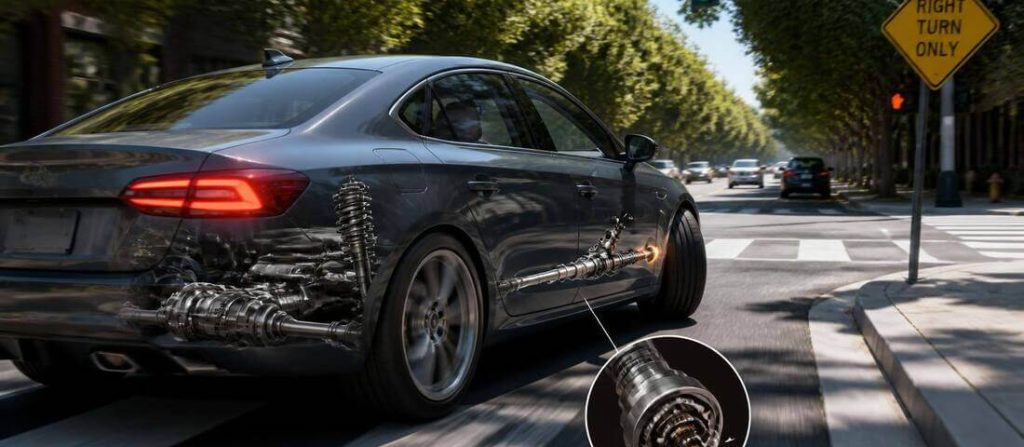
Beyond the Brakes: Other Causes of Braking Pull
While brake components are the most frequent culprits for a braking-specific pull, issues in your suspension, steering, or even tires can contribute or cause a similar symptom. These issues are generally characterized by a constant pull that worsens during braking, or a pull that’s simply not originating from the brakes.
1. Wheel Alignment Issues
- What it is: When your wheels aren’t perfectly aligned to the manufacturer’s specifications (camber, caster, toe), the car will constantly try to steer in one direction.
- How it causes pulling: Even a car with a perfectly aligned steering wheel will drift if the wheel alignment is off. When you apply the brakes, the vehicle’s weight shifts forward, and any pre-existing alignment issue becomes more pronounced under this increased load, making the pull more noticeable.
- Symptoms: Constant pull even when not braking, uneven tire wear, steering wheel not centered.
2. Worn Suspension Components (Ball Joints, Control Arm Bushings, Tie Rod Ends)
- What it is: These components connect your wheels and steering system to the car’s chassis. They allow for controlled movement and absorb road shocks. When they wear out, they develop excessive “play” or looseness.
- How it causes pulling: Looseness in a ball joint, control arm bushing, or tie rod end on one side allows that wheel to shift position unevenly when braking forces are applied. This slight shift in geometry during braking causes the wheel to “toe out” or “toe in” unexpectedly, making the car pull.
- Symptoms: Clunking noises over bumps, uneven tire wear, a feeling of vagueness or sloppiness in the steering, and a pull that might be felt both during driving and worsen significantly when braking.
3. Uneven Tire Pressure or Worn Tires
- What it is: Your tires are the critical interface with the road. If one tire has significantly lower pressure than the others, or if a tire has severely uneven wear (e.g., a separated belt causing it to be out of round), its rolling resistance and grip will differ from the other tires.
- How it causes pulling: When you brake, the car’s weight shifts, and the tire with lower pressure or an irregular shape will deform differently, creating an uneven amount of friction and resistance. This disparity in grip can cause the car to pull towards the side with the “stickier” or more firmly planted tire.
- Symptoms: Constant pull (if due to pressure/alignment), noticeable pull during braking, uneven tire wear, potentially a visible bulge or flat spot on a tire.

Repair Cost Breakdown: What to Expect
The cost to fix a car that pulls when braking can vary widely, from a free tire pressure adjustment to a significant suspension overhaul. Early diagnosis is key. Remember, brake repairs often involve replacing parts in pairs (e.g., both front pads/rotors) to ensure even braking.
| Repair Item | Average Parts Cost | Average Labor Cost | Total Cost Range |
|---|---|---|---|
| Check Tire Pressure | Free | Free | Free |
| Brake Pads (per axle) | $50 – $200 | $100 – $250 | $150 – $450 |
| Brake Rotors (per axle) | $100 – $400 | $50 – $150 (with pads) | $150 – $550 |
| Brake Caliper (per side) | $80 – $300 | $150 – $350 | $230 – $650 |
| Brake Hose (per side) | $30 – $80 | $80 – $200 | $110 – $280 |
| Brake Fluid Flush | $30 – $50 | $70 – $150 | $100 – $200 |
| Wheel Alignment | N/A | $75 – $150 | $75 – $150 |
| Ball Joint (per side) | $50 – $200 | $150 – $400 | $200 – $600 |
| Control Arm Bushing (per side) | $30 – $150 | $100 – $300 | $130 – $450 |
| Diagnostic Fee | N/A | $80 – $150 | $80 – $150 |
Remember: A diagnostic fee is always money well spent. It ensures your mechanic accurately identifies the specific cause of the pull, preventing you from replacing parts that aren’t actually broken.
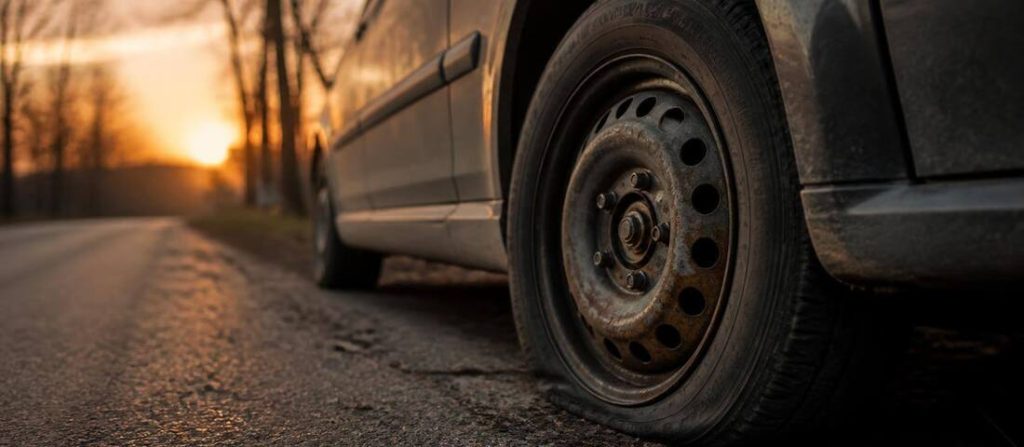
DIY Initial Checks: What You Can Safely Inspect
Before you rush to the mechanic, you can perform a few basic, safe checks yourself. These might help you identify the issue or at least provide valuable information to your technician.
- Check All Tire Pressures: Use a reliable tire gauge. Ensure all four tires are inflated to the manufacturer’s recommended pressure (found on a sticker inside the driver’s side door jamb or in the owner’s manual).
- Visual Tire Inspection: Look for obvious damage like bulges, cuts, or severely uneven wear patterns on any tire.
- Check Brake Fluid Level: Locate your brake fluid reservoir under the hood (often near the driver’s side firewall). Ensure the fluid level is between the MIN and MAX lines. Low fluid could indicate a leak.
- Listen and Feel: During a very cautious test drive (if safe to do so), pay close attention. Does the pull only happen when braking? Is there a grinding, squealing, or burning smell? Does the brake pedal feel normal, or spongy? These details are invaluable for diagnosis.
- Check for Lug Nuts (If You Recently Had Wheels Removed): Although less common, very loose lug nuts on one wheel could cause instability and exacerbate a pull when braking. If you recently had a tire change or rotation, briefly check that all lug nuts are snug (do not overtighten without a torque wrench).
FAQs About Car Pulls When Braking?
Q: My car pulls when braking after I just had new brake pads installed. What happened?
A: This is often due to the new pads not being “bedded in” properly, uneven installation, or a problem with an underlying component that wasn’t addressed. It could also mean one caliper isn’t functioning correctly with the new pads, or a brake hose is collapsing. Go back to the shop that did the work immediately.
Q: Can a pulling sensation sometimes be accompanied by the ABS light coming on?
A: Yes. If a wheel locks up prematurely, or an ABS sensor detects a significant difference in wheel speed during braking due to a mechanical issue (like a seized caliper), it can trigger the ABS system and illuminate the ABS warning light. This often means the system is detecting an anomaly it can’t correct.
Q: What if my car makes a grinding noise and pulls when braking?
A: A grinding noise, especially with a pull, is a critical sign that your brake pads are completely worn out and you’re grinding metal-on-metal (the backing plate of the pad against the rotor). This causes severe damage to the rotor and will definitely cause uneven braking. Stop driving and get it repaired immediately.
Q: My car pulls when braking and the brake pedal feels soft or goes to the floor. What’s wrong?
A: This combination is extremely dangerous. A soft or low brake pedal indicates a severe loss of hydraulic pressure, likely due to a major brake fluid leak, air in the brake lines, or a failing master cylinder. Coupled with a pull, it means your braking system is severely compromised. DO NOT DRIVE. Have the car towed to a repair shop immediately.
Q: Could a wheel bearing cause my car to pull when braking?
A: Yes, indirectly. A severely worn wheel bearing can introduce excessive play in the wheel. When braking, the forces on the wheel can cause this play to become pronounced, altering the wheel’s alignment temporarily and leading to a pull. You’d typically also hear a humming or growling noise that worsens with speed.
The Verdict: Don’t Compromise Your Stopping Power
A car that pulls when braking is not just an irritation; it’s a critical safety warning. Your braking system is the most vital safety component in your vehicle, and any imbalance compromises your ability to stop effectively and predictably. Whether it’s a minor issue like uneven tire pressure or a serious fault like a seized caliper, ignoring the problem will not only lead to more extensive and costly repairs down the road but also put you and others on the road at significant risk. Use this guide to understand the likely causes, but do not delay professional inspection and repair. Your safety, and the integrity of your vehicle, depend on it.