
This article was updated in May 3, 2026 with new products and information by Mark S. Taylor
You turn the key. The dashboard lights up. The radio plays. But the engine? Dead silence — or just a sad little click.
This is one of the most frustrating car problems out there. And the most confusing part? The lights are on. So the battery must be fine, right?
Not necessarily.
I’ve seen this exact problem dozens of times — in driveways, parking lots, and on the side of the road at the worst possible moment. The good news is, in most cases, the fix is simpler than you think.
Do not call a tow truck yet. This is a very common electrical puzzle. In this guide, I will explain exactly why your car won’t start even though the lights work. We will look at the difference between “power” and “starting power,” and how to get you back on the road.

Contents
- 1 What Does “Car Won’t Start But Lights Work” Actually Mean?
- 2 Common Symptoms to Watch For
- 3 Top Causes — Ranked from Most to Least Common
- 4 Step-by-Step Troubleshooting Guide
- 5 Fixes and Solutions for Each Cause
- 6 When It’s Serious — Red Flags That Need a Pro
- 7 Prevention Tips — Stop This from Happening Again
- 8 Common Mistakes People Make ⭐
- 9 Pro Tips from Real Experience ⭐
- 10 FAQs About — Car Won’t Start But Lights Work
- 10.1 Can a bad battery really cause a no-start if the lights still work?
- 10.2 How do I tell if it’s the starter or the battery?
- 10.3 Why does my car just click but not start?
- 10.4 Is it safe to keep jump-starting my car?
- 10.5 My car has a push-button start and won’t start — is it different?
- 10.6 How much does it usually cost to fix this problem?
- 10.7 Quick Summary
Quick Answer
When your car won’t start but the lights work, it usually means the battery is too weak to crank the engine, the starter motor has failed, or there’s a bad connection between the battery and the starter. Working lights don’t mean a healthy battery — starting an engine needs far more power than running lights or the radio.
What Does “Car Won’t Start But Lights Work” Actually Mean?
It means your battery has some power — but not enough (or the right kind of power) to start the engine.
Here’s the thing most people get wrong: lights only need a trickle of electricity. Your starter motor needs a massive burst of power — up to 300 amps — all in one shot. That’s a completely different demand.
So your battery can look perfectly fine on the surface, with all your electronics working, while still failing to do the one job that matters most: spinning the engine to life.
There are also two different failure types to understand:
- No crank — You turn the key and nothing happens, or you hear a click. The engine doesn’t even try to turn over.
- Cranks but won’t fire — The engine turns over slowly (rrr-rrr-rrr) but never starts. This usually points to a fuel or spark issue, not the battery or starter.
This guide focuses mainly on the no-crank situation — the most common version of this problem.
Common Symptoms to Watch For
Knowing your exact symptom helps you find the cause faster.
- Dashboard lights on, engine completely silent — No crank at all. Battery, starter, or ignition switch.
- Single loud click — Usually the starter solenoid trying and failing once.
- Rapid clicking (click-click-click-click) — Classic sign of a weak battery that can’t sustain the current.
- Lights dim when you try to start — Battery is weak. It’s being drained the moment you try to crank.
- Intermittent problem — Works sometimes, fails other times. Often corroded terminals or a dying battery.
- Slow, labored cranking — Engine turns over but sluggishly. Battery is on its way out.
- Strange smell or recent warning lights — Could point to an alternator or electrical fault.
Pay close attention to the sound. It’s the fastest clue you have.
Top Causes — Ranked from Most to Least Common
1. Weak or Failing Battery
This is the number one cause, by a wide margin.
A car battery doesn’t just die all at once. It weakens gradually — often over months — until one cold morning, it just can’t deliver enough punch to spin the starter.
The tricky part: a weak battery can still power your lights, radio, and dashboard perfectly. It’s only when you ask for that massive burst of cranking current that it fails.
Signs specific to this cause:
- Rapid clicking when you turn the key
- Lights dim noticeably when you try to start
- Battery is 3–5+ years old
- Car has been sitting unused for weeks
Fix: Jump-start first to confirm. If it starts, get the battery tested at any auto parts store — most do it free. Replace if needed.
Cost: Battery replacement runs $100–$200 for most vehicles.
2. Bad Starter Motor or Solenoid
If the battery tests fine but the car still won’t start, the starter is the next suspect.
The starter motor is a small electric motor that physically spins your engine to get it going. The solenoid is the switch that sends power to it. Either can fail.
A single loud click when you turn the key is the classic starter solenoid symptom. Rapid clicking with a good battery almost always points to the starter itself.
Signs specific to this cause:
- One loud click, then nothing
- Lights stay bright (battery is fine)
- Car occasionally starts fine, then suddenly won’t
- Grinding noise when starting in the past
Fix: A mechanic will need to test and likely replace the starter. In a pinch, gently tapping the starter with a wrench can temporarily unstick it — but that’s a one-time trick, not a real solution.
Cost: $200–$500 including labor, depending on the vehicle.
3. Corroded or Loose Battery Terminals
This is the most overlooked cause — and often the cheapest fix.
Even if your battery is perfectly healthy, dirty or loose connections can block the current from reaching the starter. Corrosion builds up gradually and often goes unnoticed until the car suddenly won’t start.
Pop the hood and look at the battery. Do you see white, blue, or greenish crusty buildup around the posts? That’s corrosion. It’s acting like a resistor in your starting circuit.
Signs specific to this cause:
- Intermittent starting problems
- Car works fine in warm weather but struggles in cold
- Visible crust around battery terminals
- Terminal cables feel loose when you wiggle them
Fix: Disconnect the terminals (negative first), scrub with a wire brush and a paste of baking soda and water, rinse, dry, and reconnect firmly. This takes 10 minutes and costs almost nothing.
Cost: Free, or $5 for a terminal cleaning kit.
4. Alternator Problems
If your battery keeps dying even after you replace it, the alternator may be the real culprit.
The alternator charges your battery while the engine runs. A failing alternator means the battery never gets properly recharged. You might start the car fine in the morning, drive it, park it — and then it won’t start again two hours later.
Signs specific to this cause:
- Battery warning light on the dashboard
- Car starts fine after a jump but dies again quickly
- Headlights flicker or dim while driving
- Multiple batteries failing in a short period
Fix: Test the alternator with a multimeter while the engine is running. A healthy alternator should output 13.8–14.7 volts. Below that, it’s failing and needs replacing.
Cost: $300–$700 including parts and labor.
5. Ignition Switch or Neutral Safety Switch
This one catches a lot of people off guard.
The ignition switch sends the signal from your key to the starter. If it’s failing, that signal never gets through — even though your lights and electronics work fine (they’re on a different circuit).
The neutral safety switch is specific to automatic transmission cars. It physically prevents the car from starting unless it’s in Park or Neutral. If this switch fails or your shifter isn’t fully in Park, the car won’t start at all.
Signs specific to this cause:
- No sound at all when you turn the key
- Dashboard warning lights don’t appear in the “on” position before cranking
- Try shifting to Neutral — if it starts there but not in Park, it’s the neutral safety switch
- Flickering dashboard when turning the key
Fix: The neutral safety switch is a quick DIY check (shift to Neutral and try again). The ignition switch requires a mechanic to diagnose and replace.
Cost: Neutral safety switch: $100–$200. Ignition switch: $150–$350.
6. Other Less Common Causes
If you’ve ruled out the above, consider these:
- Dead key fob battery — Modern cars with push-button start won’t recognise a dead key fob. Try holding the fob directly against the start button, or use a spare key.
- Blown fuse — A fuse in the starting circuit can blow and kill the starter without affecting lights. Check your fuse box (location is in your owner’s manual).
- Fuel system failure — If the engine cranks but won’t fire, the fuel pump or fuel filter may be at fault. Turn the key to “ON” and listen for a brief hum from the rear of the car — that’s the fuel pump priming. No hum = potential fuel pump failure.
- Immobiliser / security system — Some anti-theft systems can accidentally activate and prevent starting. A flashing key symbol on the dashboard is the giveaway.
- Timing belt failure — Rare for a no-crank situation, but if the engine makes a grinding or rattling noise instead of clicking, and nothing else explains it, this is worth investigating.
Step-by-Step Troubleshooting Guide
Work through these in order. Most cases are solved in the first three steps.
Before you start: Put the car in Park, apply the handbrake, and turn off all electronics to reduce battery drain. Have a multimeter handy if possible.
- Turn on the headlights, then try to start the car. Watch the lights. If they dim sharply when you try to crank, the battery is weak. If they stay bright and nothing happens, it’s more likely the starter or ignition switch.
- Listen carefully to the sound. Rapid clicking = weak battery or starter. Single click = starter solenoid. Complete silence = ignition switch, blown fuse, or dead neutral safety switch. Slow cranking = weak battery.
- Open the hood and inspect the battery terminals. Look for corrosion (white/green crust) and check that the cables are tight. Clean if dirty, tighten if loose. Try starting again.
- Test the battery voltage with a multimeter. Place the red probe on the positive terminal (+) and black on negative (−). A healthy battery reads 12.4–12.6V when the car is off. Below 12V means it’s too weak to reliably start the engine.
- Try a jump-start. If the car starts, the battery is weak or the alternator has been failing to charge it. If it doesn’t start even with a jump, the starter or ignition switch is more likely the issue.
- For push-button start cars: Replace the key fob battery first (it’s a $3–5 fix). Then try holding the fob against the start button while pressing.
- Shift to Neutral and try again. If it starts in Neutral but not Park, the neutral safety switch is the problem.
- Check your fuse box. Your owner’s manual will show which fuse covers the starter circuit. A blown fuse is easy to spot — the metal strip inside will be broken.
- Listen for the fuel pump. Turn the key to “ON” (not start). Listen for a brief hum near the fuel tank. No hum could mean a failed fuel pump if the engine cranks but won’t fire.
- Still nothing? Stop here and call a mechanic. You’ve done everything a safe DIY check allows.
Tools you’ll need:
- Multimeter (basic one costs $10–$15)
- Jumper cables or a portable jump starter
- Wire brush or terminal cleaning kit
- Baking soda and water (for corrosion)
- Your car’s owner manual (for fuse box location)

Fixes and Solutions for Each Cause
| Cause | DIY Possible? | Cost (Parts + Labor) | Difficulty |
|---|---|---|---|
| Weak battery | Yes | $100–$200 | Easy |
| Corroded terminals | Yes | Free–$10 | Very easy |
| Starter motor | Possible | $200–$500 | Moderate |
| Alternator | Possible | $300–$700 | Moderate |
| Ignition switch | No | $150–$350 | Hard |
| Neutral safety switch | Partial | $100–$200 | Easy to check |
| Blown fuse | Yes | Under $5 | Very easy |
| Key fob battery | Yes | $3–$5 | Very easy |
| Fuel pump | No | $250–$600 | Hard |
Safety reminders:
- Always disconnect the negative terminal first when working on a battery
- Never lean over a battery — it can release explosive hydrogen gas
- Wear gloves and eye protection when cleaning corrosion
- Never jump-start a cracked or leaking battery
When It’s Serious — Red Flags That Need a Pro
Stop DIY troubleshooting and call a mechanic if you notice any of these:
- Burning smell from the engine bay or dashboard
- Smoke coming from under the hood
- The battery is visibly cracked, bulging, or leaking
- You’ve replaced the battery twice in under a year
- The car starts occasionally but you can’t reproduce the problem consistently
- You hear grinding, screeching, or knocking from the engine
What to tell your mechanic: Describe the exact sound (clicking, silence, slow crank), when it happens (cold start, after driving, randomly), and what you’ve already checked. This saves them 20 minutes of diagnosis and saves you money.
Choosing a mechanic: Look for ASE-certified shops, read recent Google reviews, and always ask for a written estimate before they start work.
Prevention Tips — Stop This from Happening Again
A little maintenance goes a long way with this problem.
- Test your battery every year — Most auto parts stores (like AutoZone or Halfords) test it free. Do it every autumn before cold weather hits.
- Replace your battery every 3–5 years — Don’t wait for it to fail. Proactive replacement is far cheaper than an emergency.
- Keep terminals clean — Check for corrosion every six months. A quick clean takes five minutes.
- Drive regularly — Short trips and long periods of sitting drain batteries faster than anything. A 20–30 minute drive weekly keeps the battery charged.
- Turn off all electronics before turning off the engine — Lights, radio, heated seats left on overnight are a leading cause of flat batteries.
- Get your alternator checked with every major service — It’s quick to test and critical for battery health.
- In winter: Cold weather thickens engine oil and weakens battery performance simultaneously. Consider a battery with higher cold cranking amps (CCA) if you live somewhere cold.
Common Mistakes People Make ⭐
Real talk — these are the errors I see over and over again.
1. Assuming the lights mean the battery is fine. This is the biggest mistake. Lights need almost no power. The starter needs enormous power. A “good enough for lights” battery can fail completely at cranking.
2. Ignoring slow cranking for weeks. When your engine starts taking longer to crank in the mornings, that’s your battery telling you it’s dying. Don’t wait for it to fail completely.
3. Jump-starting and calling it fixed. A jump-start confirms there’s a problem — it doesn’t fix it. If you need a jump, get the battery and alternator tested that same day.
4. Using the cheapest replacement battery. Bargain batteries often have lower CCA ratings and shorter warranties. For most cars, spending an extra $30–$50 on a quality brand is worth it.
5. Getting the jump-start procedure wrong. Always connect red to dead positive → red to good positive → black to good negative → black to unpainted metal on the dead car (not the battery negative terminal). Reversing this can damage your car’s electronics.
6. Not checking simple things first. Before calling a tow truck, try: shifting to Neutral, replacing the key fob battery, checking for a blown fuse. These take two minutes and cost almost nothing.
Pro Tips from Real Experience ⭐
Keep a portable jump starter in your boot. Modern lithium jump starters are the size of a thick paperback book and can jump-start your car 20+ times on one charge. They’re a game-changer compared to needing another car for cables.
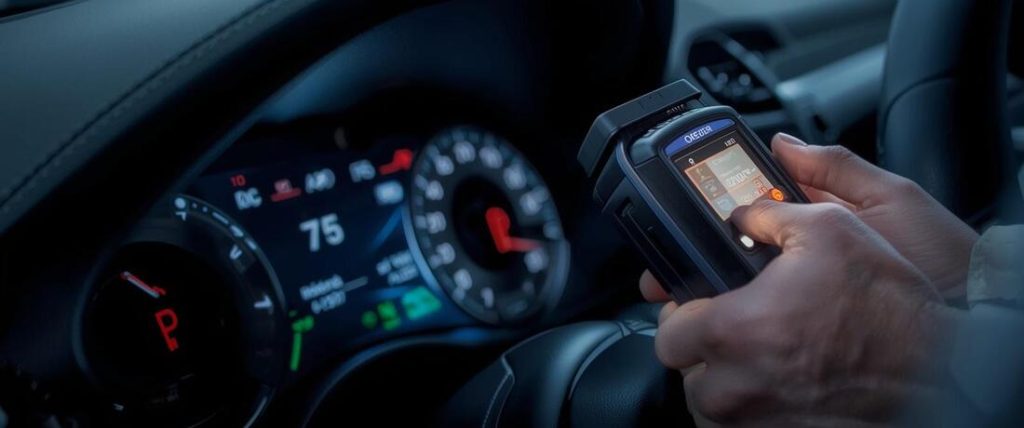
Get an OBD2 scanner. A basic Bluetooth OBD2 scanner ($20–$30) plugs into a port under your dashboard and reads fault codes through a free phone app. It won’t diagnose a dead battery directly, but it catches dozens of related problems — failing sensors, bad relays, immobiliser faults — before they strand you.
Learn the headlight test. It takes five seconds and costs nothing: turn on your headlights, then try to start. If the lights dim sharply, the battery is the problem. If they barely dim or stay bright and the car still won’t start, look at the starter or ignition switch.
Know where your fuse box is before you need it. Every car has at least two fuse boxes — one under the dashboard, one in the engine bay. Find them in your owner’s manual now, while everything is working.
Extend battery life with a trickle charger. If you don’t drive often, a $20–$30 trickle charger keeps the battery at full charge without overcharging it. Perfect for weekend cars, classic vehicles, or anything that sits unused.
For more practical car maintenance advice, check out The Car Buzz’s maintenance guides.
FAQs About — Car Won’t Start But Lights Work
Can a bad battery really cause a no-start if the lights still work?
Yes, absolutely. Lights only need a small trickle of electricity. Starting the engine demands a massive surge of current — up to 300 amps — all at once. A battery can have enough charge for electronics while completely failing to crank the engine.
How do I tell if it’s the starter or the battery?
Listen and look. Turn on the headlights, then try to start. If the lights dim sharply — battery. If lights stay bright but you hear a single click or nothing — starter or ignition switch. Rapid clicking almost always means a weak battery.
Why does my car just click but not start?
Rapid clicking is the starter solenoid trying over and over — it’s a sign the battery can’t sustain enough current to spin the starter motor. A single loud click usually means the solenoid is engaging but the starter motor itself is failing.
Is it safe to keep jump-starting my car?
Occasionally, yes. As a habit, no. Repeated jump-starts mean the real problem isn’t being fixed. A failing battery or bad alternator will keep draining the new charge, and you risk damaging sensitive electronics with inconsistent voltage.
Yes. Push-button start cars rely on the key fob to communicate with the car. A dead fob battery is the most common cause. Try holding the fob directly against the start button and pressing — many cars have a backup reader there. If that doesn’t work, it could still be the car battery or starter.
How much does it usually cost to fix this problem?
It depends on the cause. Cleaning corroded terminals is free. A new battery runs $100–$200. A starter replacement costs $200–$500. Alternator replacement is typically $300–$700. Always get a written estimate before authorising any work.
Quick Summary
- Working lights do not mean a healthy battery — starting an engine needs far more power
- The most likely causes are: weak battery, failed starter, corroded terminals, bad alternator, or ignition switch failure
- Start your diagnosis by watching whether the lights dim when you try to crank
- Listen to the sound: rapid clicking = weak battery or starter; silence = ignition/fuse issue
- Jump-starting confirms the problem but does not fix it — get the battery tested the same day
- Clean corroded terminals first — it’s free and solves the problem more often than you’d expect
- Replace batteries every 3–5 years and test every autumn before cold weather