
This article was updated in February 16, 2026 with new products and information by Mark S. Taylor
You turn the key, and a loud squeal pierces the air. Or maybe your dashboard battery light just popped on. These are classic signs of a failing serpentine belt.
The serpentine belt is the unsung hero of your engine. It drives critical parts like the alternator, power steering, and air conditioner. If it breaks, your car will stop running. It can even cause engine damage. This guide covers the key symptoms of a bad serpentine belt, how to check it yourself, and what it costs to fix.
Don’t get stranded. Let’s inspect your belt today.
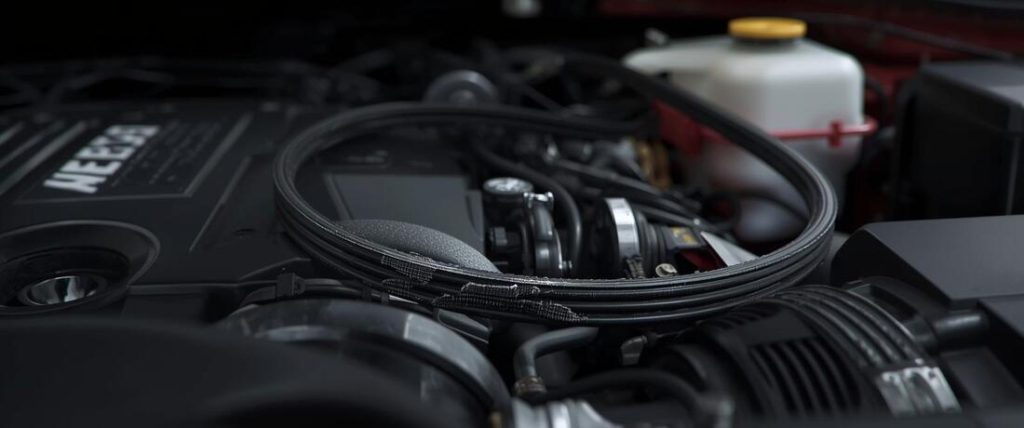
Contents
- 1 What Does a Serpentine Belt Do?
- 2 8 Symptoms of a Bad Serpentine Belt
- 2.1 1. Squealing or Screeching Noise (Most Common Early Warning)
- 2.2 2. Visible Cracks, Fraying, or Chunks Missing
- 2.3 3. Heavy or Difficult Power Steering
- 2.4 4. Battery Warning Light or Electrical Problems
- 2.5 5. Engine Overheating
- 2.6 6. Air Conditioning Not Working
- 2.7 7. Visible Belt Slippage or Looseness
- 2.8 8. Chirping or Slapping Sounds
- 3 What Causes Serpentine Belt Failure?
- 4 How to Inspect Your Serpentine Belt (DIY Check)
- 5 Can You Drive with a Bad Serpentine Belt?
- 6 Serpentine Belt Replacement Cost
- 7 How Long Does a Serpentine Belt Last?
- 8 DIY Serpentine Belt Replacement
- 9 Prevention and Maintenance Tips
- 10 Myths About Serpentine Belts
- 11 FAQs About Symptoms of a Bad Serpentine Belt
- 12 Bottom Line: Don’t Wait for Complete Failure
What Does a Serpentine Belt Do?
Single Belt, Multiple Jobs
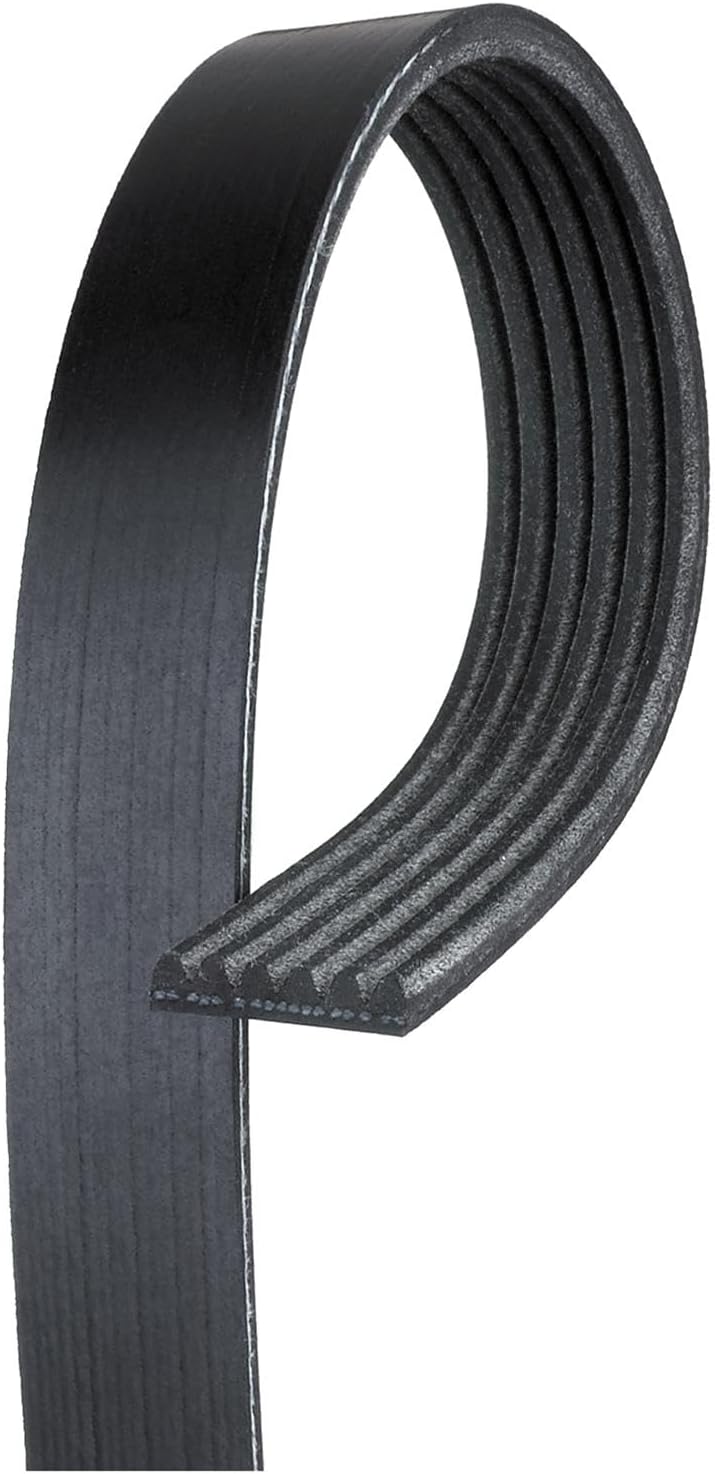
The serpentine belt is a long, rubber strap that powers many engine parts at once.
In the old days, cars had many belts. Today, most cars use just one long belt. It winds around pulleys like a snake. This is efficient, but it has a downside. If this one belt breaks, everything stops working. You lose steering assist, battery charging, and A/C all at the same time.
Accessories Powered by Serpentine Belt
This belt keeps your car alive.
- Alternator: Keeps your battery charged.
- Power Steering Pump: Makes the wheel easy to turn.
- A/C Compressor: Keeps the cabin cool.
- Water Pump: Keeps the engine cool (on some cars).
Note: Check your manual. Some cars use a separate timing belt for the water pump.
8 Symptoms of a Bad Serpentine Belt
1. Squealing or Screeching Noise (Most Common Early Warning)
A loud squeal usually means the belt is slipping or glazed.
What it sounds like: A high-pitched “REEEEEE” sound. You hear it when you start the car on a cold morning. You might also hear it when you turn the steering wheel all the way to one side.
Why it happens: Old rubber gets hard and shiny. It creates a smooth surface that slips on the metal pulleys. Moisture or oil leaks can also cause this noise. It is annoying, but it is also a warning.
Severity: Minor to Moderate. Plan to check it soon.
2. Visible Cracks, Fraying, or Chunks Missing
If you see damage, the belt is dying.
What to look for:
- Cracks: Look for tiny cuts across the ribs.
- Fraying: The edges look hairy or stringy.
- Chunks: Pieces of the ribs are missing.
- Glazing: The belt looks shiny and plastic-like, not rubbery.
Severity: Moderate to Urgent. Replace the belt if you see these signs.
3. Heavy or Difficult Power Steering
If the belt slips, the power steering pump stops working.
What happens: Suddenly, the steering wheel feels like lifting a weight. It is very hard to turn at low speeds or when parking. The belt turns the pump that helps you steer. If the belt is loose or broken, you lose that help.
Critical Note: If this happens while driving, hold the wheel tight. You can still steer, but you must use muscle.
Severity: URGENT. This is a safety risk.
4. Battery Warning Light or Electrical Problems
A bad belt cannot spin the alternator fast enough.
What you see: A red battery light on your dash. You might also notice dim headlights or slow power windows. The alternator needs the belt to spin it. If the belt breaks, the alternator quits. Your car will run on the battery alone for a short time (30-60 minutes) until it dies completely.
Severity: URGENT. You will be stranded soon.
5. Engine Overheating
On some cars, a broken belt stops the water pump.
What happens: The temperature gauge shoots up to “Hot.” The engine might smoke or smell burnt. Without a spinning water pump, coolant sits still. The engine gets hot very fast.
Check your car: Does your serpentine belt drive the water pump? If yes, a broken belt is an instant emergency.
Severity: CRITICAL. Stop driving immediately.
6. Air Conditioning Not Working
A slipping belt cannot power the A/C compressor.
What happens: You turn on the A/C, but the air is warm. You might hear a click, but no cold air comes out. The A/C compressor takes a lot of power to turn. A weak belt will slip instead of spinning it.
Severity: Minor. It is uncomfortable, but safe.
7. Visible Belt Slippage or Looseness
A loose belt is a failing belt.
What to observe: Open the hood. Look at the belt. Does it flap around? Does it look saggy? With the engine off, push on the belt. It should be tight. If you can push it down more than half an inch, it is too loose. This often means the automatic tensioner is broken.
Severity: Moderate. It will fail soon.
8. Chirping or Slapping Sounds
Strange noises point to specific problems.
- Chirping: A fast “chirp-chirp-chirp.” This usually means a pulley is misaligned.
- Slapping: A loud rhythmic slap. The belt is hitting something. This is very bad. It means the belt is extremely loose or tearing apart.
Severity: URGENT. Failure is imminent.
What Causes Serpentine Belt Failure?
Normal Wear and Age
Rubber dries out and cracks over time. Most belts last 60,000 to 100,000 miles. Heat from the engine cooks the rubber. Cold weather makes it brittle. Constant bending around pulleys creates cracks. Even if you don’t drive much, age kills belts.
Oil or Coolant Contamination
Fluids dissolve rubber. Leaking engine oil or coolant is terrible for belts. It turns the rubber into mush. The belt gets slippery and swells up. If you fix the belt but not the leak, the new belt will fail too. For more on spotting leaks, check our maintenance section.
Tensioner or Pulley Problems
Sometimes the belt is fine, but the parts holding it fail. The tensioner keeps the belt tight. It has a spring and a bearing. If the bearing seizes, it burns the belt. If the spring gets weak, the belt slips. Idler pulleys can also wobble and throw the belt off.
How to Inspect Your Serpentine Belt (DIY Check)
Visual Inspection Steps
You just need a flashlight and your eyes.
- Open the hood. Find the long belt at the front of the engine.
- Look at the ribs. These are the grooves on the inside. Look for cracks.
- Check the edges. They should be smooth, not frayed.
- Touch it (Engine OFF). It should feel firm, not hard or greasy.
The “Crack Test” Rule
Any visible crack is a bad sign. Old advice said “3 cracks per inch is okay.” That is wrong for modern cars. Modern belts are made of EPDM rubber. They don’t crack until they are totally dead. If you see any cracks, plan to replace the belt soon.
When Engine Running Inspection
Safety Warning: Keep hands and hair away from moving parts! Start the engine. Watch the belt spin. It should run smooth and straight. It should not wobble or jump. Listen for chirps. If the tensioner arm is bouncing up and down a lot, the tensioner is bad.
Can You Drive with a Bad Serpentine Belt?
Short Answer: It Depends on Symptoms
You can limp home if it is just squealing. If the belt is just noisy or has small cracks, you can drive a few miles to a shop. But be careful. If the steering gets heavy or the battery light comes on, stop.
What Happens If Belt Breaks While Driving?
It is a scary experience.
- Steering gets heavy. You will have to fight the wheel.
- Lights dim. The battery stops charging.
- Heat rises. If the water pump stops, the engine cooks.
What to do: Turn off the radio and A/C. Drive carefully to the side of the road. Call a tow truck. Do not try to drive home.
Serpentine Belt Replacement Cost
Parts Cost
Belts are cheap.
- Belt only: $20–$60.
- Tensioner: $30–$80.
- Idler Pulley: $20–$50.
Always buy quality brands like Gates or Continental. They last longer.
Labor Cost
Labor is usually one hour or less.
- Easy access: $75–$100.
- Hard access: $150–$200.
Total Replacement Cost by Scenario
| Service | DIY Cost | Pro Cost |
| Belt Only | $20–$60 | $95–$200 |
| Belt + Tensioner | $50–$140 | $150–$350 |
| Full Kit (Pulleys too) | $90–$230 | $200–$500 |
How Long Does a Serpentine Belt Last?
Typical Lifespan
Expect about 60,000 to 100,000 miles. Check your owner’s manual. Some modern belts can go 150,000 miles. But rubber is rubber. It degrades after 6 to 10 years, even with low miles.
Factors That Shorten Belt Life
Hard driving kills belts.
- Extreme Heat/Cold: Makes rubber brittle.
- City Driving: Constant starting and stopping wears the belt.
- Oil Leaks: Destroys the rubber compound.
Factors That Extend Belt Life
Keep it clean and tight. Fix oil leaks fast. Inspect the tensioner. Highway miles are easier on belts than city miles.
DIY Serpentine Belt Replacement
Difficulty Level: Easy to Moderate
You can do this in 30 minutes. You need a socket set and a belt diagram.
General Replacement Procedure
- Find the diagram. Look for a sticker under the hood. Or take a photo of the old belt.
- Loosen tension. Put a socket on the tensioner pulley. Push (or pull) to release pressure.
- Remove old belt. Slide it off.
- Route new belt. Follow the diagram exactly. Leave the tensioner pulley for last.
- Apply tension. Move the tensioner again and slip the belt on.
- Check. Make sure the belt is seated in all the grooves.
Common DIY Mistakes
Don’t get it twisted.
- Wrong Routing: The belt spins accessories backwards if routed wrong.
- Pinched Belt: Ensure it sits flat on every pulley.
- Ignoring the Tensioner: If the old tensioner is weak, the new belt will squeal.
Prevention and Maintenance Tips
Regular Inspection Schedule
Check it every oil change. Look for cracks or glazing. Listen for noise. It takes 60 seconds. Learn more about simple checks at The Car Buzz.
Preventive Replacement
Don’t wait for the snap. Change the belt at 90,000 miles, even if it looks okay. It is cheap insurance. A tow truck costs way more than a belt.
Myths About Serpentine Belts
Myth 1: “Belt Dressing Fixes Squealing”
False. The spray creates a sticky mess. It stops noise for a day, but attracts dirt. This kills the belt faster. Never use it.
Myth 2: “Wait Until Belt Breaks to Replace”
False. A broken belt can slap around and damage hoses or wires. Plus, being stranded is dangerous.
Myth 3: “All Serpentine Belts Are the Same”
False. They vary by length and width. A belt that is one inch too long will slip. Always check the part number.
FAQs About Symptoms of a Bad Serpentine Belt
How do I know if my serpentine belt needs to be replaced?
Look for cracks, frayed edges, or missing chunks. Listen for loud squealing when you start the car. If the steering feels heavy or the belt is loose, replace it.
Can I drive with a bad serpentine belt?
You can drive a short distance if it is just squealing. Do not drive if the belt is broken, the engine is hot, or the battery light is on.
What does a bad serpentine belt sound like?
It sounds like a high-pitched squeal or screech. You usually hear it when starting the engine or turning the wheel. A chirping sound means a pulley is misaligned.
How much does it cost to replace a serpentine belt?
It costs between $95 and $200 at a shop. If you do it yourself, the belt costs about $30.
How do I check if my serpentine belt is bad?
Turn off the engine. Look for cracks or shiny spots on the belt. Push on it; it should be tight. If it moves more than half an inch, it is too loose.
Bottom Line: Don’t Wait for Complete Failure
The serpentine belt is cheap to fix but expensive to ignore.
A failing belt gives you plenty of warnings. Squealing noises, visible cracks, and heavy steering are your clues. Don’t ignore them. If you wait until the belt snaps, you lose power steering and battery charging instantly. You could even overheat your engine.
Final Step: Go to your car right now. Pop the hood. Shine a light on the belt. Do you see cracks? Does it look shiny? If yes, buy a new belt today. It costs less than a tank of gas and saves you a massive headache later.
Quick Summary
- One belt rules them all: It powers steering, A/C, and the battery.
- Listen for the squeal: This is the first sign of trouble.
- Check for cracks: Any visible crack means the belt is old.
- Watch the lights: A battery light often means the belt broke.
- Don’t drive if broken: You will lose steering and could overheat.
- Cheap to fix: A pro replacement is usually under $200.