
This article was updated in August 1, 2026 with new products and information by Mark S. Taylor
It’s happened to all of us. That familiar feeling when your trusted, old ride rolls into the shop for another repair. The mechanic calls with an estimate, and you’re faced with the question: Do I fix it again, or is this the repair that finally pushes me over the edge? When do you stop pouring money into an old car that seems to constantly break down? As a 20-year master mechanic, I’ve seen countless owners struggle with this decision. It’s tough, especially when you have history with a vehicle. But there comes a point where logic has to override sentiment. Let’s figure out if your car has reached its “point of diminishing returns” and if it’s time to cut your losses and save your wallet.

Contents
- 1 The Money Pit Syndrome: Is Your Old Car Draining Your Wallet?
- 2 The Cold Hard Numbers: Financial Rules of Thumb
- 3 Beyond the Bill: Mechanical Red Flags That Signal the End
- 4 The “End-of-Life” Inspection Checklist: What a Mechanic Checks Before Saying “Time to Sell”
- 5 Getting an Honest Repair Estimate (And What to Do With It)
- 6 The Sentimental Trap: When Logic Battles Emotion
- 7 What’s Next? Options After Deciding to Move On
- 8 FAQs About Retiring Your Car
- 8.1 Q1: What’s the “sweet spot” for selling an old car before it becomes a money pit?
- 8.2 Q2: How do I know if my repair costs are really “too high”?
- 8.3 Q3: Does preventative maintenance actually save me money on an old car?
- 8.4 Q4: My mechanic always recommends fixing it. Should I trust them?
- 8.5 Q5: What’s the biggest mistake people make when deciding whether to repair or replace?
- 9 The Shop Verdict: Make the Smart Call, Not the Emotional One
The Money Pit Syndrome: Is Your Old Car Draining Your Wallet?
You know the feeling. One month it’s the brakes, the next it’s a nagging check engine light, and then a major suspension component gives out. You keep telling yourself, “Just one more fix, and it’ll be good for another year.” But those “one more fixes” start piling up, nickel and diming you to death. I’ve seen owners throw thousands of dollars at a vehicle that, even when “fixed,” still has an exhaust system patched with coat hangers, a door that doesn’t quite close right, and an electrical system that randomly flickers. It’s an endless cycle, and it can become a significant financial burden that outweighs any perceived savings from not having a car payment. I’ve seen it a thousand times. Owners keep throwing money at an old car, hoping it’ll finally be “fixed,” but they’re really just postponing the inevitable.
The Cold Hard Numbers: Financial Rules of Thumb
Deciding when to stop repairing isn’t purely mechanical; it’s often a financial equation. While every situation is unique, here are some widely accepted guidelines that can help you make a rational choice:
- The 50% Rule: If the cost of a single repair is 50% or more of your car’s current market value, it’s often time to consider replacement. For example, if your 2012 sedan is worth $4,000 on Kelley Blue Book, and the transmission needs a $2,500 rebuild, you’re looking at a repair that’s over 60% of its value. That’s a serious red flag.
- The 70% Rule: Some extend the 50% rule to 70%, especially if you absolutely love the car and it’s otherwise in great shape. However, this is pushing it. You’re entering territory where the repair cost gets very close to simply buying another used car of similar make and model in better condition.
- Annual Repair Budget: Are you spending more than the cost of a basic new car payment ($300-$500 per month, or $3,600-$6,000 per year) on repairs and maintenance for your old car? If your annual repair bills consistently hit that mark, you’re essentially making a new car payment without getting a new car’s reliability, safety, or fuel efficiency.
- Cost of Ownership vs. New Car Payment: Compare your total annual cost of ownership for your old car (repairs, maintenance, insurance, fuel) to what a new car payment plus its associated costs (potentially lower fuel, cheaper insurance on a newer, safer car) would be. Sometimes, the new car isn’t as much of a jump as you think.
These rules are a good starting point, but they don’t tell the whole story. A $3,000 engine replacement on a $6,000 car might sound like a bad deal, but if that car is otherwise perfect, it might give you another 50,000 miles for less than a year of new car payments.
Beyond the Bill: Mechanical Red Flags That Signal the End
Sometimes, it’s not just about the cost of this repair; it’s about the car’s overall health and what’s likely to fail next. As a mechanic, these are the signs that make me tell an owner it’s time to seriously consider moving on:
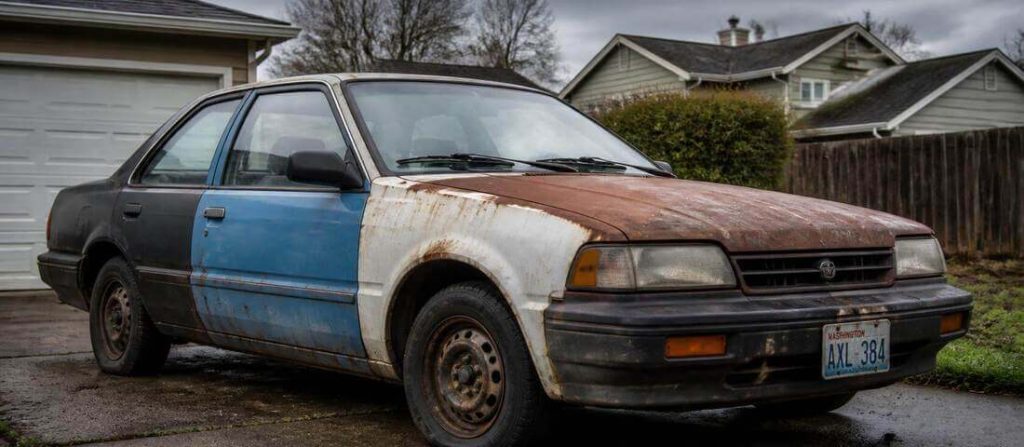
- Major Frame Rust or Subframe Damage: This is a non-starter. If the structural integrity of the vehicle is compromised by rust on the frame, unibody, or critical suspension mounting points, it’s unsafe and generally not economically fixable. We’re talking about rust that makes the metal brittle and weak, not just surface rust.
- Repeated, Unexplained Engine Issues: An engine that’s constantly overheating, burning excessive oil, making persistent knocking or clanking noises that can’t be traced to a simple fix, or repeatedly throwing major fault codes (e.g., misfires, timing issues) after multiple attempts. If it needs a full engine replacement or a rebuild on a high-mileage vehicle, that’s almost always a deal-breaker.
- Transmission Failure (Again): A transmission that’s slipping, grinding, or refusing to shift after a rebuild or previous major service, especially if the car is old. Transmission work is labor-intensive and expensive, and repeated failures suggest deeper design or underlying issues.
- Multiple Interconnected System Failures: When your car needs new brakes, a significant suspension overhaul, the AC system has a major leak, and the electrical system is acting up – all at once or in rapid succession. That means the entire vehicle is degrading, and fixing one thing will just highlight the next weak link.
- Severe Fluid Leaks (Multiple Sources): If the engine is leaking oil from multiple gaskets (valve cover, oil pan, rear main seal), the transmission is seeping fluid, and the power steering pump is weeping, it’s a clear sign that all the seals and gaskets are aging out. Fixing one leak often puts pressure on the next weak seal, leading to an endless chase.
- Compromised Safety Systems: If airbags are faulty, ABS systems are failing, or advanced driver-assist systems are consistently malfunctioning, and the fixes are complex and expensive, it directly impacts your safety.
A car that needs an engine and a transmission within a year, or has serious frame rust, is often waving the white flag. That’s when I tell customers, “You’re welding new money onto old problems.”
The “End-of-Life” Inspection Checklist: What a Mechanic Checks Before Saying “Time to Sell”
When you’re trying to make this tough decision, it’s not enough to just look at the current repair bill. You need a holistic view of the vehicle’s remaining lifespan and potential future headaches. Here’s what I’d check:
- Frame and Structural Integrity: Get it up on a lift. I’m looking for significant rust on the frame rails, subframe, suspension mounting points, and rocker panels. Cosmetic rust is one thing; structural rust is another. If I can put a screwdriver through a critical component, it’s done.
- Major Powertrain Components:
- Engine: Is it consuming oil or coolant? Are there any persistent, unresolved Check Engine Lights? Any unusual noises (knocks, ticks, clunks)? Look for heavy oil leaks that indicate aging gaskets and seals.
- Transmission: How does it shift? Is the fluid dark or burnt smelling? Any delays in engagement? Are there any leaks from the bell housing or pan?
- Brakes and Steering: Check for excessive play in steering components (tie rods, ball joints). Are the brake lines corroded? Does the brake pedal feel firm? Are there any warning lights for the ABS system?
- Suspension Components: Worn-out shocks, struts, control arm bushings, and wheel bearings contribute to a poor ride, poor handling, and can be expensive to replace. Look for visible leaks from shocks/struts or excessive play in joints.
- Tires (Age, not just tread): Even if the tread is good, tires older than 6-7 years should be replaced due to rubber degradation. This can be a $500-$1,000 expense.
- Exhaust System: Are there major rust holes or broken hangers? A full exhaust replacement can be pricey, especially with integrated catalytic converters.
- Electrical System: Are there any intermittent electrical glitches? Does the battery constantly drain? Are warning lights coming on for no apparent reason? Are all the lights and accessories working correctly? Corroded wiring harnesses can be a nightmare to diagnose and repair.
- Heating and Air Conditioning (HVAC): A non-functional AC in summer or heater in winter severely impacts comfort and resale value. Major HVAC repairs (compressor, evaporator core) are expensive.
- Fluid Condition: Check all fluids – engine oil, transmission fluid, power steering, brake fluid, coolant. Are they clean and at the right level? Dark, gritty, or burnt fluids can indicate internal wear.
It’s not just the visible stuff. I’m looking for signs of deferred maintenance, brittle hoses, wiring that’s seen too many winters, and rust in places you can’t easily see. A clean body hides a lot of expensive problems underneath if you don’t look.

Getting an Honest Repair Estimate (And What to Do With It)
Once you’ve identified a potential major repair, getting an accurate, unbiased estimate is crucial. This isn’t just about the dollar amount; it’s about transparency and understanding the full scope of work.
- Describe Symptoms, Not Solutions: When you take your car in, describe what it’s doing (e.g., “The engine makes a loud knocking noise when I accelerate”) rather than what you think it needs (e.g., “I think it needs a new engine”). Let the mechanic diagnose the problem.
- Get Multiple Estimates: For any major repair over a few hundred dollars, get at least two, preferably three, estimates from reputable shops. Compare not just the total price, but the parts used (OEM vs. aftermarket), the labor hours, and the warranty on the repair.
- Ask for a Written Estimate: Always insist on a written estimate detailing parts, labor, and any diagnostic fees. This protects you from unexpected charges.
- Understand the “Why”: A good mechanic won’t just tell you what needs fixing, but why it failed. Is it common for your vehicle? Was it due to a lack of maintenance?
- Use Online Tools: Sites like RepairPal can give you average repair costs for your area, specific to your vehicle, which can help you gauge the fairness of an estimate.
- Consider Future Impact: Ask the mechanic, “If I do this repair, what else might fail soon given the car’s age and mileage?” A good shop will tell you why a part failed and what else might be coming down the pike. Don’t fall for “while we’re in there” unless it’s a legitimate preventative repair.
The Sentimental Trap: When Logic Battles Emotion
Let’s be honest: cars are more than just transportation. They’re often tied to memories – first jobs, road trips, daily commutes with the kids. That old pickup truck might have hauled countless loads, or that sedan saw you through college. There’s a powerful emotional connection that can make the decision to let go incredibly difficult, even when the repair bills are mounting.
But sentiment doesn’t pay for a new transmission or fix advanced rust. I’ve seen owners sink thousands into vehicles that, even when patched up, remain unreliable and potentially unsafe. While that emotional connection is valid, it shouldn’t overshadow practical considerations of safety, reliability, and your financial health. Sometimes, letting go of a vehicle that’s consistently failing is the best way to honor the good times and avoid future frustrations. I get it. That old truck took you to your first job, your first date. But memories don’t pay the repair bills or guarantee you won’t get stranded. Sometimes, letting go is the best way to honor the good times.

What’s Next? Options After Deciding to Move On
So, you’ve crunched the numbers, you’ve done the end-of-life inspection, and you’ve decided it’s time. What are your options for that old car that’s no longer worth repairing?
- Trade-in for a New or Used Vehicle: This is often the easiest option. The dealership handles all the paperwork, and you get a small credit towards your next purchase. However, trade-in values are typically lower than what you might get from a private sale.
- Private Sale: If your car is still running (even if it needs significant work), you might get more money by selling it yourself. Be honest about its condition and any known issues. Sites like Craigslist or Facebook Marketplace can be good avenues, but prepare for tire-kickers and lowball offers.
- Sell to a “Junk Car” Buyer or Scrap Yard: If the car is truly not running, has severe damage, or is too expensive to fix, a junk car buyer or scrap yard will purchase it for its scrap metal value or for parts. Expect anywhere from $200 to $500, depending on its weight and the current scrap metal market.
- Donate to Charity: Many charities accept vehicle donations. You won’t get cash, but you can usually claim a tax deduction for the car’s fair market value (if sold at auction by the charity) or $500 (if the charity keeps it).
- Part It Out (DIY Enthusiasts): If you’re mechanically inclined and have the space, you can part out the car yourself. Selling individual components (engine, transmission, interior parts) can net more money than selling it whole for scrap, but it’s a time-consuming and labor-intensive process.
Even a car that’s “too expensive to fix” still has value. Don’t just give it away. Someone might need parts, or a mechanic might want a project. Research its scrap value, at minimum.
FAQs About Retiring Your Car
Q1: What’s the “sweet spot” for selling an old car before it becomes a money pit?
A: There’s no single mileage or age, but generally, cars tend to hit a “sweet spot” for reliability between 50,000 and 100,000 miles. Once you pass 100,000 miles, major component failures (engine, transmission, suspension, AC) become more likely. If you’re consistently seeing repair bills of $1,000 or more every year after the 100,000-mile mark, it’s time to start evaluating.
Q2: How do I know if my repair costs are really “too high”?
A: A good rule of thumb is to compare your annual repair and maintenance costs to 10-15% of your car’s current market value. If you’re spending $2,000 a year to keep a $10,000 car on the road, that’s already 20% – probably too high. If that same $2,000 is going into a $3,000 car, it’s definitely time to stop. The actual annual cost of ownership (maintenance, repairs, fuel, insurance) is often far higher than just monthly payments, especially on an old, high-mileage vehicle.
Q3: Does preventative maintenance actually save me money on an old car?
A: Absolutely, up to a point. Regular oil changes, fluid flushes, tire rotations, and scheduled service can prevent some major failures and prolong component life. However, even with perfect maintenance, parts wear out due to age and mileage. Preventative maintenance helps you maximize the car’s life, but it won’t magically stop a transmission from failing at 200,000 miles.
Q4: My mechanic always recommends fixing it. Should I trust them?
A: A good mechanic will give you an honest assessment of the repair’s necessity, its cost, and a realistic expectation of the vehicle’s remaining life. If they can justify the repair by saying, “This $1,500 repair will likely get you another 2-3 years without major issues,” that’s different from, “Well, we can try replacing this, but the engine might go next.” Ask direct questions about the long-term prognosis for the vehicle, not just the immediate repair.
Q5: What’s the biggest mistake people make when deciding whether to repair or replace?
A: The biggest mistake is letting short-term thinking and emotional attachment cloud a long-term financial decision. Many people just look at the repair bill today and think “that’s cheaper than a new car payment.” They don’t factor in the next repair that’s likely coming, the declining reliability, the increased fuel costs, or the depreciation. They focus on avoiding a new car payment instead of looking at the total cost of ownership.
The Shop Verdict: Make the Smart Call, Not the Emotional One
Deciding when to stop repairing your old car is one of the toughest automotive decisions you’ll face. It’s a balance between dollars and sense, between memories and mileage. But by applying some clear financial rules, performing a thorough mechanical assessment, and separating emotion from logic, you can make the smart call. An honest assessment now can save you thousands of dollars, countless headaches, and prevent you from getting stranded later. Don’t let your old car become a financial black hole; empower yourself to know when it’s truly time to say goodbye.